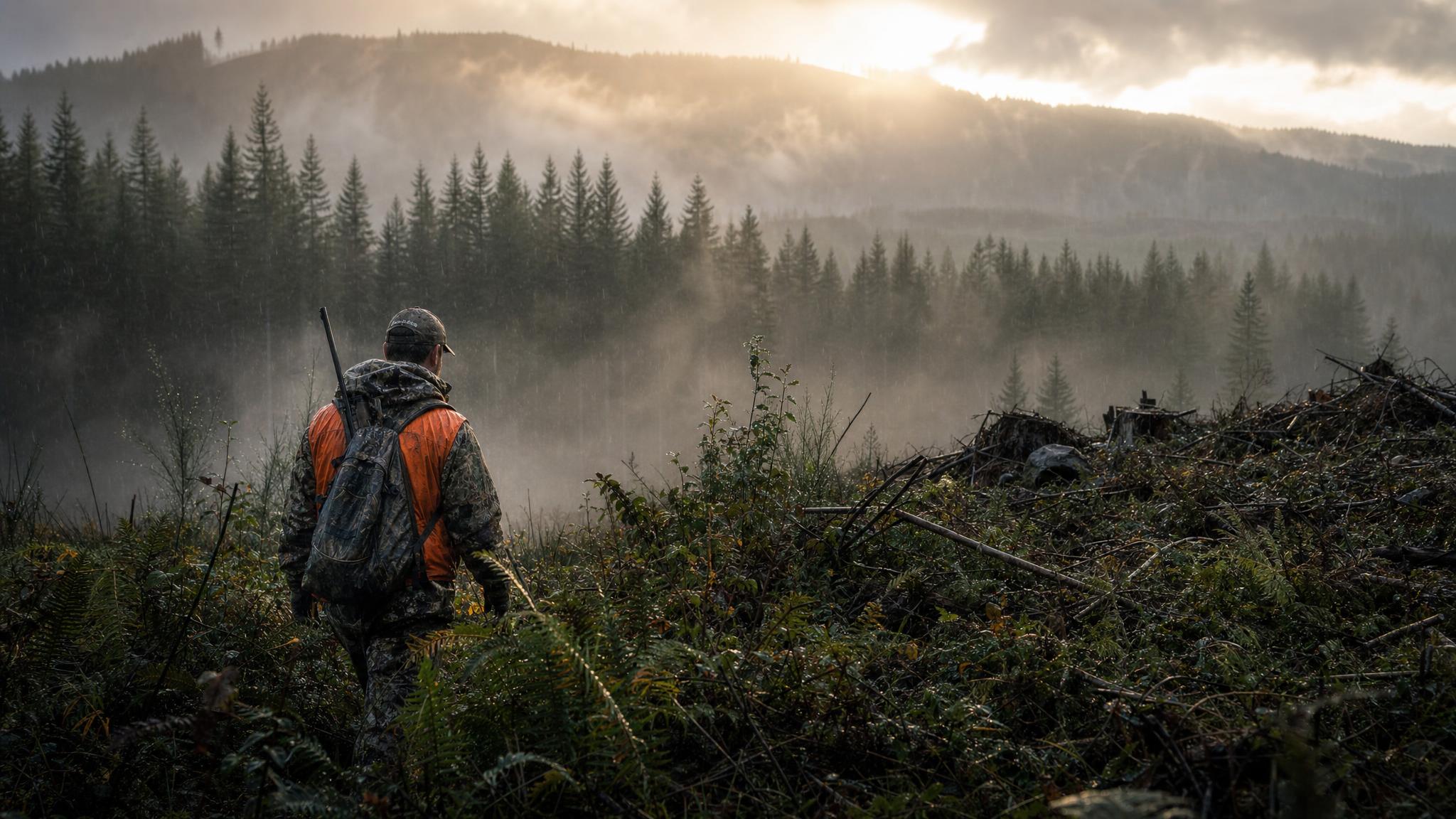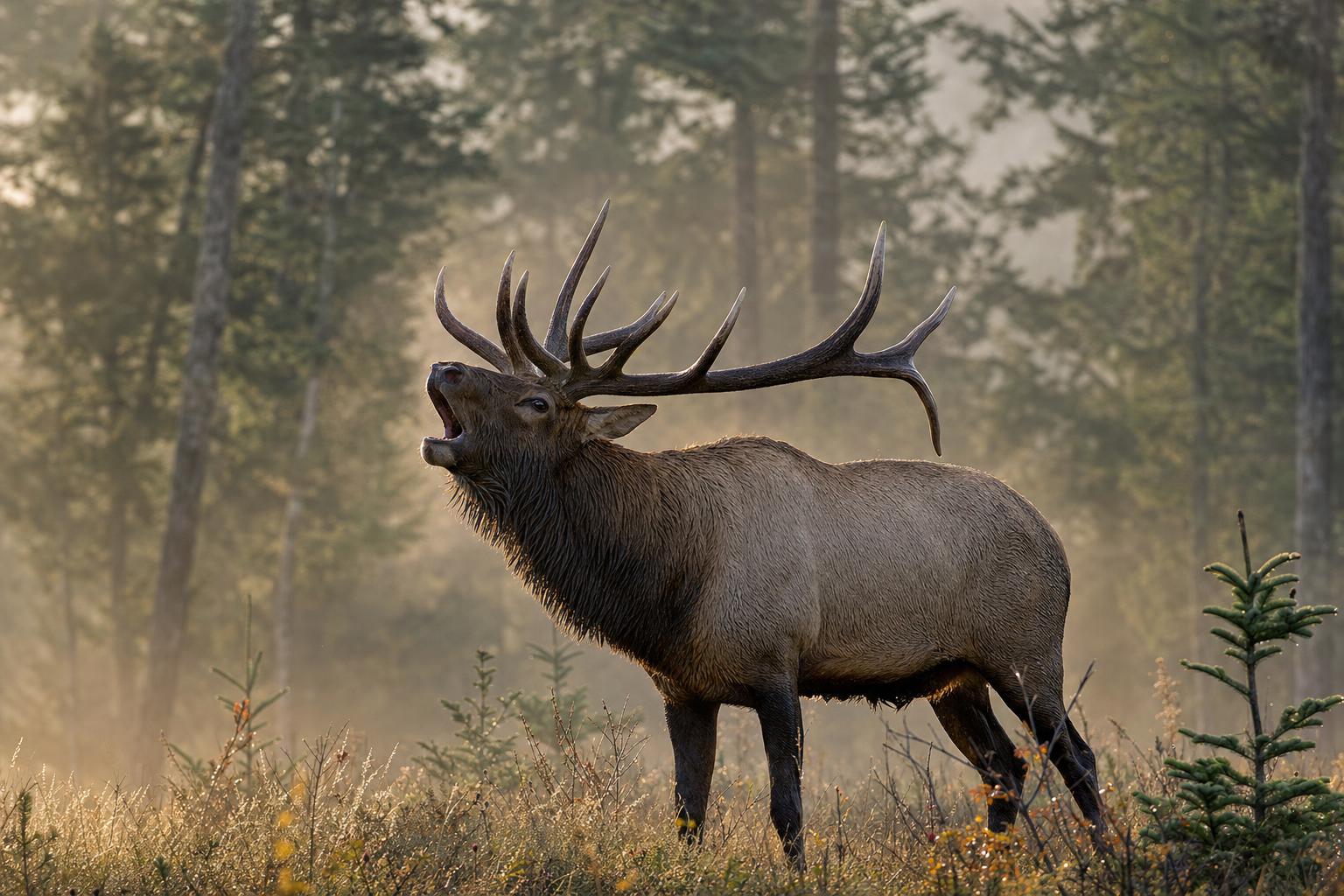
Every September 27th, Oregon's archery elk season opens, and hunters who spent their July and August doing homework have a massive advantage over those who show up cold. Summer scouting for bulls is not just about finding elk — it's about understanding how bulls use the landscape during the velvet period and predicting where they'll be when the rut pressure begins to build in late September. The two patterns are different, and the best scouts account for both.
Why Summer Scouting Matters for Archery Elk Hunters
Bulls in velvet are on a predictable schedule. They're feeding aggressively, following consistent routes from bedding cover to feed and back, and they're far less wary than they'll be in September. They also don't respond to pressure the same way — a bull bumped in July from a feeding meadow may come back the next evening. Bump that same bull in the first week of archery season and he may move out of the area entirely.
What you're looking for in summer is not necessarily where bulls will be opening day, but where the core-use areas are — the drainages, ridge systems, and elevation bands that elk call home. From that foundation, you can make smart adjustments as season approaches and conditions change.
Timing Your Summer Scouting Trips
The best summer scouting windows in Oregon's major elk units:
- Mid-July: Elk are in summer range, bulls are in velvet and grouped in bachelor herds. High-elevation meadows and north-facing slopes hold bulls. Great for glassing and establishing baseline locations.
- Early to Mid-August: Velvet is starting to harden. Bulls begin to feel early rut hormones and may shift range. Time to locate wallows and rub trees. Secondary scouting trips can refine your primary areas.
- Late August/Early September: Bulls are shedding velvet. Pre-rut movement increasing. Final trail camera checks and last scouting push before season.
High-Priority Oregon Units for Summer Elk Scouting
Oregon's Blue Mountains units — Starkey, Desolation, Fossil, and Ukiah — hold some of the highest elk densities in the state. The Wallowa unit and the Minam country in the Eagle Cap Wilderness consistently produce quality bulls on general-season archery tags. In Eastern Oregon's high desert, the Silver Lake and Silvies units see good bull numbers in wet years when feed is strong.
Don't overlook the coast range units — Alsea, Wilson, and especially the Applegate and South Cascades units in Southwest Oregon — for Columbia River and Roosevelt elk on general tags. These areas see far less pressure than the Blue Mountains and can be productive for the hunter willing to cover ground in challenging terrain.
Digital Scouting with OnX Hunt
Before your first boot hits the ground, spend serious time in OnX. Here's a systematic approach:
- Identify north-facing slopes between 4,500 and 7,500 feet: These hold thermal cover during hot August days and typically grow the lush feed elk prefer. Mark every significant north-facing bench and drainage in your unit.
- Find water sources: Natural springs, seeps, and small ponds on topographic maps. Elk will be within a mile of water in August. These are wallow candidates — prioritize them for in-person scouting.
- Mark saddles and benches: Elk are lazy movers when undisturbed. Saddles connecting ridges, benches above drainages, and the upper edges of clear-cuts are natural travel corridors. Mark every one worth checking.
- Ownership layers: Use OnX to distinguish USFS from BLM from private. Know exactly where you can and can't go before you're in the field.
Finding and Hunting Wallows
Summer wallow scouting might be the single most productive pre-season activity for archery elk hunters. Bulls wallow obsessively in late summer — cooling down, depositing scent, and signaling dominance. A fresh wallow with good track sign is worth setting a trail camera over immediately.
Look for wallows on the downhill side of seeps and springs, in boggy depressions near creek drainages, and in shaded areas on north-facing slopes. Fresh wallows will have muddy, churned soil with tracks and a distinct ammonia-urine smell. Set cameras on the approach trails, not just the wallow itself — this lets you pattern multiple bulls using the same water source.
Glassing Strategy
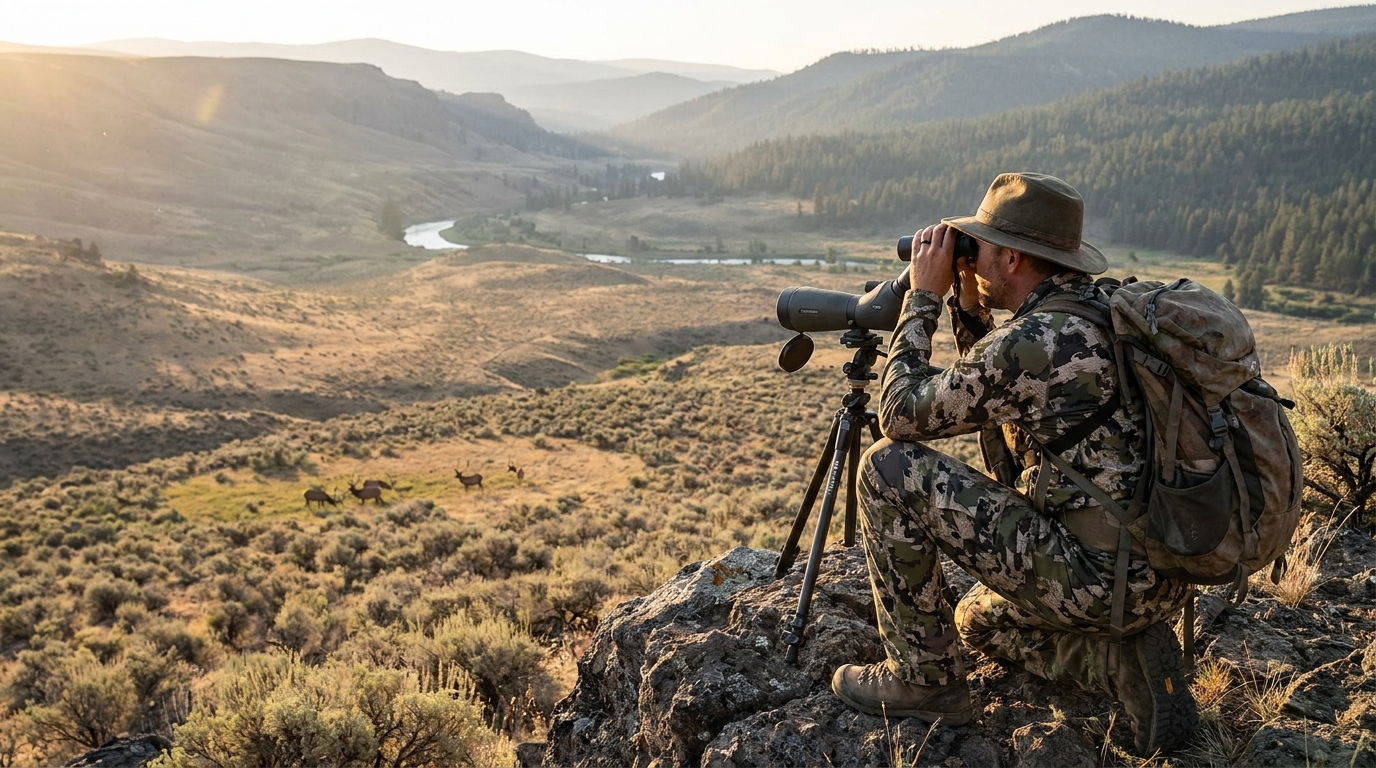
Summer glassing for elk is most productive in the first two hours of daylight and the last 90 minutes before dark. Glass from high points that allow you to cover multiple drainages and meadow complexes. A quality tripod-mounted 10x42 or 12x50 binocular is more valuable than a spotting scope for covering ground quickly. Once you pick up bulls, drop to a 20-60x spotting scope to evaluate antler development and count tines.
Keep detailed notes — not just GPS waypoints but written observations about approach routes, wind patterns, and what the bulls were doing when you found them. This context is invaluable when you're making hunting decisions in September.
Managing Your Intrusion
Every trip into your hunting area is a potential pressure event. In late summer, limit in-person scouting to absolutely necessary trips. Use binoculars and spotting scopes from roads and ridge tops as much as possible. When you do go in to check cameras or scout wallows, pay attention to wind direction and avoid bedding cover entirely. Your goal is maximum information with minimum impact on elk behavior.
Building Your Pre-Season Picture
By the end of August, you want to know: which drainages hold bulls, where the primary wallows are, what the preferred feed sources look like, and how elk are moving through the terrain. Layer your trail camera images, glassing notes, and OnX marks into a clear mental model of the area. When season opens and conditions change — early hot weather, early cold snap, hunting pressure from other parties — you'll have enough baseline knowledge to make smart adjustments instead of starting from zero.
The hunters killing good Oregon bulls on general archery tags aren't luckier than you. They just started earlier.