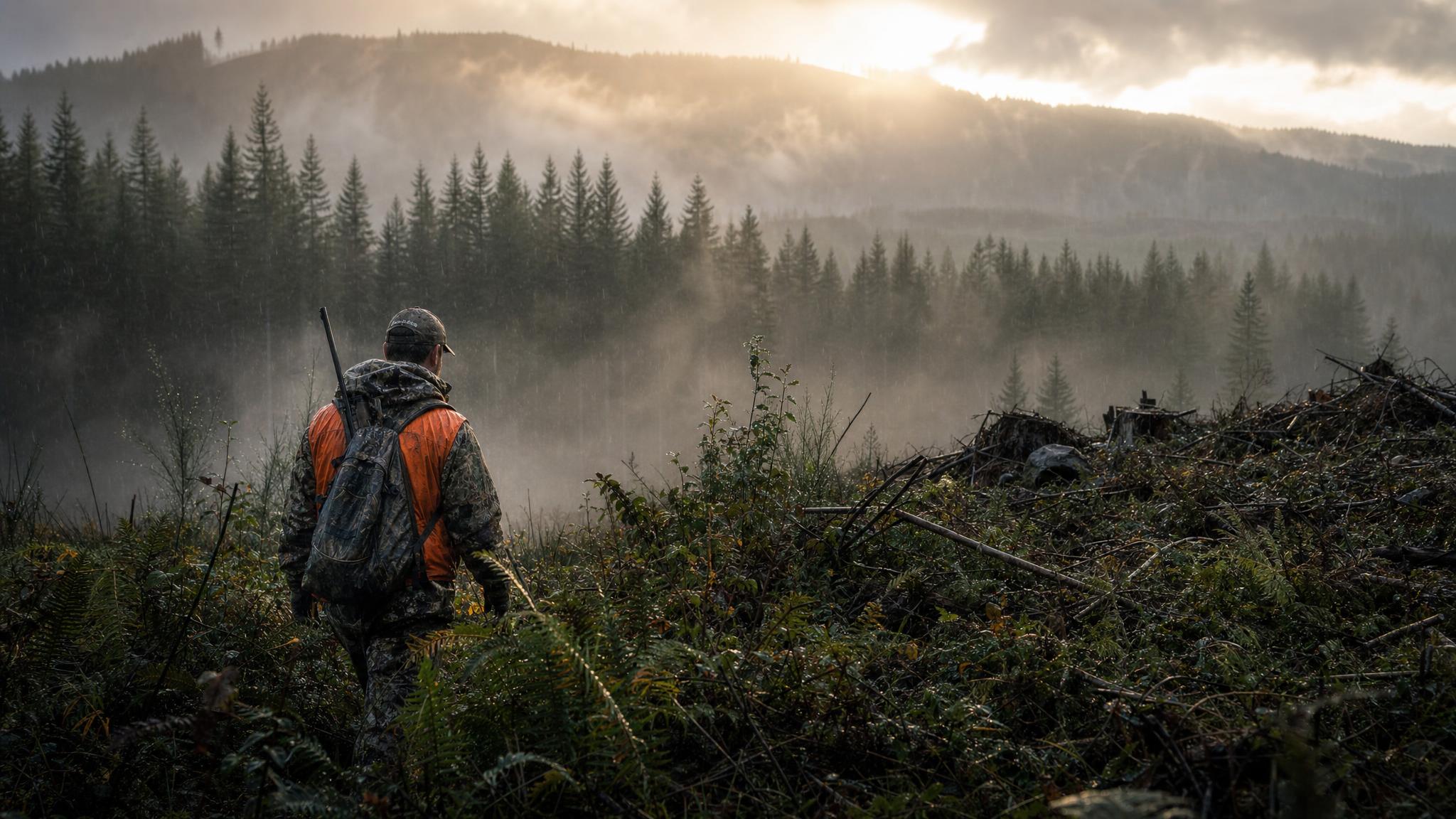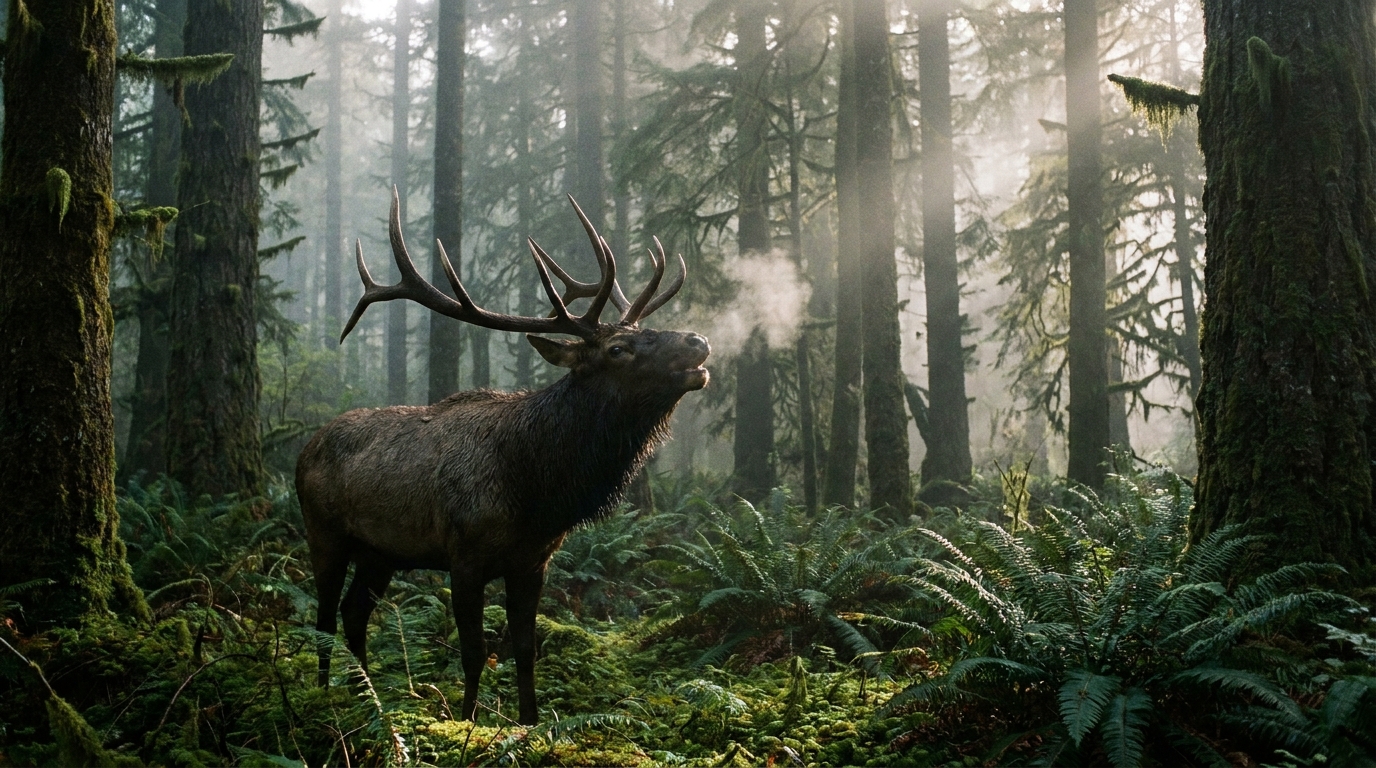
If you've chased Rocky Mountain elk across the high desert of eastern Oregon, hunting Roosevelt elk in the Coast Range will feel like a different sport entirely. The terrain is steeper and more tangled, the timber is dark and dense, visibility shrinks to yards instead of miles, and the rain is relentless. It's also some of the most rewarding elk hunting in the Pacific Northwest — because Roosevelt elk are massive, the country is wild, and most hunters never figure it out.
Roosevelt vs. Rocky Mountain Elk
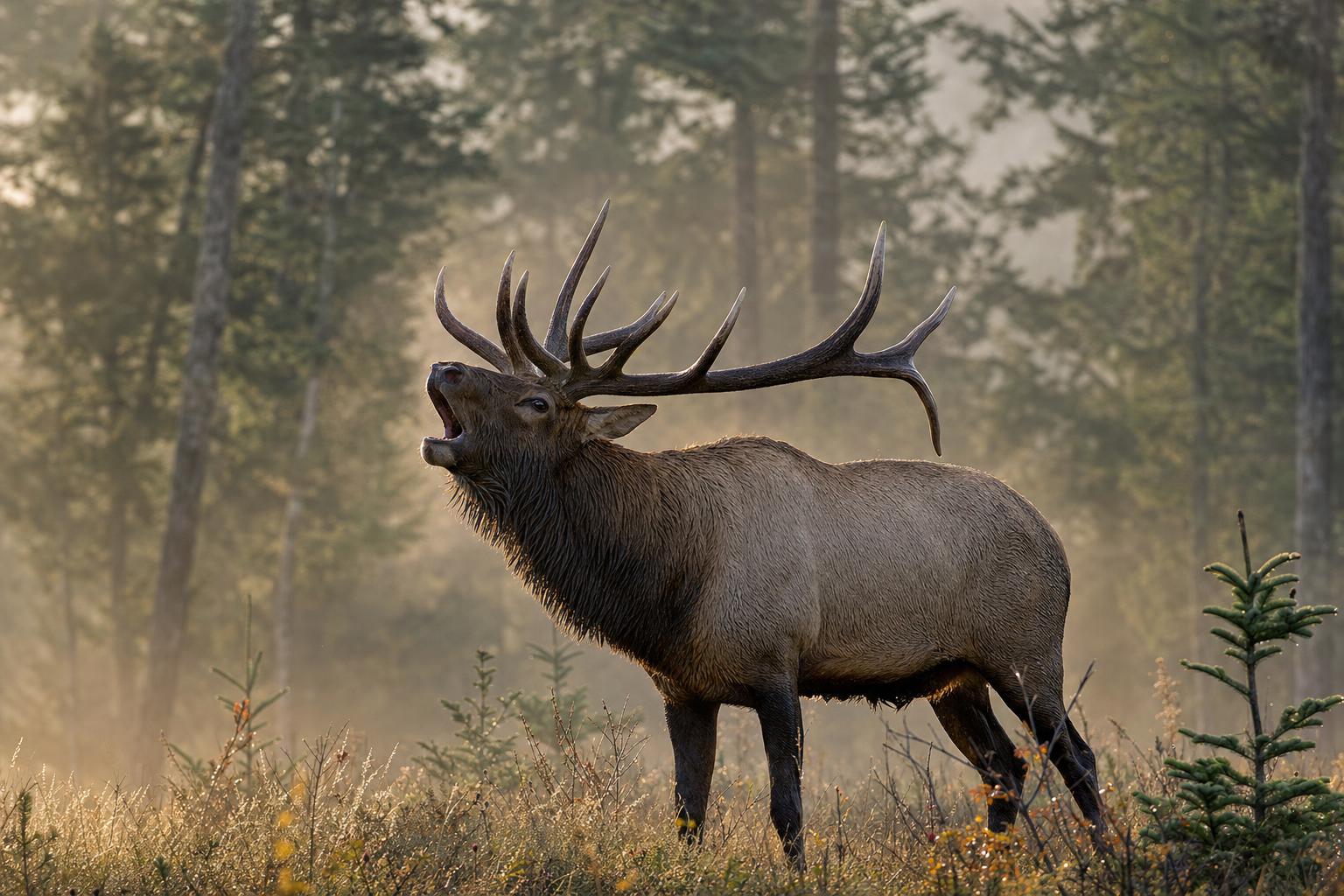
Roosevelt elk (Cervus canadensis roosevelti) are the largest of the six recognized North American elk subspecies. A mature Coast Range bull will commonly weigh 700 to 900 pounds on the hoof, with exceptional animals pushing past 1,000. Antler mass is impressive but scores lower on typical Boone and Crockett scales than Rocky Mountain bulls because tines tend to be shorter and crown formations less symmetrical. None of that matters when one walks out at 40 yards in a clearcut.
Key Oregon Units
The Oregon Department of Fish and Wildlife divides Coast Range elk hunting into a series of western Oregon units. The most productive for Roosevelt elk include:
- North Coast Unit: Clatsop and Tillamook county drainages. Excellent elk densities on the Clatsop State Forest and Tillamook State Forest timber base.
- Alsea Unit: Benton and Lincoln counties. Mix of private timber and BLM ground. One of the most accessible units from the Willamette Valley.
- Siuslaw Unit: Lane and Lincoln county west slopes. Strong populations along the Siuslaw River drainages and Siuslaw National Forest ground.
- Tioga Unit: Coos and Douglas counties, coast drainages. Good populations on BLM and private timber with some public access agreements.
- Rogue Unit: Southern Curry and Josephine county coast drainages. Smaller population but less hunting pressure in the backcountry.
Drawing Odds and Tag Strategy
Most Coast Range units have both controlled (limited entry) and general season tag structures. General season archery tags are available over the counter for the September season in most units — this is the best entry point for a new hunter targeting Roosevelt elk. General any-legal-weapon tags have moderate draw odds in most units, typically in the 50–85% range, though unit-specific demand varies considerably.
For controlled tags with the highest trophy potential, focus on units like the Alsea or Siuslaw where bulls receive less pressure. Apply your preference points strategically; a few years of accumulation can secure a controlled hunt in a premier unit.
Finding Elk in the Timber
The biggest mistake western Oregon hunters make is hunting like they're in Idaho. You will not glass a meadow from a ridge and spot a herd of elk at 800 yards. The game here is different.
Look for edge habitat: the transition zones where mature timber meets clearcuts, brush fields, and regenerating logged areas. Elk feed heavily in clearcuts and recent burn areas, especially during early morning and evening. They bed in the adjacent dense timber during midday.
Road hunting has long been a Coast Range tradition — logging roads give access and allow hunters to cover ground — but walking into clearcuts and glassing short distances in early morning or late evening is far more effective for finding mature bulls.
Wet-Weather Hunting Tactics
The Coast Range gets 80 to 120 inches of precipitation annually. If you wait for a dry day during the October or November seasons, you may wait all month. Embrace the rain and use it to your advantage:
- Silence in wet conditions: Rain-softened duff and wet leaves mean you can move quietly through timber. Use this to stalk within bow or close rifle range.
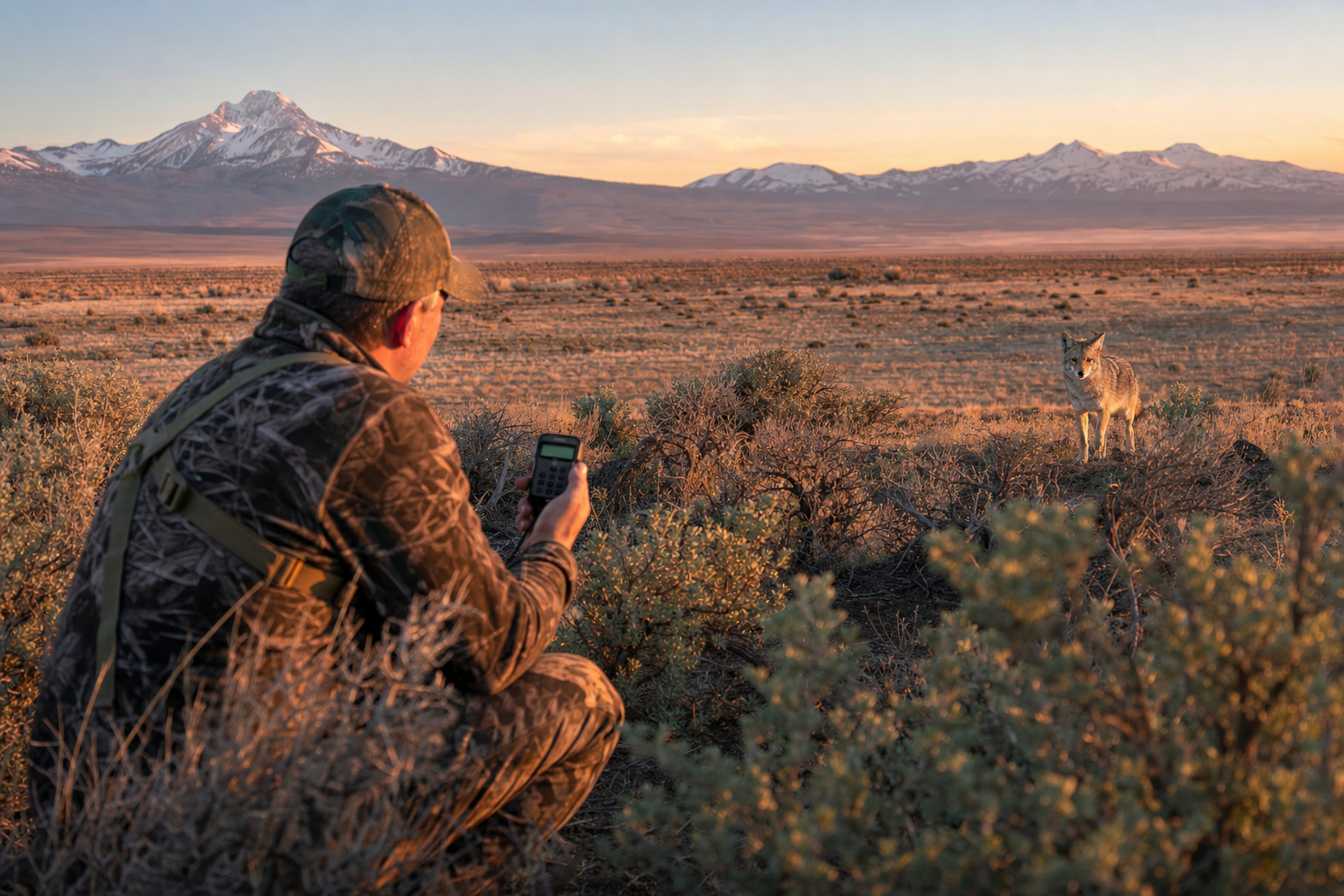
- Bugling in September: Bulls are responsive to calling during the archery rut. Cow calls and light raking on saplings can pull a bull through the trees into shooting range.
- Foggy mornings: Dense fog concentrates elk in clearcuts where they feel more exposed to aerial predators. Get to the clearcut edge before first light.
- Post-rain midday: Elk often feed briefly during breaks in the rain. Mid-morning patrols of clearcut edges can pay off when most hunters are back at camp.
Gear for Coast Range Conditions
Waterproof everything — boots, jacket, pants, pack. GORE-TEX-lined boots are not optional; they're survival gear. Your rifle or bow should be protected from constant moisture. Stainless steel or cerakoted actions and synthetic stocks hold up far better than blued steel and wood in the wet timber. Pack extra dry layers and prioritize wool base layers that retain warmth when wet.
A good pair of compact binoculars (8x32 or 10x32) is more practical than a spotting scope in this country. You'll rarely get a shot over 200 yards, and more often under 100.
Roosevelt elk hunting demands patience, physical conditioning, and comfort with miserable weather. The reward is an animal that will fill your freezer for a year and leave you standing in the ferns wondering how anything can be that big.