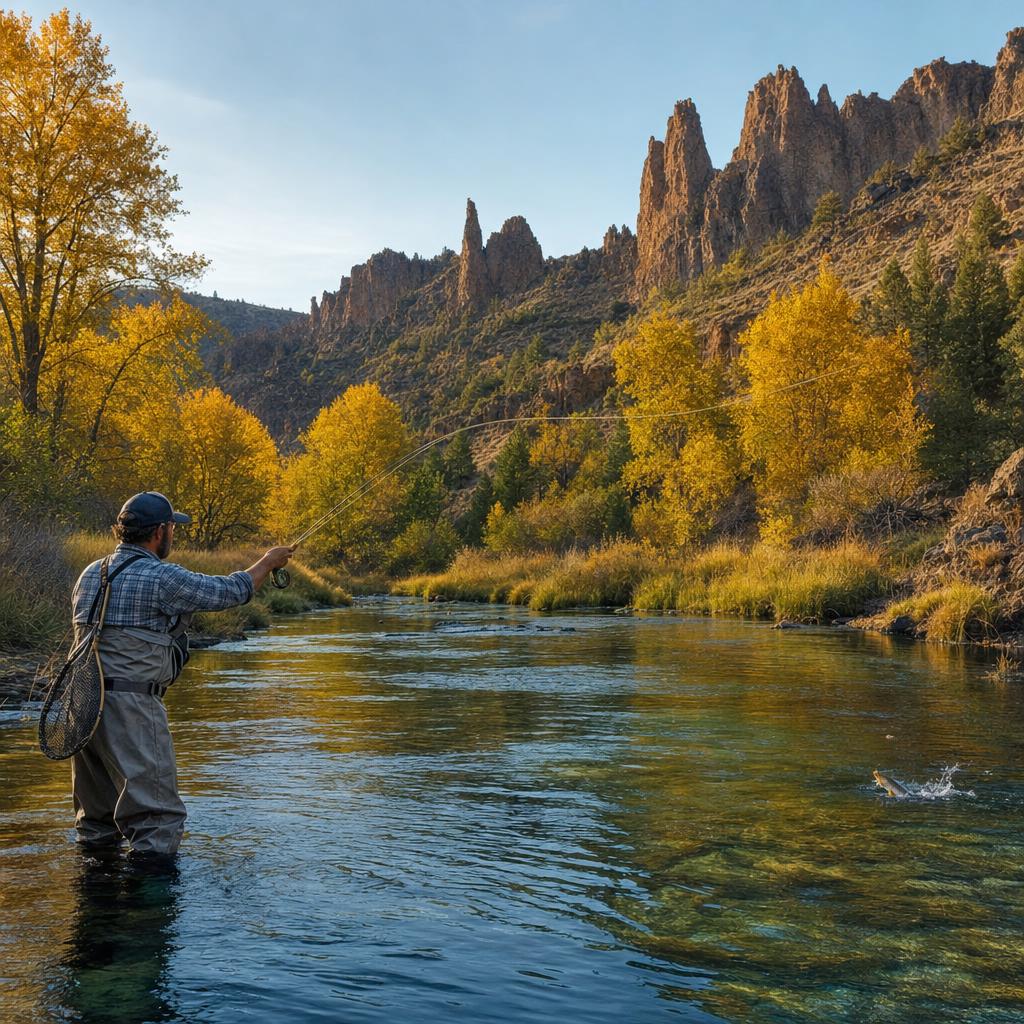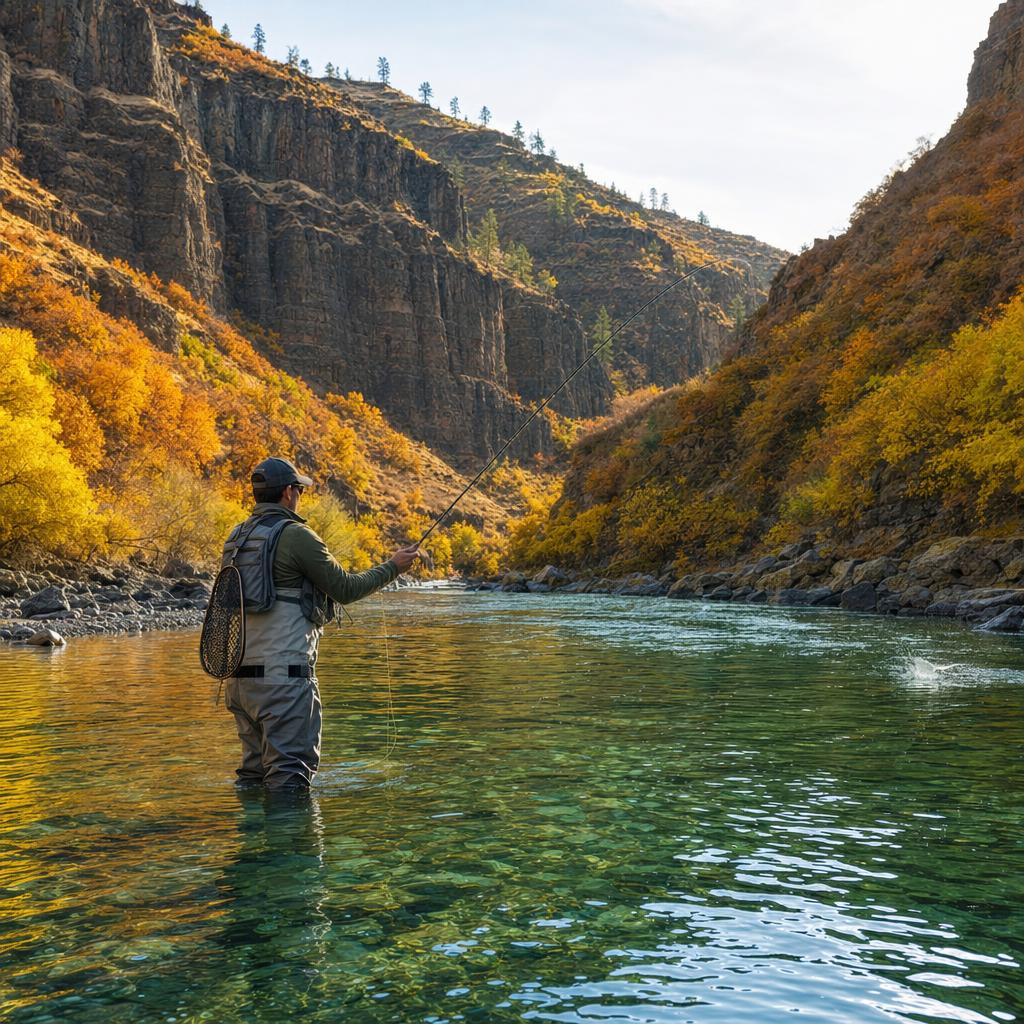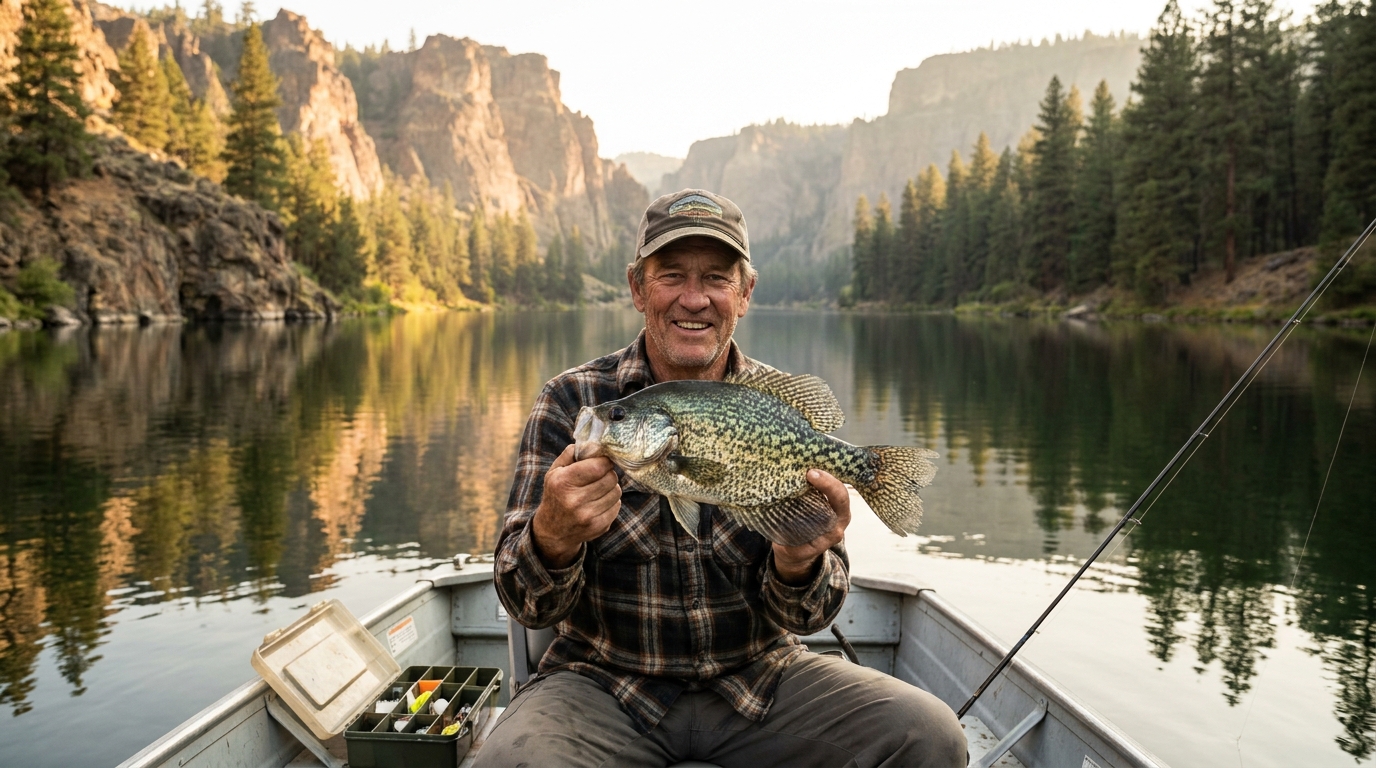
Tucked into the high desert of central Oregon where the Deschutes, Metolius, and Crooked Rivers converge, Lake Billy Chinook is best known for its trophy smallmouth bass and kokanee salmon. But there's a sleeper fishery hiding in its brushy coves and submerged structure that savvy locals have been quietly exploiting for years: black crappie. Big ones. The kind that pull hard and eat even harder.
Why Lake Billy Chinook Produces Quality Crappie
The reservoir's deep, clear water and dramatic canyon structure create layered thermal zones that crappie exploit throughout the year. The submerged timber and rock piles along the canyon walls give crappie plenty of ambush cover, while the healthy population of threadfin shad and juvenile perch keeps them well-fed and growing fast. Fish pushing 13 to 15 inches are not uncommon, and a few true slabs in the 2-pound range are caught every season.
The Cove Palisades State Park marina provides a convenient launch point, and rental boats are available if you're coming from out of town. The three arms of the lake — Deschutes, Metolius, and Crooked River arms — each fish a little differently, and understanding those differences is key to putting fish in the boat consistently.
Best Time to Target Crappie at Billy Chinook
Spring is prime time. As water temperatures climb through the 55°F to 65°F range — typically mid-April through early June — crappie move shallow to spawn. You'll find them stacked in the backs of coves, around submerged brush piles, and along rocky points where the bottom transitions from gravel to sand. This is when numbers are highest and fish are most aggressive.
Summer fishing shifts to deeper structure as crappie follow the thermocline down. Work the 20- to 35-foot range during the heat of the day, targeting the edges of submerged rock shelves and timber. Early morning and evening bites push fish shallower.
Fall offers another excellent bite window as cooling water pulls crappie back toward mid-depths and the fish are feeding heavily to build fat reserves for winter.
Top Techniques
Dock and Cover Fishing
The marina docks and any floating structure are crappie magnets during the spawn and again in fall. Work small tube jigs or curly-tail grubs on 1/16 oz jig heads tight to the pilings. Use a long rod — 10 to 12 feet of light spinning gear — to reach back under overhangs without spooking fish.
Vertical Jigging
Once fish go deep in summer, vertical jigging over marked schools on your electronics is the most efficient approach. Drop a 2-inch paddle tail swimbait or a tube jig straight down to the school and work it with subtle hops. Crappie will hit on the fall more often than not.
Live Minnows
Nothing out-fishes a live minnow when crappie are staged on structure. Rig a small 2- to 3-inch fathead or shiner under a slip float set to just above the fish depth. The subtle action of a live minnow is often the difference on tough days when jigs get ignored.
Gear Recommendations
- Rod: 6.5- to 7-foot ultralight or light spinning rod with a fast tip — sensitive enough to feel the soft crappie bite
- Reel: 1000 or 2000-size spinning reel spooled with 6-pound monofilament or 10-pound braid with a 6-pound fluorocarbon leader
- Jigs: 1/16 oz and 1/32 oz jig heads in white, chartreuse, pink, and black/chartreuse — 2-inch tube bodies or curly-tail grubs
- Swimbaits: 2-inch paddle-tail swimbaits in shad colors for deeper jigging
- Terminal: Size 8 or 6 Aberdeen hooks for live minnow rigs
Regulations and Access
Lake Billy Chinook is managed by the Confederated Tribes of Warm Springs, and a tribal recreation permit is required in addition to your Oregon fishing license for some portions of the lake. Check current ODFW and Warm Springs Tribe regulations before your trip — permit requirements and boundary lines can change. The Cove Palisades State Park boat ramps are well-maintained and handle everything from kayaks to larger bass boats.
There is no daily bag limit on crappie in Oregon (as of 2026), but practice selective harvest — keep what you'll eat and release the big females during the spawn to protect the fishery for future seasons.
Final Word
Lake Billy Chinook crappie fishing is one of those open secrets in central Oregon — locals know about it, but it rarely gets the attention it deserves compared to the kokanee and bass fisheries. If you're already making a trip to the reservoir, rig up a light spinning rod and work the coves and structure. You might just find your new favorite warm-water bite.