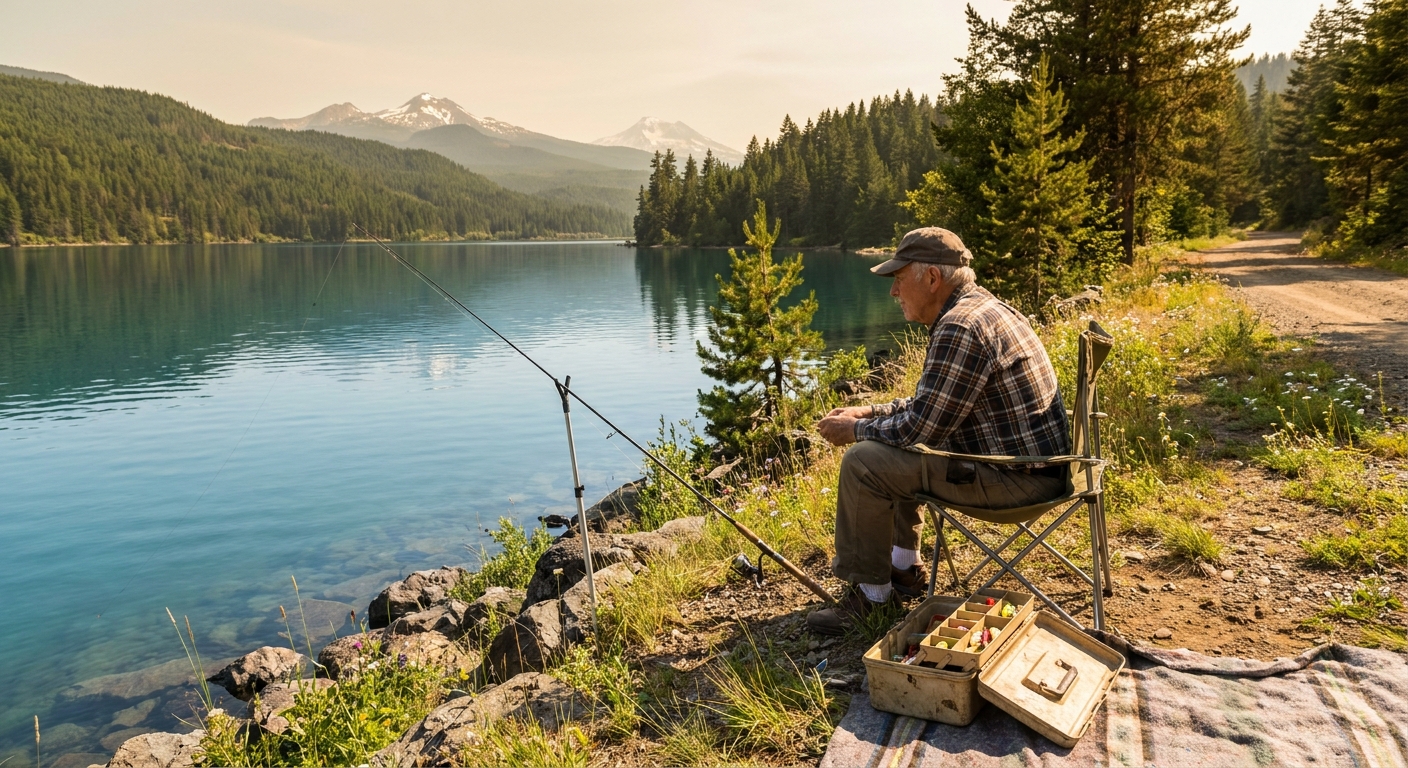
Detroit Lake sits at 1,570 feet in the Western Cascades along Highway 22, about 50 miles east of Salem. It's a reservoir — built on the North Santiam River — and it's one of ODFW's most heavily stocked lakes in the state. Every spring and summer, the agency dumps hundreds of thousands of legal-size rainbow trout into the system, and if you know where to stand and what to tie on, bank fishing here is as productive as anything you'll do with a boat.
When to Go
The sweet spot for bank trout fishing at Detroit is May through July. Water temps are cool, fish are actively feeding, and the stocking trucks make regular runs. By mid-August the upper thermocline warms and trout push deeper — that's when boat anglers with downriggers have a real edge. But in late May and June? The banks are as good as it gets.
Fish early. The 5–8 AM window on calm mornings produces consistently. Trout feed aggressively before the lake surface heats and the recreational boat traffic picks up. On cloudy, overcast days the bite can hold through midday.
Best Bank Access Spots
Detroit Lake State Recreation Area is the obvious entry point — there's a boat ramp, parking, and decent bank access along the campground shoreline. But don't overlook these less-pressured spots:
- Cove Creek Campground: On the south arm of the lake off Blowout Road. Sheltered cove structure concentrates fish, and it's far enough from the main marina to see lighter pressure.
- Mongold Day Use Area: Good flat bank sections east of the main campground. Families fish here heavily on weekends but it holds fish reliably.
- The North Santiam Inlet: Where the river enters the reservoir at the east end. Current breaks and oxygenated water pull fish in, especially earlier in the season when runoff is still moderate.
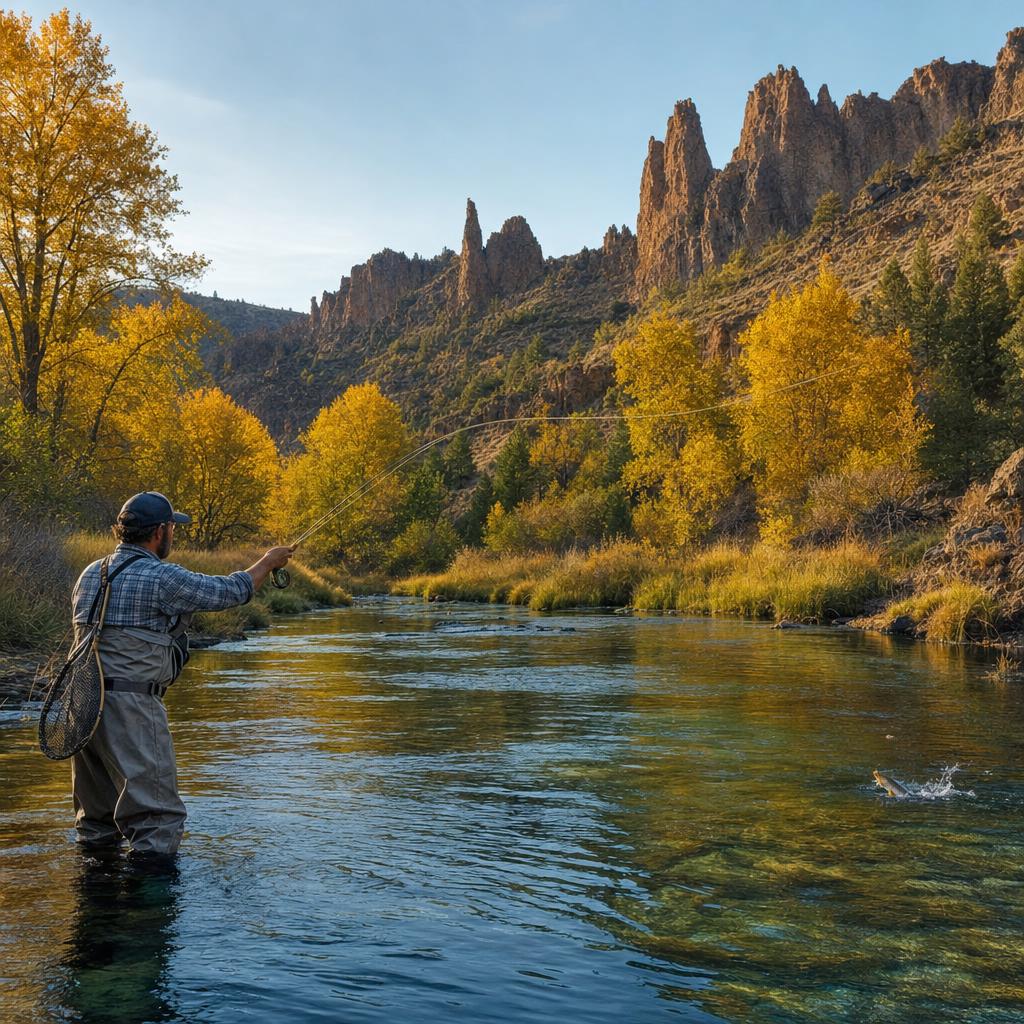
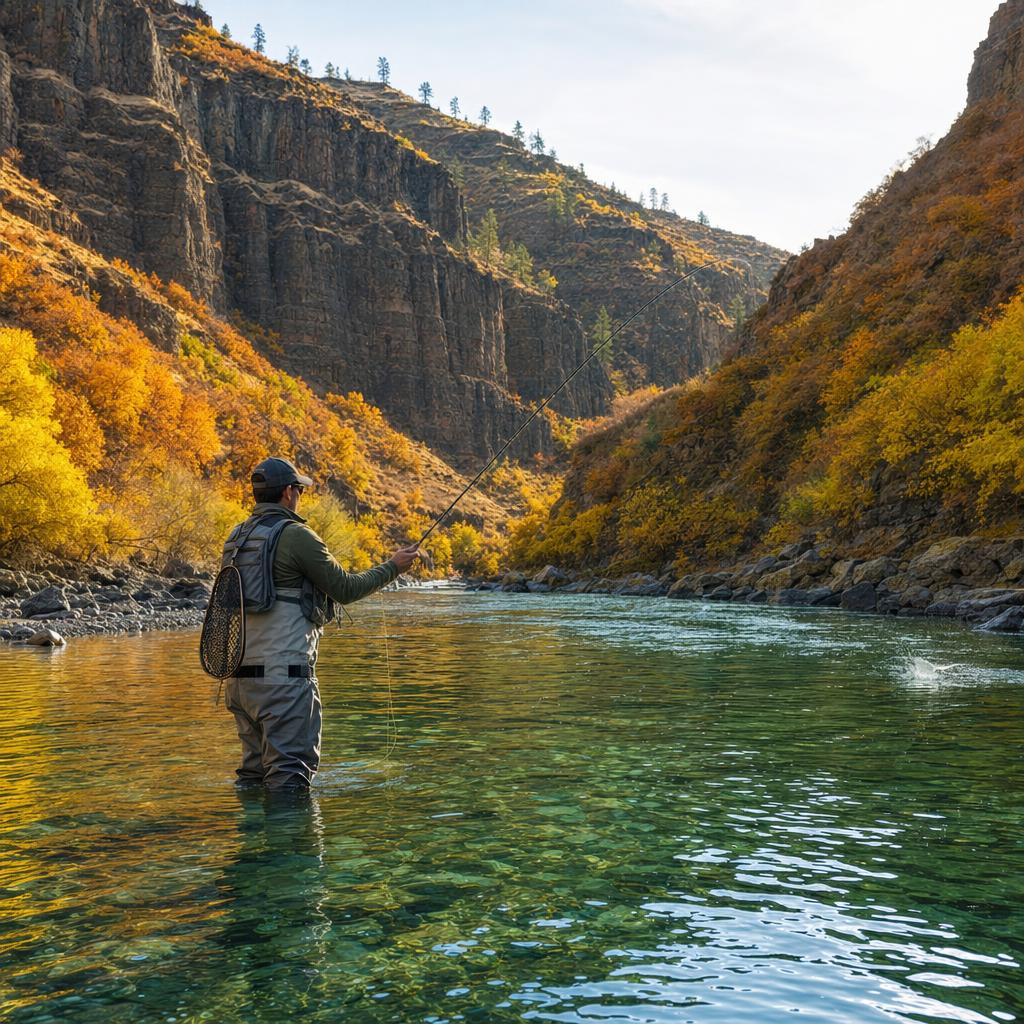
- Below the Dam (tailwater): Don't forget the North Santiam River below Detroit Dam. This stretch is a quality trout fishery in its own right — wild and stocked fish both, in a beautiful canyon setting.
Gear Setup for Bank Fishing
You don't need heavy gear. A light to medium spinning rod in the 6–7 foot range, paired with 4–6 lb monofilament or 6 lb fluorocarbon, is the standard setup. Match it to a size 2500 reel and you're set for everything the lake will throw at you.
For terminal tackle, a simple slip sinker rig or fixed bobber is all you need most of the time:
- Slip sinker rig: Thread a 1/4 oz egg sinker onto your main line, then tie on a barrel swivel. Add an 18–24" fluorocarbon leader and a size 10–12 bait hook. This setup keeps bait near the bottom where fish cruise.
- Bobber rig: Set depth at 4–6 feet for trout sitting in the mid-column. Use a smaller hook (size 14) with a single power egg or half a nightcrawler.
Best Baits
Stocked rainbows at Detroit are conditioned to pellets, which is why Powerbait dominates the bait fishing scene. Chartreuse and rainbow colors produce the most, fished on a size 10 treble hook with enough bait to float it just off the bottom. But natural baits hold their own too:
- Nightcrawlers: Always a reliable producer, especially near the inlet areas where fish are keyed on natural food.
- Berkley PowerBait Power Eggs: Chartreuse, peach, and fluorescent orange work best. Size matters — don't glob too much on the hook.
- Corn: Old-school but it works. Two or three kernels on a size 10 hook near the bottom catches fish.
- Spinners: Rooster Tails and Panther Martins in 1/16 to 1/8 oz sizes are excellent for working the bank by walking and casting. Silver and yellow in clear water, orange and black on overcast days.
Regulations to Know
Detroit Lake falls under statewide general regulations for most of the season. Check the current ODFW Oregon Sport Fishing Regulations before you go — the North Santiam tributaries above the lake have separate rules and some sections are fly-only or have special closures. Your combined angling tag covers trout here, and the daily limit is typically five trout with a minimum length of 8 inches. Confirm current regs at myodfw.com.
Final Tips
Park early on summer weekends — the state park fills fast and day-use lots close when capacity is hit. Bring a rod holder or bank stick so you can fish multiple rods while you wait. And don't overlook the evening bite after the pleasure boats clear off. The hour before dark in early summer can be exceptional, especially if there's a caddis or midge hatch coming off the surface. That's when the fish remember they're trout, and the dry fly guys start to smile.