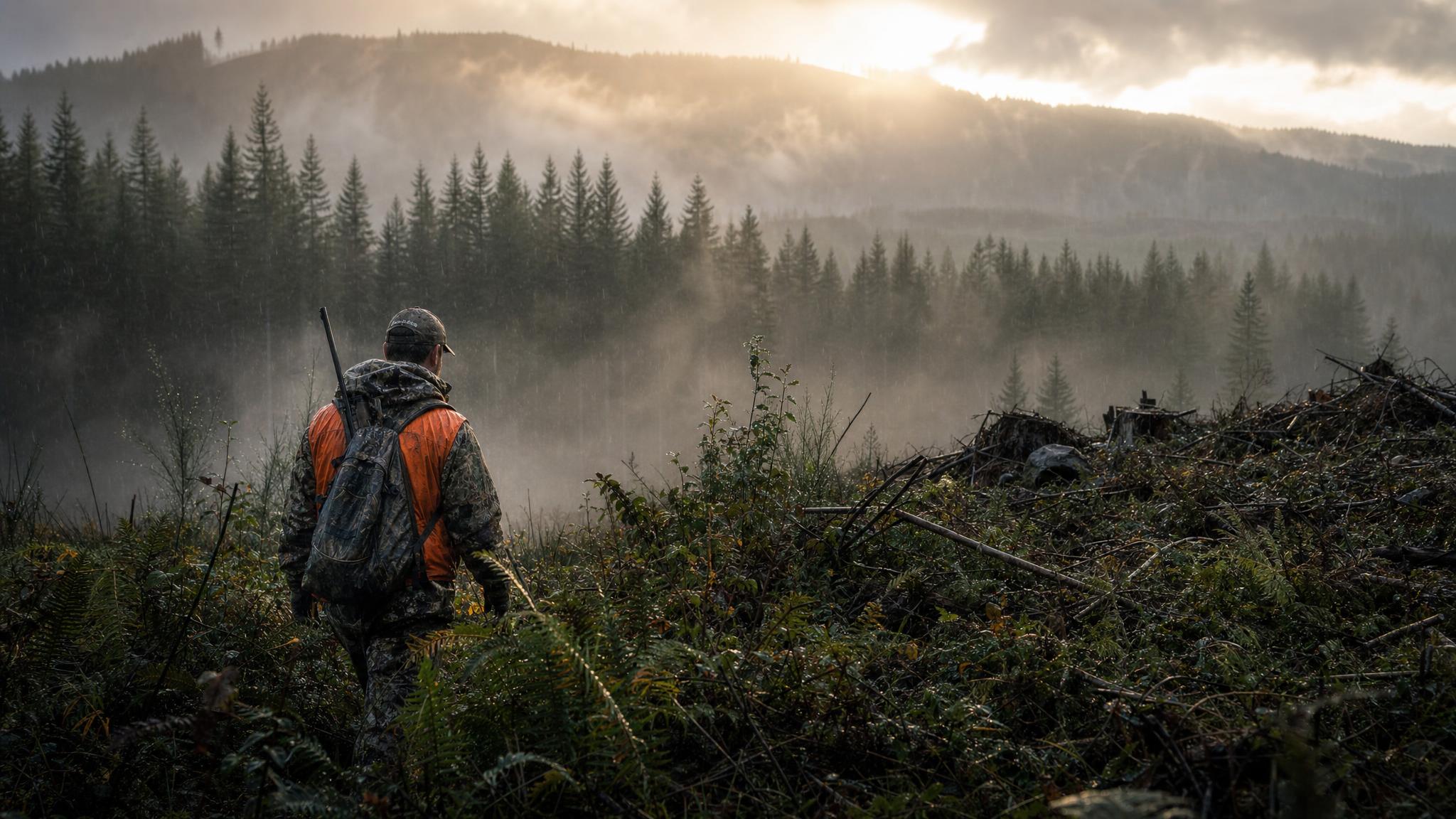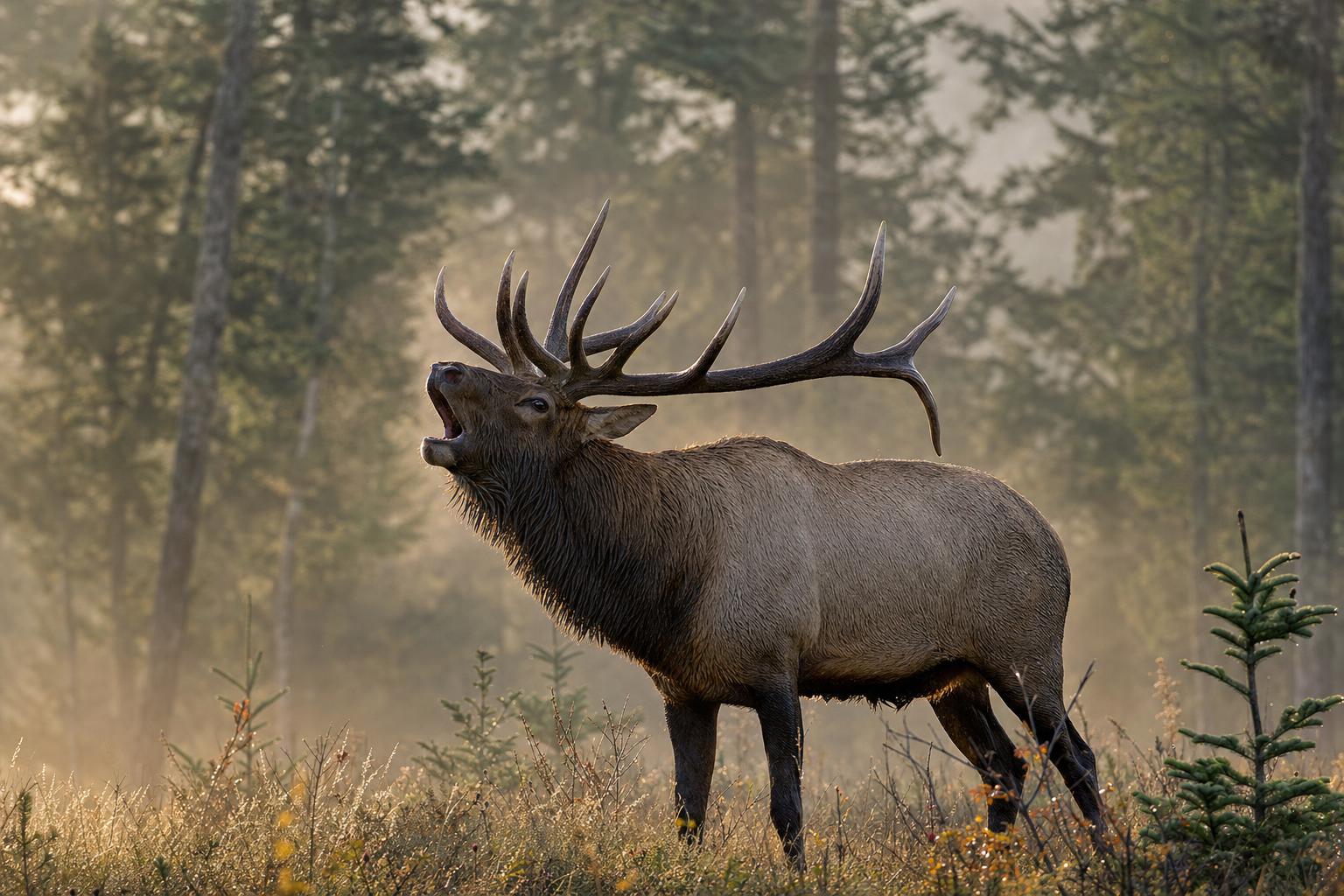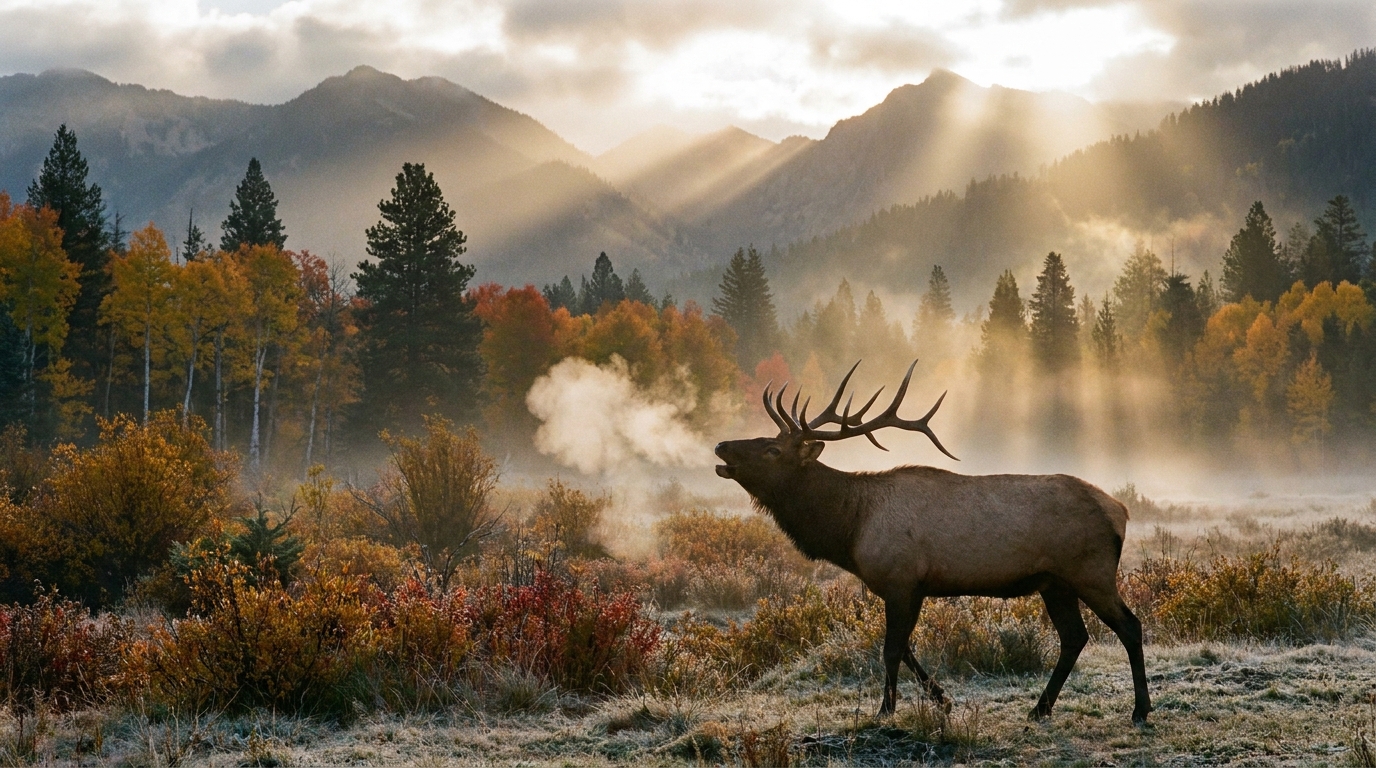
The Chesnimnus Unit — Unit 59 in ODFW's hunt unit system — covers the dramatic canyon country north of the Wallowa Mountains, draining into the Imnaha River and Grande Ronde River systems. It doesn't get the name recognition of the Wenaha or the Minam, but hunters who've punched a Chesnimnus tag and done the work will tell you it's some of the best elk country in the state. September archery hunters willing to go deep and go quiet will find bulls that have never seen consistent hunting pressure.
Understanding the Unit
Chesnimnus is big country. Expect rugged canyons dropping from forested plateaus at 5,000–6,000 feet down to the Imnaha River canyon. Elevation swings of 3,000 feet are common over a few miles of trail. Winters are severe and summer access is limited by private land patchwork — OnX Maps is mandatory here, not optional. Elk use the high country from August through the archery opener, pushing into the canyon bottoms and river drainages as weather and hunting pressure dictates.
Getting Your Tag
Chesnimnus falls under a controlled archery elk tag (Unit 59). Apply through ODFW's draw system; it draws annually at various preference point levels depending on the subunit and whether you're after antlered or antlerless. Check current regulations for application deadlines and hunt dates — the archery season typically runs in September when bulls are fired up and bugling. First-time applicants should stack preference points while learning the country via summer scouting trips.
Scouting Strategy
The best Chesnimnus hunters treat July and August like a second job. Get into the high country via Buckhorn Lookout Road or the Zumwalt Prairie approach to find where bulls are summering. Bugling begins tentatively in late August — use this to locate bulls before the season opens. Mark wallows, rubs, and water sources on your map. The most productive archery setups here are tight to timber-edge meadows at elevation, where bulls feed in low light and retreat to dark timber as the sun breaks the canyon rim.
Calling Tactics for Chesnimnus Bulls
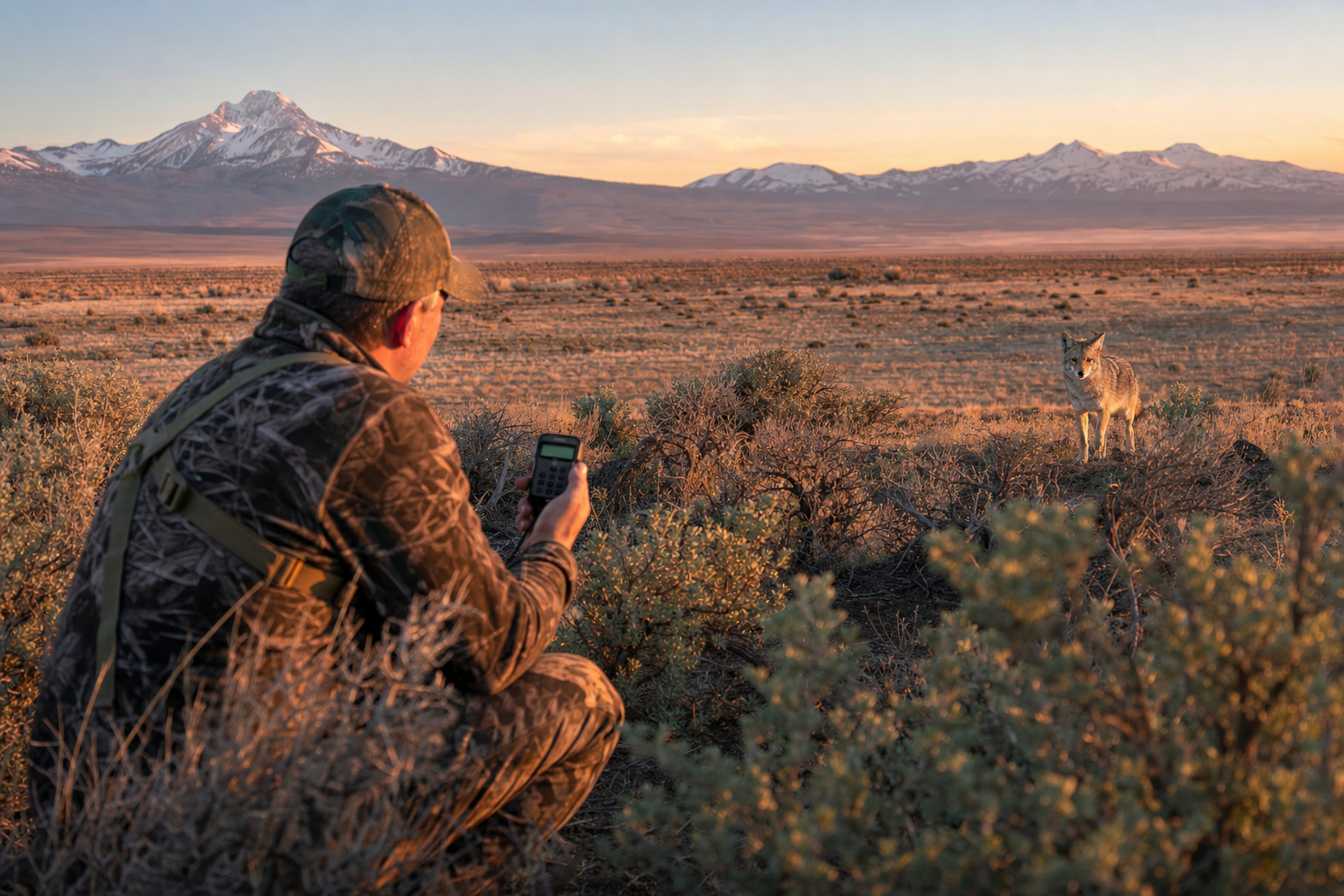
September in the Chesnimnus is electric when the rut kicks into gear. These bulls haven't been educated by caller after caller the way units closer to the Valley have. A cow call sequence — light mews, estrus chirps — often brings bulls in at a jog in the first week of September. Save the aggressive bugling for when you've already located a bull and need to fire him up or stop him. Overcalling with a bugle in a quiet canyon can pull satellite bulls but push a herd bull back into his cows.
The Setup
- Position your caller 30–40 yards behind the shooter
- Shooter stays downwind and picks a shooting lane in the bull's likely approach path
- Work the wind obsessively — canyon drainages have swirling thermal shifts at dawn and dusk
- Have an arrow nocked from the moment you start calling
Physical Demands and Preparation
Don't underestimate this hunt. If you kill a bull in the Chesnimnus backcountry, you will pack meat. Plan for multiple miles over rough terrain. Fitness is part of your gear list. Start a ruck training program no later than June — 35-pound pack, 5 miles vertical gain minimum, weekly. Pack-out trips from deep Chesnimnus drainages have been known to take three to four days for a solo hunter. Go with a partner, or hire an outfitter who knows the country.
Camp and Access
Access the upper unit via the Zumwalt Prairie from Enterprise, or via Imnaha on the south side. Forest Service roads provide vehicle access to the higher plateaus — verify road conditions through the Wallowa-Whitman National Forest office in Enterprise before your trip. Water is available from springs throughout the high country. Filter everything in elk country, especially near wallows.
Chesnimnus isn't a unit for a first-time elk hunter going it alone. But if you've done your homework, you're physically ready, and you can read elk behavior in timber country, it's one of Oregon's great archery opportunities. Tags over the counter won't last forever — get in while the getting's good.