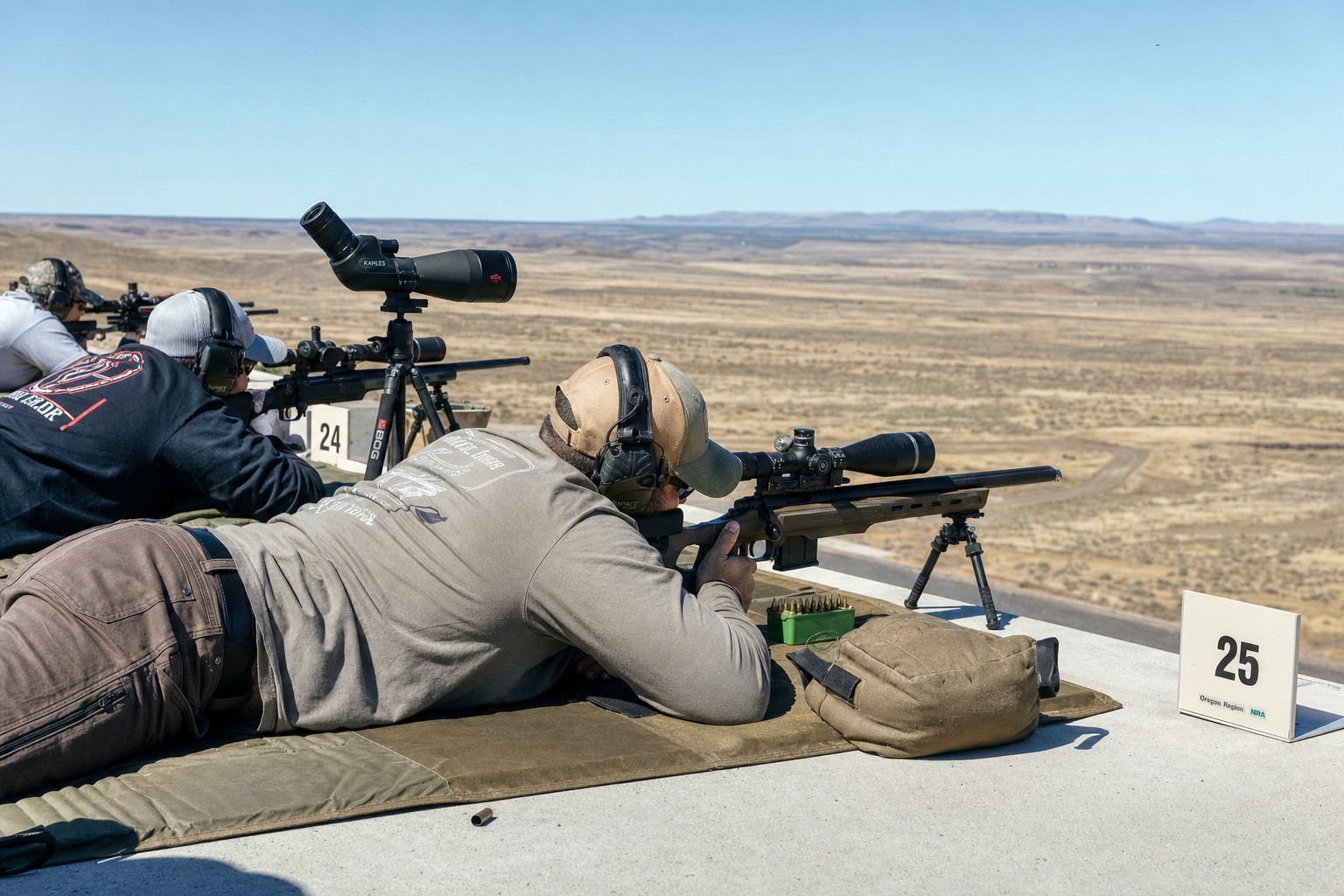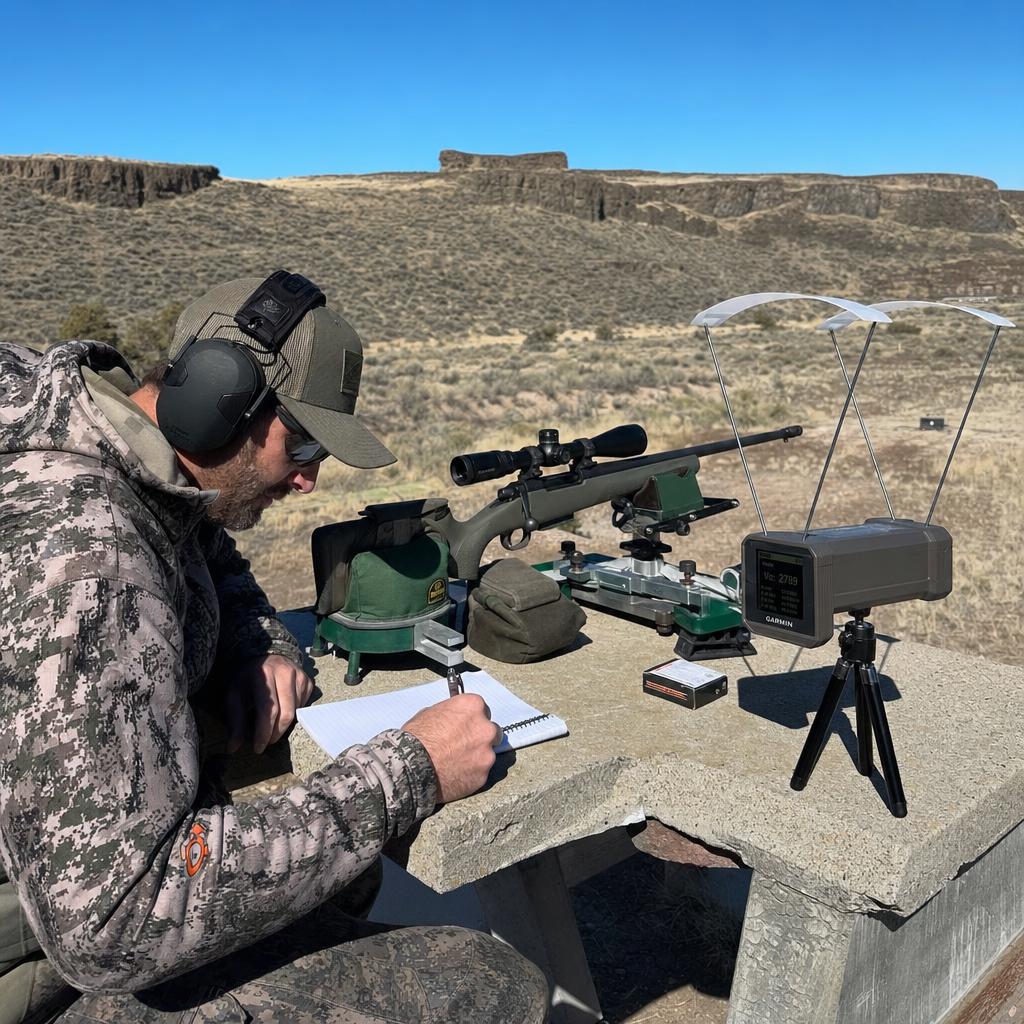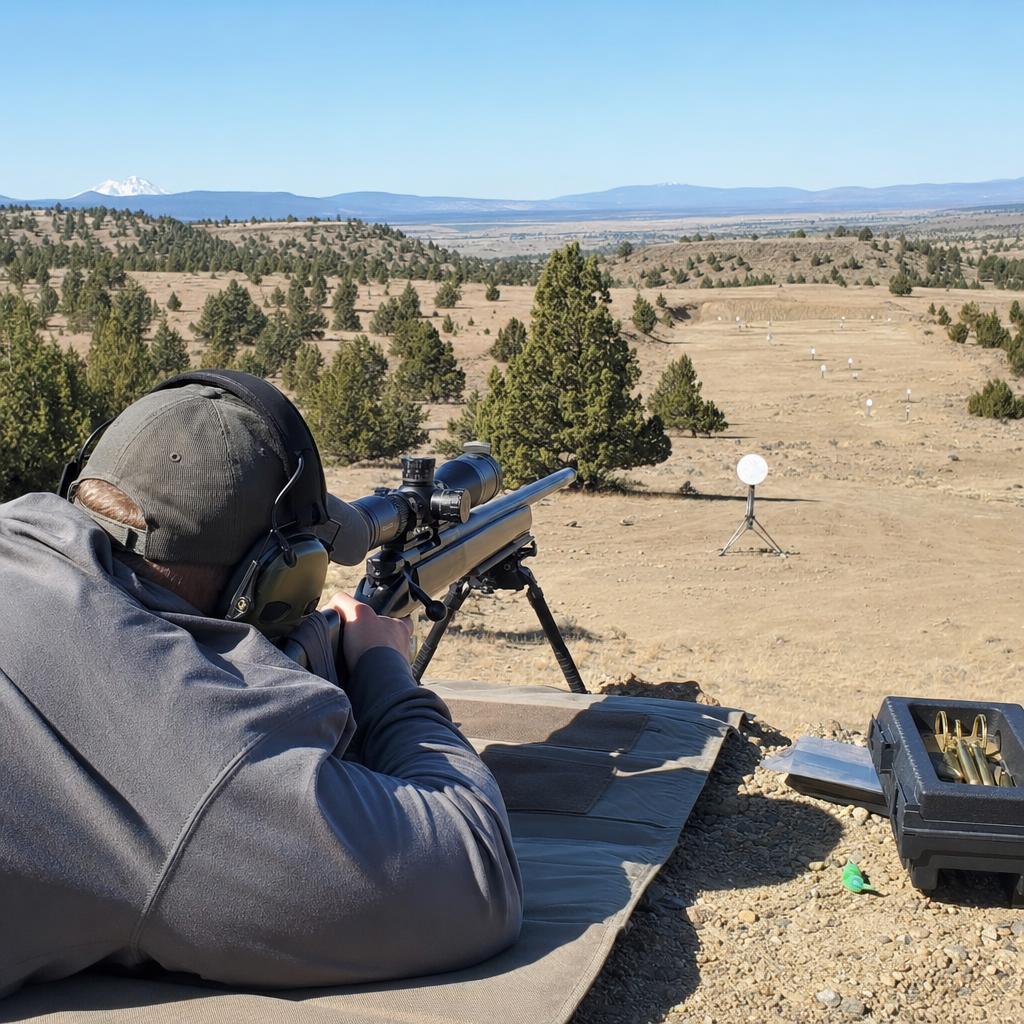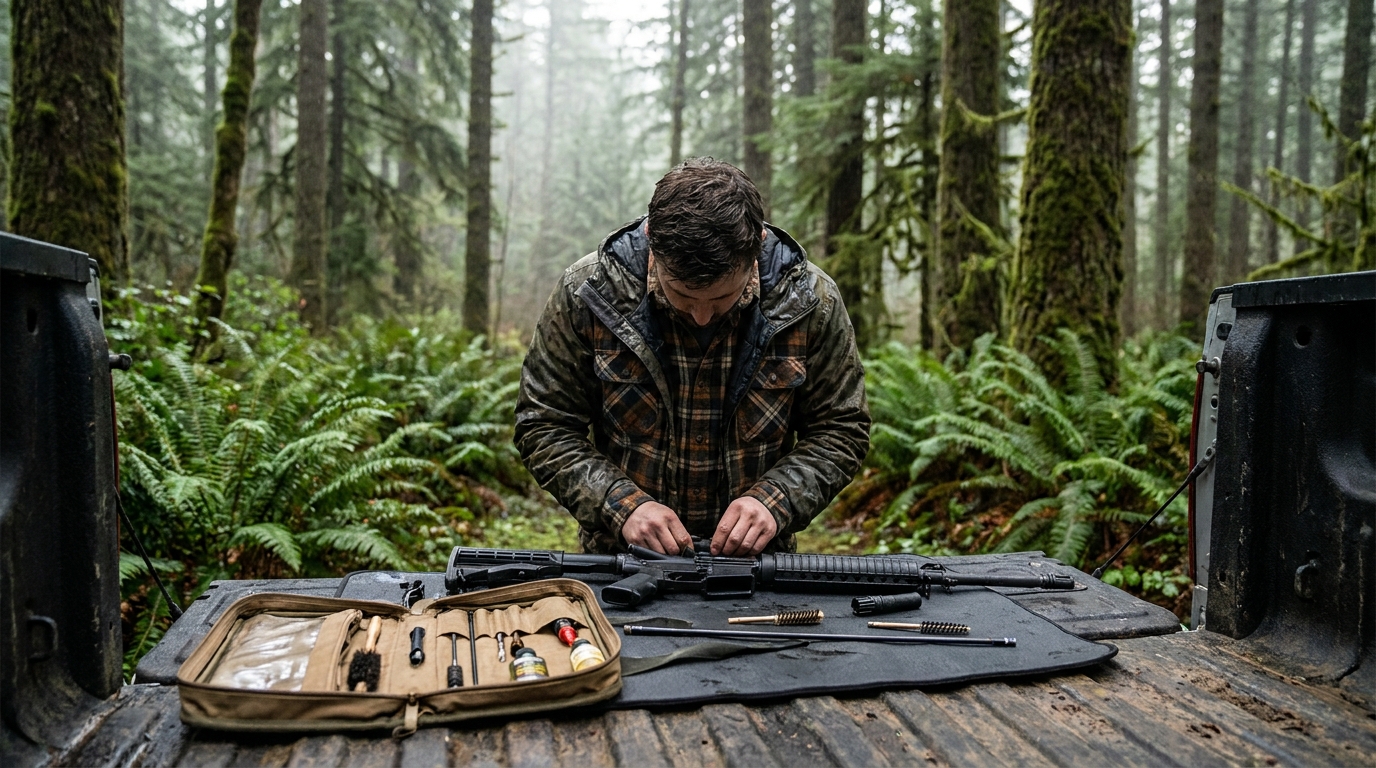
Oregon splits into two distinct worlds at the Cascades. West of the divide, you're dealing with persistent moisture, coastal humidity, and mud that seems to materialize from nowhere. East of it, the high desert throws fine alkali dust, temperature swings from 30°F at dawn to 95°F by afternoon, and the occasional downpour that turns dirt roads to gumbo. Both environments punish a poorly maintained AR-15. The good news: with a solid maintenance routine and the right lubricants, the AR platform handles both environments reliably.
The AR-15's Relationship with Carbon
The direct impingement operating system that defines most AR-15s routes gas directly back into the bolt carrier group. This means carbon accumulates in the bolt carrier key, bolt tail, and firing pin channel with every shot. In a semiauto hunting or competition rifle, this is manageable. In a rifle that sits between hunts or range sessions, that carbon bakes onto surfaces. Regular cleaning of the BCG is the single most important maintenance task for AR reliability.
BCG Cleaning — Step by Step
- Remove the BCG and charging handle from the upper
- Push out the firing pin retainer pin, remove firing pin and cam pin
- Soak bolt and carrier body in Slip 2000 EWL or CLP for 10–15 minutes
- Use a nylon bore brush and bronze bolt scrubber on the bolt face and gas rings
- Clean the inside of the carrier with a chamber brush and cotton patches
- Inspect gas rings for gap alignment — rotate so gaps are not aligned before reassembly
- Lightly lube: one drop on the cam pin, a wipe on the bolt body, light coat on the carrier rails
Wet Weather Maintenance (West of the Cascades)
Moisture is the primary enemy west of the Cascades. Salt air along the coast accelerates rust on unprotected surfaces faster than you'd believe. After any coastal hunt or range session in the rain:
- Wipe the entire exterior with a lightly oiled cloth (Frog Lube Paste or Ballistol work well)
- Pay special attention to the gas tube junction, front sight base, and any machined transitions where water pools
- Store the rifle muzzle-down slightly or with a bore snake run through the barrel to drain any water
- Keep a silicone gun sock or quality case — don't store in a soft case that holds moisture
- Check the buffer tube interior: water and carbon accumulate here and are frequently overlooked
Lubrication in Cold, Wet Conditions
Standard CLP thickens significantly in cold weather. For hunts in the Coast Range or Cascades in cold rain, switch to a lightweight wet-weather lubricant: Slip 2000 EWL, Sentry Solutions TUF-GLIDE, or Lucas Extreme Duty Gun Oil. These remain fluid at low temperatures and don't wash out in rain the way thinner products can.
High Desert Dust Maintenance (East of the Cascades)
Eastern Oregon's fine alkali dust is insidious. It works into the receiver, coats the trigger group, and turns lubricant into an abrasive paste if you're running too much oil. The high-desert shooter's mantra: run dry-er. Not bone dry — that invites wear — but a light, thin coat rather than the heavier application appropriate for wet country.
- Use a dust cover — keep it closed when not in immediate use
- After a dusty range day or hunt: blow out the receiver with compressed air before applying solvent
- Avoid over-lubricating in dusty conditions — excess lube is a magnet for particulate
- Consider a dry-film lubricant like Sentry Solutions TUF-GLIDE or PTFE spray for dusty high-desert use
- Clean the trigger group quarterly or after any visibly dusty session — dust in the trigger group causes gritty, unreliable break
Barrel Care
Chrome-lined barrels — common in mil-spec ARs — are highly corrosion-resistant and more forgiving of infrequent cleaning. Stainless match barrels require more attention but deliver better accuracy potential. Either way:
- Run a bore snake or patches with Bore Tech Eliminator or Hoppe's #9 after each range session
- Let solvent dwell 5–10 minutes before patching out — it dramatically reduces the number of passes needed
- A final dry patch followed by a lightly oiled patch protects the bore in storage
- Check the crown for dings or wear — a damaged crown kills accuracy faster than a dirty bore
Quarterly Deep Clean Checklist
- Disassemble completely to lower parts kit level (pins, trigger, hammer, disconnector)
- Ultrasonic cleaner on BCG and small parts if available — dramatically easier than solvent and elbow grease
- Inspect gas key staking and bolt carrier key for loosening
- Check buffer and buffer spring for corrosion or wear
- Inspect handguard and rail mounting for play — vibration loosens screws over time
- Verify zero after a deep clean — occasionally cleaning will shift point of impact slightly on magnified optics
The Payoff
A well-maintained AR-15 is one of the most reliable centerfire rifles available. The platform's reputation for sensitivity to neglect is earned by rifles that were genuinely neglected — run dry, carbon-caked, and exposed to the elements without care. Ten minutes of attention after every range session and a quarterly deep clean will keep your AR running through Oregon's worst weather, decade after decade.