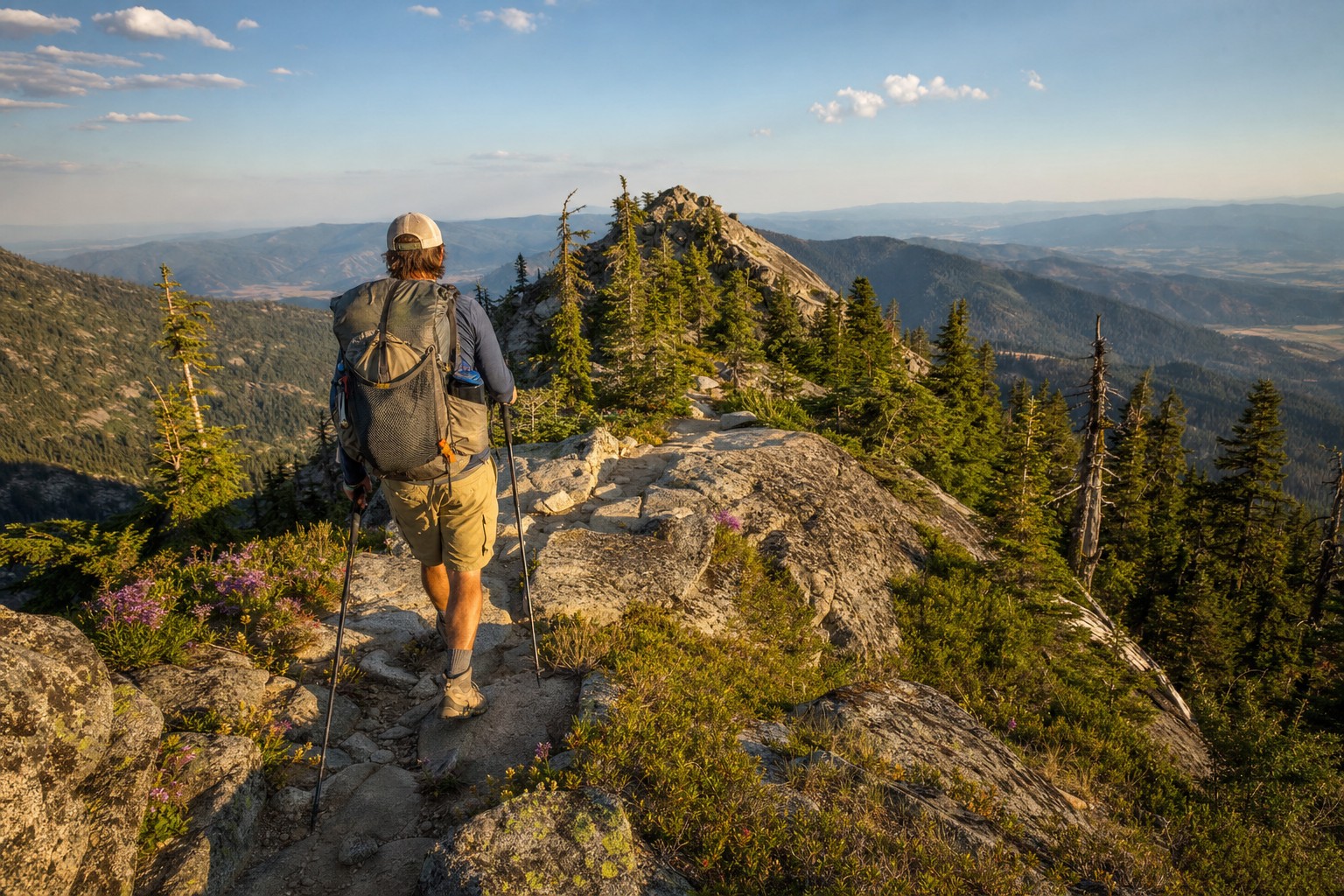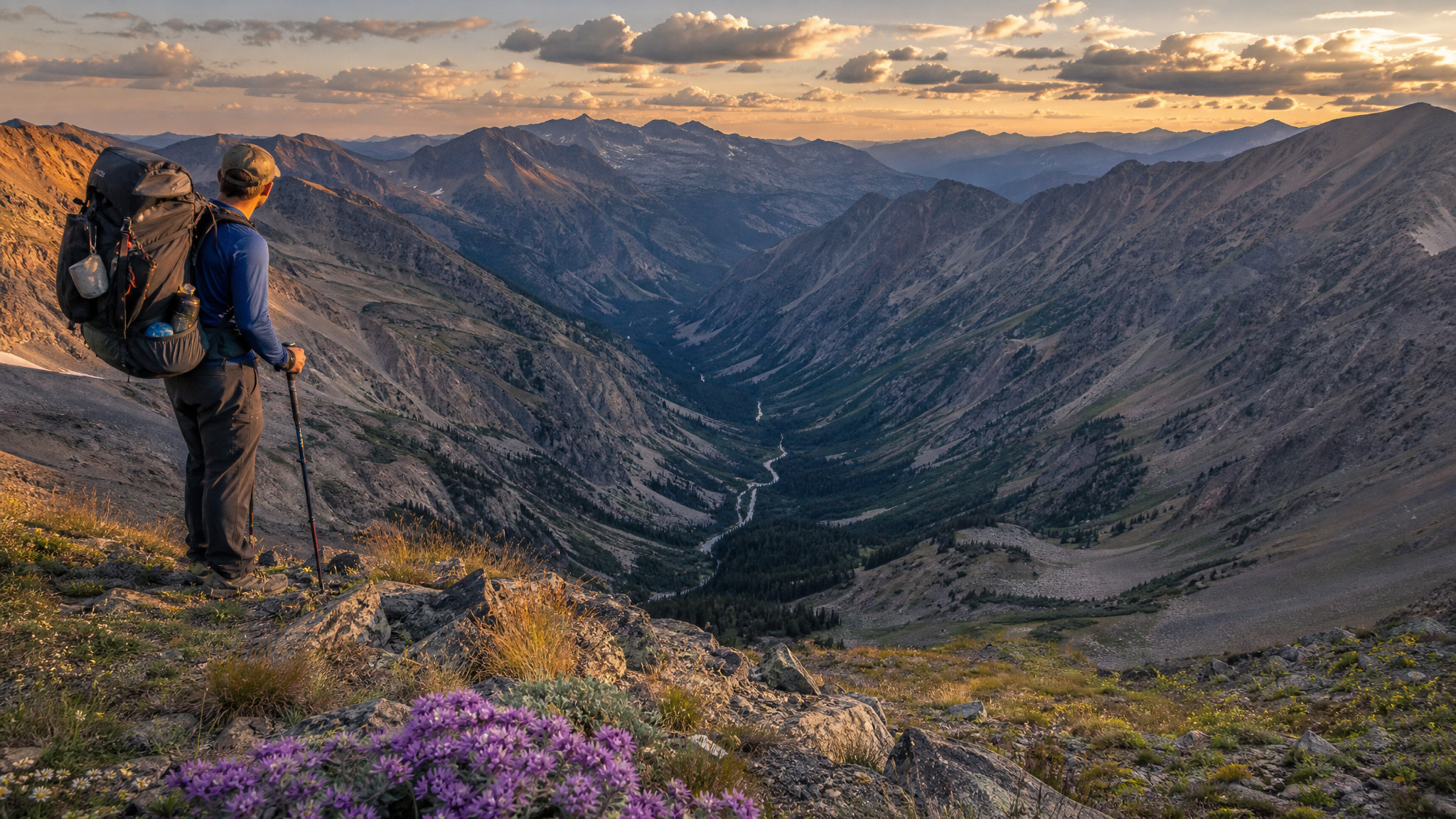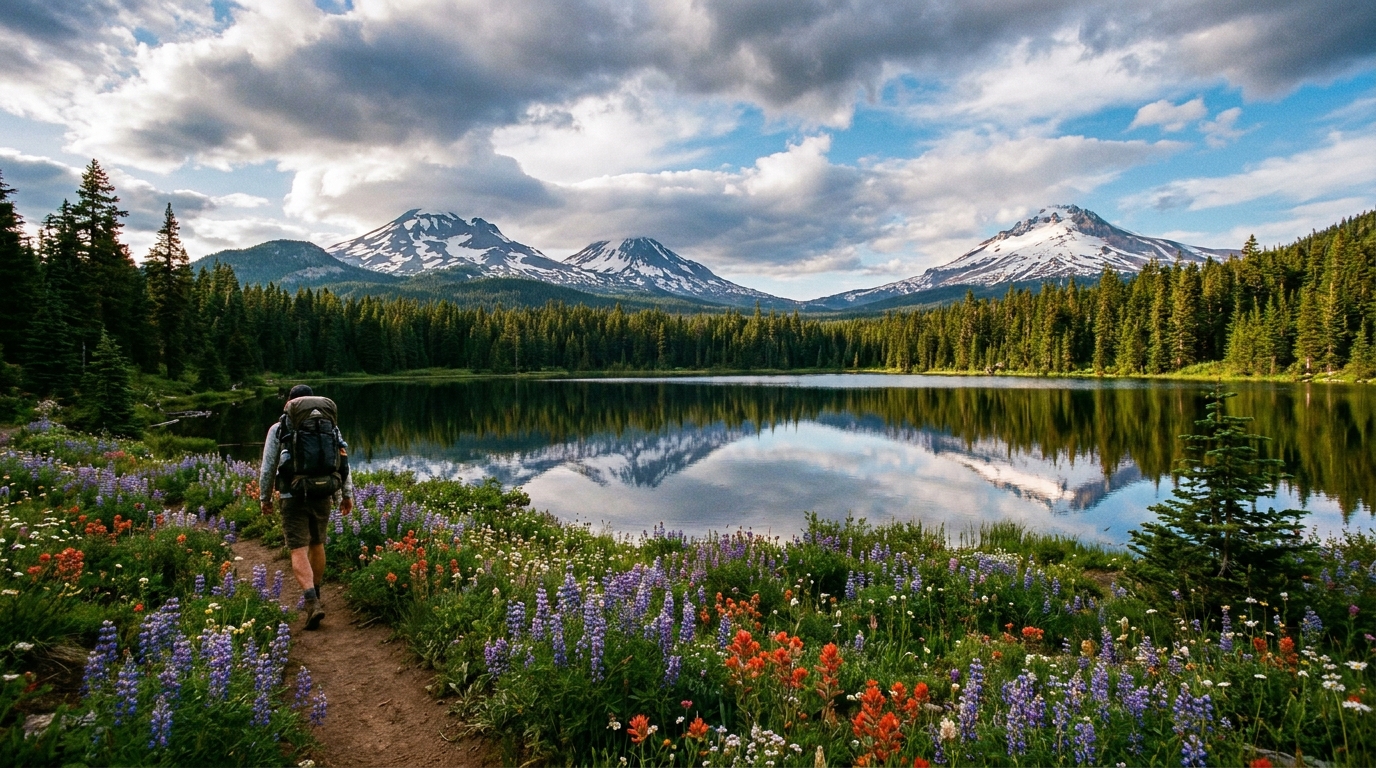
The Three Sisters Wilderness is one of Oregon's crown jewels — 285,000 acres of protected Cascade Range landscape anchored by three dormant volcanic stratovolcanoes. North Sister, Middle Sister, and South Sister stand shoulder to shoulder above a landscape of turquoise alpine lakes, obsidian fields, ancient lava flows, and conifer forests that give way to open pumice flats near 7,000 feet. For backpackers willing to carry a full pack for four days, this route delivers some of the most spectacular scenery in the Pacific Northwest.
Route Overview: The Green Lakes–Park Meadow Loop
Distance: Approximately 28 miles
Elevation gain: ~4,800 feet cumulative
Trailheads: Green Lakes (primary) or Devils Lake
Best season: Mid-July through September (snow-dependent)
Permit required: Yes — Three Sisters Wilderness Permit, self-issue at trailhead
This loop works clockwise from the Green Lakes Trailhead off Cascade Lakes Highway (OR-46), hitting the best scenery in the first two days when legs are fresh and packs are heaviest.
Day 1: Green Lakes Trailhead to Green Lakes Basin (7 miles)
Park at the Green Lakes Trailhead, about 26 miles west of Bend on Cascade Lakes Highway. The first 7 miles follow Fall Creek through old-growth forest before opening dramatically at Green Lakes Basin — a glacially carved bowl cradling three interconnected emerald lakes with South Sister rising steeply on the west and Broken Top's shattered caldera to the north.
Camp anywhere in the designated camping zone at least 100 feet from water and trail. The views from the eastern shore of the lower lake at sunset — South Sister reflected in still water — are something you'll describe to people for years. Expect company here; Green Lakes is popular. If you want solitude, push another mile to the upper basin or plan a weeknight start.
Day 1 Notes
- Elevation at trailhead: ~5,200 ft; Green Lakes basin: ~6,500 ft
- Water is abundant along Fall Creek — filter everything
- Bear canisters are not required but are strongly recommended (black bears are present)
- Campfire restrictions apply above 5,500 feet — stove only
Day 2: Green Lakes to Separation Lake via Wickiup Plain (8 miles)
This is the route's showcase day. Leave camp early and climb the unmaintained climber's path north toward the saddle between South and Middle Sister. At the saddle, you enter the otherworldly Wickiup Plain — a vast pumice plateau with views of all three Sisters simultaneously. The terrain here is raw and volcanic: obsidian flows, cinder cones, and almost no vegetation. Navigation requires attention; use your GPS track.
From Wickiup Plain, drop northwest toward Separation Lake, nestled in a cirque below North Sister. This camp offers solitude that the Green Lakes Basin cannot — fewer hikers make this full traverse. Water from snowmelt streams feeding Separation Lake is reliable through August.
Day 2 Notes
- The saddle crossing is cross-country — no maintained trail. Mark it on OnX or Gaia GPS before you leave home.
- Sun exposure is total on Wickiup Plain. SPF 50+, sun hat, and extra water are essential.
- Weather can move in fast at elevation — have rain gear accessible, not buried in your pack.
Day 3: Separation Lake to Soap Creek Meadow (7 miles)
From Separation Lake, rejoin the maintained Three Sisters trail system heading south. The route drops through old-growth noble fir and mountain hemlock, crosses several glacier-fed creeks, and eventually arrives at Soap Creek Meadow — a lush high meadow complex with reliable water and excellent camping.
This is the route's more forested and sheltered section, and a welcome contrast after two days of volcanic exposure. Look for deer and black bears in the meadow edges at dawn and dusk. The fishing in Soap Creek for small native brook trout can be surprisingly productive with a light tenkara rod — pack one if you've got room.
Day 4: Soap Creek Meadow back to Green Lakes Trailhead (6 miles)
The final day works south and east through mixed conifer terrain, rejoining the Fall Creek corridor for the last few miles back to the trailhead. This stretch is relatively flat compared to Days 1–2, and your lighter pack makes it feel easy. You'll hear the creek before you see it — a welcome sound after 25+ miles on your legs.
Allow 3–4 hours for the return leg, and budget time to soak your feet in Fall Creek before the drive home. Post-trip dinner in Bend (Deschutes Brewery or 900 Wall are local favorites) is a well-earned tradition.
Gear Considerations for Three Sisters
Weather Preparation
August afternoons in the Three Sisters bring frequent afternoon thunderstorms, especially at elevation. Your tent needs a bombproof rainfly. A shelter with at least 3,000mm hydrostatic head rating is minimum — 5,000mm+ is better. Lightning is a real hazard on Wickiup Plain; plan to be off exposed terrain by early afternoon on Day 2.
Footwear
The volcanic terrain — obsidian fields, cinders, and coarse pumice — is brutal on shoe outsoles. Mid-cut trail runners with a sticky Vibram outsole or full leather backpacking boots both work. Whatever you choose, break them in before this trip. Blisters on Day 1 make the next three days miserable.
Navigation
Download the route to Gaia GPS or CalTopo before leaving cell range. The Day 2 cross-country section on Wickiup Plain requires GPS confidence — there are no trail markers across the pumice flat.
Permits and Leave No Trace
The Three Sisters Wilderness uses a self-issue permit system at the trailhead — fill it out before you hit the trail. Camp at established sites or on durable surfaces only. In the high use Green Lakes basin, follow designated camping zones. Pack out everything, including food scraps. The more people who follow LNT principles here, the longer this wilderness stays wilderness.
The Three Sisters will test your legs, reward your patience, and remind you why we care about protecting wild places in the first place. Go find out for yourself.