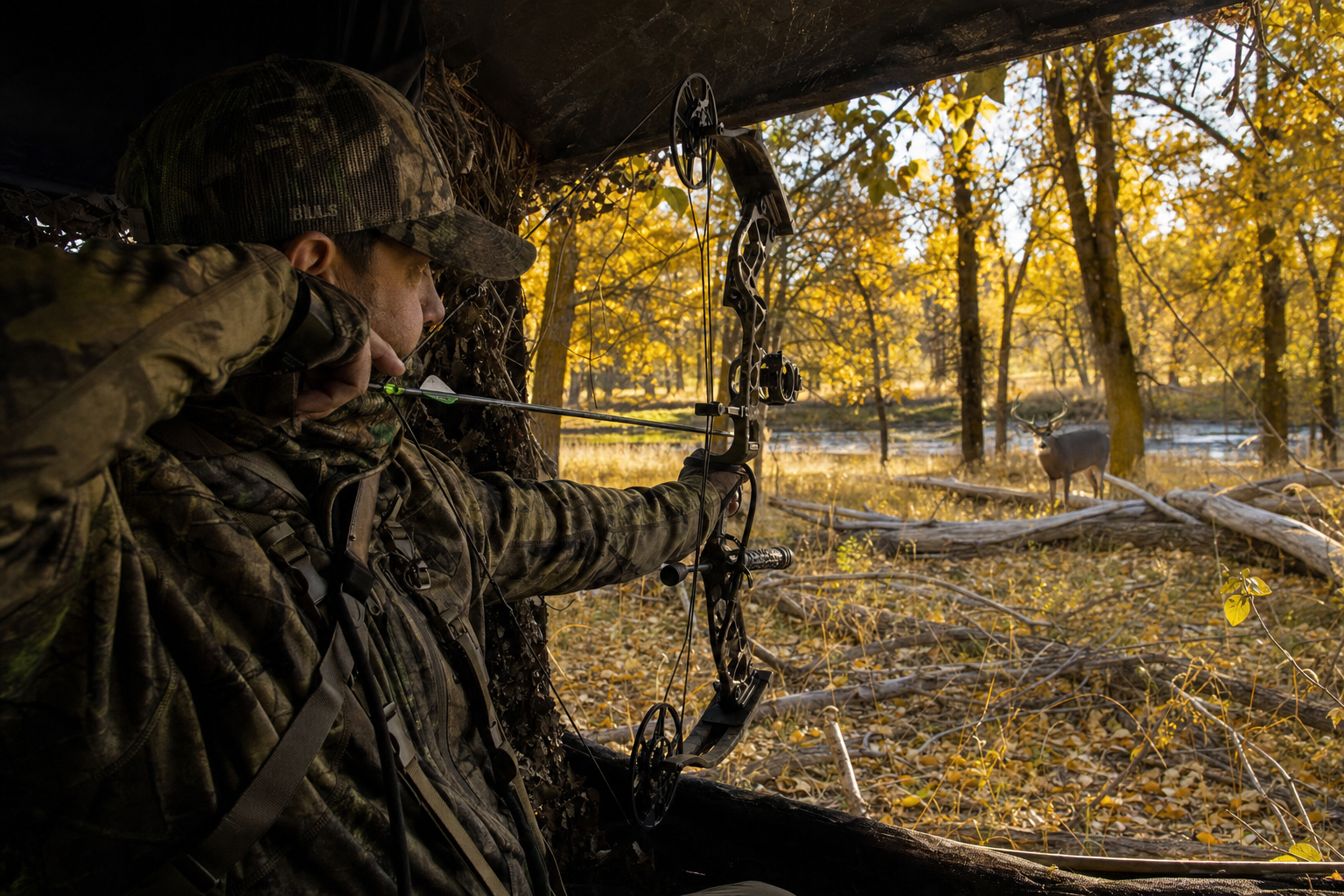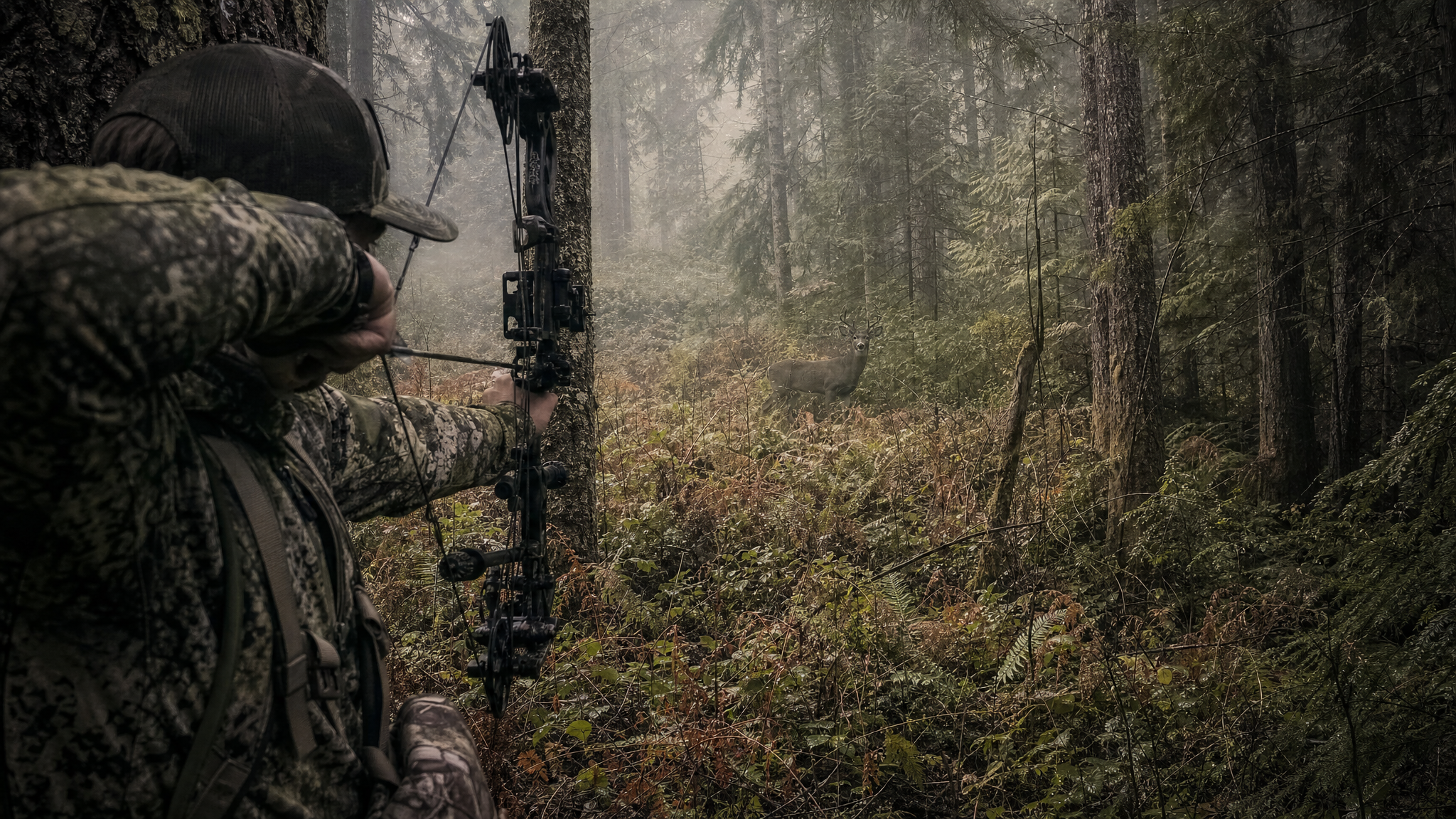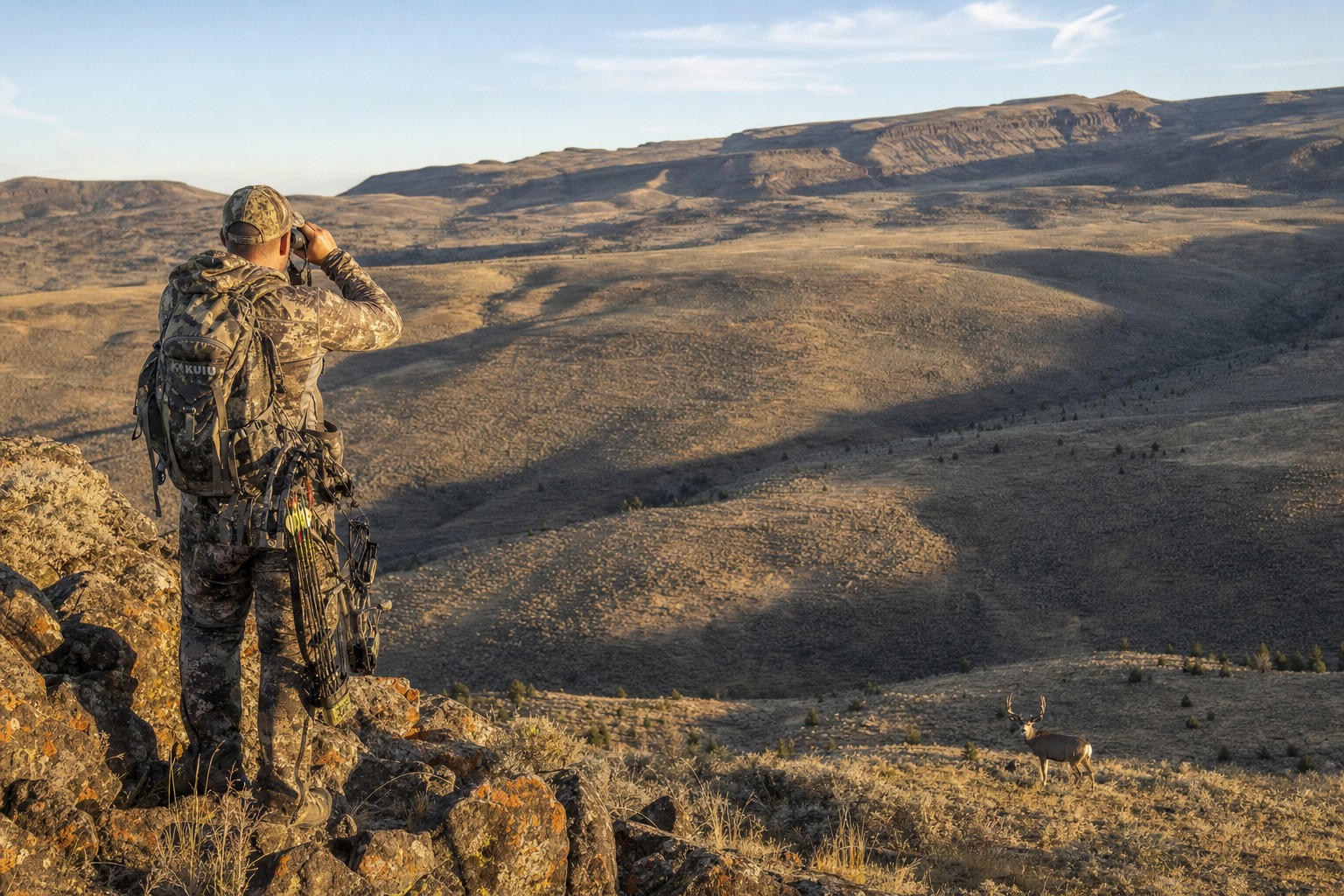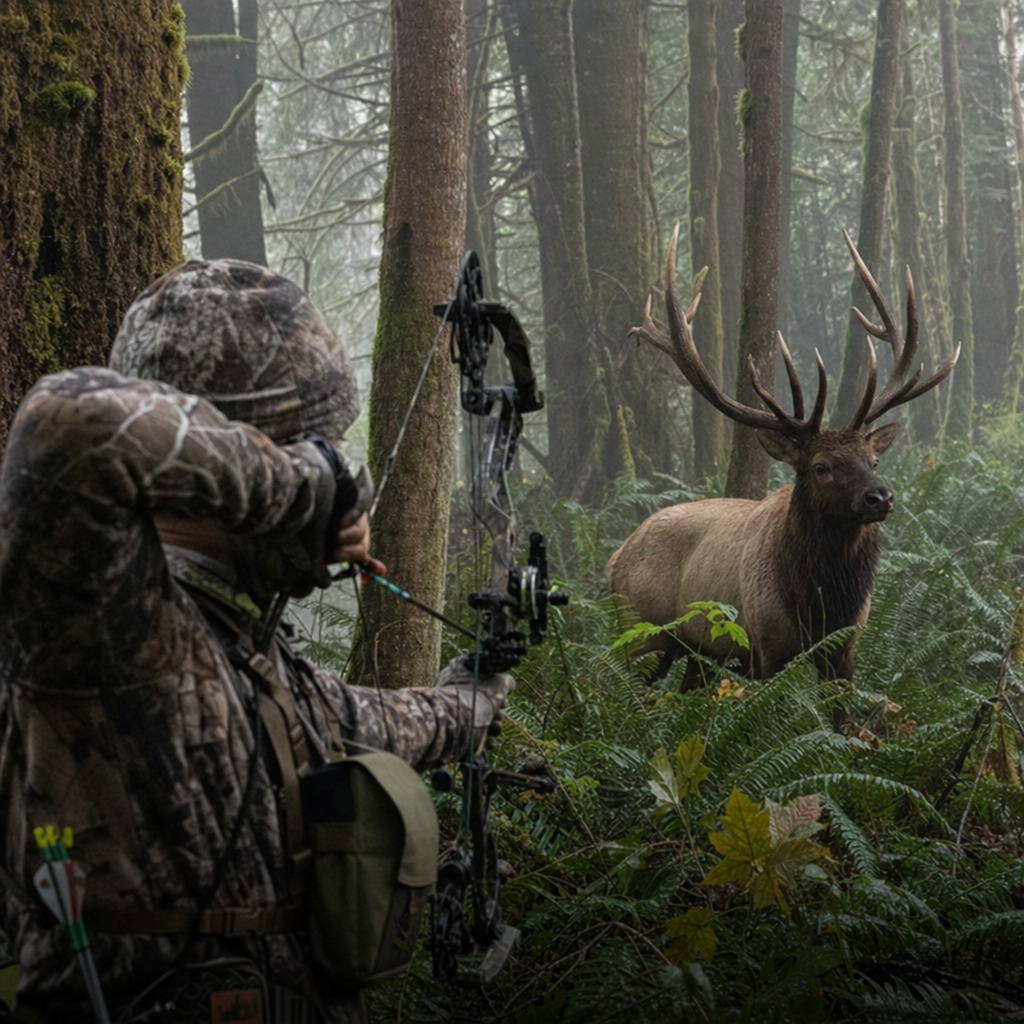
Roosevelt elk are the largest elk subspecies in North America, and Oregon's Siuslaw National Forest holds some of the most huntable populations on the coast. The November archery season is a special window — one that rewards hunters willing to wade through Oregon's famously wet coastal timber in exchange for a chance at a giant bull. If you've never chased Roosevelt elk with a bow in the coast range, this season is worth putting on your bucket list.
Understanding the Siuslaw Archery Units
Oregon's coastal elk management divides the Siuslaw drainage into several hunting units. The Alsea Unit, Siuslaw Unit, and Indirectly Adjacent OIX (Oregon Immediate Experience) zones are the primary archery-legal areas for Roosevelt elk in November. Draw tags are separate from general archery tags, so confirm your permit covers the specific unit before you head out.
The Alsea Unit covers the Alsea River watershed west of Philomath, running through Lincoln and Benton counties. The Siuslaw Unit extends south through Lane County, encompassing the main Siuslaw River corridor and its many forested tributaries. Both units hold good elk numbers, and the November archery season often catches bulls that have already moved to lower elevations following the rut.
Why November Matters for Coastal Bow Hunters
The September and October rut is over, but November presents its own advantages. Bulls are recovering from the rut, feeding heavily, and gravitating toward logging roads, clear-cut edges, and alder bottoms where food is easier to find. The rut-exhausted bulls are quieter, which means calling is largely ineffective — but spot-and-stalk and ambush tactics from creek crossings and travel corridors become very productive.
By late October into November, the coastal rain sets in hard. While that might discourage casual hunters, it's exactly the cover you want. Wet leaves and soft ground mean near-silent stalking conditions through otherwise noisy timber. Roosevelt elk on the Siuslaw feel this pressure and begin shifting to darker timber during daylight hours, but they still move to feed in the mornings and evenings.
Glassing and Locating Bulls
The coastal rainforest isn't glassing country in the traditional sense — you're not going to sit on a ridge and spot bulls across a canyon like you would in the Steens or the Wallowas. Instead, focus on finding fresh sign:
- Fresh rubs on 6- to 12-inch alder and vine maple along creek drainages
- Muddy wallows still steaming in the cold morning air near seeps and springs
- Trails punched through salal and sword fern, compacted by hundreds of pounds of daily traffic
- Tracks in soft logging road mud — fresh dew claws dragging indicate a heavy bull
- Bugling or deep grunts even post-rut; bulls still communicate as they group up in bachelor herds
Drive Forest Service roads early in the morning before first light. The Siuslaw NF has an extensive road network — FSR 1506, the North Fork Siuslaw corridor, and the Glenbrook area are all worth scouting. Spot a bull from the truck, then slip in on foot with the wind.
Gear Setup for Coastal Archery Elk
Coast range hunting is brutal on gear. Your setup needs to handle constant moisture, zero-visibility fog, and shots measured in yards, not hundreds of feet. A few specifics:
- Draw weight: 60–70 lbs is ideal. You want pass-through penetration on a shoulder-heavy bull, and close shots through thick timber often mean steep angles.
- Arrow weight: Go heavy — 500 grains or more. Heavy arrows retain momentum through brush and are far more forgiving at the steep quartering angles common in tight timber.
- Broadheads: Fixed-blade mechanicals with proven elk-caliber cut diameters. The Siuslaw's thick undergrowth means a big, reliable blood trail matters more than the marginal accuracy advantage of small-cut mechanicals.
- Rain gear: Sitka's Kelvin or Gore-Tex quiet-shell systems work well. Avoid any crinkly synthetic outer layers — they're loud in the brush and spook elk at close range.
- Rubber boots: Mandatory. Lacrosse Alphas or Muck boots keep your feet dry in the swampy low ground where coastal bulls spend November mornings.
Shot Opportunities and Recovery
Most shots in the Siuslaw come inside 30 yards — often well inside. Heavily timbered canyons compress shooting lanes to 15 or 20 feet in places. Practice shooting from your knees, at steep downhill angles, and through simulated brush at your local 3D archery range before the season opens.
Elk shot in coastal terrain don't always run far, but they can go downhill fast. Mark your shot location on a GPS, give the animal 30–45 minutes before tracking in wet conditions, and always have a partner if possible. The terrain between the North Fork Siuslaw and the main river corridor is steep, brushy, and unforgiving to solo recoveries — especially with 700+ pounds of elk on the ground.
Regulations and Access
Check ODFW's current regulations at myodfw.com before the season. November archery tags for coast range units are often available over the counter, but some zones require controlled hunt draw tags. The Siuslaw National Forest is largely open to public access, with trailheads and spur roads scattered throughout the Alsea and Siuslaw drainages.
Get out early, stay wet, and trust the process. A Roosevelt bull in the coastal rain is one of the most rewarding archery trophies in the Pacific Northwest — and the Siuslaw is one of the best places in Oregon to earn one.