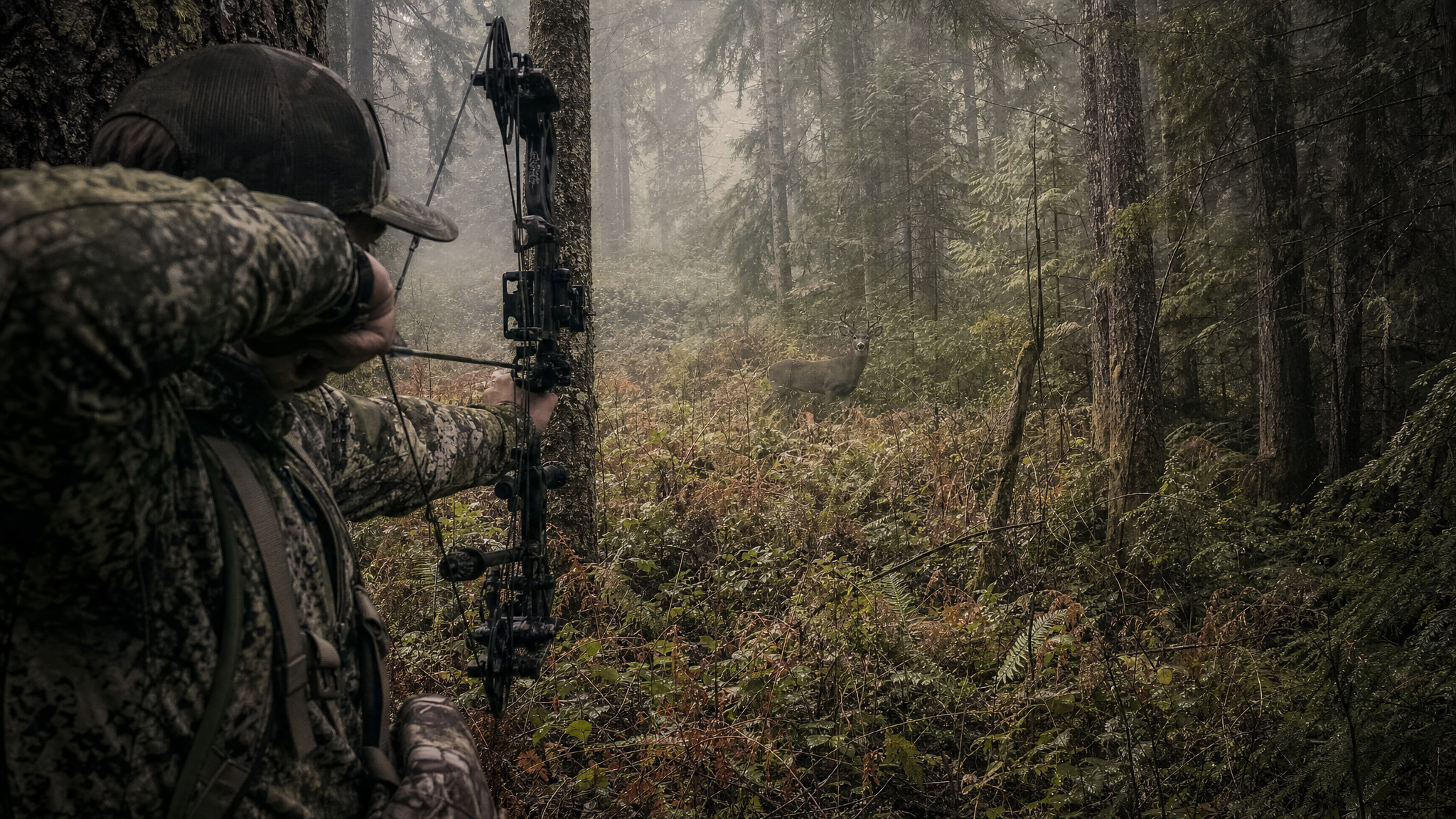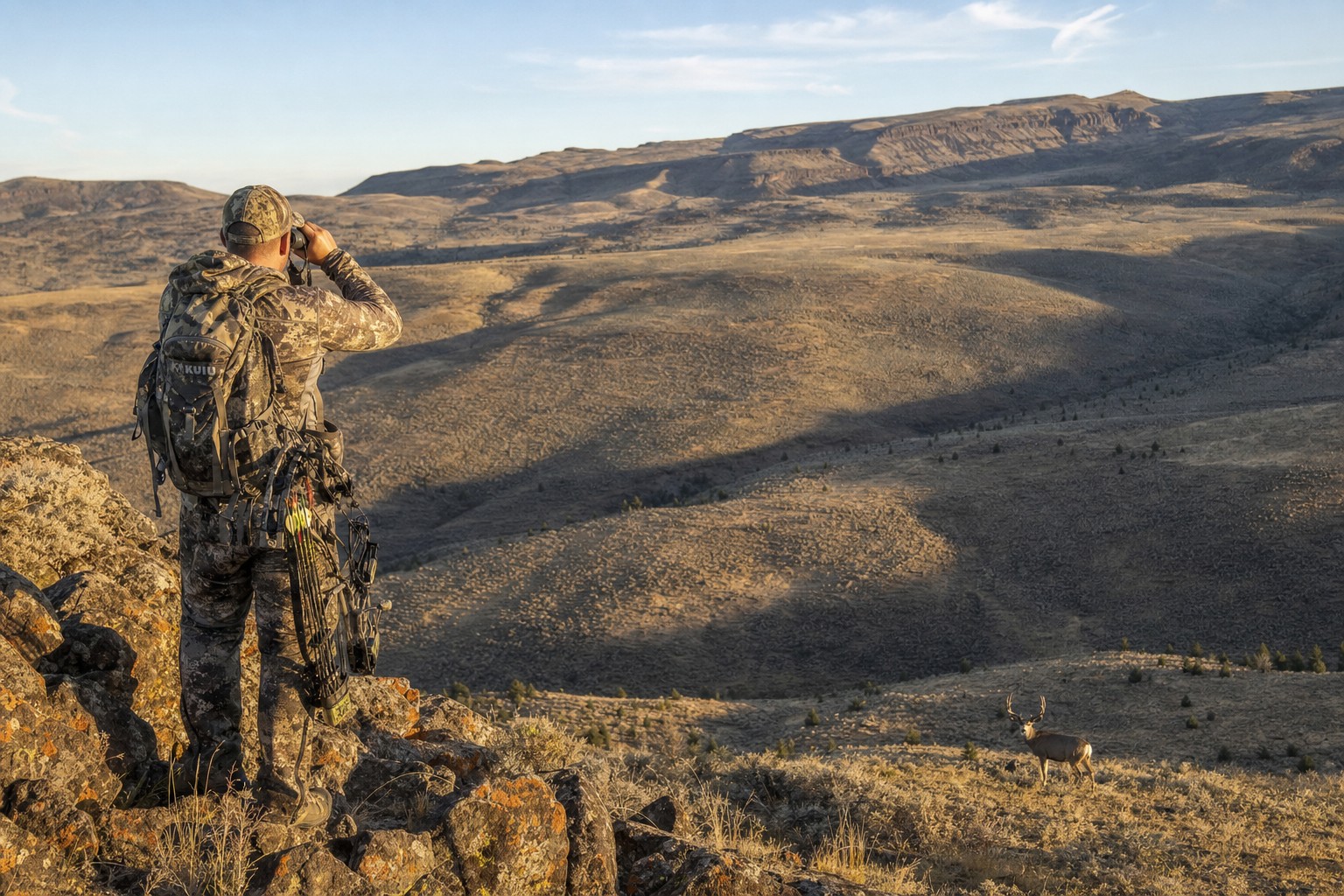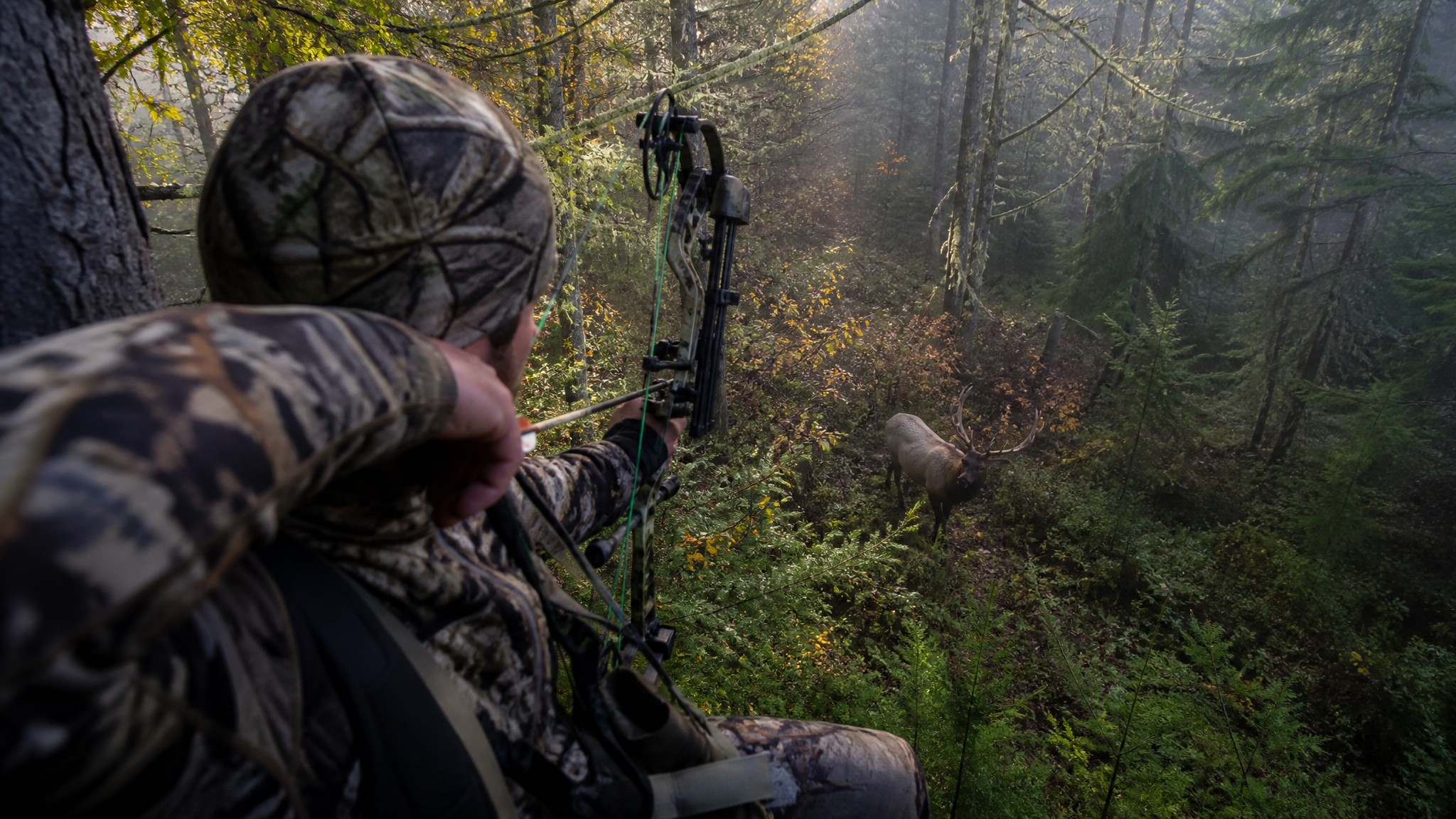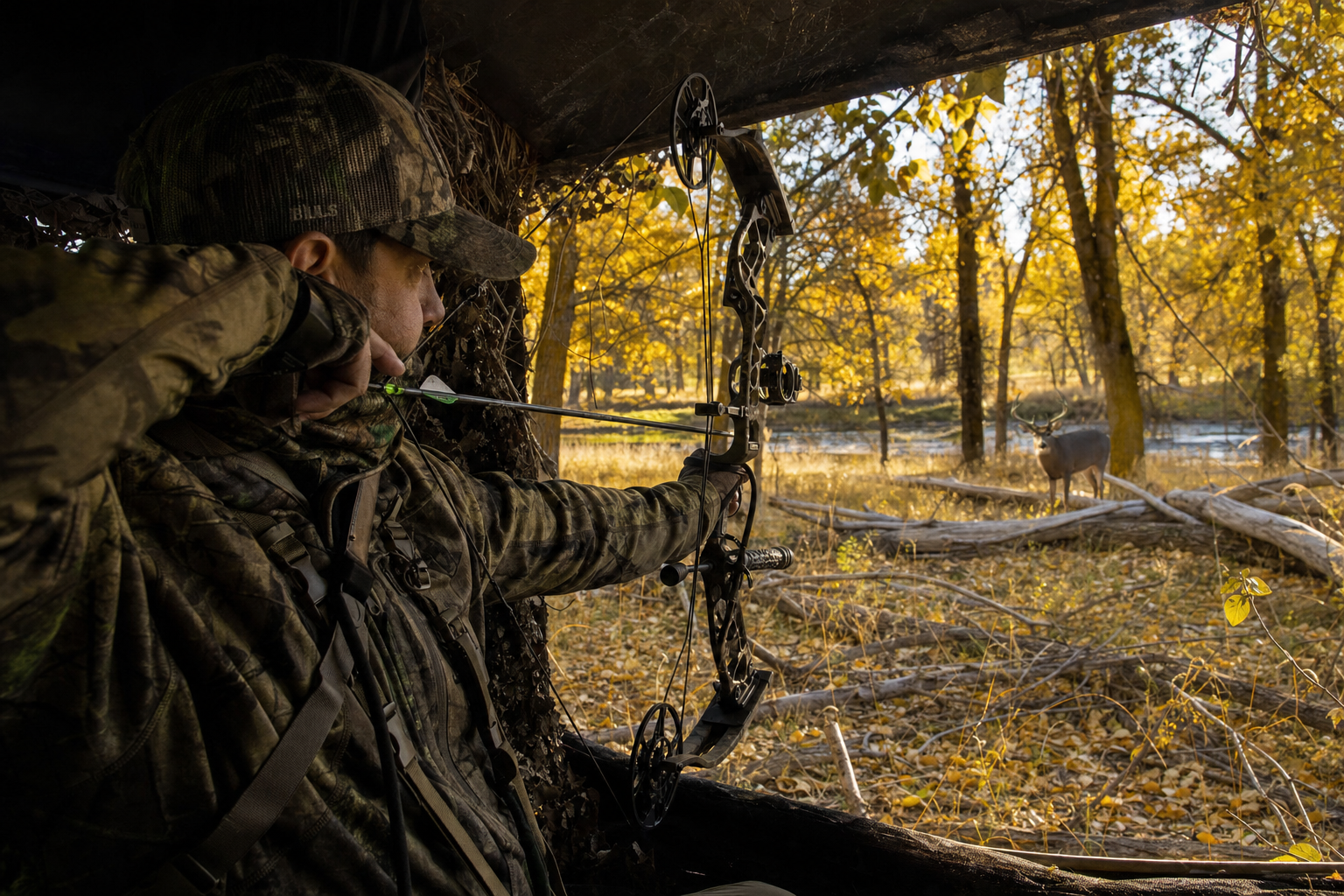
Most Oregon deer hunters think whitetail when they think about states like Idaho, Montana, or the Midwest. But northeast Oregon holds a legitimate, underrated whitetail population — and come October, the archery season is wide open and largely uncrowded. The Grande Ronde and Wallowa river drainages, along with the agricultural edges of the Columbia Basin near Pendleton and Hermiston, all harbor huntable numbers of whitetail bucks, many of which never see consistent pressure from bowhunters.
If you've been chasing blacktail on the west side or mule deer in the high desert, this is a season worth adding to your rotation. Here's what you need to know to put a tag on a northeast Oregon whitetail this October.
Where Oregon Whitetail Live
Oregon's whitetail are concentrated in the northeastern corner of the state. The primary units to look at include:
- Chesnimnus Unit — Wallowa County river bottoms and canyon edges, particularly along the Imnaha River drainage and lower Wallowa Valley fields
- Wenaha Unit — The Grande Ronde River corridor and its tributaries offer classic whitetail habitat — thick riparian brush, CRP field edges, and timbered ridges
- Ukiah and Desolation Units — Blue Mountains transition zones where whitetail mix with mule deer in the ponderosa pine and bunchgrass country
- Columbia Basin (Pendleton/Umatilla areas) — Agricultural land adjacent to the river and creek drainages, where deer feed in wheat stubble fields and bed in cottonwood draws
ODFW manages whitetail as a general deer species in Oregon. Your general archery deer tag covers them, and October is one of the best months to be in the field — bucks are transitioning from summer patterns toward pre-rut, hitting food sources predictably and beginning to scrape and rub in earnest by the third week of the month.
Reading the Habitat: Cottonwood Bottoms and Field Edges
Northeast Oregon whitetail relate heavily to river bottom cover. The Grande Ronde below La Grande, the Wallowa River near Lostine and Enterprise, and the countless creek drainages cutting through wheat country all hold deer that follow predictable morning and evening patterns.
Look for:
- Fresh rubs — By mid-October, bucks are working small-diameter trees and brush aggressively. Fresh rubs in cottonwood stands indicate a buck is establishing a core area
- Scrapes along field edges — Pre-rut scraping begins in the final two weeks of October; a scrape line along a fence or field edge is a perfect ambush point
- Water sources in dry years — Eastern Oregon can be dry in fall; isolated water tanks and creek bends concentrate deer during afternoon hours
- Transition zones — Where wheat stubble meets creek willows, or ponderosa timber meets bunchgrass parks, expect deer to move morning and evening
Stand and Blind Strategy
Ground blinds are extremely effective for Oregon whitetail, especially along agricultural edges where terrain doesn't always allow tree stand height advantages. A pop-up blind set up 10–14 days before your hunt, brushed in with local vegetation, becomes a fixture that deer ignore completely.
Position your blind or hang your saddle/stand with October wind patterns in mind. In northeast Oregon's canyon country, thermals drain downhill at night and rise during the day — morning winds in river drainages often move upcanyon, reversing in the afternoon. Set up accordingly and keep your scent control rigorous.
If you're hunting agricultural edges near Pendleton or Hermiston, reach out to landowners directly. Many are willing to grant access to archery hunters who ask respectfully, especially on small farms where rifle hunting can feel too close to structures or neighbors.
Calling and Rattling in October
By the third week of October, light rattling sequences can pull curious bucks into range. Don't go heavy with the antlers — this isn't the full rut yet. A 20–30 second light tickling sequence followed by 5–10 minutes of silence is more realistic for a pre-rut confrontation. A soft bleat or grunt call between sequences can seal the deal on a buck that hangs up at the edge of cover.
Mock scrapes are another effective October tactic. Scratch out a scrape beneath a licking branch, hit it with tarsal gland or interdigital lure, and check the site on a trail camera. It takes only a couple of days to tell if a buck is working an area.
Shot Placement and Recovery in Thick Country
River bottom and creek-drainage whitetail tend to bolt into heavy brush when hit. Make sure your shot is high-percentage before you release — quartering-away shots at calm, unaware deer offer the best angle for a pass-through and short recovery. Give a hit deer at least 30 minutes before trailing, and have a recovery plan for thick willow tangles where blood trailing can get difficult.
Licensing and Regulations
Oregon's general archery deer season typically runs from late August through the end of October. A general deer tag combined with an archery license covers whitetail anywhere in the state during the archery season. Check current ODFW regulations at myodfw.com for unit-specific restrictions, antler requirements, and any special regulations in the units you plan to hunt.
Whitetail in northeast Oregon are a genuine sleeper opportunity — less pressure than mule deer country, beautiful October cottonwood scenery, and a population that rewards patient, deliberate archery hunters. Get out there before the word gets fully out.