The Overlooked Deer in Oregon's Best Elk Country
Say "deer hunting in Oregon" and most hunters picture velvet mule deer bucks on a high desert rimrock, or Columbia blacktails slipping through coastal fog. White-tailed deer rarely enter the conversation — and that's exactly why the hunters who chase them in the Blue Mountains of northeast Oregon are consistently killing heavy-racked bucks on public land, year after year, with almost no competition.
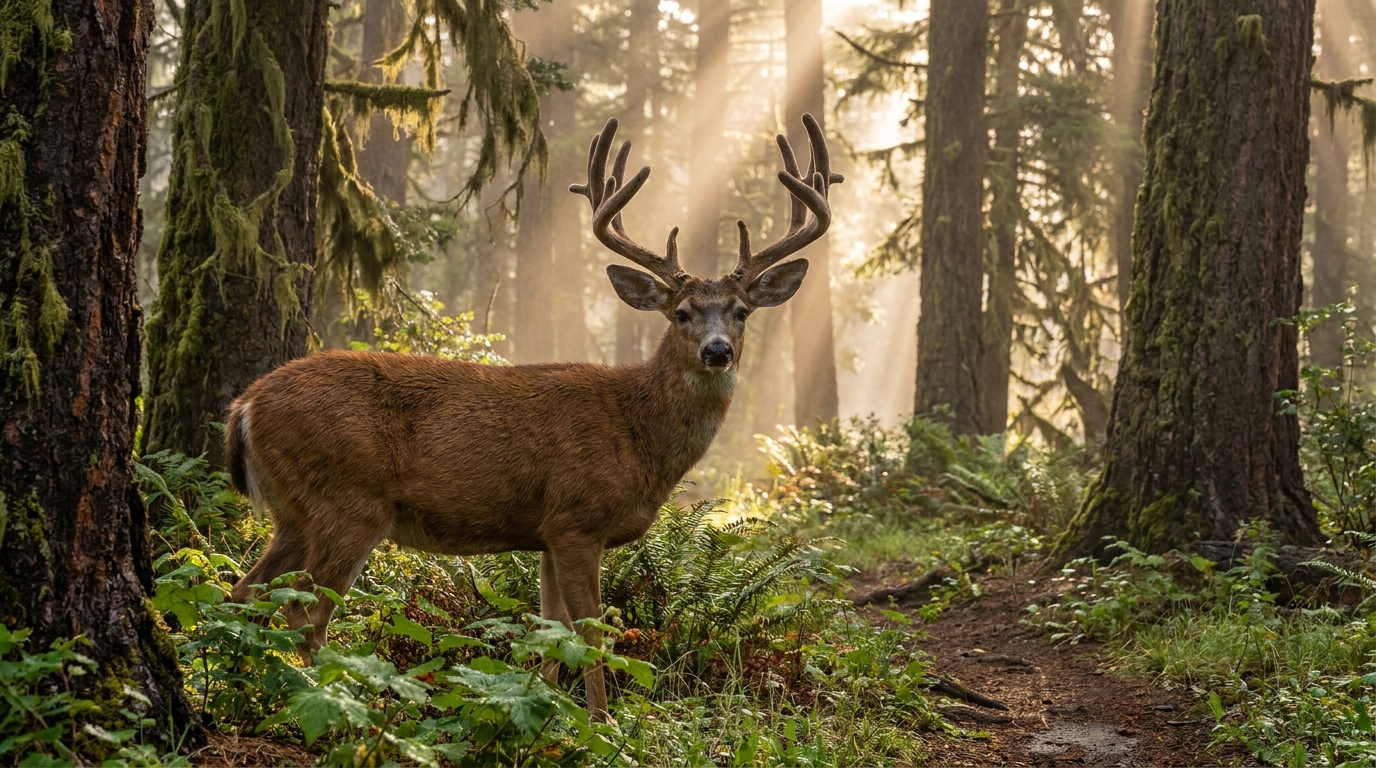
Oregon's white-tailed deer population occupies a crescent of timber country across the northeast corner of the state — the Blue Mountains, the Wallowas foothills, the Grande Ronde drainage, and the breaks of the Snake River. This isn't whitetail country the way Kansas or Iowa is whitetail country. These are mountain deer living in steep timber, surviving alongside elk, mule deer, mountain lions, and wolves. They're warier, wilder, and harder to pattern than their Midwest cousins — which makes tagging one all the more satisfying.
Where to Find Oregon's Blue Mountains Whitetails
The Umatilla National Forest holds the highest density of whitetail in Oregon, particularly in the drainages that feed the Grande Ronde and upper Walla Walla rivers. The Wenaha-Tucannon Wilderness along the Oregon-Washington border is home to some of the biggest bucks in the state, but they're nearly impossible to reach during general rifle season when trails are under snow. The fringe timber at lower elevations in the Ukiah, Camas, and Starkey units sees more hunter success.
Key habitats to focus on:
- Riparian corridors: Blue Mountains whitetails are tied to water. The Grande Ronde River and its tributaries — the Wallowa River, the Minam, the Wenaha — all hold deer in the brushy bottoms. These creek drainages provide bedding cover, reliable water, and easy travel routes.
- Ag interface areas: Where national forest meets private grain fields — particularly in the Walla Walla and Grande Ronde valleys — whitetails establish patterns between timber bedding areas and field edges. Access can be limited without landowner permission, but topo maps will show you where public timber backs up to private ag.
- North-facing slopes with dense timber: In summer and early season, bucks favor north-facing timbered slopes where temperatures stay cooler. Find old-growth ponderosa pines mixed with grand fir and you'll find deer sign.
- Clear-cut edges: Mature clear-cuts regenerating with forbs, berry bushes, and young conifers are whitetail magnets in the Blue Mountains. Look for cuts that are 5 to 15 years old — young enough for browse, old enough for some vertical cover.
Oregon Tag Structure for Whitetail
Whitetail tags in northeast Oregon are available over-the-counter for general rifle seasons in most units — a significant advantage over the coveted draw tags required for premium mule deer and elk hunting. The Ukiah, Starkey, Sumpter, and Chesnimnus units all carry OTC antlered and antlerless whitetail tags, though regulations change and you should verify with the current ODFW synopsis before purchasing.
Archery and muzzleloader seasons open earlier and offer the best opportunity for big bucks before rifle pressure pushes deer into defensive patterns. The archery opener typically runs through October, overlapping with the early rut activity that begins in mid to late October for Oregon whitetails. This timing is ideal — bucks are starting to move but haven't yet been educated by hunter pressure.
Apply through ODFW's online draw system if you're interested in limited-entry whitetail units, which offer lower pressure and better trophy potential in areas like the Wenaha unit.
Scouting Blue Mountains Whitetails in Summer
July and August are the time to scout. With velvet bucks predictable and summer patterns established, trail cameras placed on creek crossings, rubs from previous years, and mineral sites (where legal) will give you a catalog of the deer in a drainage before season opens.
OnX Hunt is indispensable for navigating the Umatilla and Wallowa-Whitman national forests. The property lines layer will show you exactly where public land ends and private begins — critical in the Blue Mountains where timber company holdings can fragment public access in confusing ways. Download offline maps for the units you're hunting before leaving cell service.
Physical scouting reveals what digital maps can't. Spend a day or two in your target drainage in late summer:
- Walk creek bottoms and look for tracks in mud and sand. Whitetail tracks are rounder and more pointed than mule deer — easy to distinguish once you've seen both.
- Look for old rub lines on small-diameter trees. Whitetail bucks rub the same trees year after year. Find a rub line and you've found a travel corridor.
- Locate water sources. In dry years, whitetails in the Blue Mountains will concentrate within half a mile of reliable water by late August and September.
Hunting Strategies That Work in Timber Country
Stand Hunting
Eastern Oregon whitetails respond well to traditional stand hunting over travel corridors and food sources. Unlike mule deer, whitetails are creatures of habit — if a buck crosses a creek at a certain log twice in September, he'll likely use that crossing through November. Find the crossing, hang a stand with the prevailing wind in your favor, and wait.
Hang-on stands with climbing sticks work well in the ponderosa and fir timber of the Blue Mountains. Get at least 18 to 20 feet of elevation to clear brush and get above most deer's peripheral vision. Larger fir trees with open bases are ideal — fewer scent-trapping branches at ground level.
Still Hunting
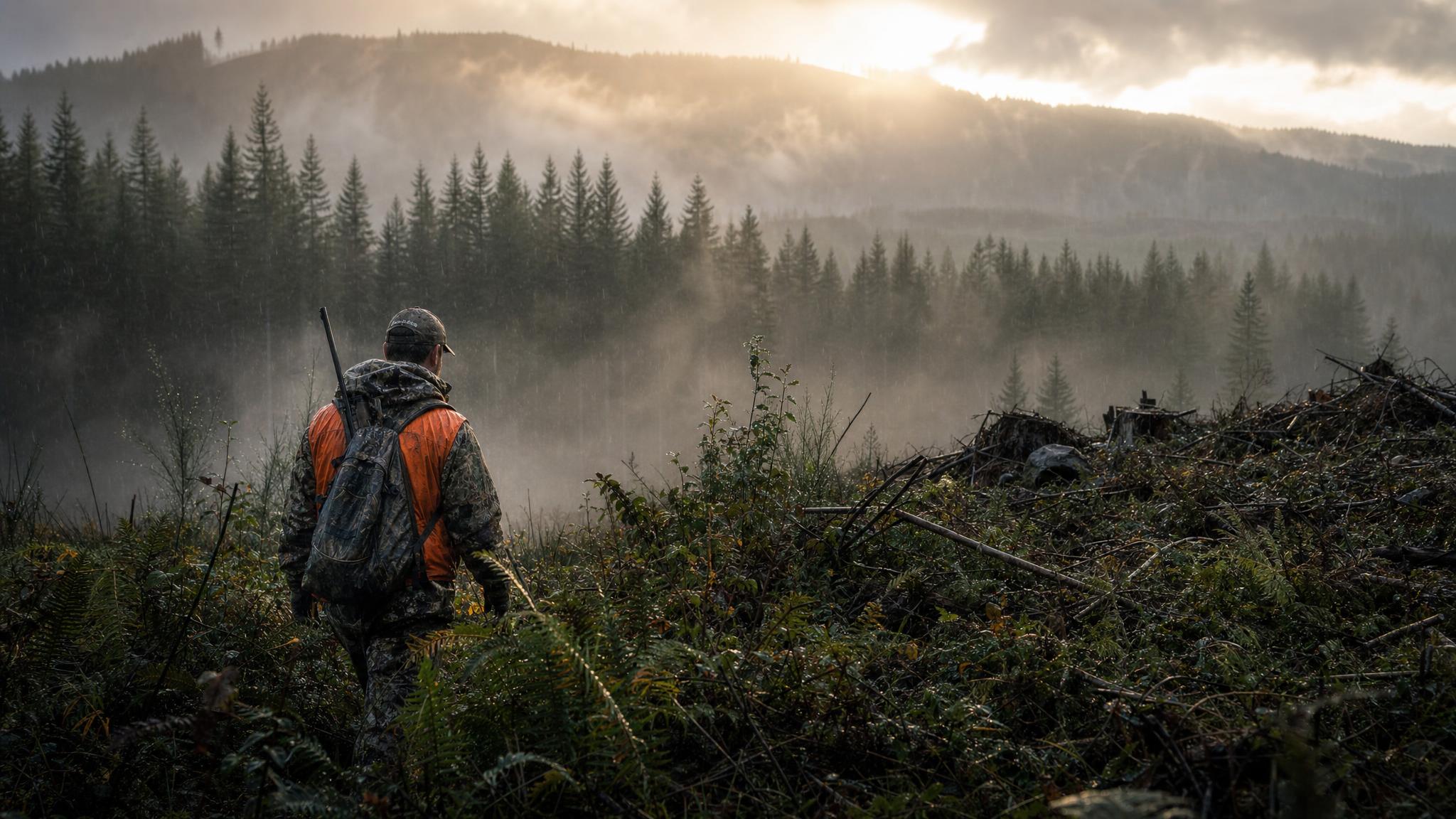
Blue Mountains whitetails spend most of their time in thick, noisy timber that rewards slow hunters. Still hunting — moving at a pace slower than you think is necessary — is productive here, particularly on overcast days when light is flat and shadows don't betray your movement. Walk 10 steps, stop, spend two minutes scanning before moving again. You'll see deer before they detect you more often than you'd expect.
Calling and Rattling
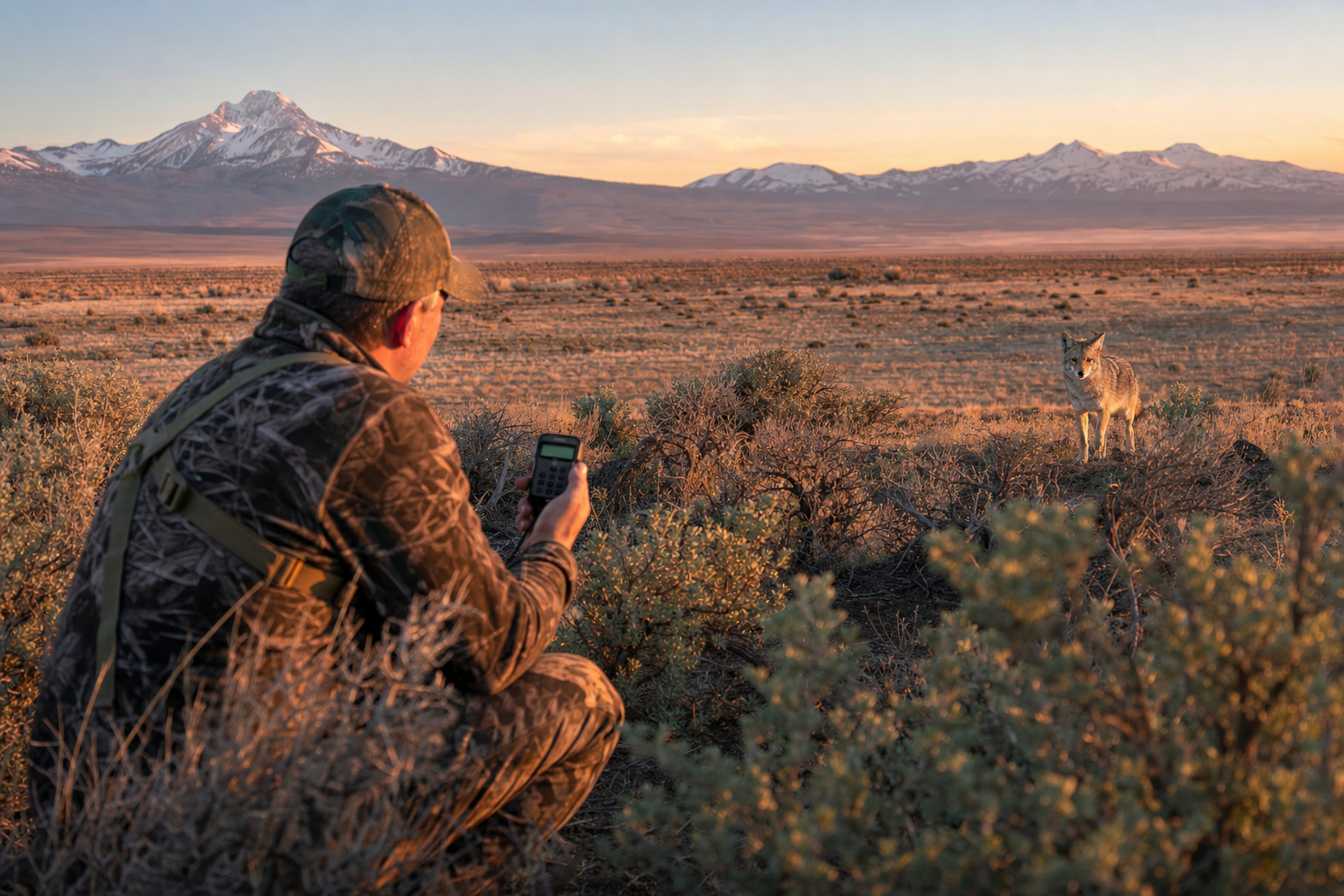
Once the rut kicks in — typically peak breeding in mid-November for Oregon's northeast whitetails — grunting and rattling can pull bucks from surprisingly long distances. Oregon whitetail rut timing runs 7 to 10 days later than midwest deer at similar latitudes, owing to the mountain photoperiod. Don't start serious rut hunting before November 5th. By November 10th to 20th, calling and rattling is at maximum effectiveness.
Logistics: Getting Into the Right Country
La Grande is the hub city for northeast Oregon whitetail hunting. It puts you within an hour of the Ukiah and Starkey units, two hours from the Wenaha drainage, and close to services including meat processing, gas, and lodging. The Elgin and Enterprise areas provide access to the Chesnimnus and Wallowa units.
Roads in the Blue Mountains are gated seasonally and can be snowbound by late October. Four-wheel drive is mandatory. A dedicated set of all-terrain tires is worth the investment. The forest roads that access the best whitetail country in the Umatilla NF are rough, narrow, and steep — not the place to find out your truck needs a lift kit.
Oregon's northeast corner is elk hunting royalty — and the white-tailed deer living in the same timber are an open secret. Put in your scouting time this summer, learn the creek drainages, and come November, you may have the best whitetail hunting in the state almost entirely to yourself.