October on the Umatilla River is a steelheader's reward for waiting out summer. When the first cold rains push down from the Blue Mountains and water temperatures drop into the mid-40s, wild B-run steelhead push hard into this northeastern Oregon river — and the crowds you'll find on the Deschutes or Grande Ronde are largely absent here. If you're willing to make the drive to Umatilla County, this river will pay you back.
Understanding the Umatilla Steelhead Run
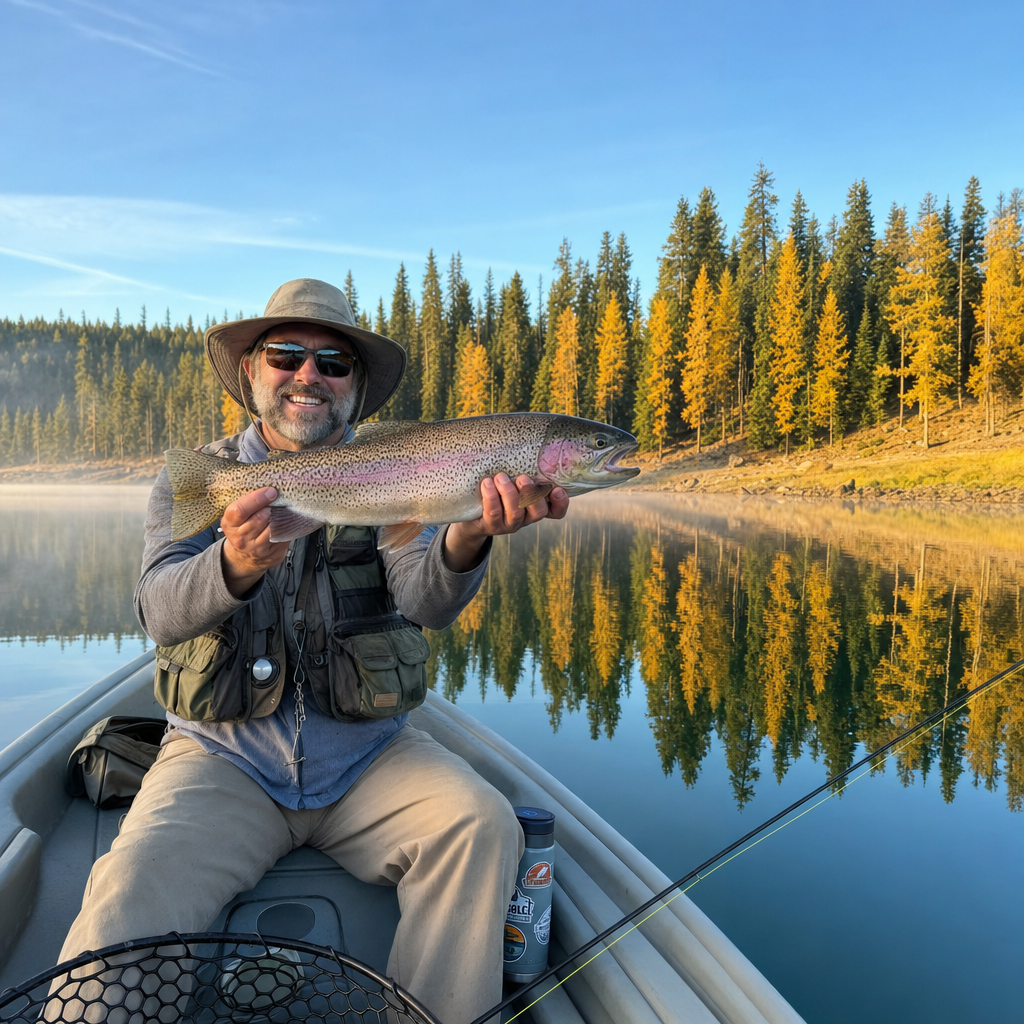
The Umatilla hosts both hatchery and wild steelhead, with the peak of the fall B-run typically arriving between mid-October and mid-November. These are large fish — expect averages in the 8–12 lb range, with trophies pushing 18 lbs or better. Hatchery fish are available for retention when marked (adipose fin clipped), while wild fish must be released unharmed. Always check current ODFW regulations before your trip, as in-season rule changes happen based on run counts at McNary Dam.
The river flows from its headwaters near Ukiah down through Pendleton and into the Columbia near the town of Umatilla. The lower river — from Pendleton downstream — is where most anglers focus during fall, though persistent walkers willing to work upstream of town can find surprisingly lightly pressured runs and pools.
Top Access Points and Sections
Pendleton Area (River Miles 30–45)
The stretch running through and below Pendleton is the workhorse section for most fall steelheaders. Numerous public access points exist off Highway 30 and via county roads. The river through this corridor features classic steelhead water: gravel bars, defined seams, and deep slots against cut banks where fish stack and rest on their upstream migration. Early morning is best — fish the tailouts and the inside edges of deeper runs.
Echo to Stanfield (River Miles 15–30)
This middle section widens and slows somewhat but still holds fish, especially during peak migration. The Echo area has historically produced good numbers when flows are right. Expect shallower gravel runs and more braided channels here — wade carefully and look for the main current seams where steelhead travel. There's good bank access near the town of Echo and at several county road crossings.
Lower Umatilla — McNary to Irrigon (River Miles 0–10)
The tidal influence zone near the confluence with the Columbia holds fish early in the season as steelhead stage before committing to the river. Bank fishing at Irrigon Waterfront Park and along the lower reaches can be excellent in September and early October. This is also prime water for bank plunkers using bait.
Tactics That Work
Drift Fishing
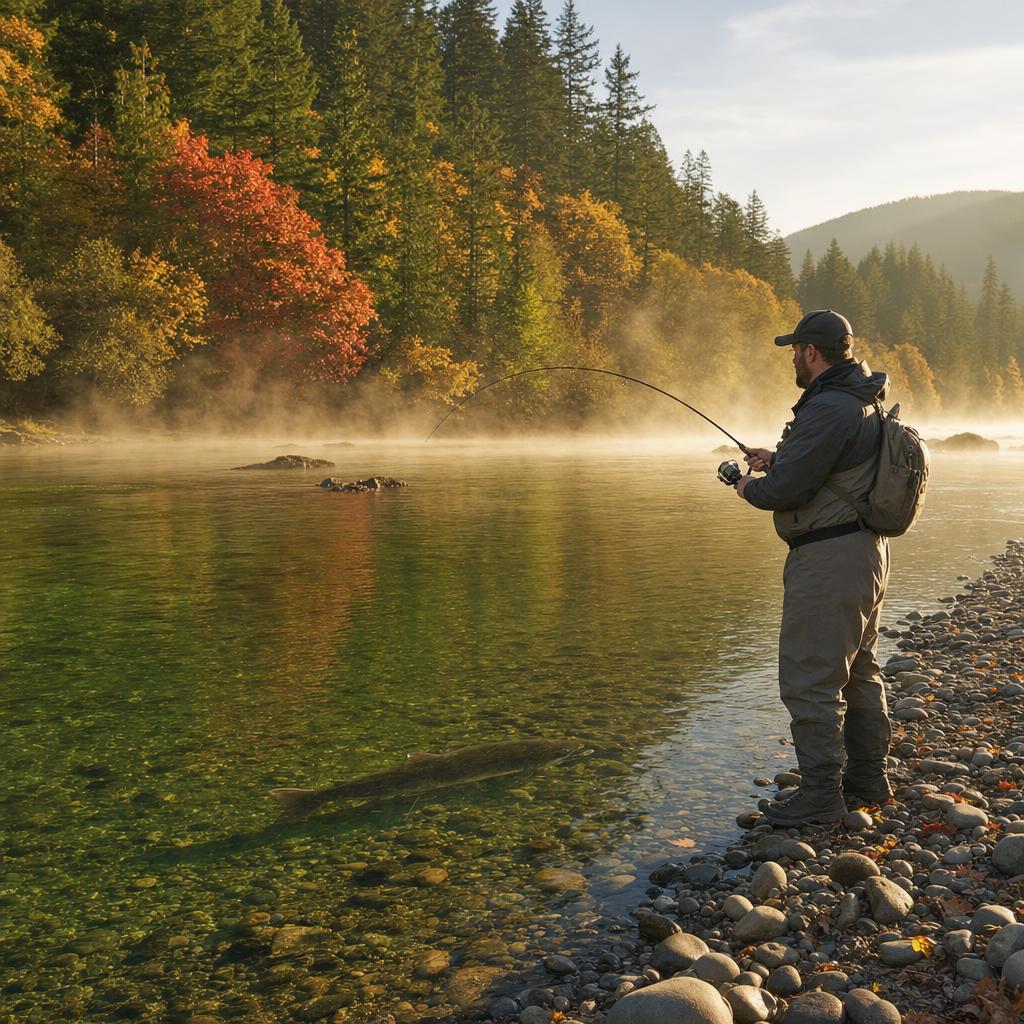
The classic Umatilla technique is drift fishing with a float or free-drifting bait. Roe is the gold standard, tied in small dime-sized clusters on size 2 or 4 Gamakatsu Octopus hooks under a Thill float set 1.5–2x the water depth. Yarn flies in chartreuse, orange, or pink are nearly as effective and less messy. Drift your presentation through the seams and slots at current speed — steelhead rarely chase. The take is often a subtle tick or hesitation in the float rather than a smashing strike.
Spinners and Spoons
Blue Fox Vibrax spinners in sizes 4 and 5 — brass, chrome, or fluorescent orange blades — have built a devoted following on the Umatilla. Cast slightly upstream, let the blade come to speed, and work the retrieve across the current. Spoons like the Kastmaster or Krocodile in 3/4 to 1 oz work well when the river has color after rain. Fish these through the deeper tailouts and pocket water behind boulders.
Fly Fishing
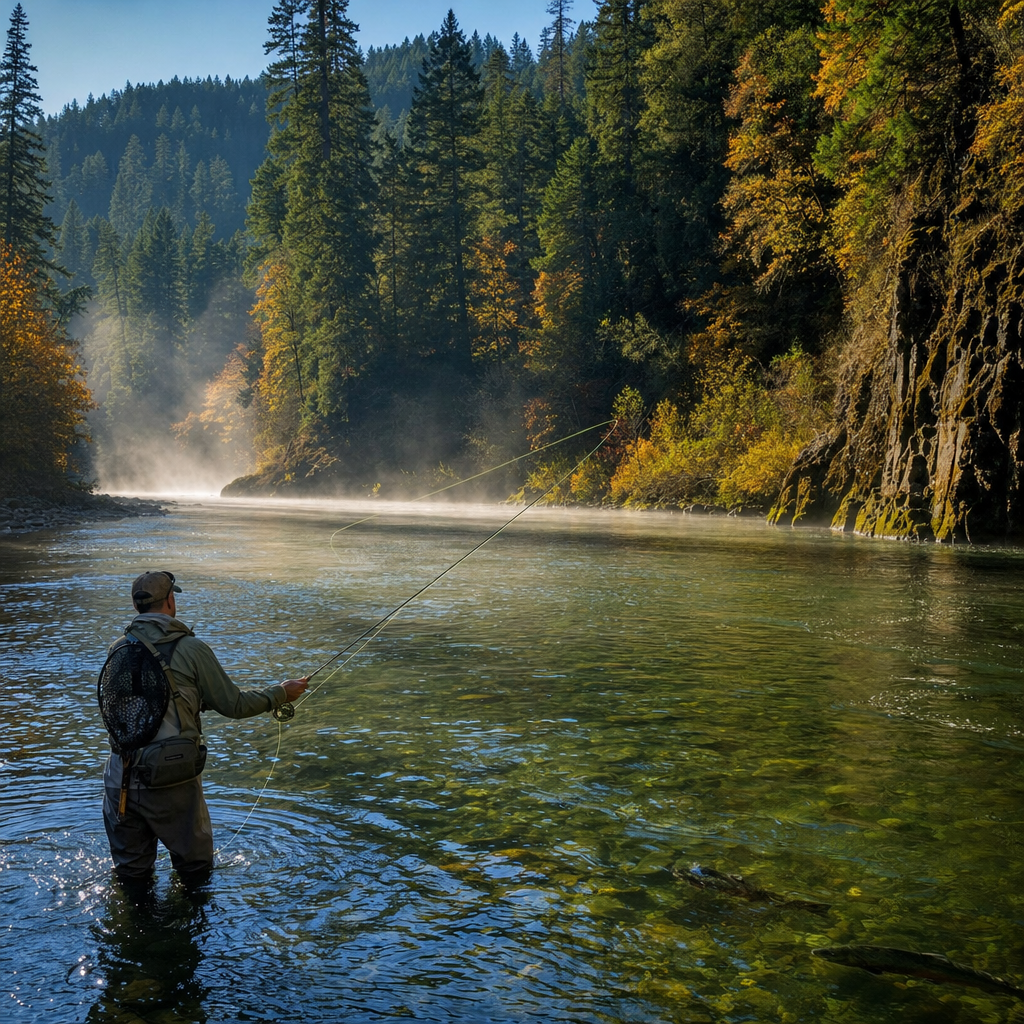
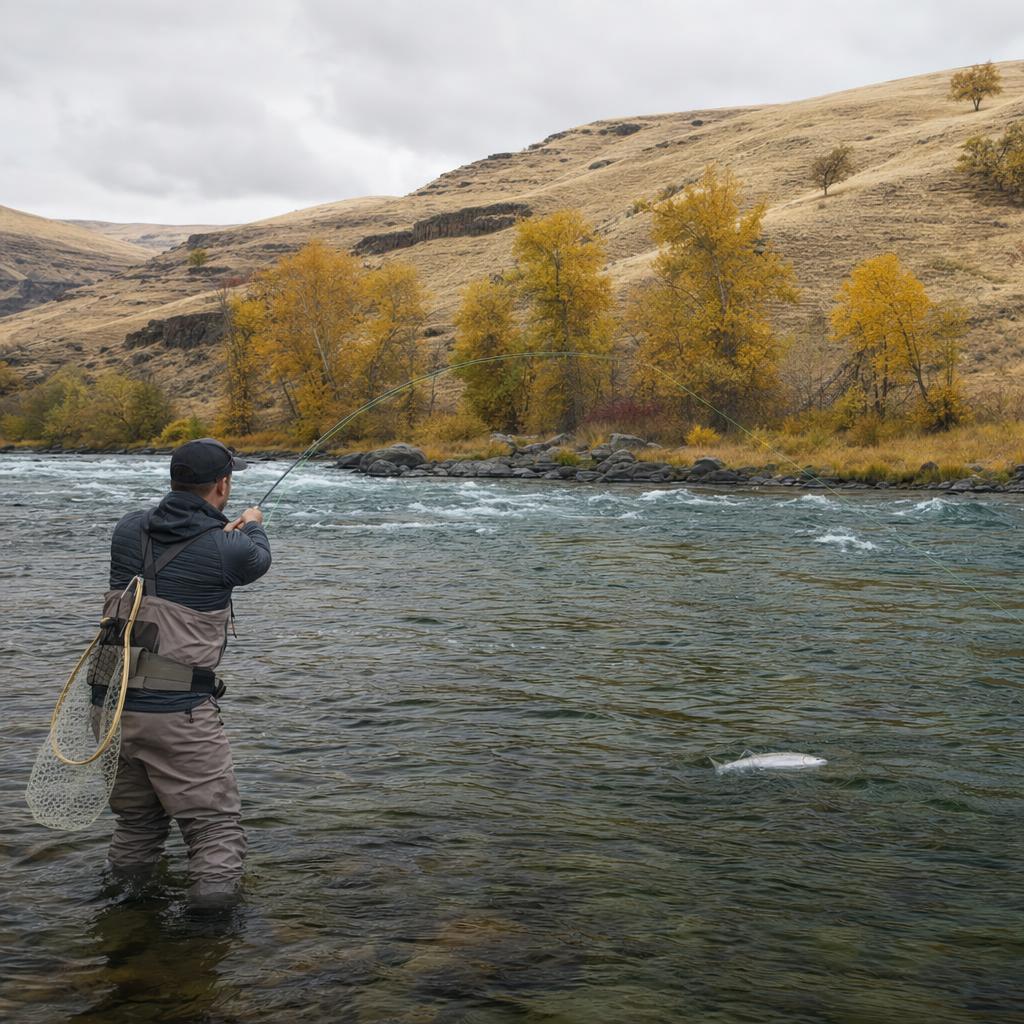
The Umatilla doesn't get the fly fishing attention it deserves. A 9-weight rod with a sink-tip line covering 10–15 feet is the standard setup. Swing classic steelhead patterns — Purple Peril, Skunk, or any intruder-style fly — through runs in the Pendleton area. Early morning swings in low-light conditions produce well. The fish here can be aggressive and the takes are electric.
River Conditions and Timing
The Umatilla can fluctuate quickly. Check the USGS Pendleton gauge (Station 14020000) before heading out — ideal flows for most sections are between 600 and 1,500 cfs. Below 400 cfs the river gets skinny and fish spook easily; above 2,000 cfs after rain events the water muddies and bank fishing with heavy weights and bait becomes the best strategy.
Peak dates historically cluster around late October into early November, though warm fall weather can delay peak migration by 1–2 weeks. Fish the river on the falling limb after rain events — freshly stained water with improving visibility is often the hottest condition of the season.
Gear List for the Umatilla
- 8½ to 9½ foot medium-heavy spinning rod, 10–17 lb monofilament or 30 lb braid with 10 lb fluorocarbon leader
- Corkie/yarn combos, Spin-N-Glo size 10–12 in orange and chartreuse
- Roe — fresh or cured pink/orange with Pro-Cure or BorX O'Fire
- Sturdy wading boots with felt or studded soles — Umatilla gravel is slick
- Pair of good polarized glasses — essential for reading water and spotting fish
- Hatchery/wild card for steelhead plus your Oregon Combined Angling Tag
Local Notes
Pendleton is a full-service town with bait shops, motels, and a Walmart for last-minute supplies. Hat Rock State Park near the mouth offers camping with hookups. The Confederated Tribes of the Umatilla Indian Reservation (CTUIR) are co-managers of the fishery and have invested heavily in habitat restoration on this river — the fish you're chasing exist in large part because of that work. Treat the resource accordingly: practice careful catch-and-release on wild fish, pinch barbs when voluntarily releasing hatchery fish, and pack out everything you pack in.
The Umatilla won't get the Instagram attention of the Deschutes or the reputation of the Grande Ronde, and that's exactly why it's worth your time this October.