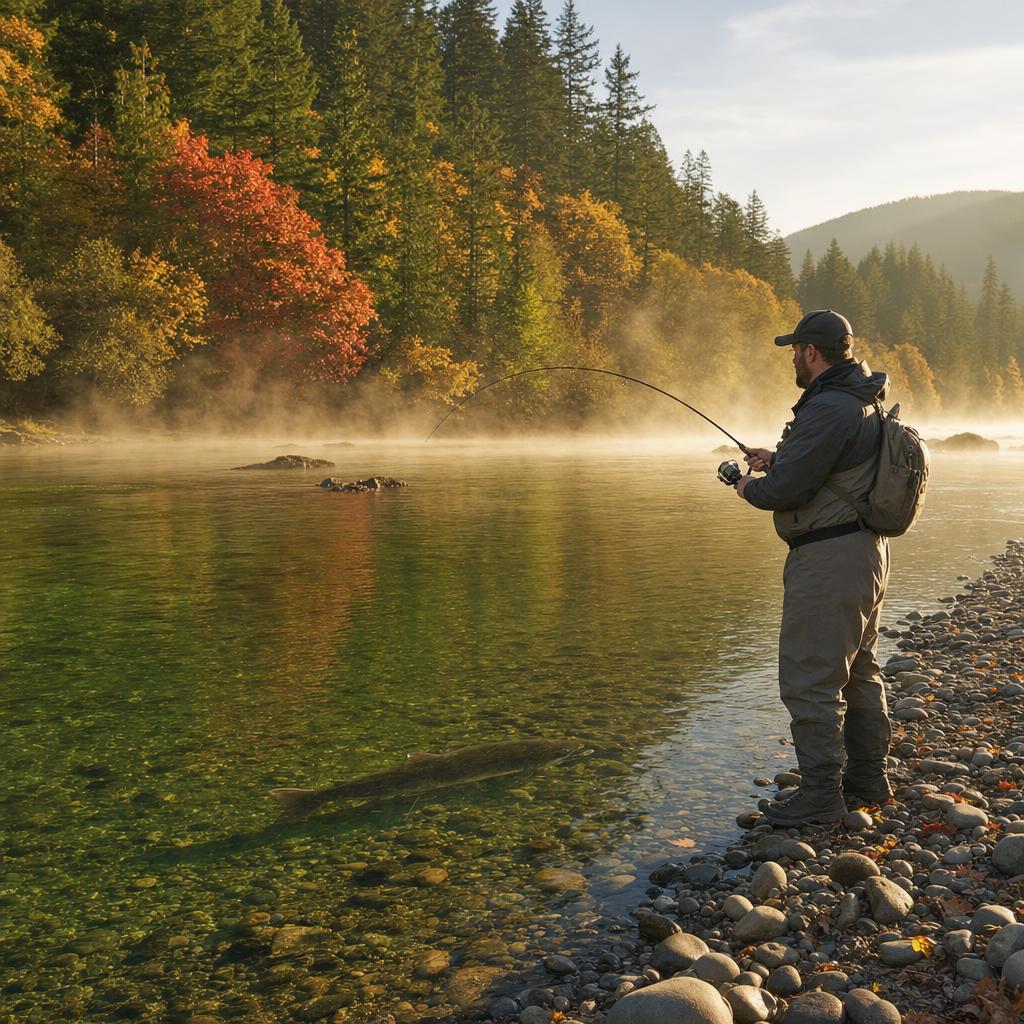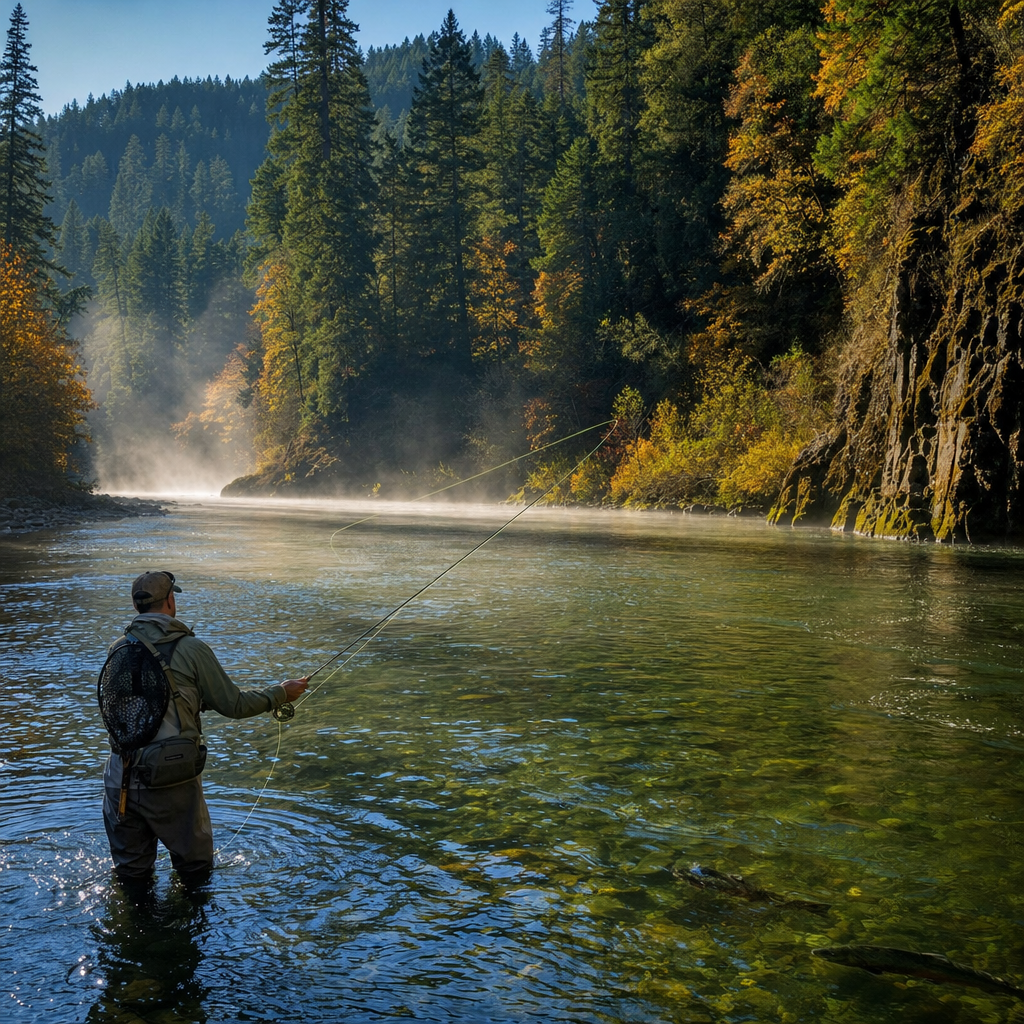
Crane Prairie Reservoir sits at 4,445 feet in the heart of the Deschutes National Forest, a 3,400-acre impoundment on the upper Deschutes River that has earned a national reputation among stillwater fly fishers. By mid-October, the summer crowds are long gone, the reservoir surface has cooled into the low 50s Fahrenheit, and the rainbow trout — the famous "Crane Prairie rainbows" that grow massive on a diet of chubs, dace, and freshwater invertebrates — are actively feeding in shallow water for the last time before winter. This is one of Oregon's best fall trout fisheries, and it belongs almost entirely to the angler willing to make the drive down Forest Road 40 after the Labor Day rush clears out.
Why Fall Is the Best Time at Crane Prairie
Summer at Crane Prairie means algae blooms, warm surface temperatures, and trout pushed deep and lethargic. Fall flips the script. Cooling water temperatures pull the rainbows back into the shallows — the weed flats, submerged timber, and inlet areas that are too warm to fish effectively from June through August. The fish are stacking calories before winter, and their aggression level climbs with every degree the thermometer drops. October through early November is prime time.
The reservoir also receives a natural injection of spawning kokanee salmon from nearby Wickiup Reservoir via the Deschutes River channel in fall. The kokanee die off and their carcasses — along with the eggs that wash downstream — create a feeding frenzy among the resident rainbows. Egg patterns, flesh flies, and large streamers work exceptionally well during this window.
Access and Facilities
Crane Prairie is reached via US-97 south of Bend, then west on Forest Road 40 (Century Drive / Cascade Lakes Highway). The reservoir is approximately 55 miles from Bend. Three primary access points serve anglers:
- Crane Prairie Campground (South Shore): The main launch ramp, boat rentals available seasonally at the resort, and direct water access to the southern weed flats. The resort typically closes in mid-October, so call ahead (541-383-3004) to confirm services if you're planning a late trip.
- Cow Meadow Campground (North End): At the reservoir's north end near the Deschutes River inlet — excellent wading and float tube access, and prime water for the fall kokanee-driven feeding activity.
- Quinn River Campground: On the west side, with good access to the timber snag areas that hold large trout in October.
Most campgrounds are open through October and are available first-come, first-served. The Deschutes National Forest Recreation Information line (541-383-5300) has current conditions and road closures.
The Fish: What You're After
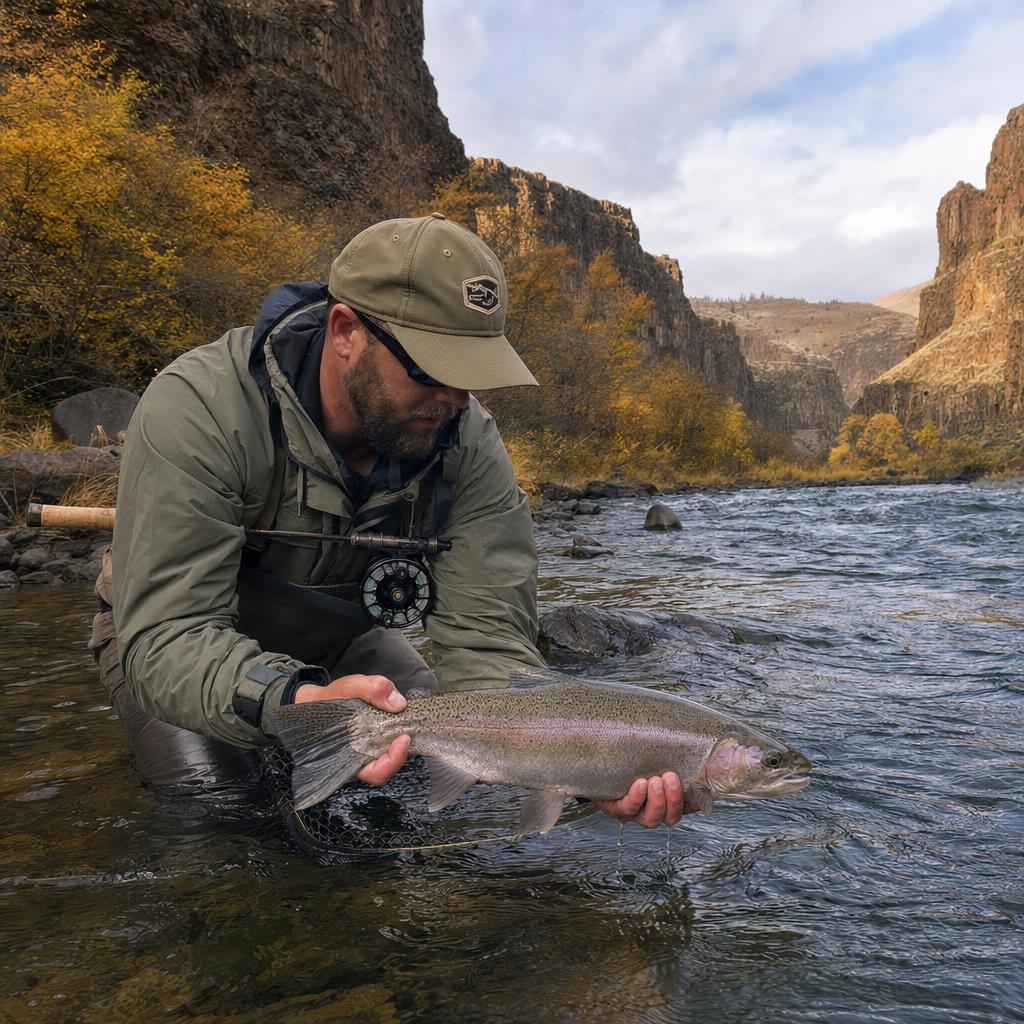
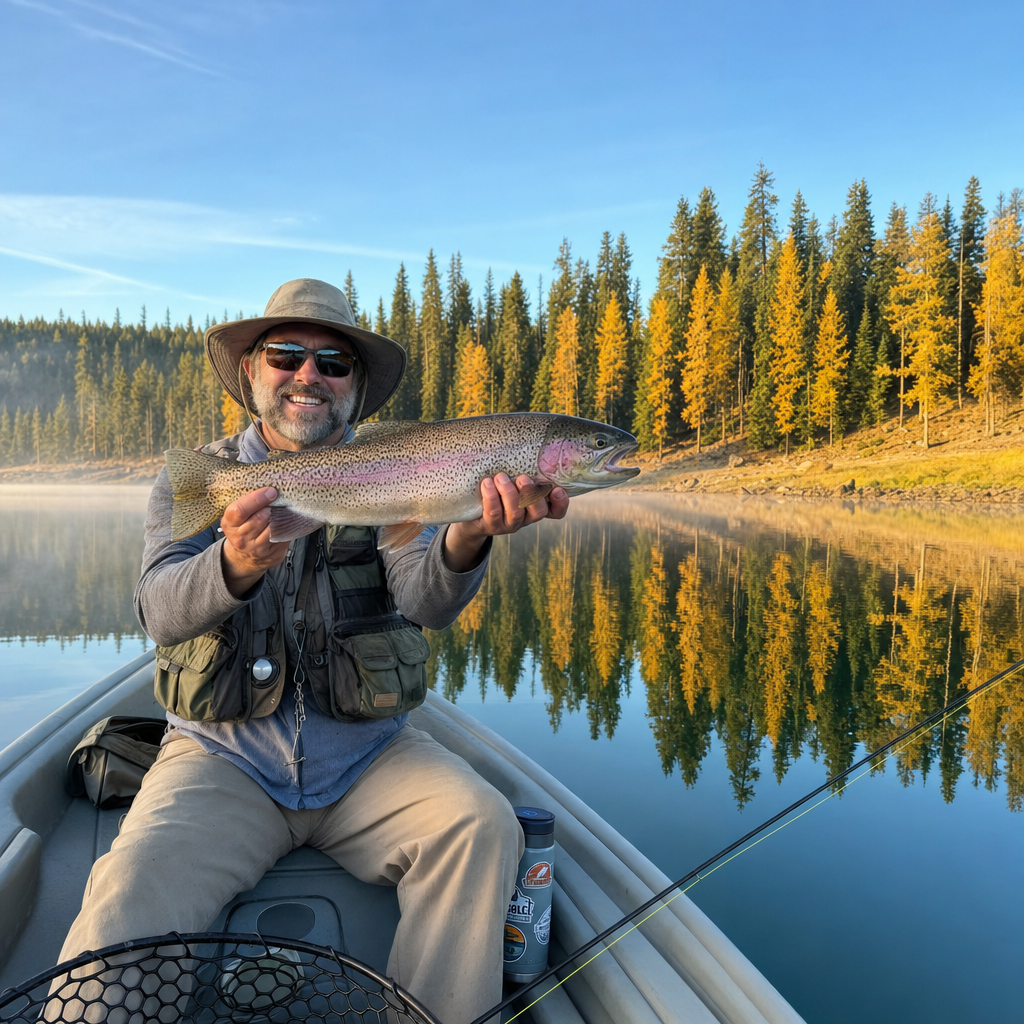
Crane Prairie's rainbows are not typical Deschutes redsides. These fish grow fat on the reservoir's abundant food base — primarily the Utah chub population, which provides a high-calorie forage — and commonly reach 18–22 inches, with fish over 24 inches caught regularly by experienced anglers. The reservoir record exceeds 8 pounds. These are heavily conditioned fish with deep bodies and incredible fighting ability. A 20-inch Crane Prairie rainbow on a 5-weight fly rod in open water is a legitimate aerobic event.
The fish are primarily hatchery rainbows (Oregon Dept. of Fish & Wildlife stocks Crane Prairie annually), but the reservoir environment produces wild-looking fish that bear little resemblance to their hatchery origins after a season or two in the reservoir. Regulations allow a generous bag limit — check the current ODFW synopsis, as limits and gear rules can vary by season — but many anglers practice selective harvest, keeping occasional fish for the table while releasing the largest individuals.
Fly Fishing Tactics for October
Crane Prairie is a fly-fishing-only reservoir (check current ODFW regulations — the fly-only status has been in place historically but verify for the current season). The water is generally shallow and clear enough that presentation matters more than anywhere else you'll fish in Central Oregon.
Stillwater Nymphing
The most consistent fall method. Use an intermediate sink-tip or full-sink line (Type II or III) with a 10–12 foot leader. Productive patterns include:
- Chironomid pupa (sizes 14–18, red, black, olive) under an indicator in 6–12 feet of water near weed edges
- Balanced Leeches (black, olive, or burgundy, size 10–12) on a floating line with an indicator — deadly over the weed flats
- Pheasant Tail Nymph (size 14–16) stripped slowly through open water channels between weed beds
Streamer Fishing
October's best action often comes on streamers stripped through the submerged timber and weed bed edges. A Type III or IV full-sink line with a short 4-foot leader and a 3–4 inch olive Woolly Bugger, articulated leech, or Sparkle Minnow will provoke aggressive strikes from feeding rainbows. Count down to 6–10 feet and strip with a variable retrieve — long pulls mixed with short twitches. Hits often come on the pause.
Egg and Flesh Patterns
During peak kokanee spawning activity (usually mid-October through early November), a single egg pattern or small flesh fly dead-drifted or slowly retrieved near the inlet channels can be the most productive pattern in the water. McFly Foam eggs in peach, orange, or pink sizes 10–14 are standard. Strip them slowly on an intermediate line through 4–8 feet of water near the Cow Meadow inlet area.
Boat vs. Wade vs. Float Tube
A small boat or pontoon boat is the most effective platform at Crane Prairie. The reservoir is shallow (averaging 8–10 feet) and weedy, which means an electric motor allows precise positioning over productive areas without spooking fish. Float tubes and personal watercraft work well in the calmer south and west sections. Wading is possible along the shoreline near Cow Meadow and Quinn River, but the soft silty bottom requires wading slowly and carefully — you'll sink if you rush.
Gear and Practical Notes
- Rod: 5- or 6-weight, 9–10 feet. Longer rods help when nymphing under an indicator from a float tube.
- Lines: Carry both a floating line and a Type II–III intermediate. You'll switch based on where the fish are sitting in the water column.
- Weather: October mornings at Crane Prairie are cold — often 25–35°F at dawn. Dress in layers, bring a thermos, and plan to fish through the mid-morning warm-up when surface activity typically picks up.
- Fishing pressure: Minimal in October. You may go entire mornings without seeing another angler, which is a luxury that's hard to find anywhere else in Oregon this close to Bend.
Crane Prairie in October is the kind of fishing that reminds you why you got into stillwater fly fishing in the first place. Big, strong rainbows in a gorgeous high-desert setting, with no crowd and no heat — just ponderosa pines, cold air, and fish that fight like they mean it. It's worth every mile of that drive down Forest Road 40.