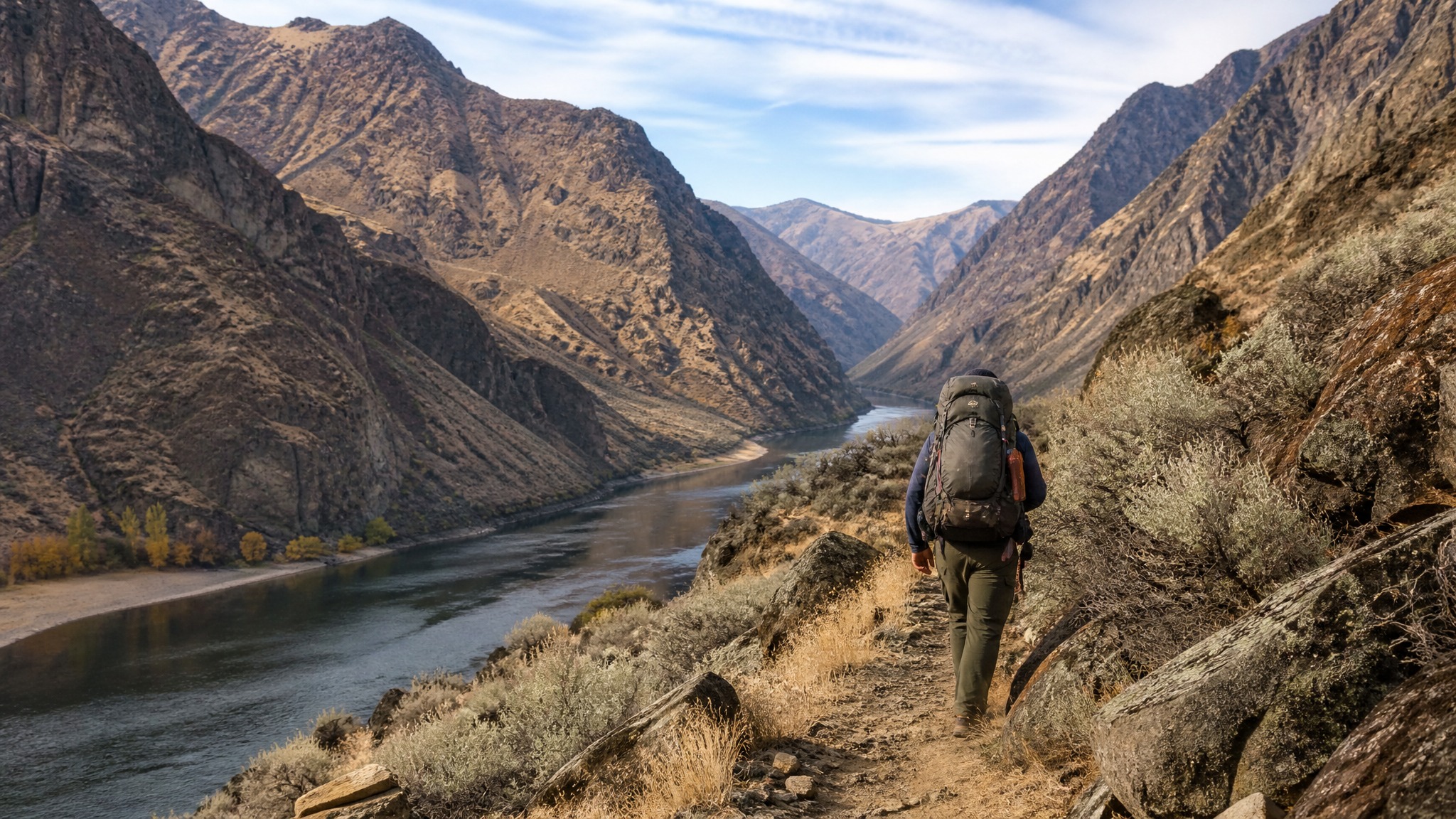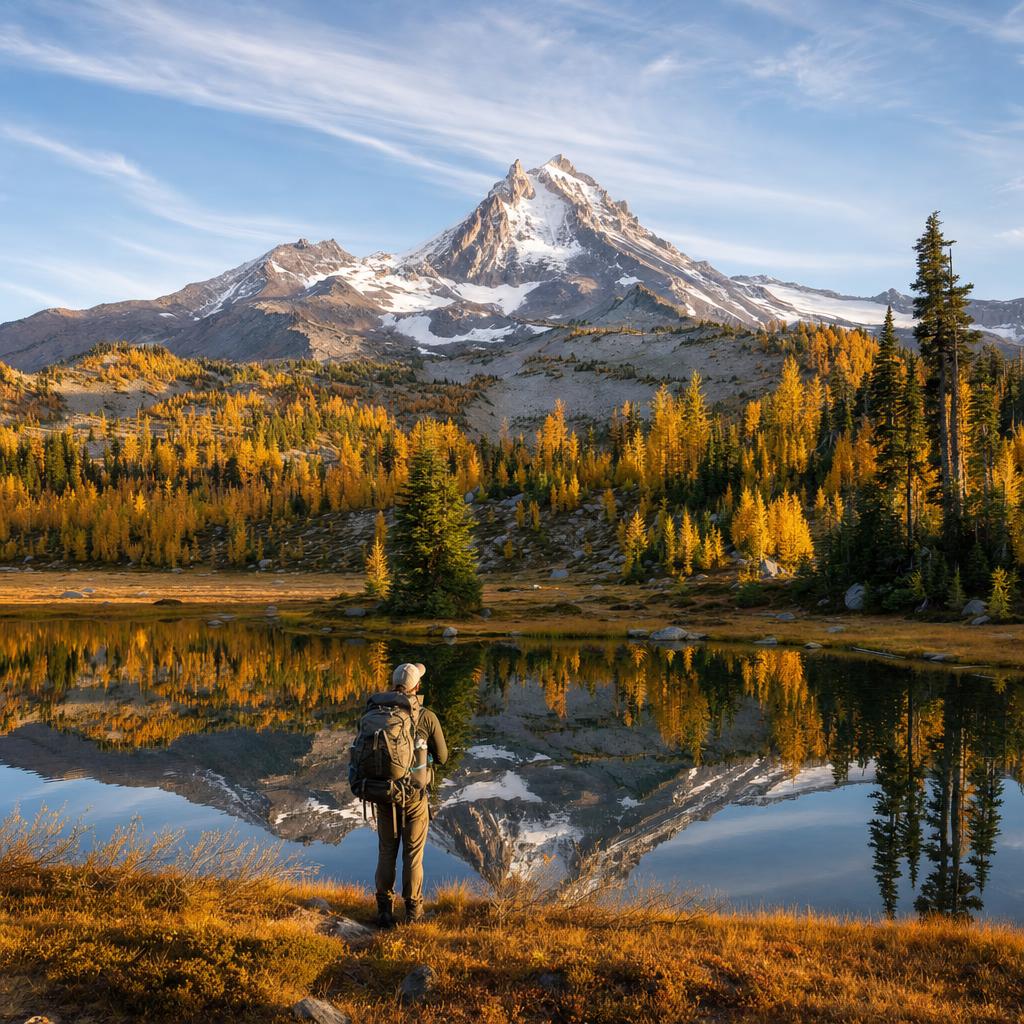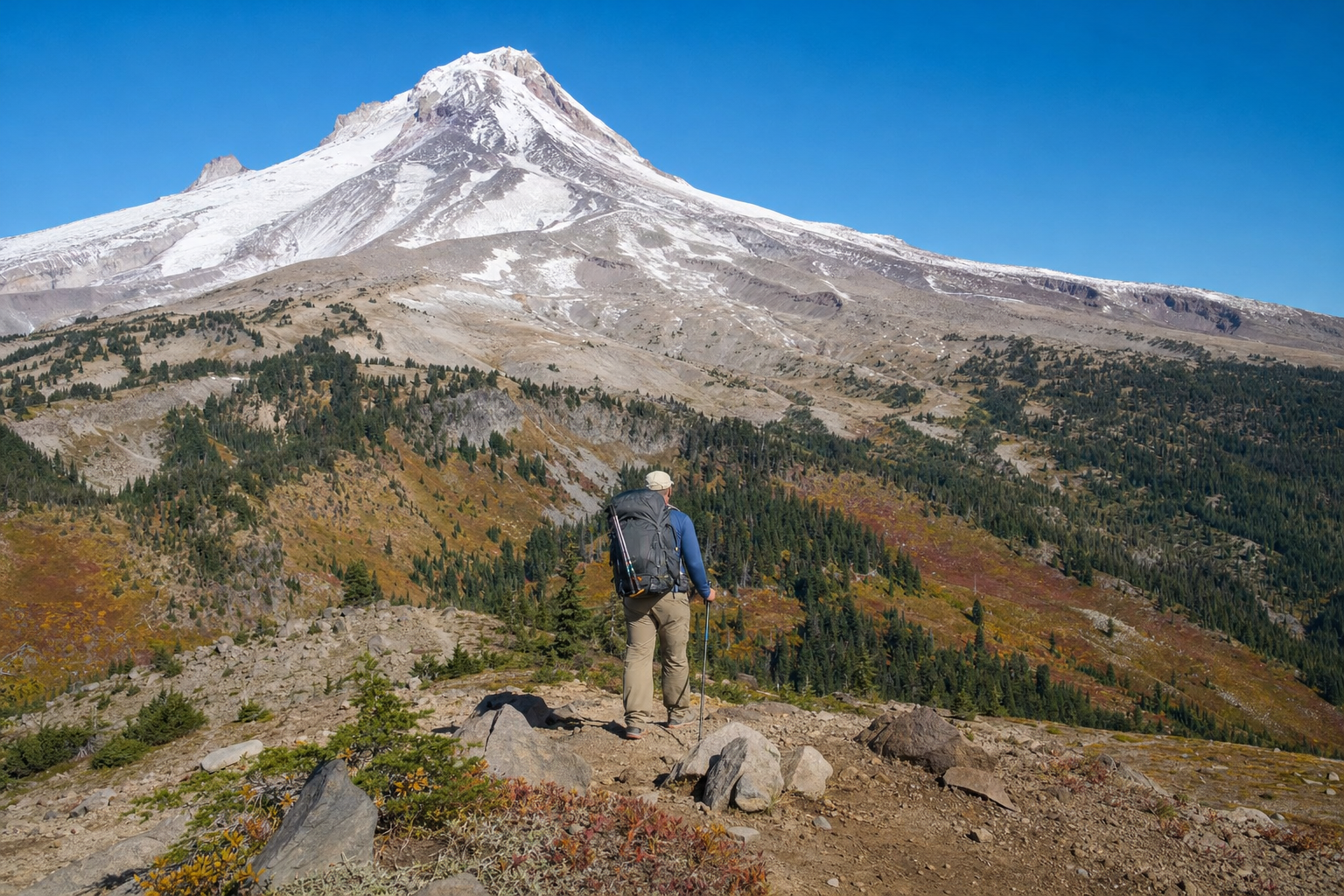
The Timberline Trail is Oregon's great circumnavigation — a 40-mile loop that circles the entire flanks of Mount Hood through wilderness meadows, glacier-fed creek crossings, and some of the most dramatic volcanic scenery in the Pacific Northwest. Most hikers tackle it in summer. But October offers something different: fewer crowds, autumn color in the heather and huckleberry fields, fresh snow dusting the upper mountain, and a genuine sense that the season is closing the door behind you. Do it before that door shuts.
Here's everything you need to plan a successful 4-day Timberline Trail loop before October snow makes the high routes impassable.
Route Overview and Direction
The Timberline Trail (Trail #600) encircles Mount Hood at elevations ranging from roughly 3,400 feet on the Sandy River side to over 7,300 feet on the Eliot Glacier headwall traverse. Most hikers start and end at Timberline Lodge on the south side of the mountain, at approximately 6,000 feet elevation.
The loop can be hiked in either direction. Counterclockwise (heading west first toward the Sandy River) is the most common choice, as it gets the waterfall-heavy west side early when legs are fresh and saves the dramatic north side views for the middle days. Total distance is approximately 40 miles with roughly 8,900 feet of cumulative elevation gain.
A 4-Day October Itinerary
Day 1: Timberline Lodge to Ramona Falls (9.5 miles)
Head west from Timberline Lodge on the PCT/Timberline Trail, dropping through the Sandy River canyon. The Sandy crossing can be knee-deep in summer but is typically manageable in October as glacier melt slows. Continue through mossy old-growth to Ramona Falls, one of Oregon's most photographed waterfalls. Camp at the established Ramona Falls sites (permit required) or push slightly north to sites near the upper Sandy.
Day 2: Ramona Falls to Elk Cove (10 miles)
This is the crown jewel day. The trail climbs back into alpine terrain, passing through the Bald Mountain and Top Spur areas before dropping into the stunning Cairn Basin. Continue around the northwest shoulder to Elk Cove — an open alpine cirque with wildflowers gone to seed and the north face of Hood reflected in small tarns. October light here is golden and extraordinary. Camp at Elk Cove; water is abundant from the creek draining the Coe Glacier.
Day 3: Elk Cove to Cloud Cap Saddle (10.5 miles)
The trail skirts the north side of the mountain beneath the Eliot Glacier — the largest glacier on Hood. The Eliot Branch crossing can be challenging; scout before committing. The trail climbs to the dramatic Cooper Spur area before dropping to Cloud Cap Saddle (7,000 ft), where the historic Cloud Cap Inn sits. Dispersed camping is available nearby in the trees below the saddle. October nights here will be cold — bring 20°F or warmer sleeping gear.
Day 4: Cloud Cap Saddle to Timberline Lodge (10 miles)
The final day traverses the east and south flanks of the mountain, passing through the open pumice fields and subalpine meadows of the Newton Creek drainage. Newton Creek crossing can be a braided challenge — use trekking poles and take your time. The final stretch back to Timberline Lodge climbs through the familiar Palmer Snowfield environs, with the lodge coming into view from a ridge well before you arrive. Reward yourself with a meal inside.
October-Specific Hazards and Considerations
- Snow — The high sections of the route above 6,500 feet can receive early-season snow in October. Check the National Weather Service Portland forecast for Mount Hood summit conditions before departing. If a storm is coming, delay or take a lower-elevation bail-out route
- Water crossings — While October levels are lower than summer peak, the Eliot Branch and Sandy River still demand respect. Sandals or dedicated crossing shoes are recommended
- Shorter days — October daylight in Oregon runs roughly 11 hours by mid-month, down to 10.5 hours by end of month. Plan your daily miles to finish before dark; headlamps are non-negotiable
- Permits — A Northwest Forest Pass or America the Beautiful pass is required for trailhead parking at Timberline Lodge. A wilderness permit (self-issue at the trailhead) is required for overnight use in the Mount Hood Wilderness
Gear Essentials for October on Hood
October conditions on the Timberline Trail are genuinely alpine. Do not underpack:
- Sleeping bag: 20°F rated synthetic or down — nights at Cloud Cap Saddle can drop into the teens
- Rain gear: A waterproof hardshell jacket and pants; Pacific Northwest October weather can turn wet without warning
- Microspikes: If early snow is on the ground above 6,500 feet, microspikes provide critical security on icy trail sections
- Navigation: Download Gaia GPS or CalTopo maps offline; the route is well-marked but October storm clouds can reduce visibility rapidly
- Bear canister: Not required but strongly recommended — black bears are active in fall on Hood, feeding before denning
Trailhead Access and Leave No Trace
Timberline Lodge is located off US-26 east of Sandy, Oregon — approximately 60 miles from Portland. The trailhead parking area is large but fills on weekends even in October. Arrive early or take an Uber/shuttle from Government Camp to reduce pressure on the lot.
The Timberline Trail sees heavy cumulative use. Camp only at established sites where they exist, use a trowel for cat-hole waste disposal 200 feet from water and trail, and pack out all trash. October is your chance to experience Hood without the summer crowds — honor that privilege by leaving the mountain exactly as you found it.
The Timberline Trail in October is one of the finest experiences the Pacific Northwest has to offer. The volcanic grandeur, the autumn quiet, and the feeling of being one of the last hikers of the season make it a trip you'll plan around every fall. Don't put it off — the snow will come, and this window closes fast.