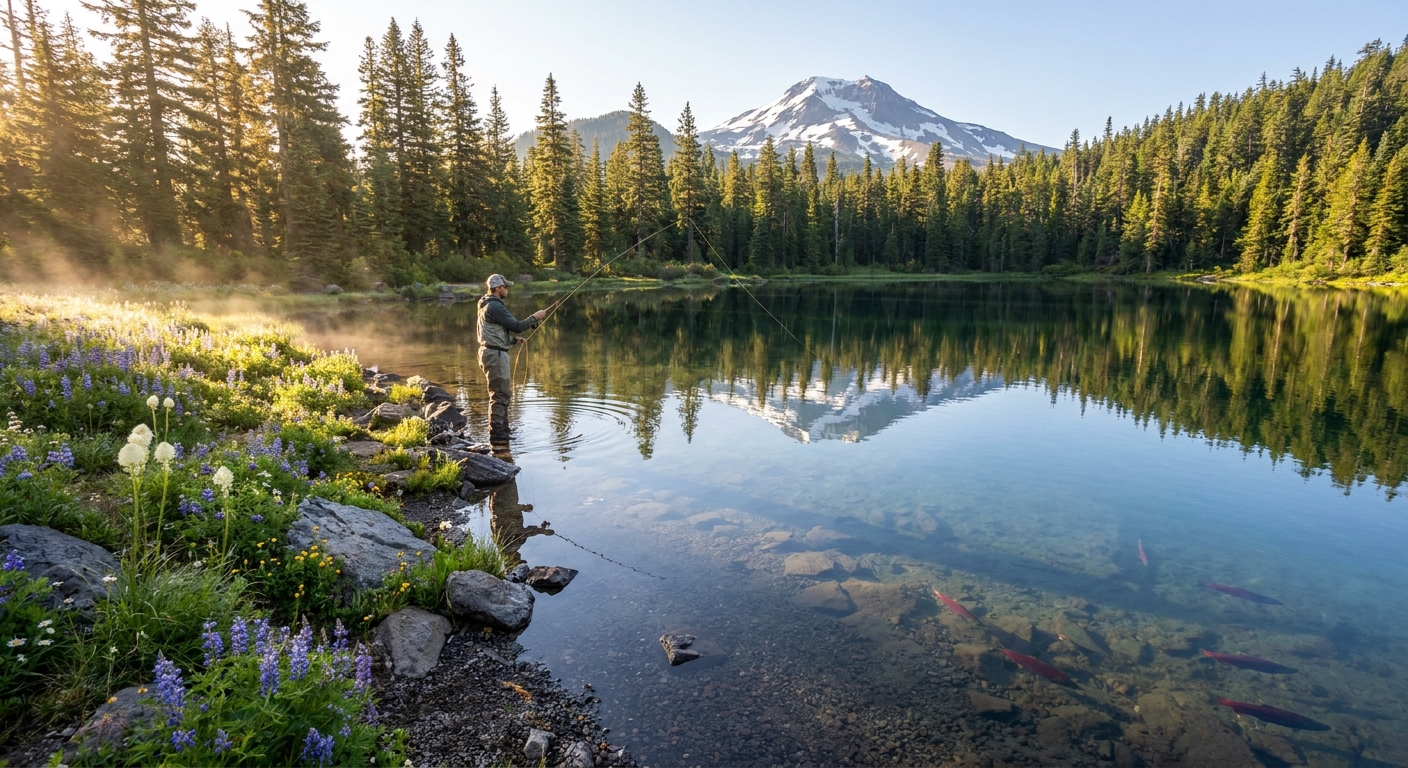
Elk Lake sits at 4,884 feet in the heart of Oregon's Cascade Range, cradled between the Three Sisters Wilderness and Newberry Volcanic National Monument. With South Sister and Broken Top reflecting in its deep, cold water on calm summer mornings, it's arguably the most photogenic fishery in the state. But Elk Lake isn't just a backdrop for Instagram — it consistently produces quality rainbow trout and kokanee salmon from June through September, making it worth a dedicated trip anytime this summer.
What Lives in Elk Lake
Elk Lake is stocked regularly by ODFW with rainbow trout, and it holds a self-sustaining population of kokanee — landlocked sockeye salmon — that spend their entire life cycle in the lake's cold, clear water. The kokanee typically run 10–14 inches with occasional fish pushing 16 inches by late summer. The rainbows average 10–13 inches from stocking, though carryover fish caught on hardware in deeper water can push 18 inches or more.
The lake also holds some brook trout near inlet streams and in its shallower northwest bays, particularly early and late in the season when water temperatures are lowest.
Best Spots on the Lake
- The South End: The deepest part of the lake, typically 60–80 feet. This is where kokanee school in summer, suspended 20–35 feet down in the thermocline. Trollers should focus here.
- The Northwest Inlet: A small stream feeds in from the north, creating a temperature and oxygen differential that holds trout in summer. Wade or float fish around this area with nymphs or small spinners.
- The Elk Lake Resort Dock Area: Don't overlook the dock and near the boat launch. The structure holds fish, and early morning bank casters regularly pick up stocked rainbows here before the lake traffic picks up.
- The East Shoreline: Shallow rocky structure transitioning to deeper water. Good for evening surface feeders, especially in calm conditions with a caddis or PMD hatch.
Trolling Tactics for Kokanee
Kokanee at Elk Lake respond well to the same techniques that work at Odell and Crescent. Run a dodger — a 4-inch Jensen or Sep's UV dodger in pink, silver, or chartreuse — 6–8 inches ahead of a small Wedding Ring spinner tipped with a kernel of shoepeg corn. Troll slow, around 1.2–1.8 mph. Keep your lines at 20–35 feet depending on where the fish are showing on your sonar.
If you don't have downriggers, a simple inline sinker rig with a long leader works on this lake's relatively small size. Lead core line in 3–5 color runs is another effective option that keeps tackle simple.
Kokanee are notorious for soft mouths — use light wire hooks (No. 6–8), keep drag settings lighter than you think you need, and land fish in a net rather than lifting them out.
Fly Fishing Elk Lake
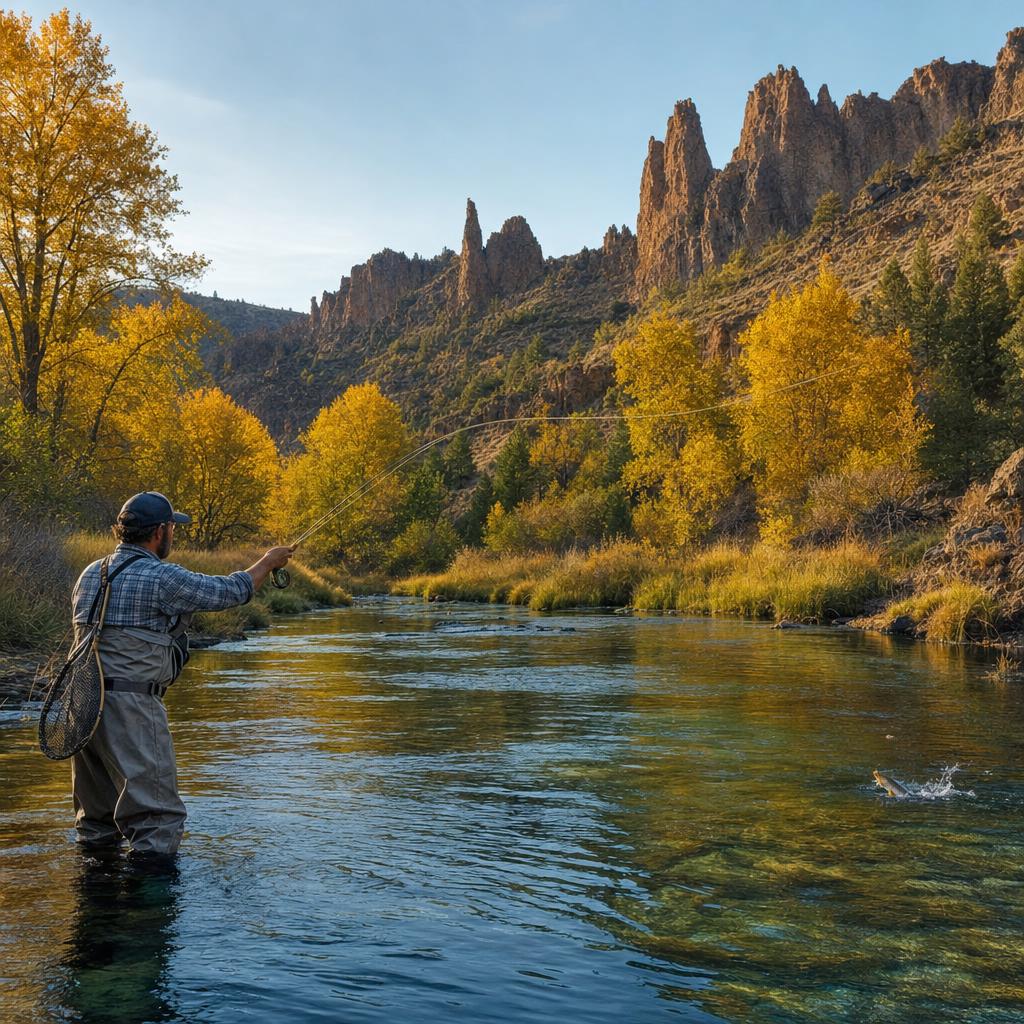
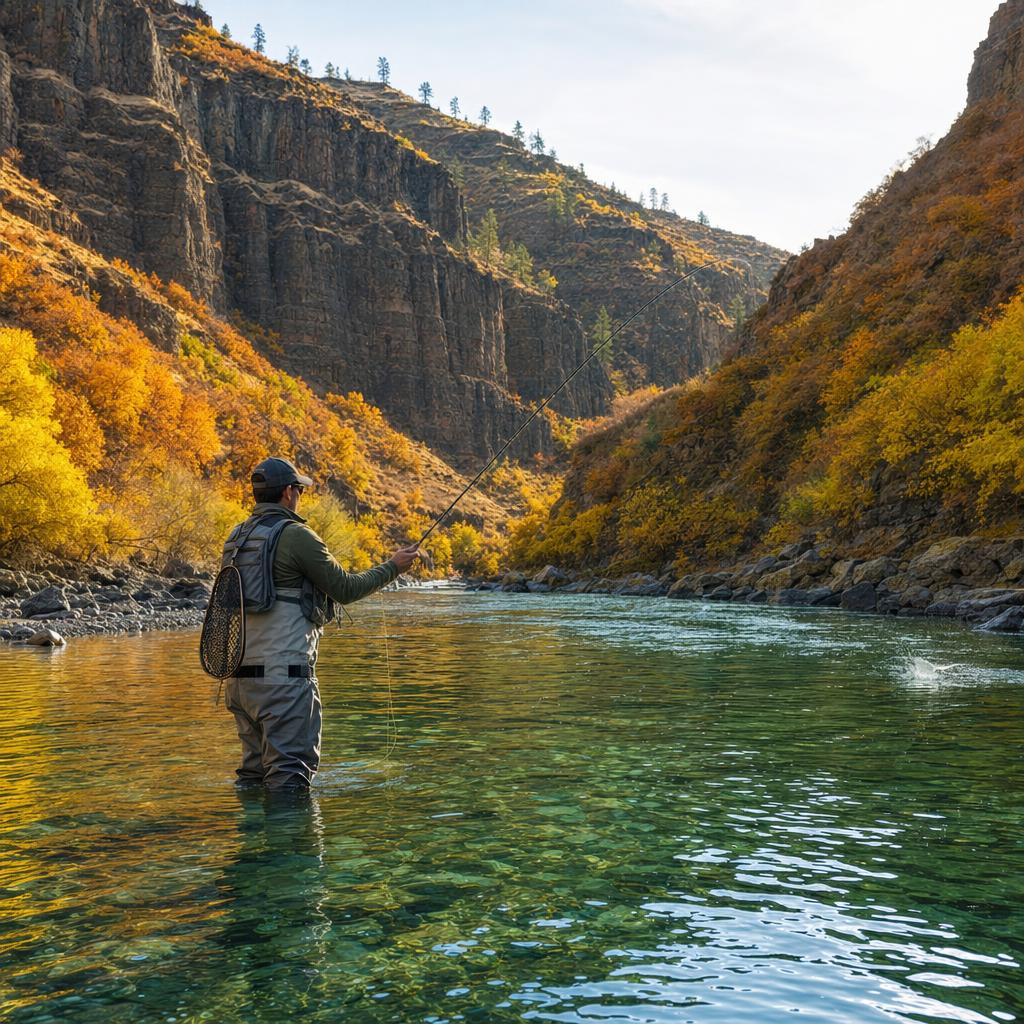
Elk Lake is a fly fisher's paradise in the evenings. The Cascade hatches fire reliably: callibaetis mayflies emerge through mid-morning, caddis come off in the evening, and chironomid hatches occur throughout the day in calm conditions. A float tube or pontoon boat opens up the entire lake and lets you work rising fish systematically.
During flat calm evenings, look for dimpling risers along the east shore and near the inlet. A size 14–16 Elk Hair Caddis or Parachute PMD will draw strikes. If fish are sipping subsurface, switch to a size 16 Sparkle Pupa or Zebra Midge fished in the film.
From a float tube, anchoring near structure and hanging a size 16–18 chironomid under an indicator at 15–25 feet is one of the most productive mid-day approaches when surface action is off.
Shore and Spin Fishing
Bank fishers do well at Elk Lake with small Panther Martin and Rooster Tail spinners in gold or silver. Cast parallel to shore and vary your retrieve depth. The south boat ramp area and the resort dock provide the easiest bank access. PowerBait and worm rigs suspended under a bobber also produce stocked rainbows reliably for anyone bringing kids along.
Regulations and Access
Elk Lake is open for year-round fishing under general ODFW regulations. The season for kokanee typically allows up to 10 fish per day. Always verify current rules in the Oregon Sport Fishing Regulations before your trip — bag limits and tackle restrictions can change.
Elk Lake Resort (open Memorial Day through October) offers boat rentals, a small store, cabins, and camping. The Elk Lake Campground (USFS) provides additional sites nearby. The drive in from Bend takes about 35 minutes via Century Drive / Cascade Lakes Highway. A Northwest Forest Pass or America the Beautiful pass is required for day parking at USFS sites.
Tips for a Successful July Trip
- Arrive early — afternoon winds on Elk Lake can make trolling difficult and push surface feeders down
- Bring layers — even in July, early mornings at 4,884 feet run cool and afternoons can produce thunderstorms
- Watch for osprey and bald eagles working the south end — they congregate where the fish are
- Kokanee fishing is typically best from mid-July through mid-September before the fish shift toward spawning behavior
- Check current road conditions on the Cascade Lakes Highway — some sections may have late snow delays in early season
Elk Lake doesn't show up on lists of Oregon's top fisheries as often as it deserves. For anyone who's willing to make the drive into the Cascades, the combination of scenery, reliable action, and a resort with rentals makes it one of the most well-rounded summer fishing destinations in the state.