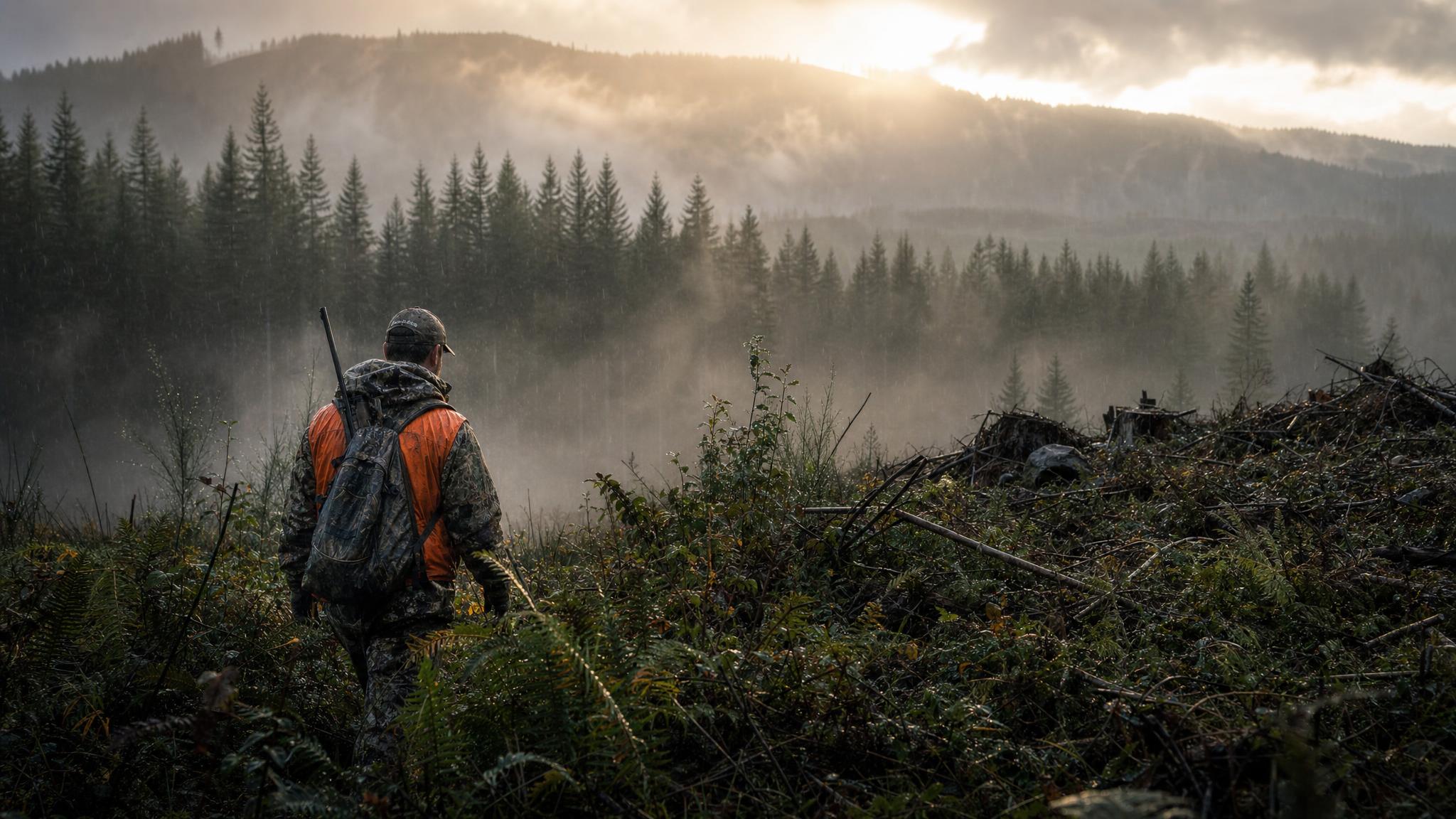
Oregon's archery deer season opens August 22nd, and most hunters in the southern part of the state default to the familiar: the Rogue or Umpqua drainages, units with easy road access, country they've hunted before. If that describes you, consider making a change this year. The Applegate Unit, tucked into the Klamath Mountains south of Medford, carries a small-town reputation among local hunters but almost none among the broader Oregon bowhunting community. That's an opportunity.
Blacktail country in the Siskiyous isn't glamorous. It's steep, brushy, hot in late August, and demanding. The bucks know it, too — they use the terrain like a fortress. But the hunters willing to study maps, climb hard, and slow down when it matters will find deer that never see pressure from anyone except a few locals.
Understanding the Applegate Unit
The Applegate Unit is defined by the Applegate River drainage in Jackson and Josephine counties. The terrain is classic Klamath Mountains: steep ridges, mixed conifer and hardwood, lots of manzanita and chinquapin brush, broken by small meadows and shaded north-facing canyons. Elevations range from around 1,500 feet in the river bottoms to over 6,500 feet on the higher ridges near the California border.
Public land access is good across much of the unit. The Rogue River-Siskiyou National Forest covers the majority of the drainages, with BLM mixed in at lower elevations. The Red Buttes Wilderness along the southern boundary is closed to motorized vehicles — which is exactly where mature bucks spend August undisturbed.
Where Blacktails Live in August
Columbia blacktail deer in August are in summer pattern. Bucks are in velvet, feeding aggressively, and holding to predictable terrain. In the Applegate country, that means:
- North-facing slopes — They hold moisture, grow denser vegetation, and stay cooler. Blacktails bed in the shade and feed along the edges at first and last light.
- Saddles and benches above 4,500 feet — Get above the heat. Bucks especially push to higher ground in late August. Small parks, openings, and the brushy fringes above the timber line hold them.
- Near water — The Applegate River system has multiple small tributaries. Bucks in dry August conditions don't wander far from reliable water. Springs and seeps on north aspects are worth marking on your map.
- Clearcut edges and fire scars — Older clearcuts and the brushy regrowth on south-facing burns produce heavy browse. Bucks feed in these areas in the last hour of light.
Access and Scouting Strategy
Highway 238 and Applegate Road (County Road 859) are your main arteries. Star Ranger Station on the lower Applegate is a good stopping point for current road conditions and any fire restrictions. Expect road closures in dry years — the Siskiyous are serious fire country.
For digital scouting, run OnX Hunt and focus on north-facing drainages above 4,000 feet that hold a mix of timber and small openings. The country between the Applegate Reservoir and the Red Buttes Wilderness boundary deserves a close look — it's a long walk from any trailhead and holds deer that haven't been bothered since last season.
If you can get boots on the ground in late July, do it. Look for tracks in the soft dirt along drainages, beds in shaded timber, and rubs — velvet bucks still rub occasionally to remove bark from saplings. Fresh sign in July will still be fresh country in August.
Bowhunting Tactics in Heavy Timber
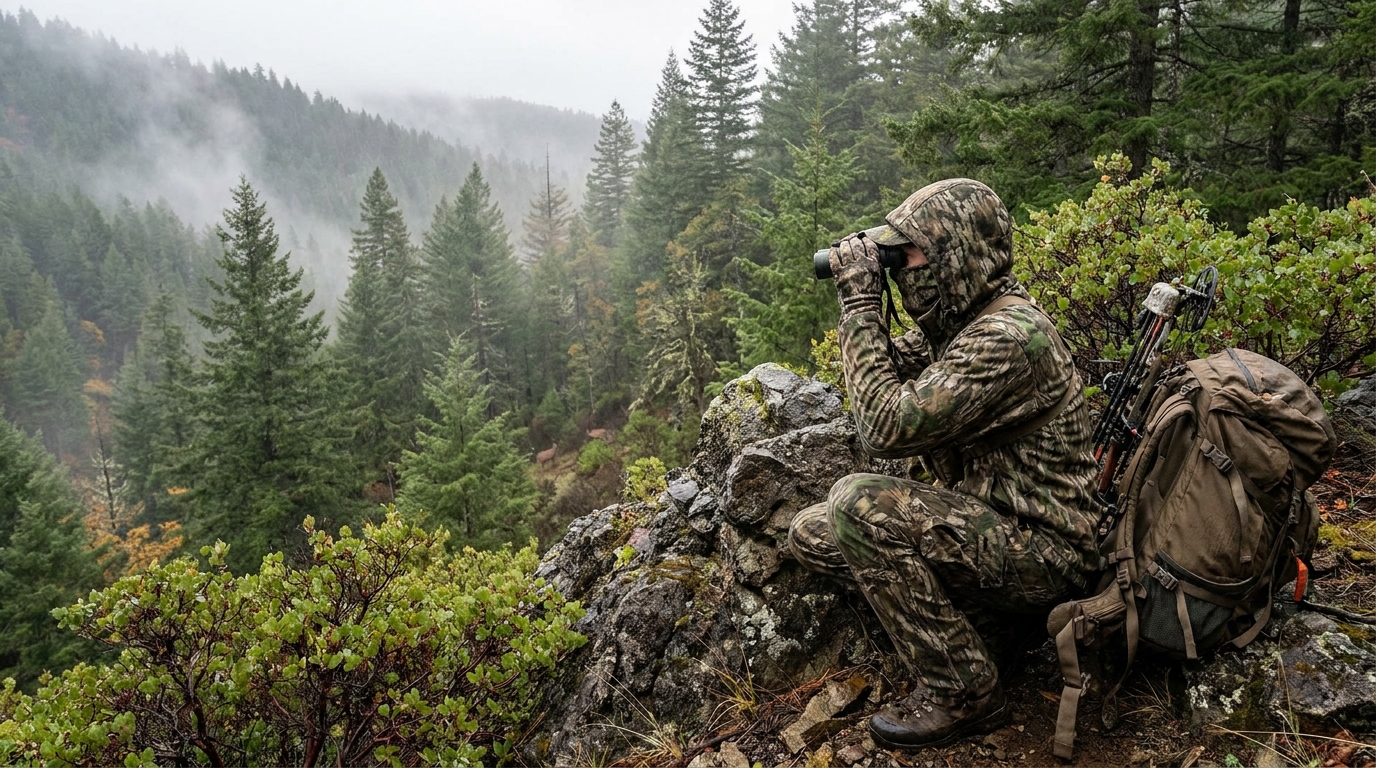
Forget the long-range glassing game. The Applegate isn't the high desert. You're hunting in timber with sight lines measured in yards, not hundreds of yards. Your primary tool is patience and boot leather, not glass.
- Still-hunting — Move slowly through timber, pause often, and look for parts of deer before you see a whole deer. One careful step, three looks. The classic Pacific Northwest timber method works here.
- Stand hunting near water — In dry conditions, a small spring or seep can be a reliable setup. Get in before first light, stay quiet, and let the deer come to you.
- Morning and evening only — Midday in August in the Siskiyous is brutal. Hunt hard the first two hours of daylight and the last two hours before dark. Rest in the shade in between.
What to Pack for a Multi-Day Push
The best country in the Applegate Unit requires overnight trips. Pack light and go farther in. A compact solo tent, four days of food, and a water filter will put you into country that other hunters won't reach on a day hike. Pull weight matters — keep your pack under 40 pounds and you'll hunt better and longer.
A quality meat bag and a frame pack for packing out are non-negotiable if you're going deep. Blacktail deer aren't giant animals, but a mature Applegate buck at 160–180 pounds dressed is a real carry out of steep terrain.
Tags and Regulations
The Applegate Unit is a general deer tag unit — available over the counter. No draw required. Oregon archery deer season typically opens the fourth Saturday of August. Pick up your tags at any ODFW licensing agent or online before you go. Confirm season dates and bag limits in the current Oregon Big Game Regulations before your hunt.
This is hard hunting. The terrain is steep, the brush is thick, and the bucks have a home-field advantage in country they know better than you. But if you show up willing to work for it, the Applegate Unit will reward you with the kind of hunt you'll talk about for years — whether or not you punch your tag.