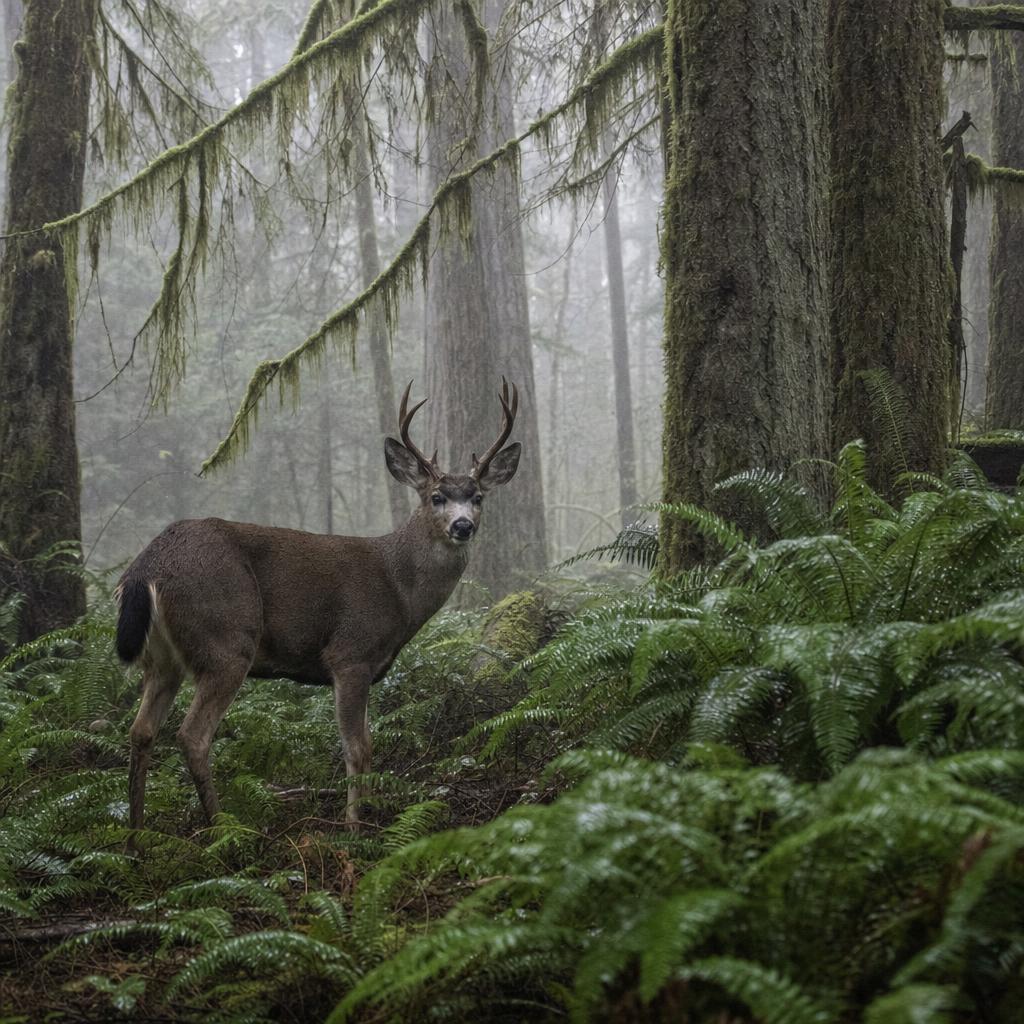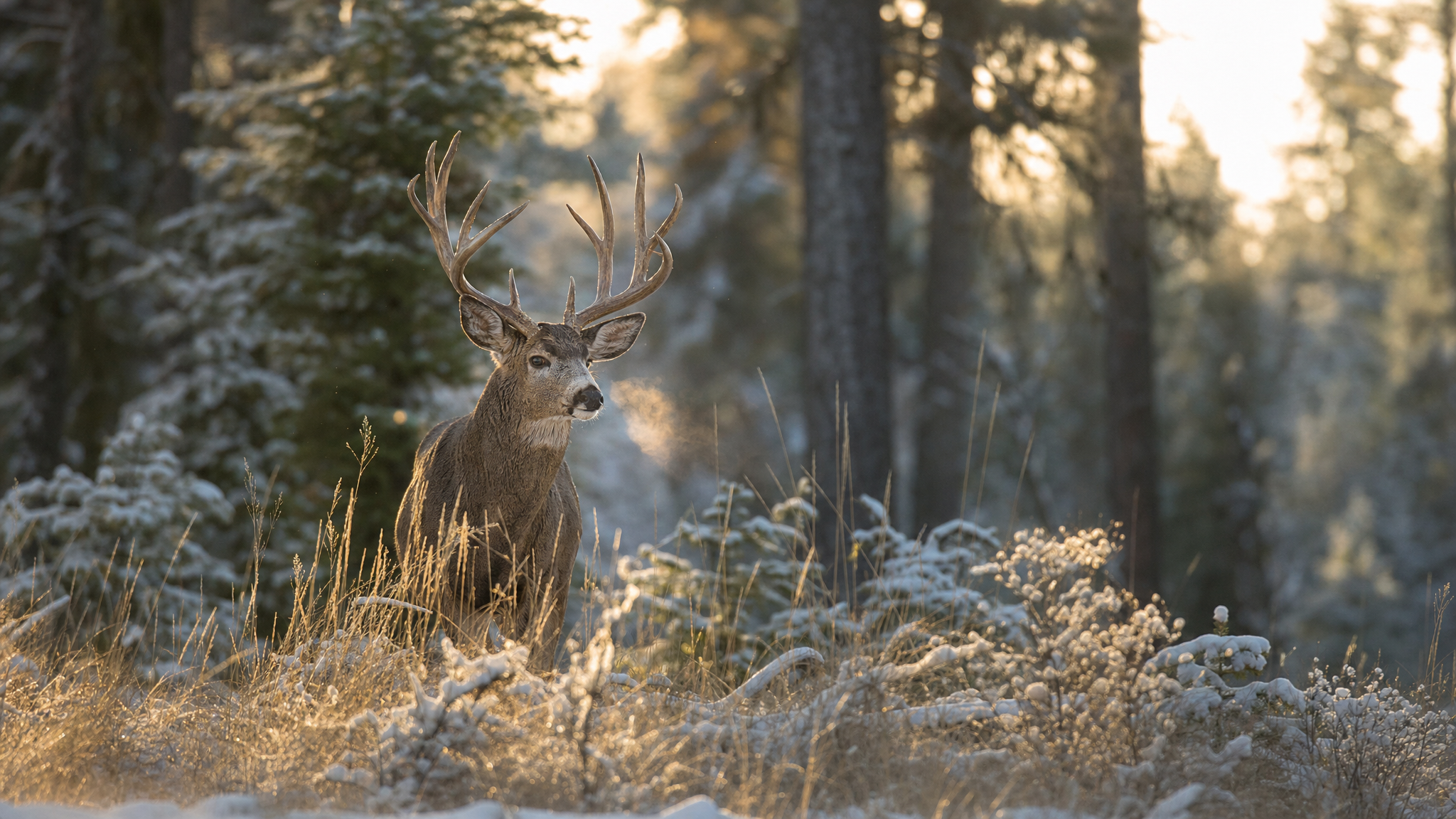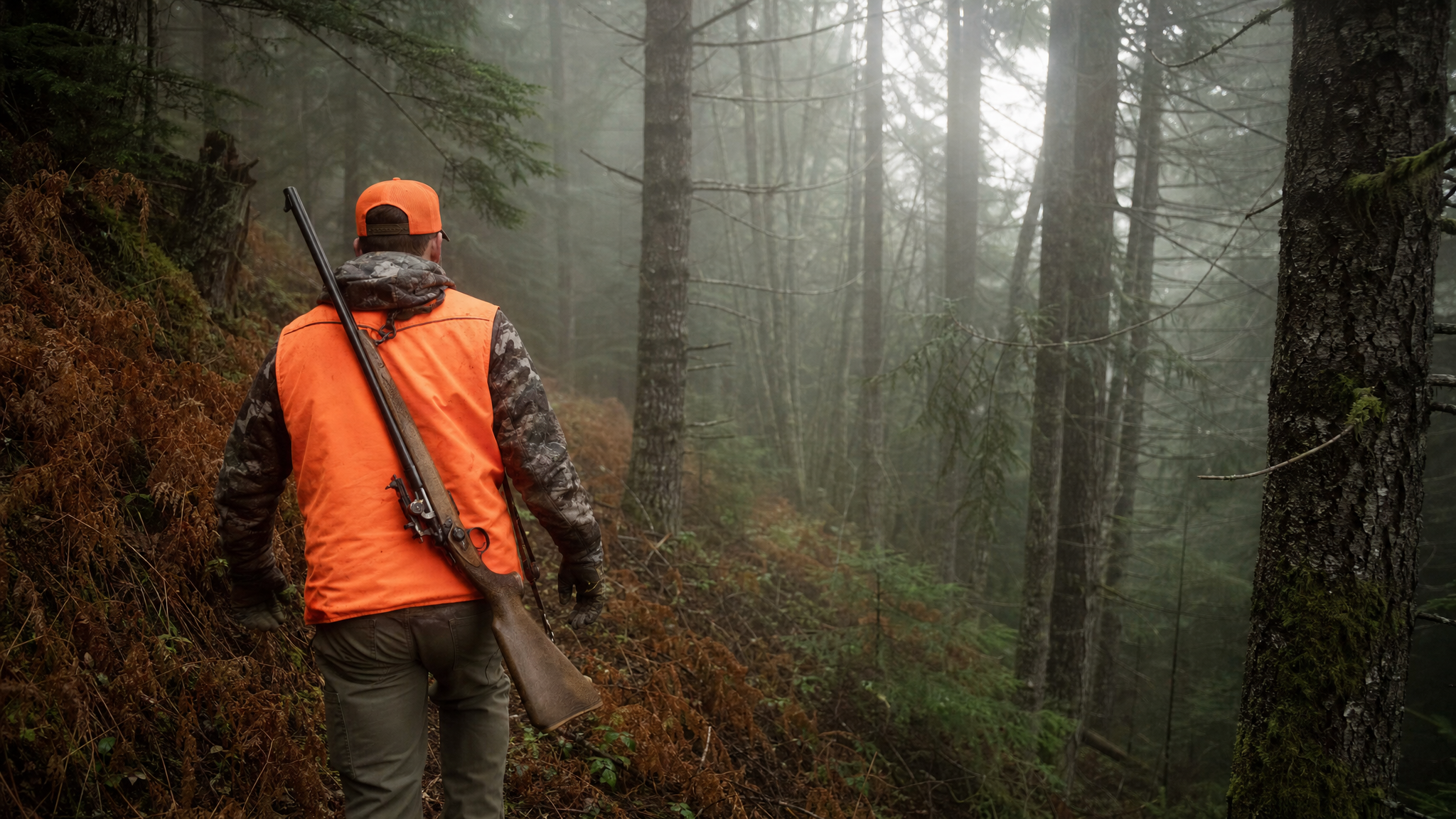
Oregon’s late-season muzzleloader deer tag is one of the most underused tags in the state. While most hunters hang up their blaze orange after the general rifle season wraps in late November, a small and dedicated crew loads up a smokepole and heads back into the timber for a December hunt that can produce some of the year’s finest bucks. The Coast Range and Cascade foothills see less pressure during this window, and blacktail that survived the rifle season have mostly returned to their core ranges, settled, and become predictable again.
Oregon Muzzleloader Season Overview
Oregon’s western Oregon muzzleloader deer season typically runs from late November into mid-December, depending on the unit. Units like the Alsea, Siuslaw, Trask, and Wilson River units in the northern Coast Range, along with the Santiam, McKenzie, and North Umpqua units along the Cascades, all carry solid populations of Columbia blacktail deer. ODFW regulations require a traditional or in-line muzzleloader shooting a single projectile. Modern semi-auto centerfire rifles do not qualify—check the current Oregon Big Game Regulations for exact equipment rules and season dates before you head out.
Where to Find December Blacktails
By December, Cascade foothill blacktails have shifted from the open clear-cuts they frequented during early season to the edge cover between mature timber and second-growth brush. Cold snaps push deer to lower elevations, often into creek drainages choked with alder and big-leaf maple. Focus your scouting on:
- South-facing slopes at 1,000–2,500 feet elevation where the sun cuts through and dried grass or forbs remain accessible
- Logging road edges in recently cut units within the Siuslaw National Forest and Tillamook State Forest where regrowth provides browse
- Alder and willow creek corridors in the Wilson, Trask, and Nestucca river drainages—deer bed in the timber above and feed in the bottoms
- Clear-cut edges adjacent to old-growth fingers—blacktails use the old timber for security and step out into the cuts to feed in low-light periods
Muzzleloader Setup for Wet Oregon Conditions
Rain is the defining factor of a December hunt in western Oregon. The Coast Range averages 10 to 15 inches of precipitation in December alone, and the Cascades foothills aren’t far behind. Your muzzleloader choice matters.
Inline vs. Traditional
Most Oregon blacktail hunters use an inline muzzleloader for the late season because they handle moisture better than traditional flintlock or percussion cap designs. Brands like CVA, Thompson/Center, and Traditions make reliable inlines. Many hunters opt for a stainless steel barrel and synthetic stock specifically for Oregon winters. If you hunt with a traditional caplock, keep a strip of rubber band or electrical tape over the nipple when moving between shooting opportunities—it keeps the percussion cap dry without blocking a quick shot.
Powder and Projectile Choices
Loose black powder absorbs moisture over time. Pelletized powders like Hodgdon Triple Seven or Pyrodex Pellets are more moisture-resistant and easier to manage in the field. Many hunters load 100 grains of powder equivalent behind a 250-grain .50 caliber conical or sabot bullet. The Barnes Expander MZ and Hornady SST are popular choices for blacktail at typical western Oregon ranges of 40 to 100 yards. Keep a dry patch in your possibles bag and swab the bore between shots if conditions allow.
Tactics for December Success
Slow Still-Hunting in Timber
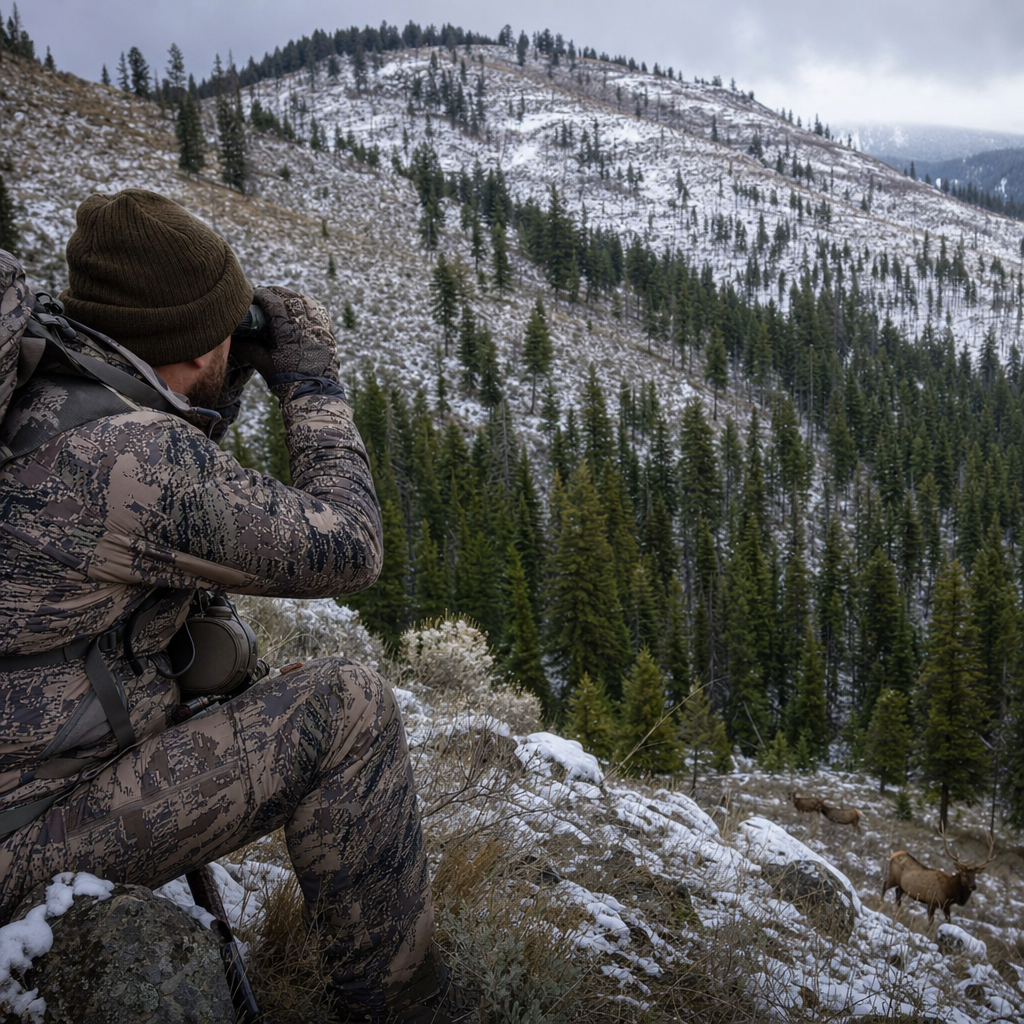
The most productive December technique is slow, methodical still-hunting through mature timber edges and second-growth. Move 10 to 15 steps, then stop and glass for a full minute or two. December blacktails are not in rut—they are focused on feeding and conserving energy. They bed late and rise early. Work into the wind, wear quiet wool or fleece over your base layer, and expect shots inside 60 yards in most Coast Range settings.
Stand Hunting Logging Roads
Many hunters find success using a portable hang-on or ladder stand positioned 15 to 20 feet up a large fir at the intersection of a logging road and a creek drainage or clear-cut edge. Deer move these corridors predictably in morning and evening light. The Trask River watershed, specifically the upper forks above Tillamook, is a classic zone for this approach. The North Fork Wilson River Road corridor in the Tillamook State Forest also produces consistent late-season sightings.
Rattling and Calling
The rut is long over by December, but soft doe bleats can still stop a deer in its tracks and give you a clean shot. A can call or basic reed call works fine. Avoid aggressive rattling—bucks have dropped most of their testosterone levels and won’t respond the way they would in October or November. Light tickling of antlers can occasionally draw in a curious buck in areas with higher deer density.
Shot Distance and Ethics with a Muzzleloader
Know your effective range and stick to it. A well-practiced muzzleloader hunter shooting from a solid rest can make clean shots to 100 yards in calm conditions, but rain, wind, and low light narrow that window. If you can’t clearly see your front sight or red dot on the target, don’t shoot. The Coast Range in December frequently offers fog, drizzle, and flat gray light. Carry a quality low-power variable scope (1–4x or 2–7x) or a fiber optic open sight system rated for wet conditions. Many serious muzzleloader hunters use a red dot sight for the low-light edge shooting that defines December blacktail hunting.
Gear Essentials for the December Muzzleloader Hunt
- 100% waterproof rubber boots—nothing ruins a December hunt faster than wet feet
- Lightweight rain jacket over quiet fleece or wool mid-layer
- Blaze orange hat and vest (required in Oregon during deer seasons)
- Possibles bag with dry patches, capper, extra pellets, bullets, and a small cleaning rod section
- Rangefinder—distances are deceptive in heavy timber
- Lightweight daypack with rope, gutting gear, and a game bag for packing out meat in wet conditions
- Topo maps or OnX Hunt loaded offline for the specific unit you are hunting
Final Thoughts
Oregon’s late-season muzzleloader tag rewards patience and preparation. The hunters who put in the time to understand December blacktail movement, invest in a weather-resistant setup, and commit to quiet slow-hunting in the timber are the ones who fill their tags when most hunters have already cleaned their rifles and moved on. If you have a tag and have not punched it yet this year, the December muzzleloader season in the Cascade foothills and Coast Range timber is worth every cold, wet step.