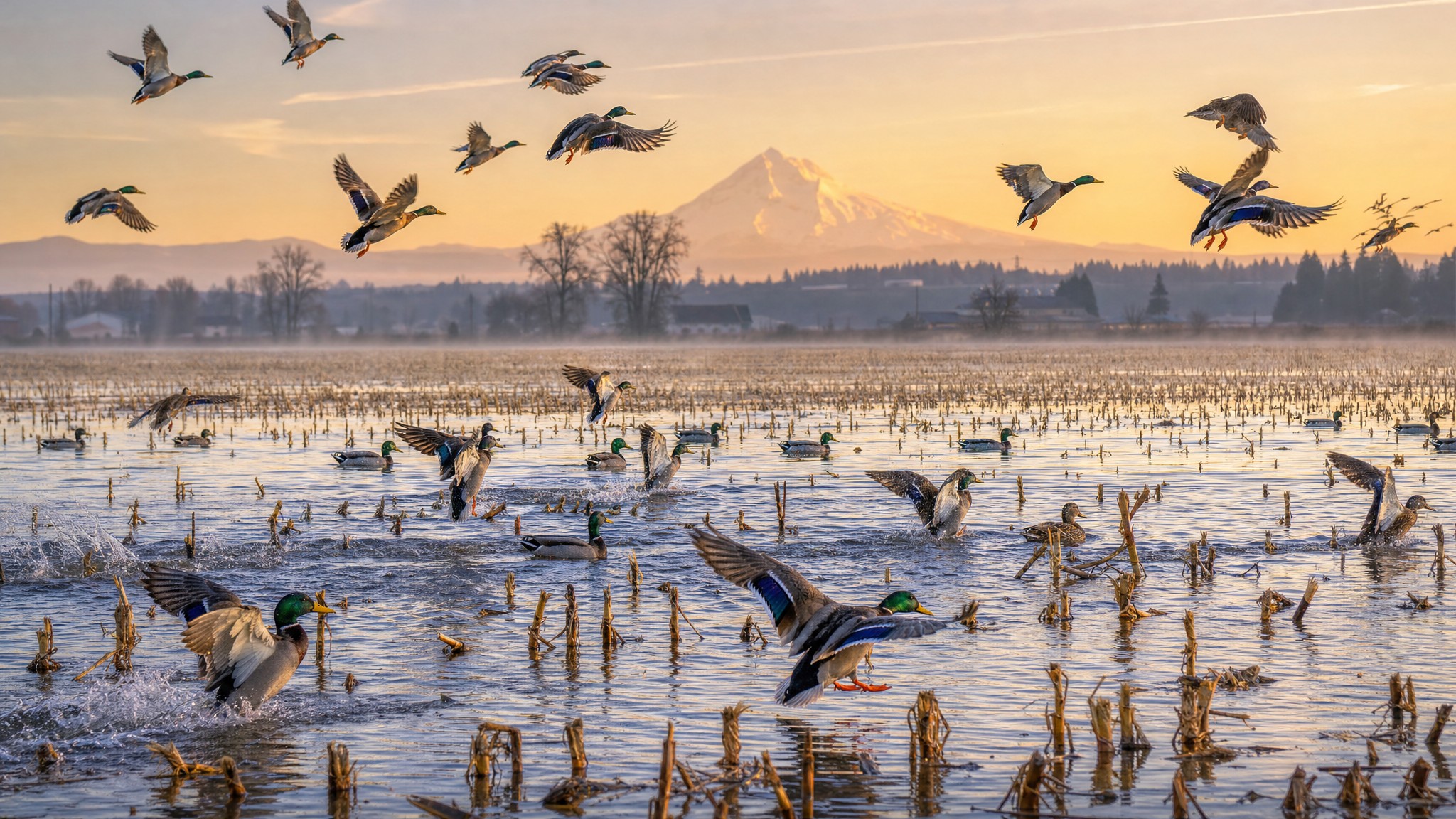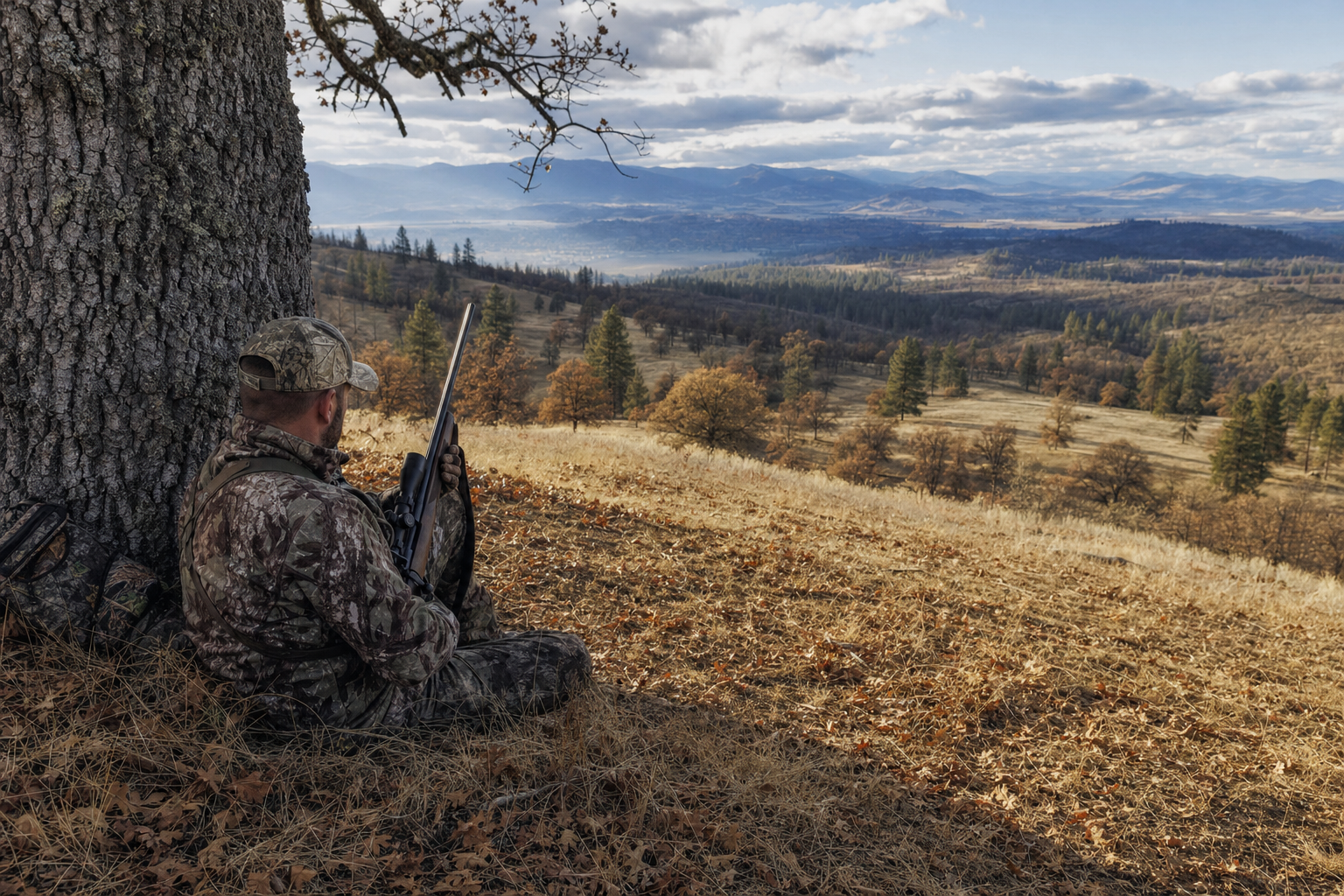
November is a tough month to kill an elk in Oregon — and that's exactly why the hunters who figure it out earn something special. The rut is winding down, bulls have shed weight, and they're pressured from weeks of rifle seasons across the state. But late-season elk are still killable if you understand how their behavior shifts and where they go to recover.
Post-Rut Elk Behavior: What Changes in November
Once the rut cools off — typically by early-to-mid November in Oregon — bulls go from covering miles in search of cows to focusing almost entirely on feeding and recovering. They've burned enormous energy reserves and their primary drive becomes rebuilding fat stores before winter locks in hard. This is actually an advantage for the patient hunter: elk become more predictable.
Expect to find bulls in south-facing slopes and open parks during first and last light where they can feed on lingering grasses. As snow accumulates at elevation, elk push down toward lower drainages and winter range. In the Blue Mountains — the Wenaha-Tucannon, Umatilla, and Wallowa-Whitman units — this migration can drop elk a thousand vertical feet or more from their September haunts.
Blue Mountains: Umatilla and Wenaha-Tucannon Units
The Umatilla National Forest holds some of Oregon's most accessible late-season elk hunting. Units like Desolation and Ukiah-Dale see significant elk movement in November as animals shift toward winter range along the North Fork John Day River corridor. The road system here is extensive, allowing hunters to cover ground quickly and locate fresh sign.
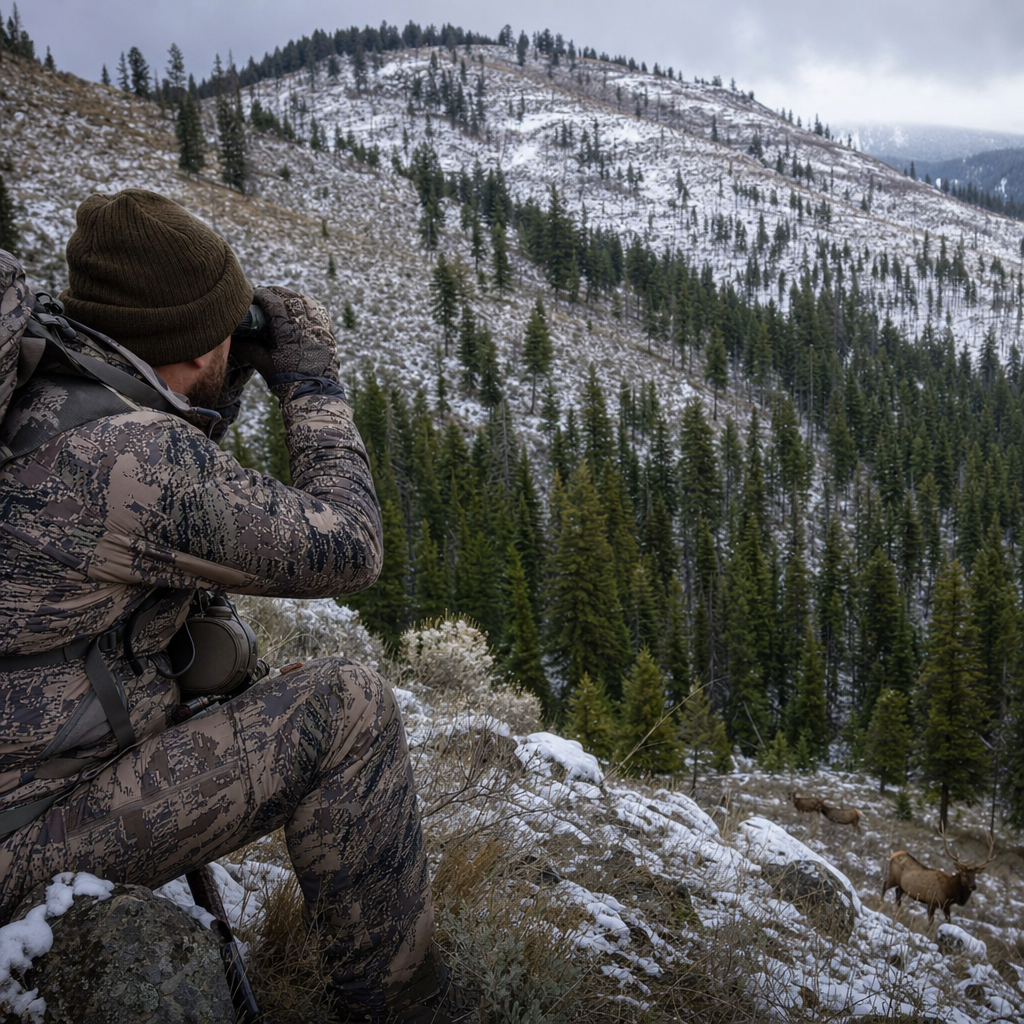
Focus your glassing on south-facing ridges above 3,500 feet early in the month. After significant snowfall — common after November 10th — work the lower drainages. Elk funnel through saddles and timbered benches as they move downhill. The area around Dale and Ukiah along Highway 395 offers solid access points.
The Wenaha-Tucannon Wilderness is a different animal entirely. No motors, steep canyon country, and miles from a trailhead. If you're willing to pack in, late-season hunting pressure drops to near zero. The Grande Ronde River canyon provides thermal cover and feed that holds elk well into December.
Cascades: Santiam and Metolius Units
West of the Cascades crest, Roosevelt elk in the Santiam unit follow a similar post-rut pattern. The Detroit Lake area and the drainages feeding the North Santiam River hold elk that move between high summer range and lower elevation winter habitat along Highway 22. Snow depth is the trigger — when the high country locks up, elk concentrate on lower benches and clear-cut regrowth areas.
The Metolius unit on the east slope is drier, with Rocky Mountain elk and an earlier winter migration. Post-rut bulls here often stage in the ponderosa pine parks between Sisters and Camp Sherman before pushing to lower sagebrush country. Glass from roads early, then commit to foot travel once you spot animals.
Tactics That Work in November
Glass First, Walk Second
Cold mornings mean elk are on their feet feeding. Find a high vantage point before first light and glass feeding areas — south slopes, meadow edges, logged units — for 90 minutes. Elk that are actively feeding at sunrise in November are catchable. Don't blow them out with early foot pressure.
Follow the Fresh Snow
After a fresh snowfall, track elk like a predator. Blue Mountain hunters who can read tracks know the difference between a moving herd and a loafing herd. Tracks that meander through timber with lots of bed sites mean elk are nearby. Tracks that head straight downhill mean they were spooked — keep moving.
Calling Is Finished, But Rattling Isn't
Bugles won't bring in a tired post-rut bull, but light cow calling and even light antler sparring sounds can still work in early November when bulls remain loosely associated with cows. Keep it subtle — soft mews and feeding chuckles rather than aggressive contact calls.
Go Where the Pressure Isn't
Late-season elk are educated. The first place to look is the last place other hunters go. That means private land edges you have permission to hunt, wilderness interior miles from trailheads, and nasty canyon country that's uncomfortable to navigate. If it's hard to get to, elk have probably figured that out too.
Gear Notes for Cold Weather Elk Hunting
- Layering system: Merino wool base, midlayer fleece, and a quiet softshell or wool outer. November in the Blues can swing from 40°F at dawn to 20°F by dark with wet snow.
- Footwear: Insulated, waterproof boots rated to at least -20°F. Cold feet end hunts early.
- Pack: You need to be prepared to pack out a quarter elk solo if necessary. A 4,500 to 6,000 cubic inch pack with a solid frame is worth the weight.
- Optics: Good glass pays off more in November than any other month. At minimum, 10x42 binoculars and a spotting scope for working distant ridges.
Know Your Deadlines
Oregon's late general rifle elk seasons vary by unit — check ODFW's current regulations for your specific unit's close date. Some units close in mid-November, others run to the end of the month. Apply for controlled hunts now for the 2027 season if you want a tag in top units like Wenaha or Chesnimnus.
November elk hunting in Oregon demands persistence and a willingness to put in miles when the weather is miserable. But the hunters who stick it out often find elk bunched up and predictable in ways they never are in September. That's the trade — cold hands for a filled freezer.