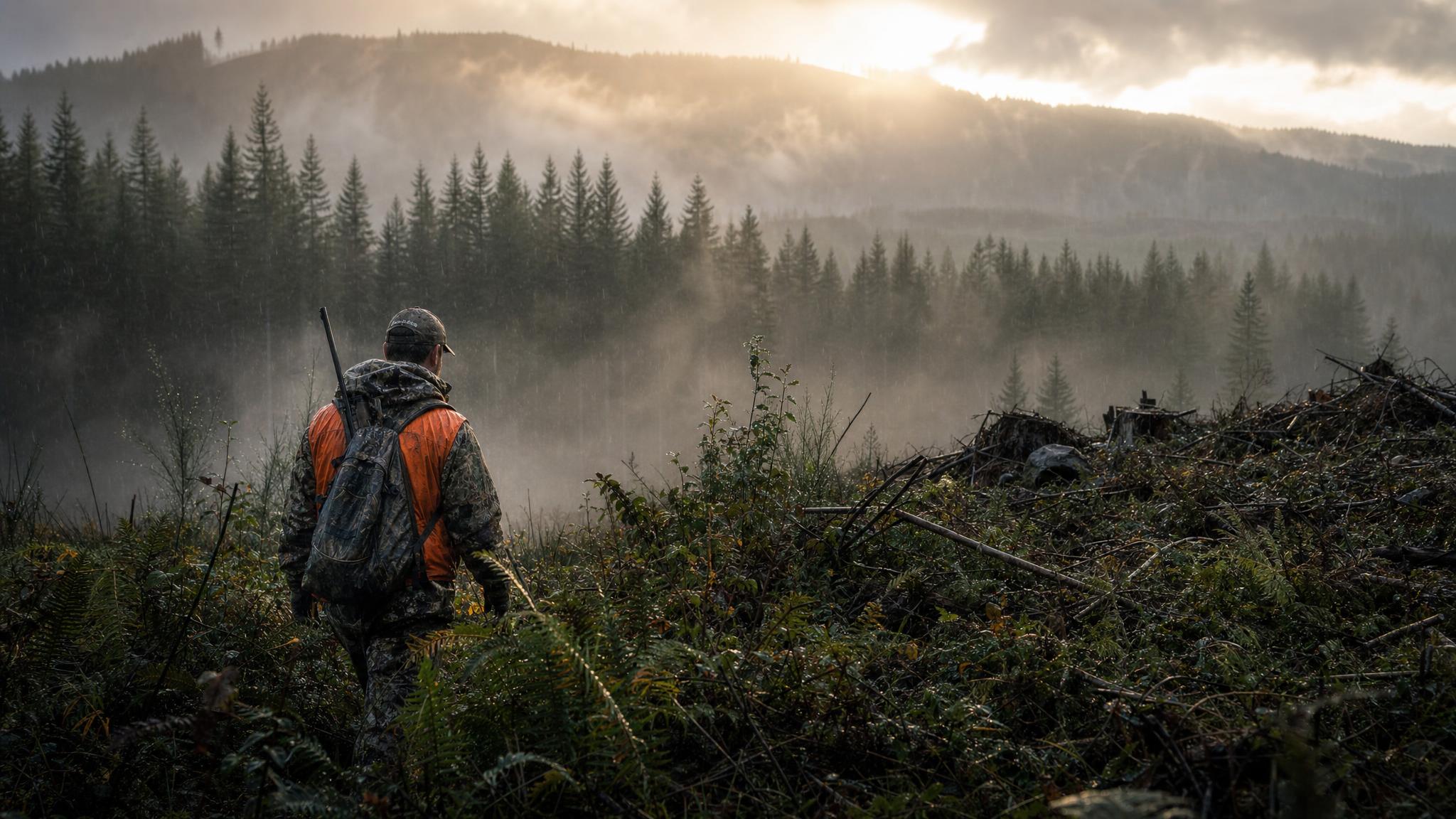
Oregon's Silvies Unit does not get the same press as the Chesnimnus or the Wenaha-Tucannon units up in the northeast, but hunters who've put in the boot leather know it holds some of the best public land archery elk hunting in central Oregon. Sitting between the Malheur National Forest to the east and the high desert rimrock country to the west, the Silvies Unit covers rugged terrain that does not get sorted out by most casual applicants — and that's exactly what makes it worth your attention.
The unit runs an archery season that typically opens late August and runs through the end of September, perfectly overlapping the rut. General archery tags for the Silvies Unit are available over-the-counter for bulls and cows — no draw required for the general archery season. That access, combined with solid public land opportunity, puts this unit on the shortlist for any central Oregon DIY bowhunter.
The Country
The Silvies Unit is anchored by the Malheur National Forest around Seneca and the John Day Valley, transitioning into open sage and juniper flats as you push south and east. Elevations run from around 4,000 feet in the lower valleys up to 8,000+ feet on the higher timbered ridges above Seneca and Izee.
Elk in this unit use a predictable pattern: they move up into the timber edges and parks during summer, transition back down as hunting pressure builds, and scatter into the juniper and sage country during the heat of the day. Early season archery hunters should focus on the Murderers Creek Wildlife Area and the timbered drainages north and east of Seneca. These areas hold good numbers of elk and offer genuine opportunities at bulls still running summer patterns before hunting pressure changes their behavior.
Scouting: Do It Early and Often
July is the time to be in this country, and you have roughly six weeks before the opener. Drive the forest roads above Seneca and Izee in the evenings and glass the open parks and south-facing sage slopes from a distance. Summer bulls are often in bachelor groups through late July, making them easier to locate before they break up and establish territories in August.
OnX Hunt is indispensable for navigating the patchwork of BLM, Forest Service, and private land in the Silvies Unit. Pay particular attention to riparian corridors — the small creeks draining off the Malheur National Forest hold elk consistently through the archery season. Trail cameras on water holes and wallows can completely change your hunting game in this unit. Set them up in late July and check them once in early August, minimizing your intrusion.
Rut Timing and Calling
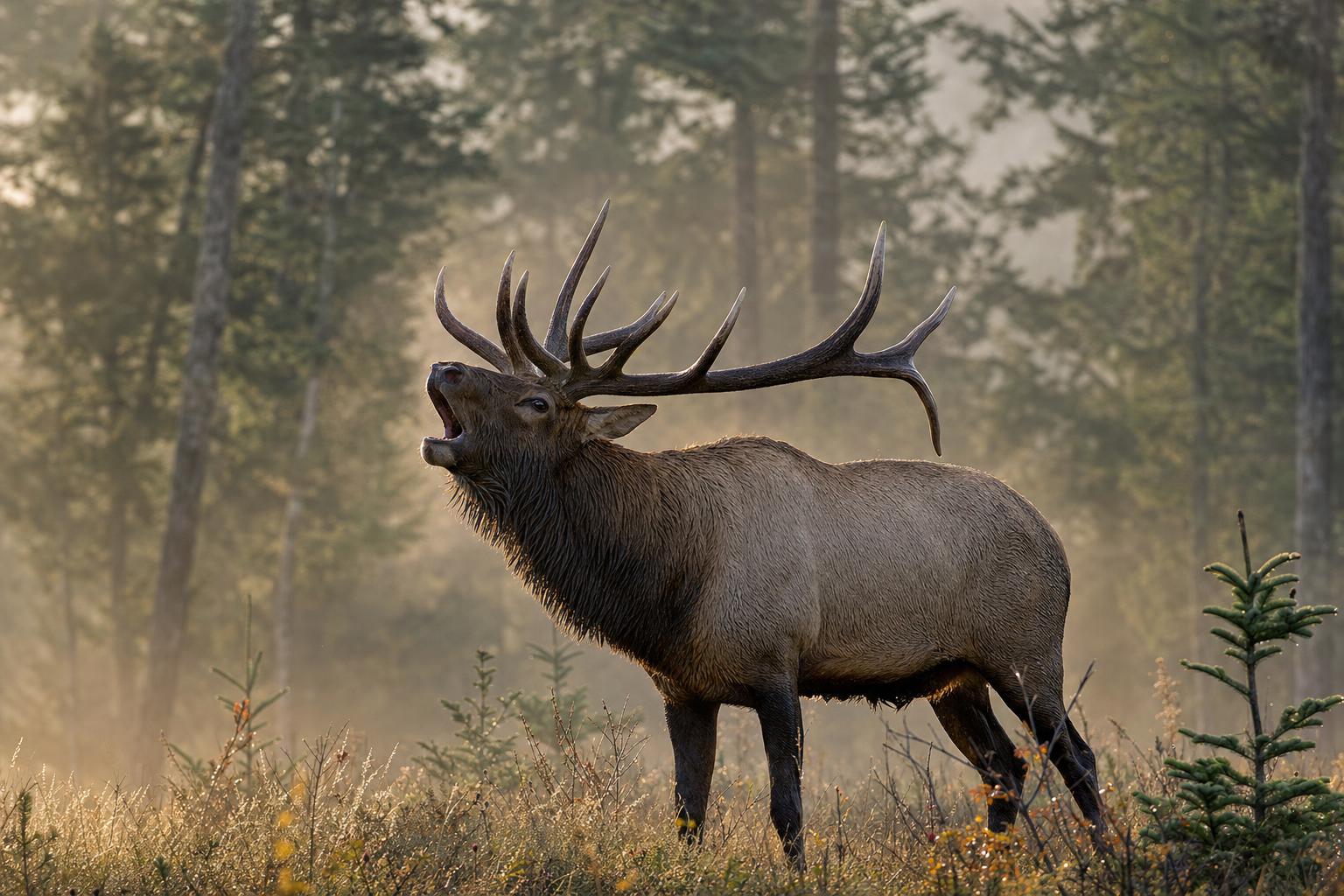
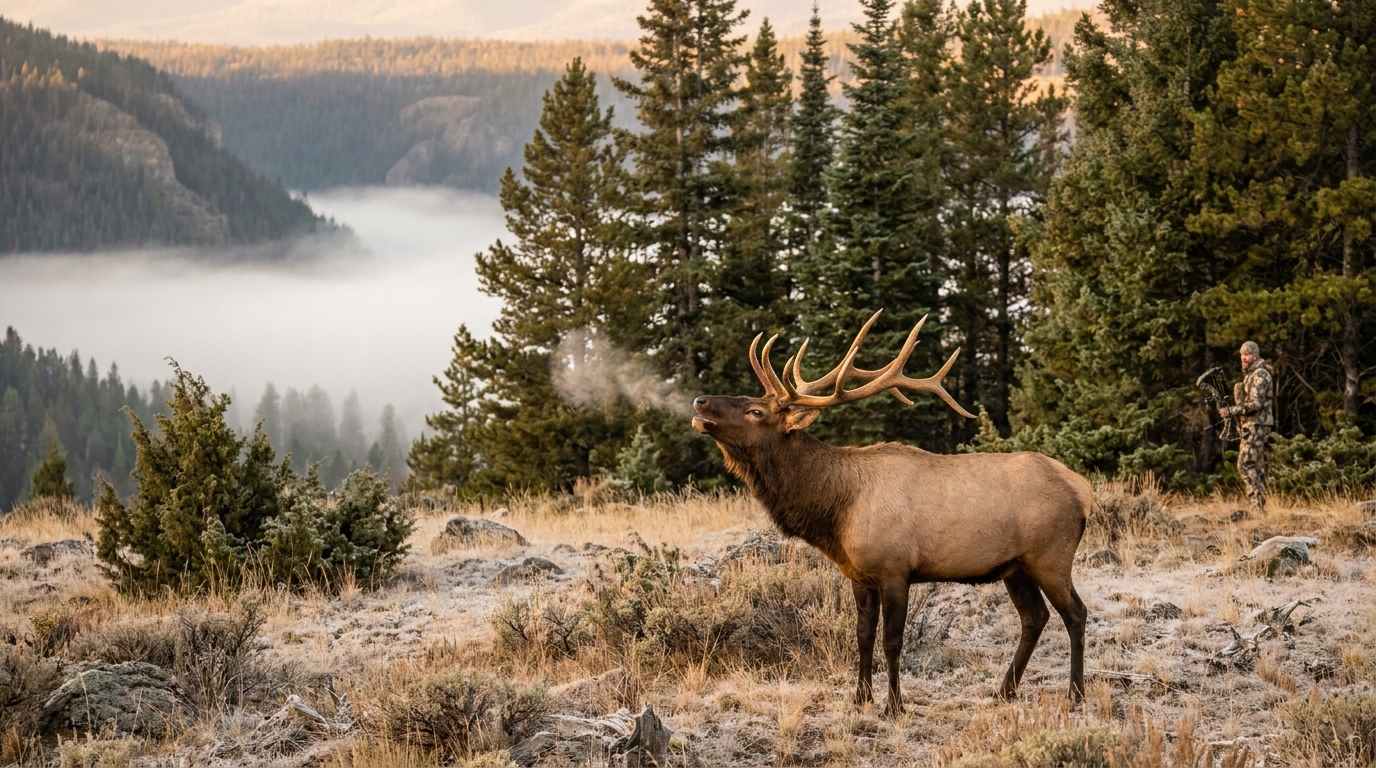
In the Silvies Unit, bulls typically begin bugling in earnest around September 5–15, with peak rut activity in the second and third weeks of September. A hot bull in the timber edges above Seneca during peak rut is one of archery hunting's great thrills — and the relatively low hunter pressure in this unit means bulls have not been educated into silence the way they are in more popular units.
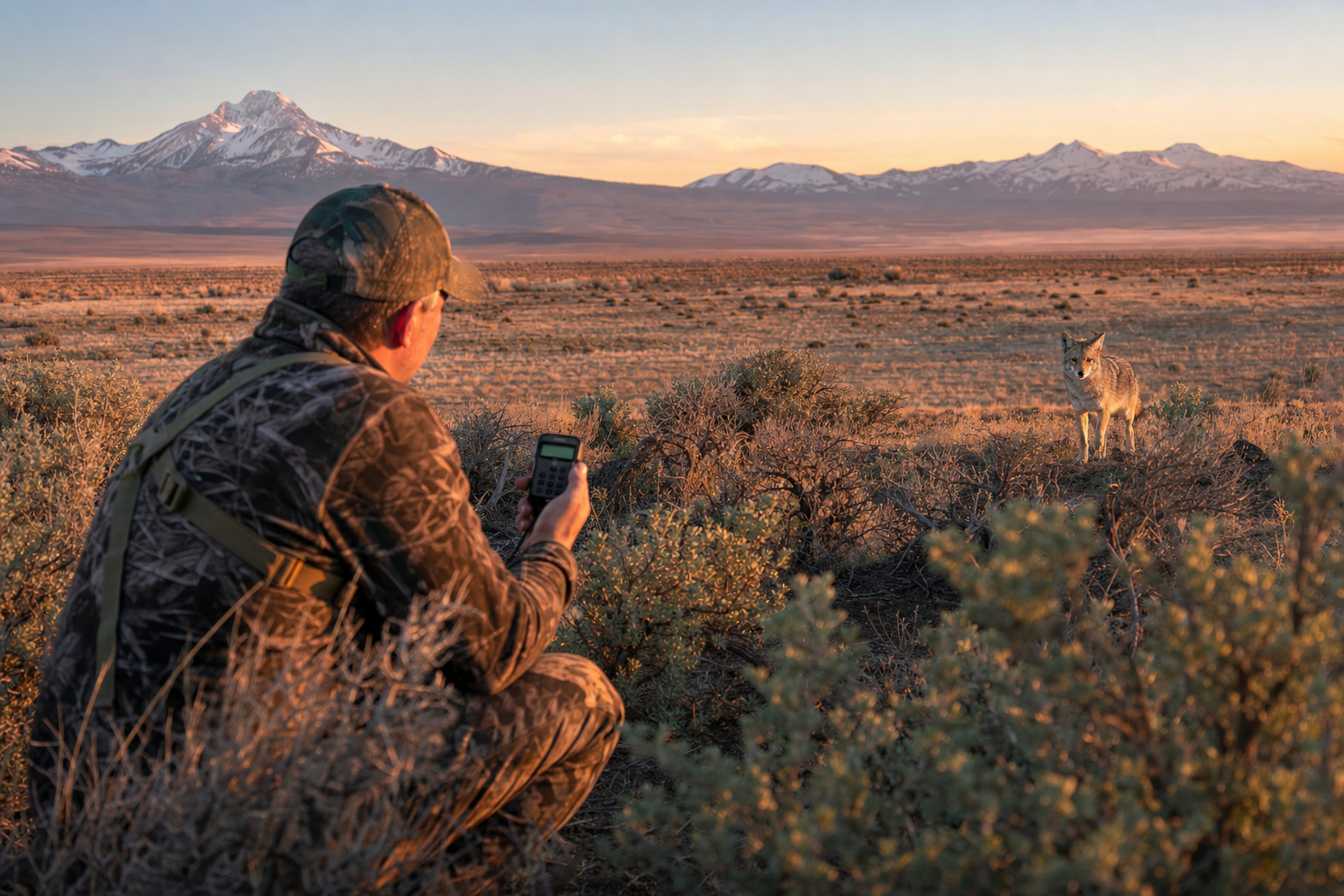
Start with locator calls — cow mews and bugles — to find responsive bulls in the morning. Once you have a bull located, get aggressive with cow calls if he's hung up. Many Silvies Unit bulls have seen limited calling pressure and will commit hard if you sound convincing. Do not be afraid to challenge a mature bull with a series of aggressive bugles and raking sounds once you're within a few hundred yards.
Access and Camp
The town of Seneca (pop. ~200) is your gateway. Fuel is limited — fill up in John Day before heading out. The forest roads above Seneca and east toward Silvies Valley are generally in good shape through the archery season, but a high-clearance rig is strongly recommended. Many hunters camp at dispersed sites in the national forest, which is free and plentiful.
Grant County is a long drive from the Willamette Valley — plan on 4 hours from Portland and 3.5 from Bend. Go in with a full load of camp gear, multiple days of food, and everything you need for meat care. Cell service is minimal once you leave the valley floor. Download your OnX maps offline before you go.
Meat Care in Warm Weather
Early archery season means warm temperatures — sometimes brutally so. Have your cooler space and ice plan dialed before you leave the trailhead. Bring quality meat bags, and plan to cool the quarters as fast as possible by spreading them in the shade with good airflow before packing out. A 300-pound elk bull a mile from the truck in 75-degree heat is a meat care emergency if you're not prepared.
The Silvies Unit will not make anyone's top-ten list of glamour elk destinations. But for a serious archery hunter willing to put in the scouting and commit to a DIY hunt in central Oregon's quiet country, it delivers. The bulls are real, the public land is accessible, and the rut sounds just as good here as anywhere else in the state.