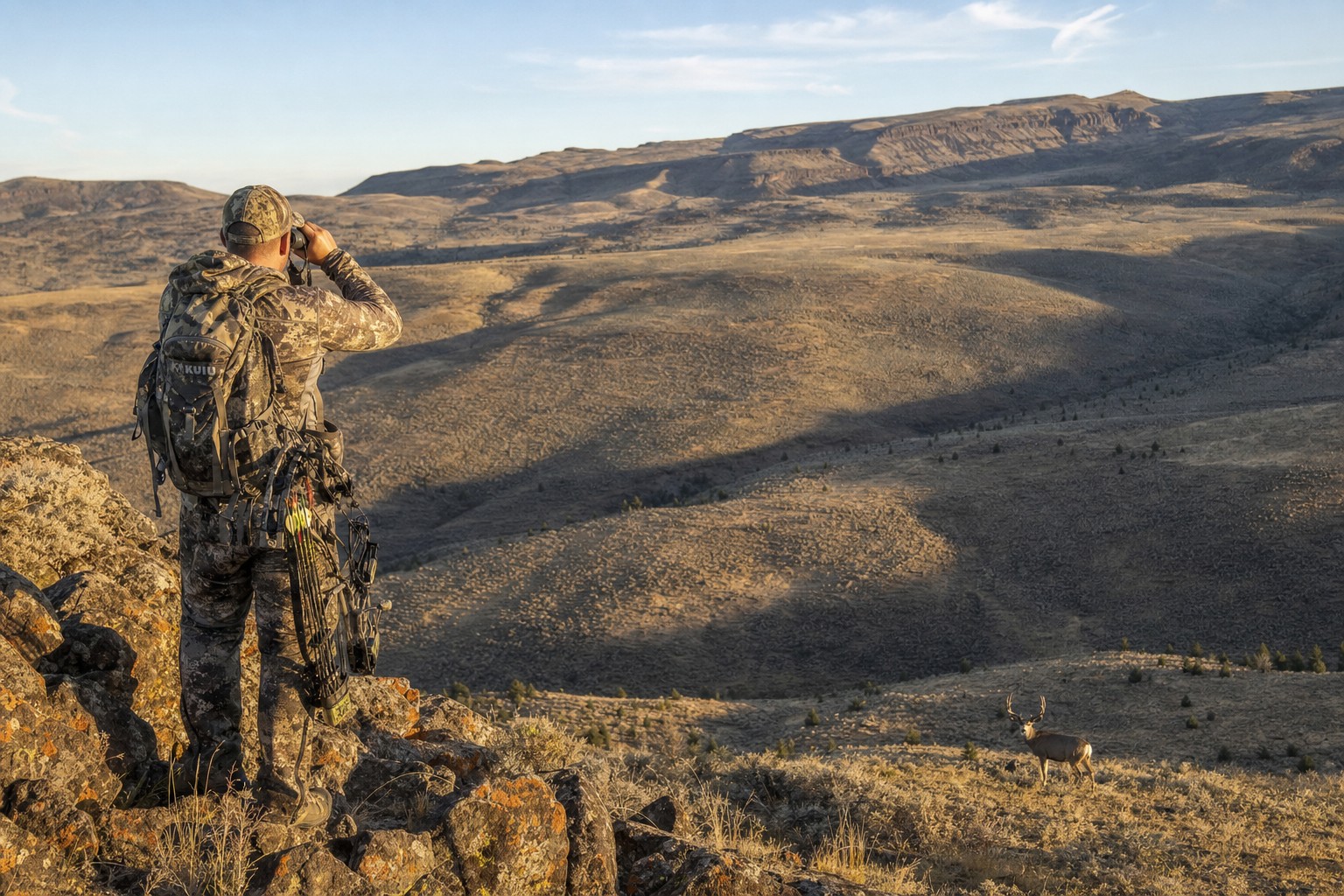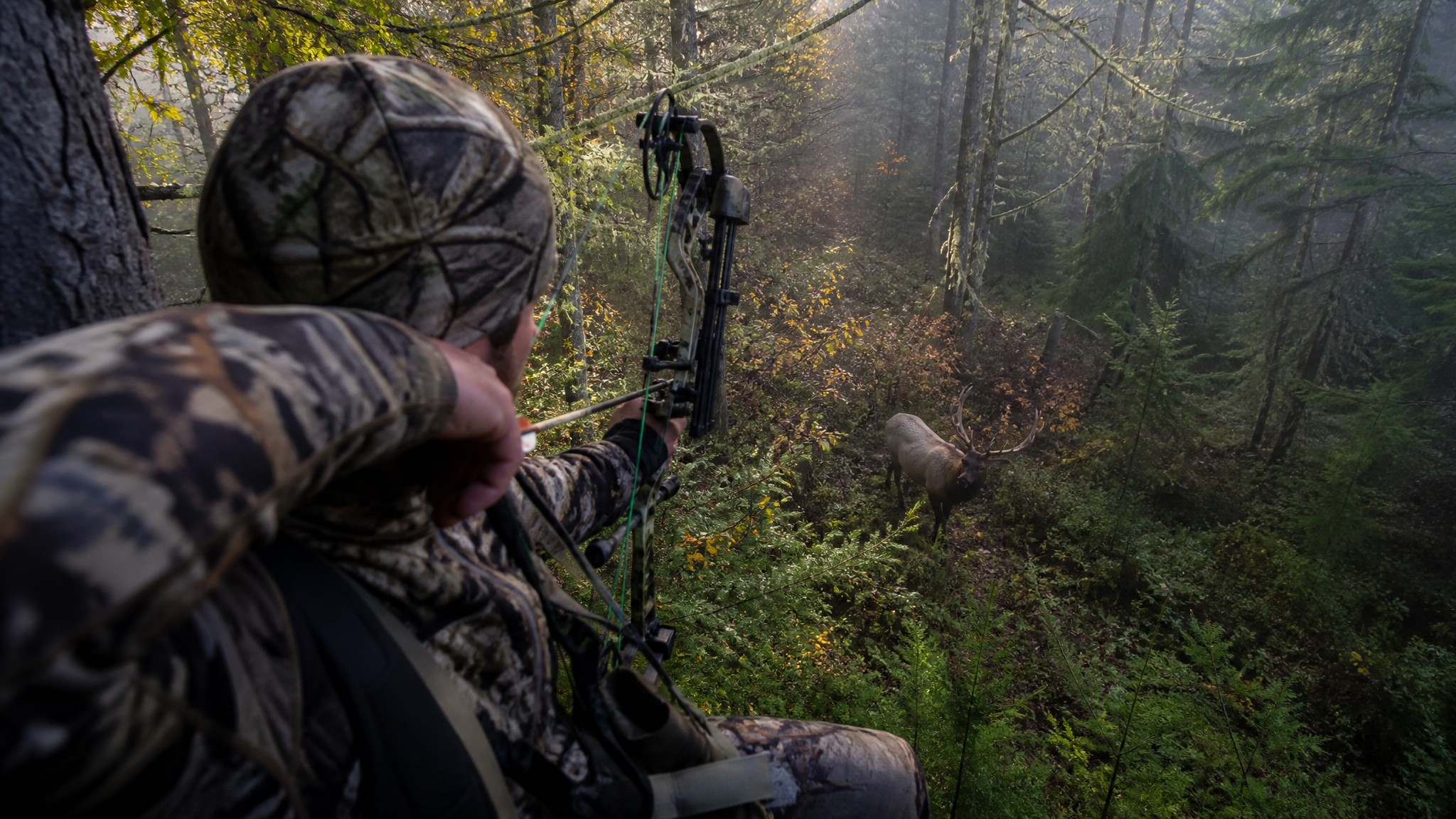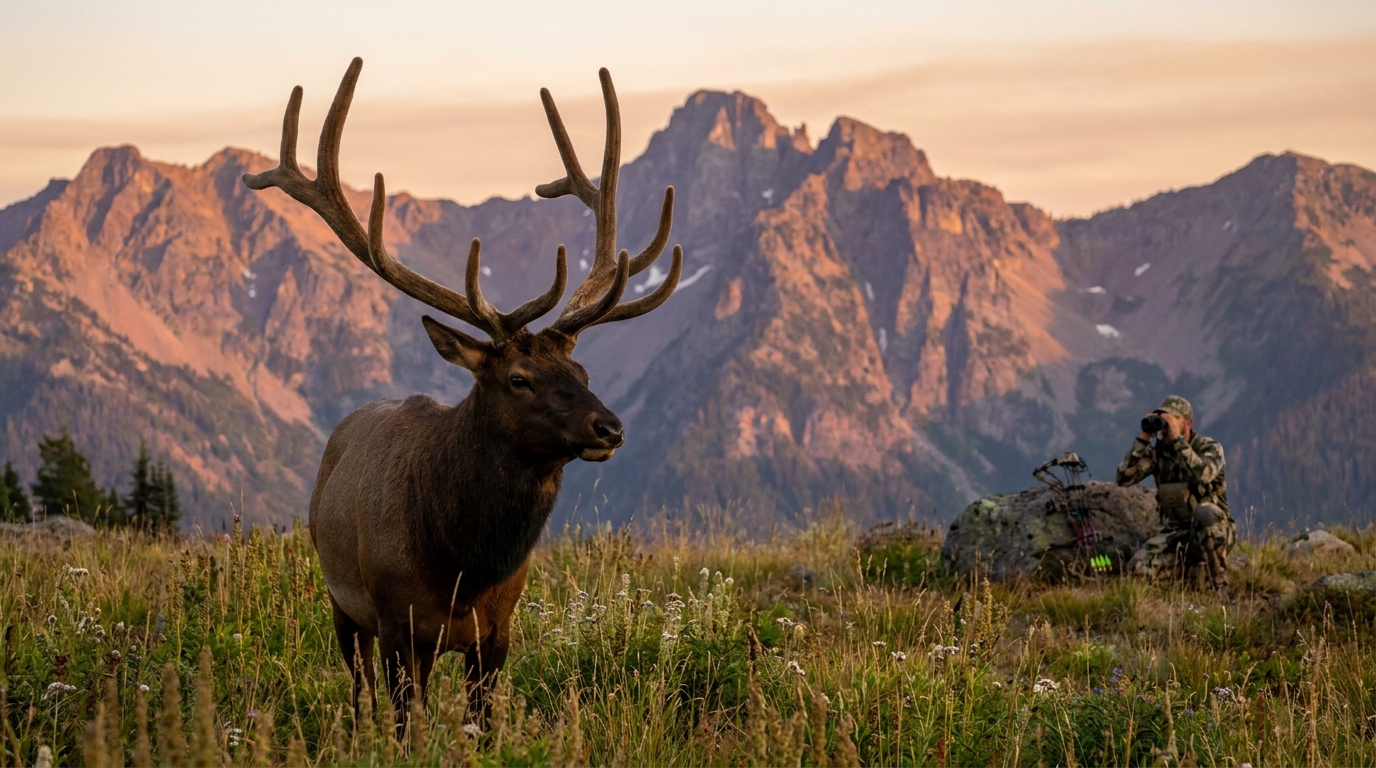
The bull steps into the open at 60 yards. You have seconds to decide. Is he the bull you've been looking for, or should you let him walk? In the fog of adrenaline, poor light, and trembling legs, most bowhunters have made a decision they later regretted — in both directions. The ability to accurately field judge a bull elk on the hoof is one of the most underrated skills in western hunting, and it's one you can develop before the season opens.
Why Field Judging Matters for Oregon Bowhunters
Oregon's archery elk tags — especially limited-entry bull tags — are hard-won. The draw for quality units like Chesnimnus, Silvies, or Murderers Creek can take years of accumulated points. Releasing an arrow at a 250-inch bull when you were hoping for 320 stings long after the freezer is full. Conversely, passing a magnificent bull because you couldn't assess him correctly and second-guessed yourself is a different kind of regret.
In units where any legal bull is fine, this matters less. But as you pursue higher-quality opportunities — whether on general archery tags in good habitat or hard-drawn limited-entry units — your ability to judge quickly and accurately will define your success over the long term.
The Reference Points: Using the Bull's Body
The foundation of field judging is using the bull's own body as a measuring stick. This knowledge translates to every situation regardless of distance or angle.
Body Length and Antler Height
A mature bull elk's body from the point of the shoulder to the base of the tail is approximately 60 inches. The distance from the ground to the top of his back (withers height) on a mature bull runs 54 to 60 inches. These body proportions are your calibration tool when glassing or watching a bull move through timber.
A bull whose antlers extend above his body height when he's standing alert is carrying something special. If his main beams reach well past the line of his back before curving toward the tip, you're looking at significant mass and length. Bulls whose antlers barely reach the top of their back rarely score 300 inches or better in typical configuration.
Nose to Eye Distance
The distance from the tip of a bull's nose to his eye socket is approximately 12 inches on a mature animal. This reference is most useful for estimating beam diameter and tine length up close — a G4 tine that's as long as the nose-to-eye distance on the same animal is roughly a 12-inch tine, which is excellent.
Scoring Elements: What Counts
Main Beam Length
Main beam length is the single biggest contributor to total score in a 6x6 typical bull. Beams that sweep well forward past the nose and curve toward the tips are long; beams that barely reach the muzzle when the bull's head is raised are average. On a 320-inch typical bull, the main beams typically measure 50–56 inches each. That's from the burr at the skull to the tip of the last point, following the curve of the beam.
Tine Length and Count
Count points from a distance before focusing on length. A 6x6 configuration (six points per side) is the target for most hunters chasing bulls in the 300–350 inch range. Confirm the count from multiple angles — points hidden behind other tines are a common miss during fast encounters. A 6x7 or 7x7 bull with good symmetry can add 20–40 additional inches over a 6x6 with similar main beam length.
G2 (second tine) and G3 (third tine) lengths are the primary contributors after main beam length. On a 300-class bull, expect G2s of 16–20 inches and G3s of 18–22 inches. If you see a bull with tines that appear longer than his face from the eye back, they're exceptional.
Mass Measurements
Mass is often the most underestimated factor in the field. The four circumference measurements per side can add 80 or more inches to a bull's score, and they're hard to read accurately in the field. The simplest reference: if the main beam looks like a baseball bat through your binoculars — visibly thick from burr to fork — the bull has good mass. If the beams taper dramatically from base to tip, mass will be a deduction regardless of tine length.
Symmetry and Deductions
Typical scoring deducts for asymmetrical tine lengths between the two sides. A bull that looks big but has one obviously shorter G2 or a missing G3 on one side will score significantly less than he appears. When time allows, compare the two sides carefully. If one side appears noticeably lighter or shorter than the other, subtract 10–15% from your mental score estimate to account for deductions.
In the Field: A 30-Second Checklist
When a bull steps out and you need to decide fast, run through this sequence:
- Count the points — 6x6, 7x7, 5x6?
- Check beam length — do the tips reach past or short of his nose when his head is level?
- Check main tine length — do any tines appear longer than his face? Are they uniform side-to-side?
- Check mass — does the beam look thick from base to fork?
- Check spread — is the inside spread roughly equal to or wider than his body width at the shoulders?
- Decide — if he meets your personal criteria on 3 of 5 points, he likely does in reality
Practice Before Season
The best way to sharpen your field judging is to practice with real animals before the season. OTC access areas in the Ochoco, Umatilla, and Wallowa national forests have observable elk throughout the summer. Bring your binos and spotting scope in late July and August, find bulls in velvet, and practice estimating their score before measuring them against photos of scored bulls. Apps like iScore Elk and the Boone and Crockett Club's online scoring resources let you calibrate your eye against known animals.
A judged elk in the field is always better than a surprised one. Give yourself the best chance to make the right call — start practicing now, before Oregon's archery season opens and the moment is real.