Arrow spine is the single most important variable in tuning a hunting bow — more important than broadhead choice, release style, or even draw weight. Get it wrong and your arrows fly inconsistently regardless of how well you shoot. Get it right and the rest of tuning falls into place almost automatically. With Oregon's archery deer and elk seasons opening in late August, now is exactly the right time to get your arrow selection dialed before you're trying to fix it in the field.
What Spine Actually Means
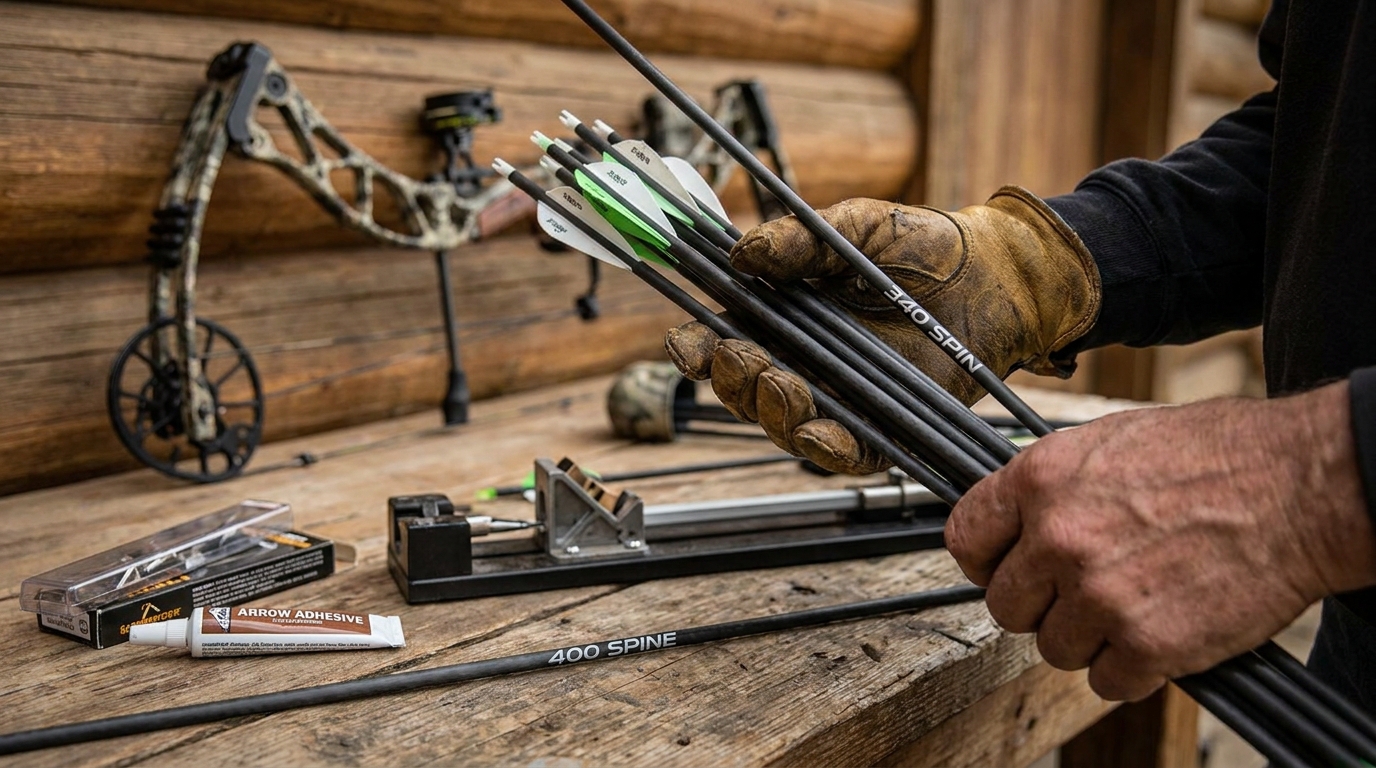
Spine refers to an arrow shaft's resistance to bending. When a compound bow releases, the arrow flexes around the riser before straightening out in flight — a phenomenon called the archer's paradox. The amount of flex is determined by the arrow's spine, and matching that flex to your specific setup is what separates arrows that fly true from arrows that porpoise, keyhole, or drift unpredictably.
Arrow spine is measured and expressed differently by different manufacturers, which causes a lot of confusion. The two primary systems are:
- Easton (AMO) Static Spine: The deflection in thousandths of an inch when a 1.94-pound weight is suspended from the center of a 29-inch shaft clamped at both ends. A spine of .300 means the shaft deflects .300 inches — lower numbers mean stiffer shafts.
- Carbon Express Dynamic Spine Rating: A proprietary system using different parameters. Their charts account for arrow length and point weight directly, making selection somewhat simpler but not directly comparable to Easton numbers.
Most hunting arrows use the Easton/AMO system, so that's what we'll focus on here.
The Variables That Affect Spine Selection
The correct spine for your setup depends on several interacting factors:
Draw Weight
More draw weight requires a stiffer (lower number) spine. A bow set at 70 pounds needs a stiffer arrow than the same bow set at 55 pounds. Most spine selection charts use peak draw weight as the primary input.
Draw Length and Arrow Length
Longer arrows are effectively weaker (more flexible) than shorter ones of the same material. If your draw length is 30 inches and you cut arrows to 31 inches, you need a stiffer starting spine than someone shooting 28 inches with the same setup. This is one of the most common spine selection errors — hunters order arrows based on draw weight alone and ignore arrow length.
Point Weight
Heavier field points and broadheads make an arrow shoot weaker (as if it had a more flexible spine). Adding 50 grains to your point weight has roughly the same effect as shortening your arrow by an inch in terms of dynamic spine. Moving from 100-grain to 125-grain broadheads often requires a spine adjustment — or at minimum, a thorough paper-tuning session.
Cam Aggressiveness
Hard cams with a sharp draw cycle impart more energy to the arrow at the shot, requiring a stiffer spine for proper paradox recovery. Smooth single-cam bows are more forgiving of slight spine variations. If you're shooting a cam-and-a-half or binary cam setup at 70+ pounds, err stiffer when in doubt.
How to Use a Spine Chart
Every major arrow manufacturer provides a spine selection chart. The process is straightforward:
- Start with your draw weight (at your actual draw length, not marked peak weight)
- Find your finished arrow length (nock groove to front of insert, not including the point)
- Add your point weight (field point or broadhead)
- Find the intersection on the chart — this is your recommended static spine
If you fall between two spine options, go stiffer for broadhead use. Mechanical broadheads are more forgiving of weak spine than fixed-blade broadheads, which act as wind vanes and amplify any flight inconsistency.
Hunting Arrows: What Actually Matters in the Field
For hunting — especially elk hunting — the spine conversation is inseparable from the arrow weight conversation. Lighter, stiffer arrows shoot flatter and are easier to range accurately at unknown distances. Heavier arrows with better FOC (front-of-center balance) hit harder, penetrate deeper, and are more forgiving of marginal hits on quartering-away elk.
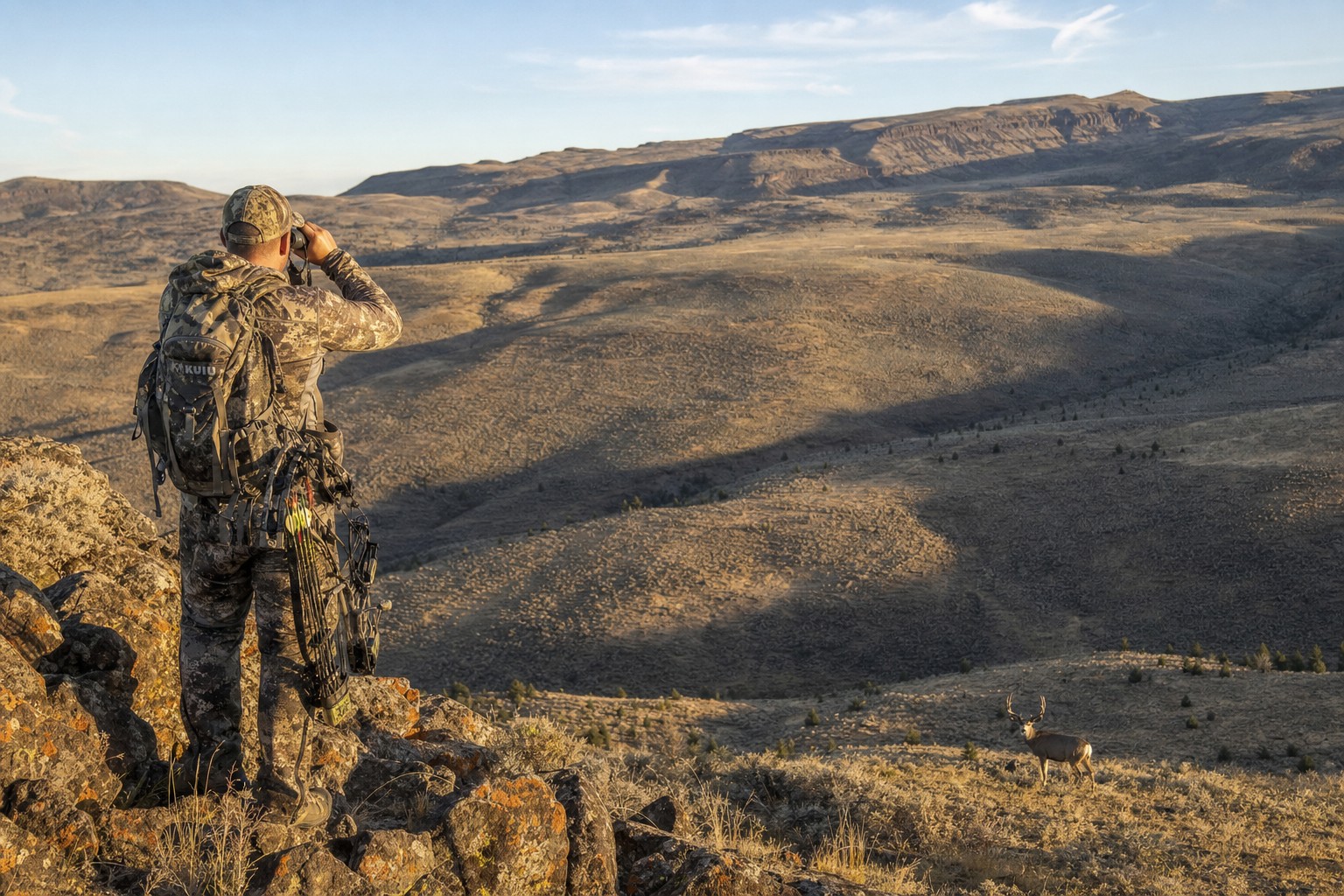
Deer Hunting
For blacktail, mule deer, and whitetail in Oregon's timber, a finished arrow weight of 400 to 450 grains with a 100-125 grain fixed-blade broadhead is a reliable target. Most hunters in this category end up on .350 or .300 spine carbons, depending on their draw weight and length. A 400-grain arrow at 285 fps has enough kinetic energy to punch through both lungs and exit cleanly on any broadside or quartering-away deer in the books.
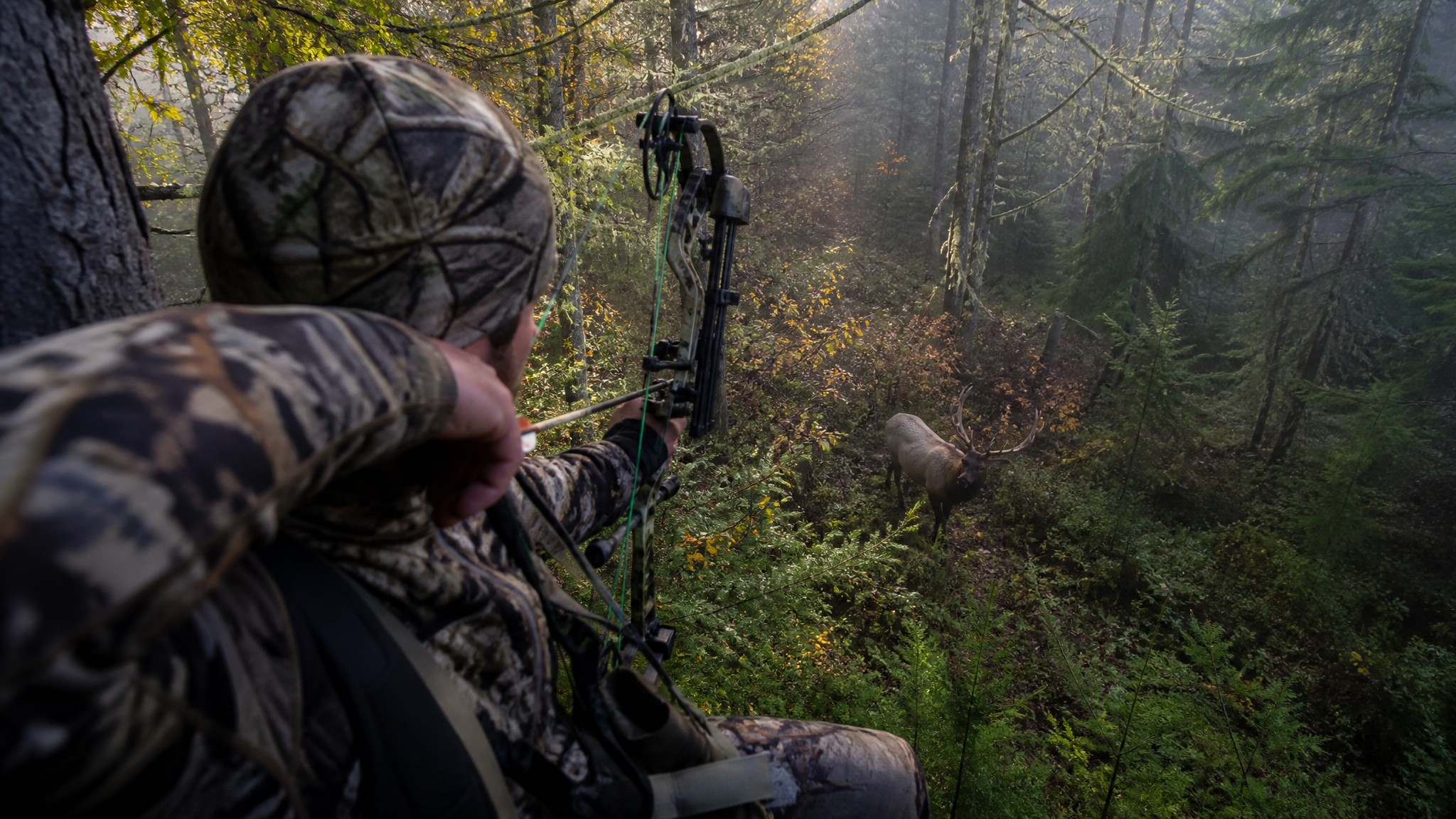
Elk Hunting
Bump your finished arrow weight to 450 to 550 grains for elk. The added mass increases momentum and penetration — the metrics that count when you're punching through the ribcage of a 700-pound bull. Most elk hunters at 70 pounds draw weight run .300 spine shafts with 100-125 grain fixed-blade broadheads and brass or steel inserts to add forward weight. A Redline RL-Hunter or Easton Axis FMJ in .300 spine is a proven elk arrow used by serious Oregon backcountry bowhunters year after year.
Paper Tuning to Confirm Your Selection
Once you've selected arrows by the chart, confirm with a paper tune:
- Shoot through paper stretched over a frame from 6 to 8 feet away
- A perfect bullet hole means your arrow is flying nock-first with minimal oscillation — ideal
- High tear (point high, nock low): Nocking point too high; adjust down
- Left tear (for right-handed shooter): Arrow is too stiff; decrease draw weight, increase arrow length, or go to a weaker spine
- Right tear (for right-handed shooter): Arrow is too weak; increase draw weight, decrease length, or go to a stiffer spine
If you've confirmed correct spine selection and are still getting consistent tears, the issue is likely rest alignment or cam timing — not spine.
Common Mistakes to Avoid
- Selecting spine for raw draw weight, not actual measured draw weight: A 70-pound bow at 28-inch draw may only be pulling 64 pounds at 27 inches. Use a bow scale.
- Ignoring arrow length when ordering: Order slightly long and cut to length after tuning — don't order pre-cut based on draw length without accounting for your specific arrow rest setup.
- Assuming the same arrows work for both field points and broadheads: Paper-tune with your actual hunting broadhead, not a field point. The aerodynamics are different and your tune will be different.
- Mixing components from different batches: A dozen matched arrows from the same spine lot fly more consistently than mixed batches. When buying hunting arrows, buy a full dozen from the same production run.
The Bottom Line
Spine selection isn't glamorous, but it's foundational. An hour spent on a spine chart and paper tuning session before August will save you from chasing ghosts downrange all season. Get the spine right, confirm with paper, and tune to your hunting broadhead — everything else is execution.