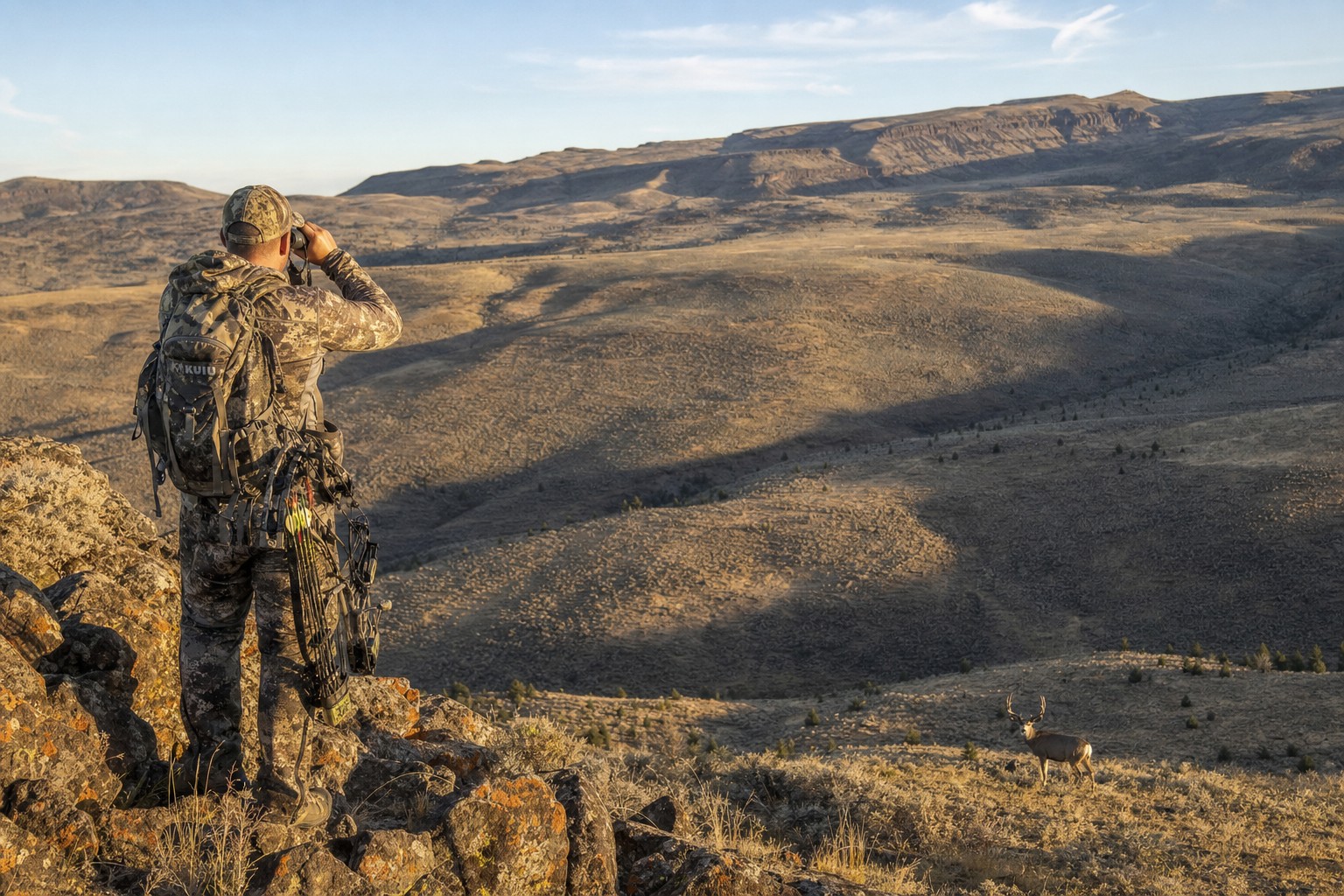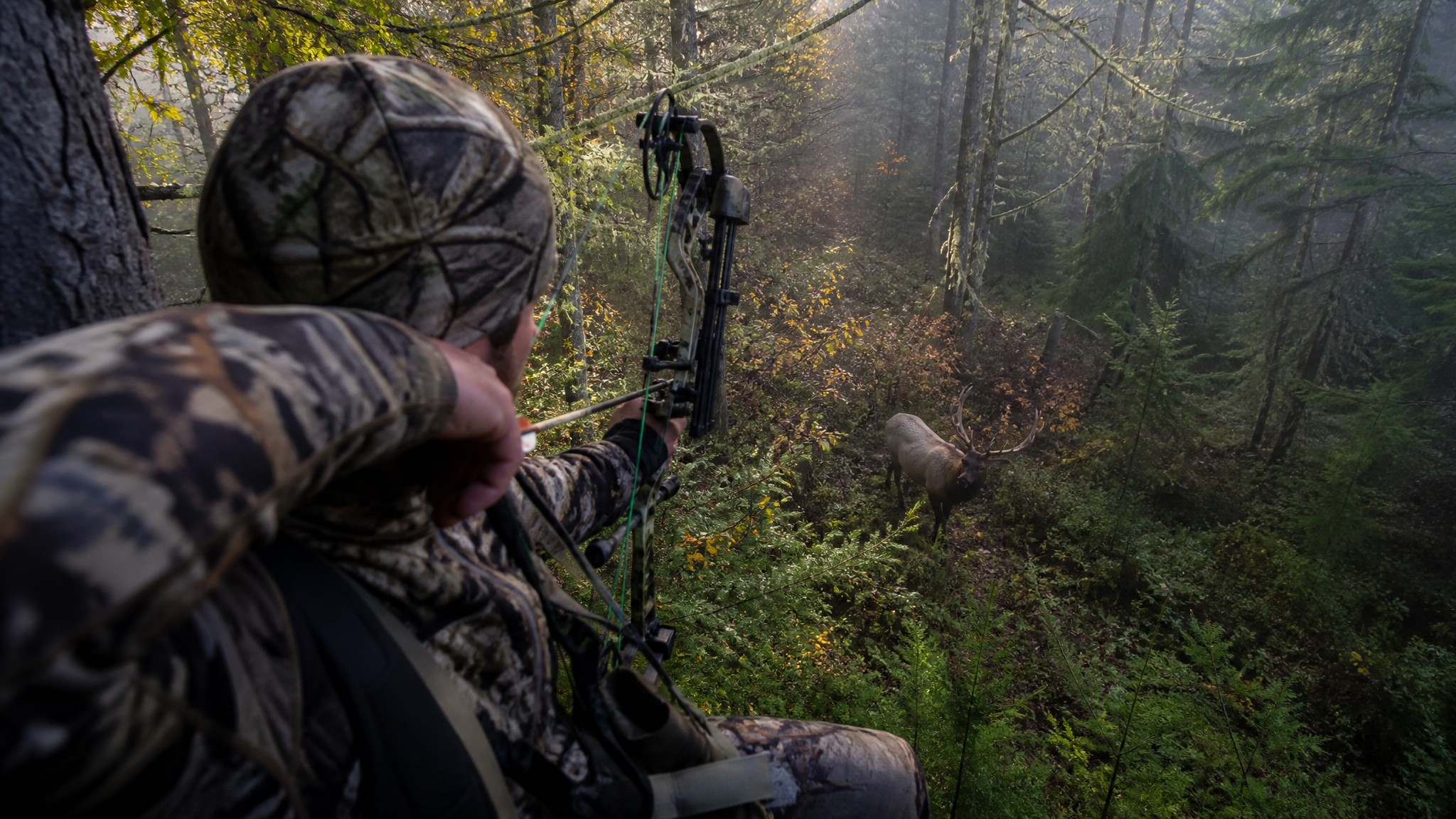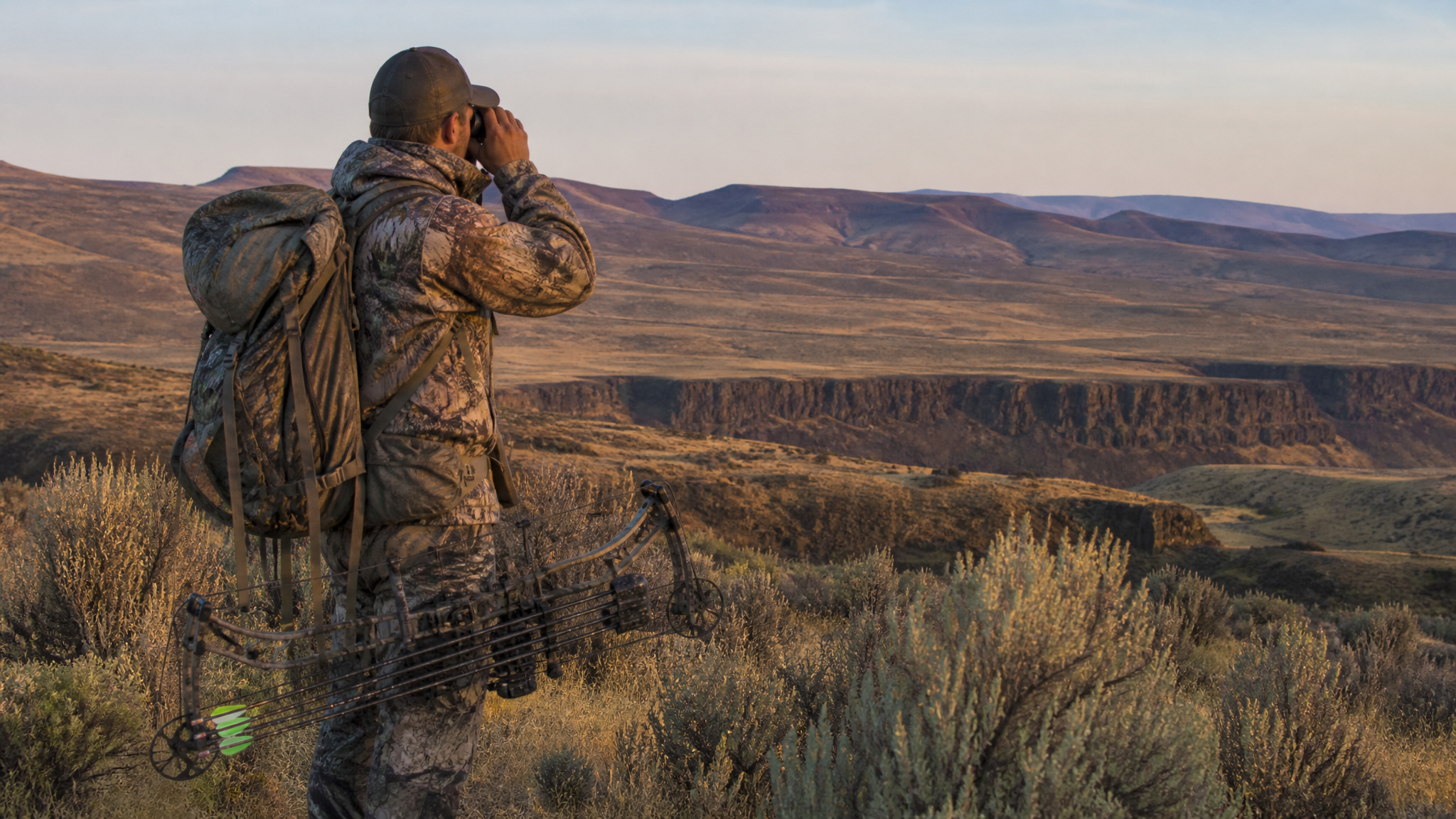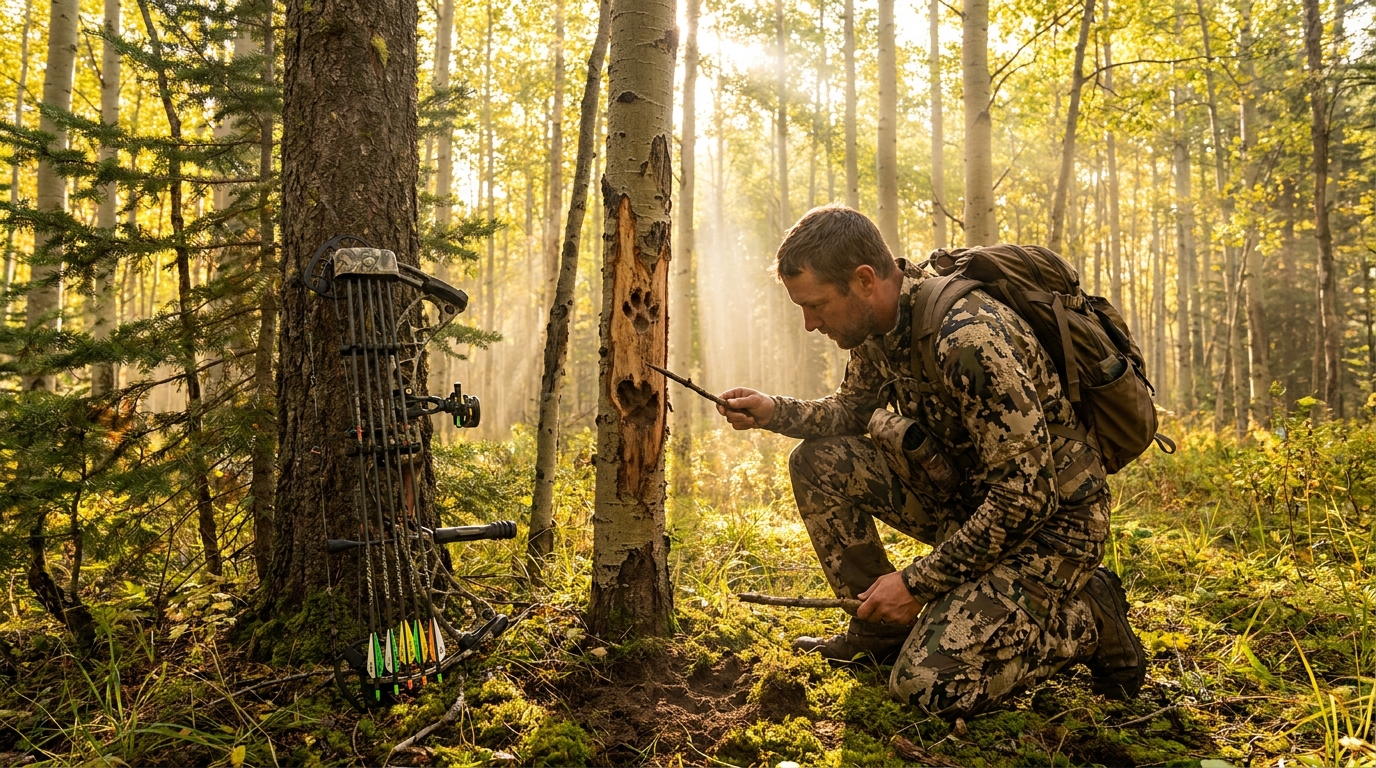
The archery hunt is decided before the season opens. Not in the draw results, not in your equipment choices, not even in how many arrows you've shot at the range—it's decided by the quality of your pre-season intelligence and how honestly you use it to put yourself in the right place. Most bowhunters who tag out consistently on Oregon public land will tell you the same thing: the stand or ground blind location did the heavy lifting. The shot was almost secondary.
Here's how to find those locations and commit to them with confidence.
Start with Maps, Not Boots
Before you ever set foot in the field, spend serious time with digital mapping tools. OnX Hunt and CalTopo are the standard in Oregon, and either will show you the terrain features that concentrate deer and elk movement:
- Saddles: Low points in a ridge that animals cross to travel between drainages. On a topo map, saddles appear as a narrowing between two higher contour lines. On the ground, they funnel movement from both sides of the ridge—a natural pinch point for ambush.
- Benches: Flat terraces on steep hillsides where deer and elk feed and bed. Look for contour lines that spread apart dramatically on an otherwise steep face. If there's a water source or food within half a mile, benches are where you find animals standing still.
- Drainages and creek confluences: Water is the primary driver of early-season deer movement in eastern Oregon's high desert. Confluences where two creek drainages meet concentrate animals and create natural travel corridors between food and water.
- Transition zones: Edges between habitat types—ponderosa pine transitioning to open sage, or dense fir giving way to a clearcut—hold more animals than either habitat on its own.
Identify 6–10 candidate locations on the map, then prioritize by accessibility and wind.
Reading the Sign: What to Look for on Foot
Once you're in the field, the sign on the ground either confirms or eliminates the spots your map identified. Here's what matters:
Tracks
Fresh tracks in soft soil or creek-bank mud tell you where animals are moving and when. Deer tracks show a dew claw impression only in soft ground or when the animal is running; elk tracks are larger (4–5 inches for a mature bull) with rounder toes. Look for concentrations of tracks, not isolated impressions. A heavily used game trail in soft soil with overlapping tracks from multiple animals is a different level of sign than two deer that passed through once.
For time-dating: tracks in dust harden and crack within 24 hours in dry conditions. Tracks in mud retain moisture and crispness for 12–24 hours depending on temperature and humidity. Fresh tracks from the same morning will have moist, sharp edges in clay soil.
Rubs
Velvet-shed rubs in August and September tell you a buck or bull was there recently and was physically active. Pay attention to:
- Height of the rub (taller rubs indicate larger animals)
- Freshness (white, shredded cambium dries and darkens within 48 hours)
- Concentration (a rub line along a trail is a travel route, not just a random scrape)
Beds
Oval depressions in grass, duff, or forest litter indicate where animals are resting. Elk beds are large—roughly the size and shape of a bathtub. Deer beds are football-sized depressions. Fresh beds retain warmth and flattened vegetation; older beds look crushed and dry. Finding multiple beds in a cluster under north-facing shade cover tells you where animals spend midday heat.
Trails
A heavily used game trail is your most reliable ambush indicator. The wear on a truly active trail—packed soil, hair on low branches, overhanging vegetation depressed from repeated contact—is unmistakable once you've seen it. Follow these trails to identify where they enter and exit cover. The pinch points at cover edges are your ambush locations.
Wind: The Non-Negotiable Variable
Every piece of sign, every map study, every hour of scouting is irrelevant if your wind is wrong on the day of your hunt. Oregon's terrain creates complex air movement:
- Thermal drafts: Morning thermals pull downhill as cool night air drains; afternoon thermals move uphill as the valley floor heats. Plan your approach and stand position for the time of day you'll be hunting.
- Canyon funnels: Steep drainages channel air in unpredictable ways. Use an inexpensive squeeze-bottle powder tester to check actual air movement before committing to a setup.
- Wind app accuracy: Mountain Forecast and Weather Underground are more reliable for terrain-specific wind prediction than general weather apps. Check both.
Eliminate any ambush location where your scent will reach animals before they reach shooting distance. The best setup in the wrong wind is a blown hunt.
Treestand vs. Ground Blind on Oregon Public Land
Both have their place, and both require pre-season setup for maximum effectiveness:
- Hang-on treestands: Best for forested units—the Coast Range blacktail country, the Cascades elk zones, the Blue Mountains whitetail areas. Get them up 3–4 weeks before the opener so deer and elk habituate to the new structure in their environment. Hang at a minimum of 20 feet; higher is better in open timber.
- Ground blinds: Better for eastern Oregon's open country, sagebrush flats near water, and locations where suitable trees don't exist. Set your blind 2–3 weeks early and brush it in with local vegetation. Window angles determine your shooting lanes—set up for the most likely approach angle based on your sign reading, not just the obvious trail.
Committing to the Setup
The most common archery failure on public land isn't missed shots—it's sitting in a location that isn't right because you put in the work to get there. If your scouting didn't produce a location you believe in deeply, keep scouting. Don't sit a spot out of stubbornness or because it was convenient to hang a stand there. The animals you're hunting have spent every day of their lives reading this terrain. Your ambush setup has to be better than their instincts.
Do the homework in July. Do it again in early August after velvet shed changes the patterns. Then sit with confidence and let the animal make the mistake.