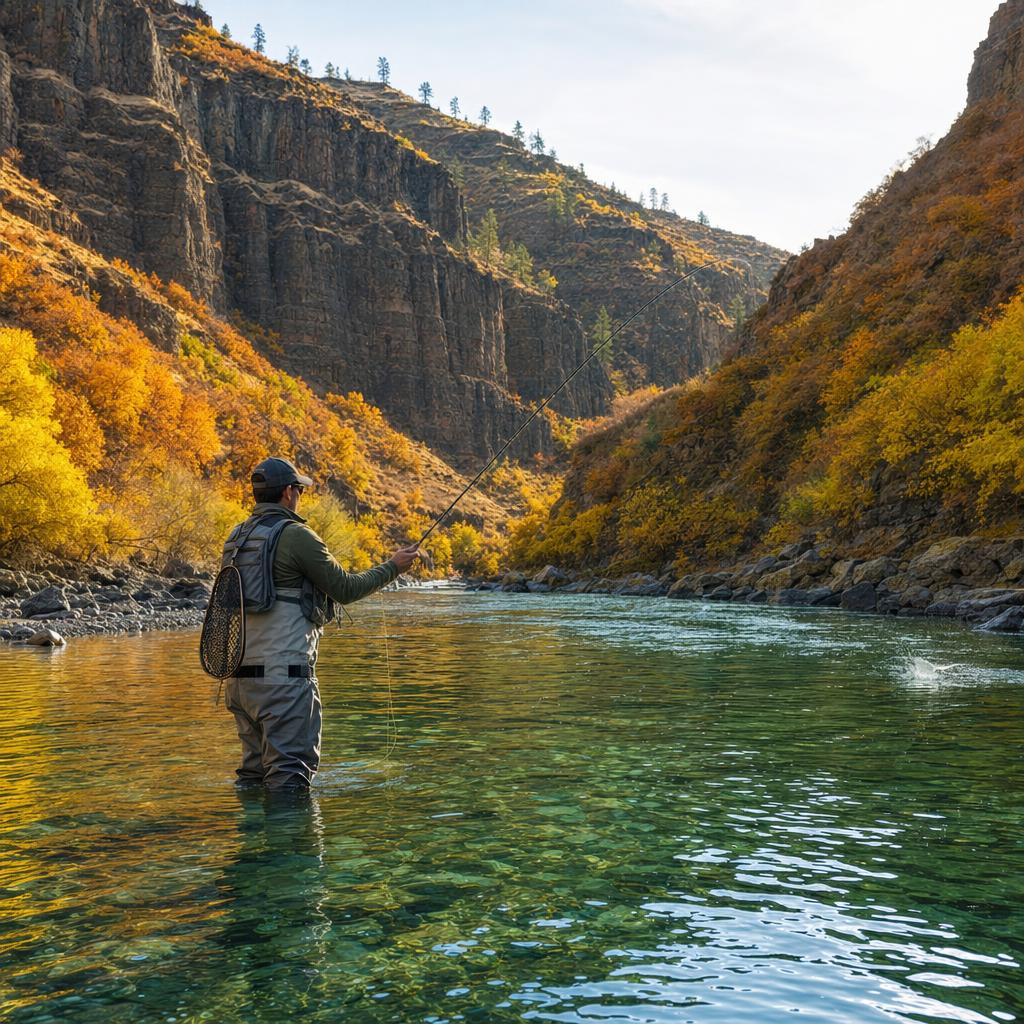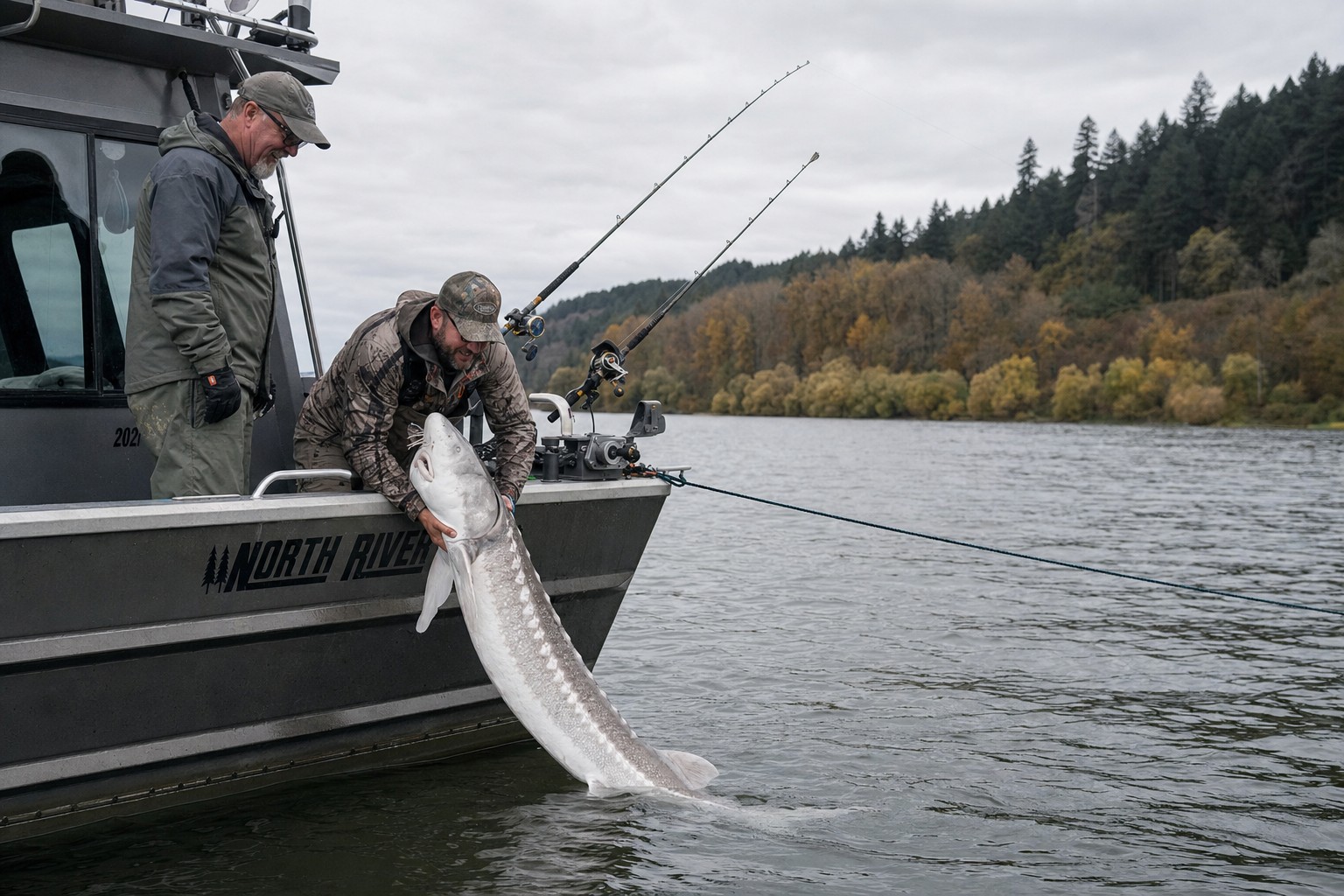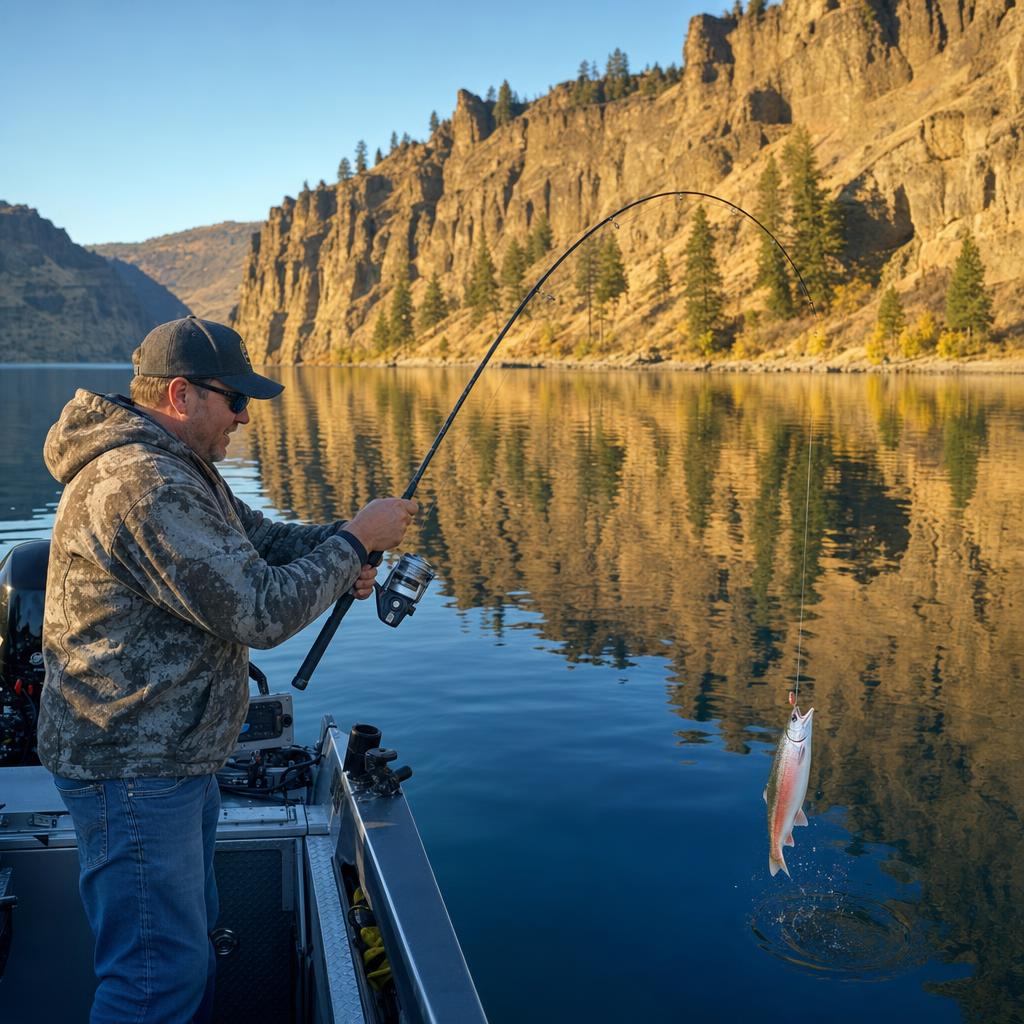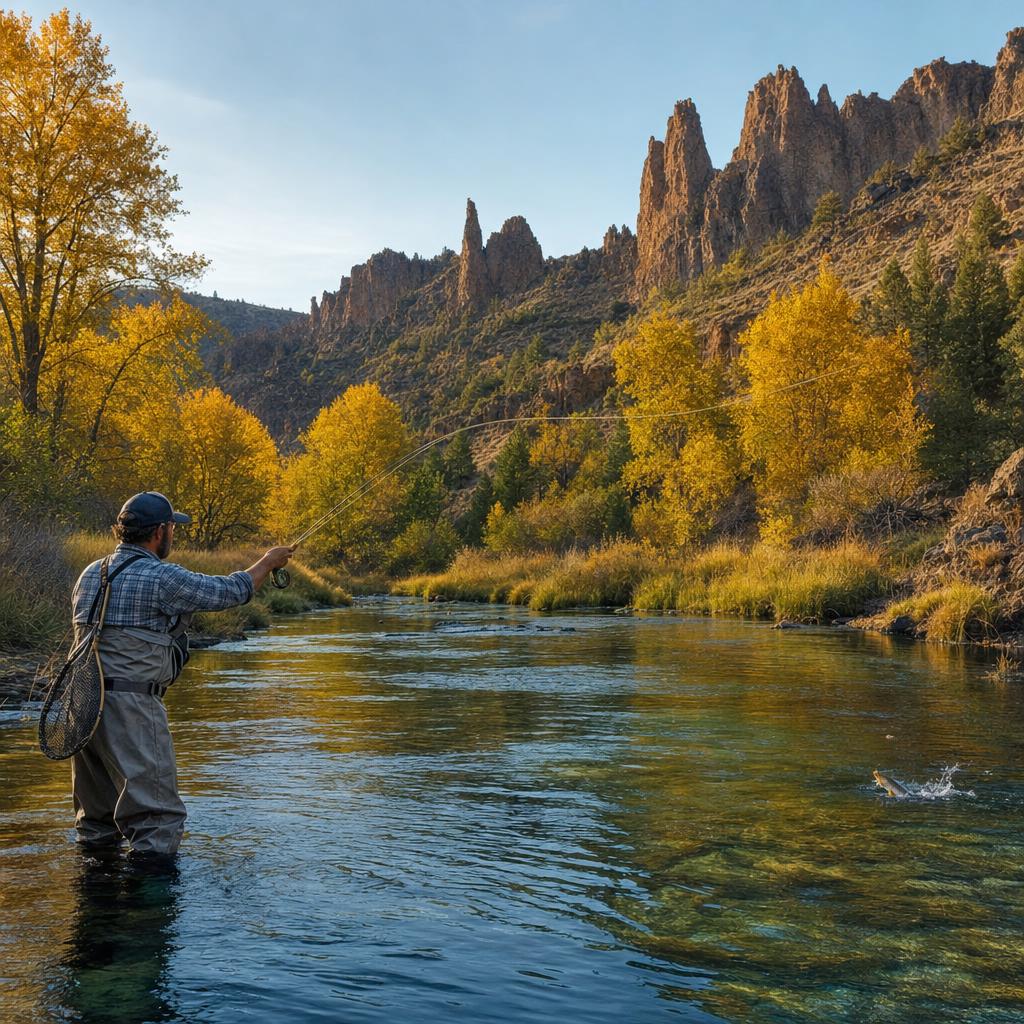
Late September through November is when the Upper Deschutes River quietly becomes one of Oregon's finest brown trout fisheries. The crowds thin out, the cottonwoods turn gold, and the fish — big, selective, and primed for the season's last great feeding push — move into predictable lies. If you haven't fished the Deschutes for brownies in fall, you're missing one of central Oregon's best-kept secrets.
Where to Fish: The Upper Deschutes Above Bend
Most anglers think of the lower Deschutes — the canyon water below Maupin — when they hear steelhead talk. But the upper river above Bend and through the Sunriver corridor holds a thriving brown trout population that peaks in September and October. Key stretches include:
- Sunriver to Benham Falls: Accessible via Forest Road 41, this section offers classic riffles and pools ideal for wade fishing. Brown trout to 20 inches stack in the tailouts.
- Harper Bridge to Lava Island: The Deschutes River Trail runs alongside this section, giving bank anglers easy access. Deep runs along basalt shelves hold trophy-class fish.
- Below Wickiup Reservoir: The river just below Wickiup runs cold and clear through the fall, with excellent insect hatches and less pressure than the Sunriver corridor.
- Crane Prairie Outlet Channel: Technical and brushy but loaded with large browns that cruise shallow flats at dusk. Not for everyone, but worth the effort for experienced anglers.
The Fall Hatches: What's on the Menu
Fall on the Upper Deschutes means blue-winged olives (BWOs), small October caddis, and — if the timing is right — a late-season trico hatch in the mornings. The BWO hatches in September and October are the real draw. These size 18–22 mayflies emerge during overcast, cooler afternoons, often triggering a sipping rise that can last two to three hours.
The October Caddis (Dicosmoecus) is a different animal entirely — a large orange-bodied caddis that brings even the biggest browns up to the surface. Fish size 8–10 October Caddis dry patterns along seams and soft edges from late September through mid-October.
Recommended Dry Fly Patterns
- Parachute BWO, sizes 18–22 (the workhorse)
- CDC Sparkle Dun, olive, sizes 18–20
- Orange October Caddis Elk Hair, sizes 8–10
- Comparadun BWO, sizes 18–22 (low-light conditions)
- Griffith's Gnat, sizes 20–22 (midge clusters during flat-water risers)
Streamer Fishing: Big Flies for Big Brown Trout
If you'd rather chase the largest fish in the river, throw streamers. Fall triggers territorial and pre-spawn aggression in brown trout — they'll hammer a well-presented streamer out of sheer attitude. The key is getting your fly down and fishing it slowly through deep runs and undercut basalt banks.
Use a sink-tip or full-sink line with a short (3–4 foot) leader of 10–12 lb fluorocarbon. Cast across and slightly upstream, mend to get the fly down, then strip slowly with occasional twitches. Browns will follow and crush the fly at the end of the swing.
Top Streamer Patterns for the Upper Deschutes
- Olive/white Sculpin patterns, sizes 4–6
- Tan or black Woolly Bugger with rubber legs, sizes 4–8
- Slump Buster or Drunk and Disorderly in olive or tan
- Chubby Chernobyl (as a strike indicator) above a size 14 hare's ear
Timing Your Trip
The sweet spot is a weekday in late September through mid-October. Water temperatures in the upper river run 48–56°F during this window — cold enough to put fish in feeding mode, warm enough for good hatches. Fish are most active from 10 a.m. to 2 p.m. during the BWO hatch, and again in the last two hours of light when October Caddis egg-laying activity peaks.
Watch the weather: overcast, slightly breezy days push the best BWO hatches. Bluebird days tend to push fish down and make surface feeding sporadic until evening.
Regulations and Access
The Upper Deschutes from Wickiup Dam downstream to Benham Falls is regulated as a fly fishing only, catch-and-release section for wild trout. A valid Oregon fishing license is required. Check ODFW regulations annually — closures and rule changes can occur. Several Forest Service roads provide access, and the Deschutes River Trail (USFS Trail 4) parallels much of the best water between Lava Island and Benham Falls.
Gear Up Right
A 9-foot, 5-weight rod handles everything from delicate dry fly presentations to small streamers. Bring a 9-foot 4X leader for dries, and swap to a 7.5-foot 3X with a 12-inch 4X tippet for larger October Caddis patterns. Polarized sunglasses are non-negotiable — spotting rising fish in the Deschutes's clear water makes all the difference.
Waders and felt-soled or studded boots are recommended. The Deschutes has slippery volcanic rock in many sections, and falls can happen fast in the faster currents. A wading staff is smart on the deeper crossings below Harper Bridge.
Make a Weekend of It
Sunriver Resort and La Pine both offer lodging close to the water. Camp at Quinn River or Pringle Falls campgrounds for a true backcountry experience. The Newberry National Volcanic Monument is minutes away if you want to mix in some hiking or lake fishing at Paulina Lake, which also holds large brown trout through the fall.
The Upper Deschutes in autumn is as good as Oregon trout fishing gets. The fish are big, the scenery is spectacular, and the crowds are gone. Pack your 5-weight, tie on a BWO, and make time for one of central Oregon's finest fall fly fishing experiences before winter shuts it down.