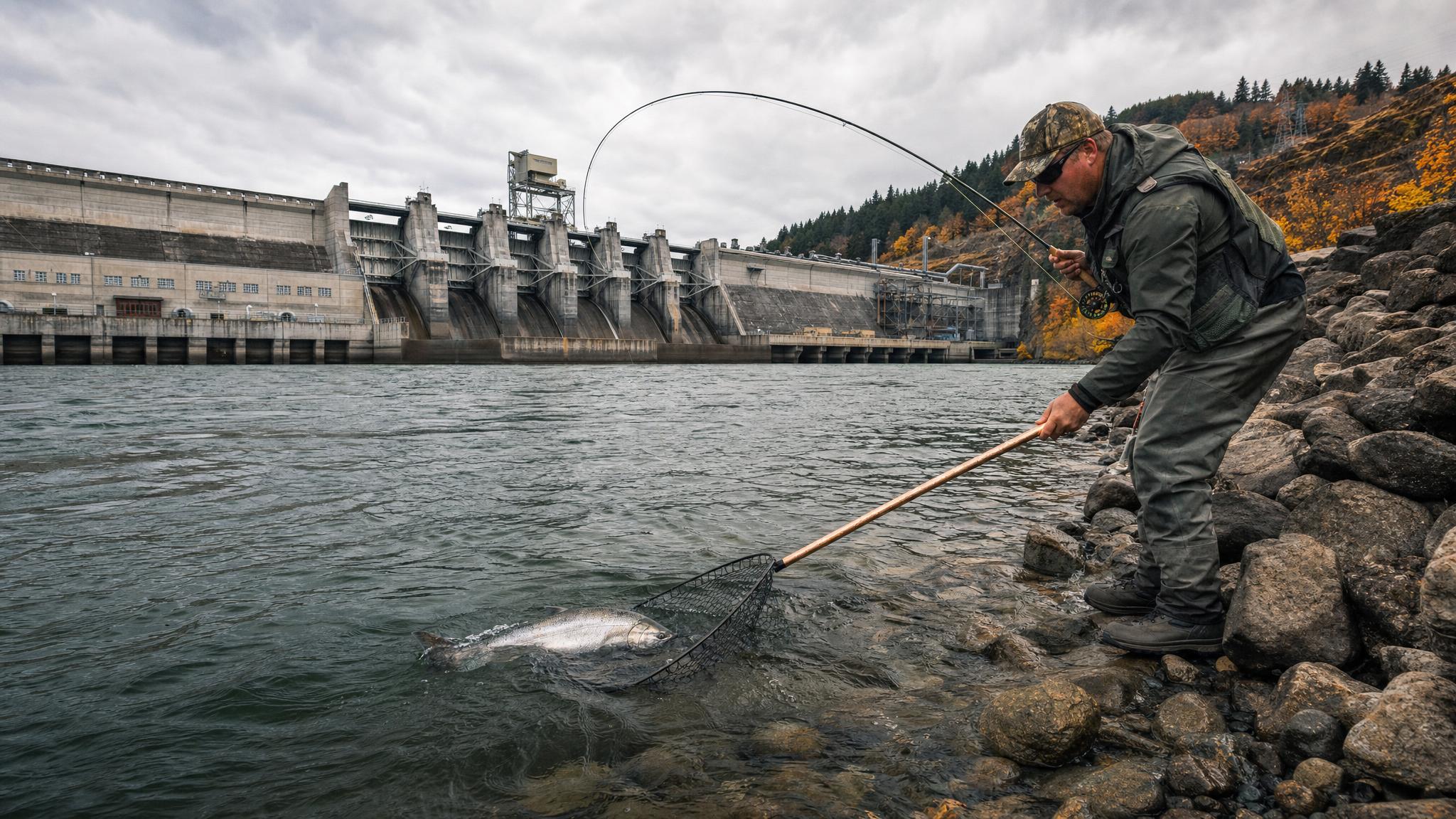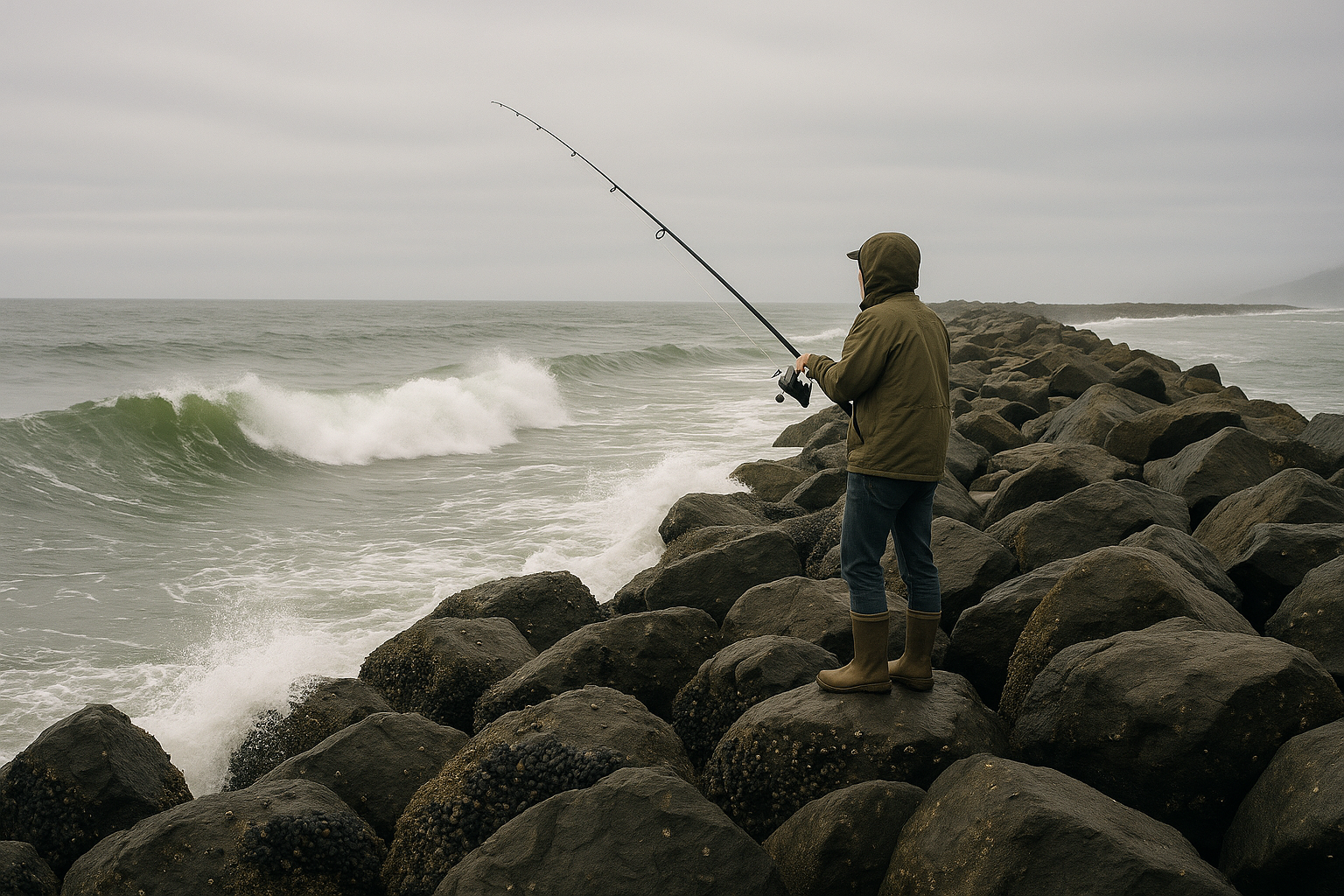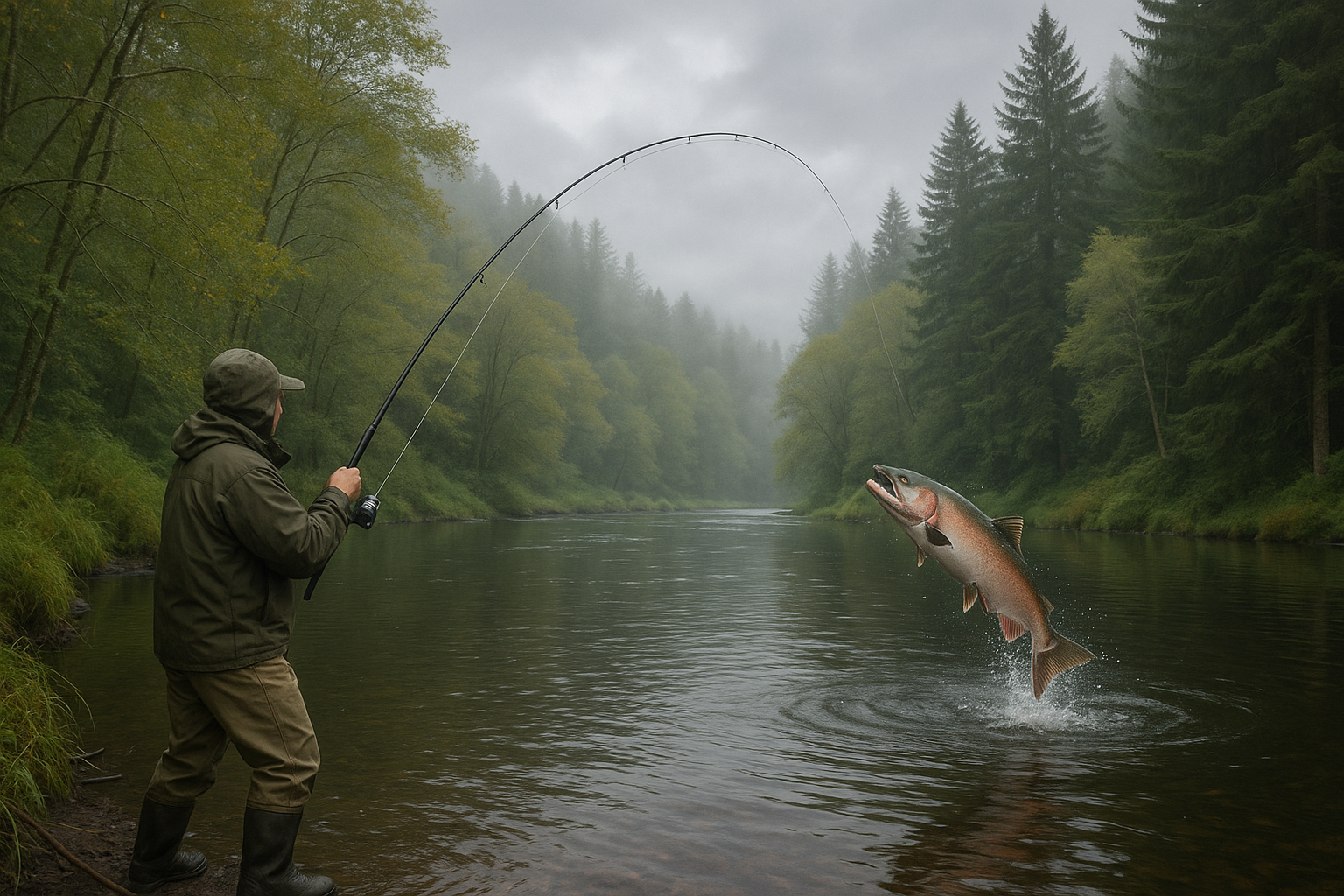
Drive north out of Florence on Highway 101 and you'll pass the Smith River Road turnoff without giving it a second thought — unless you know what you're missing. The Smith River is one of Oregon's shortest coastal salmon streams, running just 12 miles from its headwaters to the tidally influenced lower river near the coast. But every September and October, fresh bright Chinook salmon stack up in this small system, and the bank access is some of the best you'll find on the Oregon coast.
The Run and Timing
The Smith River fall Chinook run typically peaks between mid-September and late October, with the first fish showing in the lower river as early as the first week of September in good years. These fish are ocean-bright, hard-fighting, and often in the 15- to 30-pound class. The river's short length means salmon move through quickly once they arrive — you won't find fish staging for weeks the way they do in longer systems. When the run is in, the fishing can be exceptional; when it's not, the river is quiet.
Peak timing correlates closely with rainfall. A significant September rain event — usually anything over an inch — will draw fish off the ocean and into the estuary in a hurry. Watch the Florence weather station and check ODFW's coastal stream fish counts (when available) or simply drive the road and check for jumping fish. You'll know within 10 minutes of arriving whether fish are present.
Access and Key Bank Spots
Smith River Road parallels most of the fishable water and provides multiple pull-outs and informal access points. The lower 3 miles — from the Highway 101 bridge up to the first major bend — fish best during the incoming tide when fresh fish push upriver. Several flat gravel bars and clay banks offer solid casting positions and room to land fish.
Tidewater Section
The tidal reach is the first stop for incoming fish and the hottest water on the system early in the run. Bank anglers casting spinners, spoons, or fresh roe can intercept fish that are still actively moving. Fish this water on the incoming tide, ideally the two hours before high tide. Fresh water flows and tide direction create current seams that concentrate fish in predictable slots.
Mid-River Holes
Once fish push above tidewater, they stack in the deeper pools and tailouts. Look for river bends with undercut banks, log jams that create holding water, and the confluences of small tributaries — particularly after rain brings a fresh flow from side drainages. These holding lies are where float fishing really shines.
Proven Techniques
- Float-and-roe: The universal coastal Oregon setup. Use a 3/4 to 1-oz float with a size 2/0 hook, fresh cured roe under a small corkie. Fish it through the seams and drop-offs at the head and tail of holding pools.
- Spinners: Blue Fox Vibrax and similar weighted spinners in silver/orange, chartreuse, or hot pink produce well on moving fish in the tidewater reach. Toss upstream and work the blade through the current.
- Spoons: Kastmasters and Little Cleos in 1/2 to 1 oz are a solid option when fish are active. Vary your retrieve speed until you find what works on a given day.
- Anchovies: Brined whole or plug-cut anchovy fished on a spreader rig or bottom-bounced through pools is a sleeper tactic that produces on post-rain fish that have been in the river a few days.
Gear Recommendations
A medium-heavy spinning rod in the 9- to 10-foot range paired with a quality 4000 to 5000 series reel spooled with 30-lb braid and a 15- to 20-lb fluorocarbon leader handles everything the Smith River will throw at you. Chinook here don't have much room to run — when they turn and head downriver, you'll need to be able to put the brakes on. A landing net is essential for bank anglers, as many of the better spots have steep or brushy banks that make tailing fish difficult.
Hip waders or light rubber boots will serve you well on the gravelly tidewater banks. The upper river access points can involve short walks through blackberry and alder — long pants are a good idea.
Regulations and License Requirements
The Smith River falls under ODFW's coastal salmon regulations. As of 2026, a valid Oregon fishing license plus a Combined Angling Tag is required. Retention rules for fall Chinook vary by in-season management — always check ODFW's weekly regulation updates or the ODFW recreation report for the most current closures, retention rules, and wild fish release requirements before you go. Fin-clipping (adipose fin) is required for retention on many coastal systems when wild Chinook management is in effect.
A Few Local Tips
The Smith River sees a fraction of the pressure of nearby Siuslaw River and the Alsea system. Florence locals know about it, but it rarely shows up in fishing reports. If the Siuslaw is blown out from early fall rain, the Smith — which drains a smaller watershed — may clear faster and fish better. Always worth checking if you're already in the Florence area.
The Florence Chamber of Commerce area and nearby Jessie M. Honeyman State Park make a good basecamp if you're making a multi-day trip of it. Combine the Smith River with a session on the lower Siuslaw and you've got a legitimate fall salmon weekend on Oregon's central coast without fighting the crowds of the Tillamook and Nestucca systems to the north.