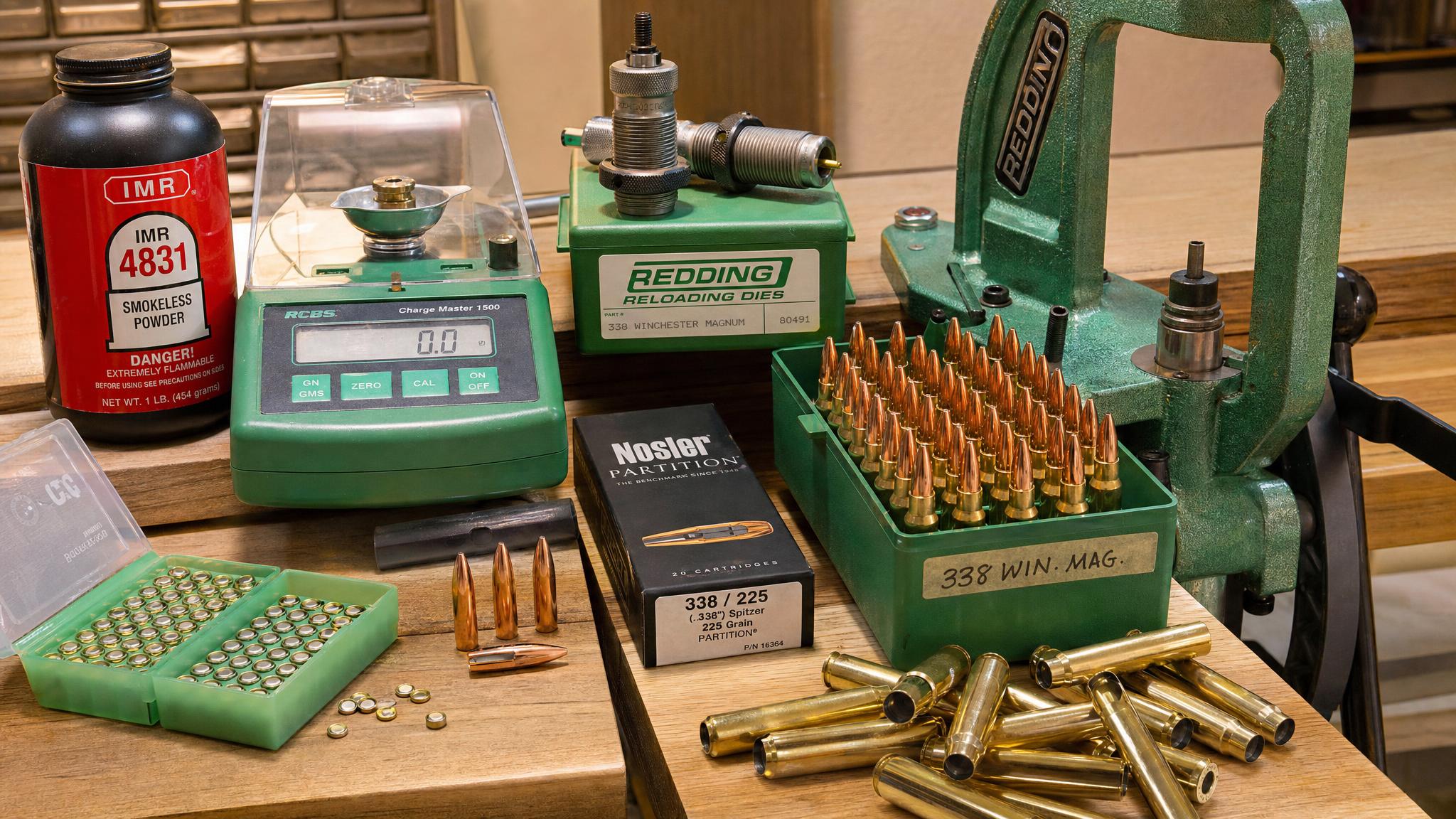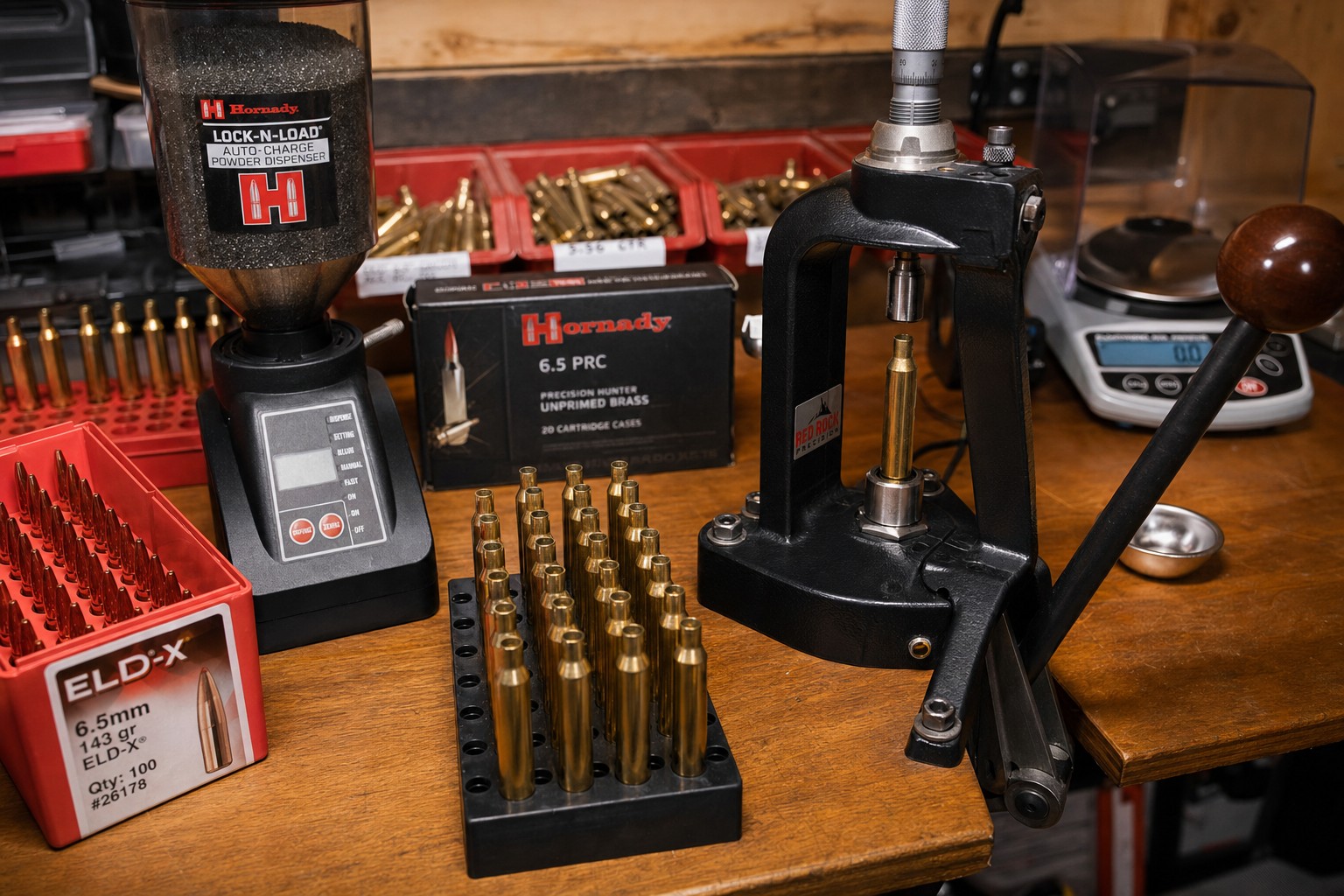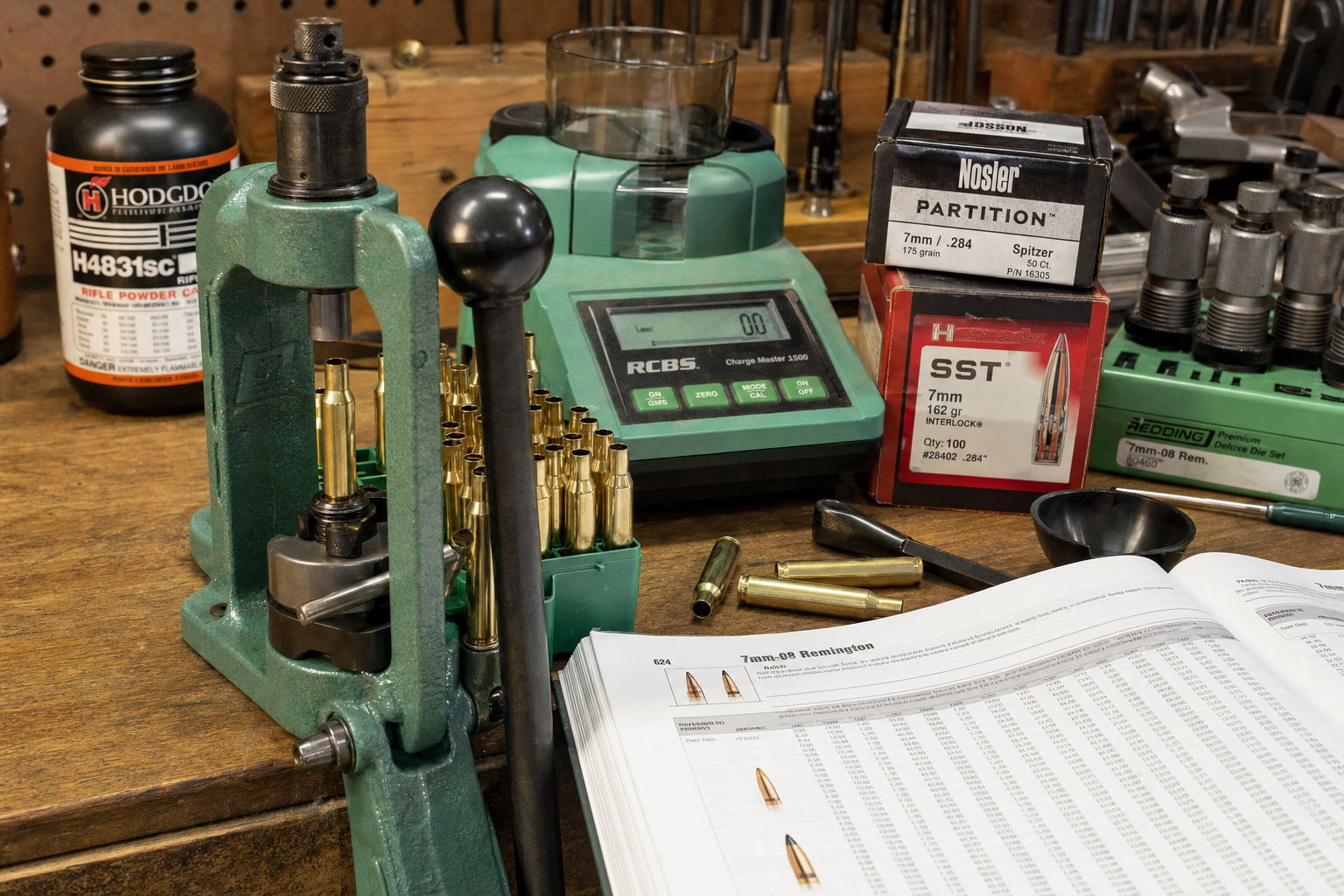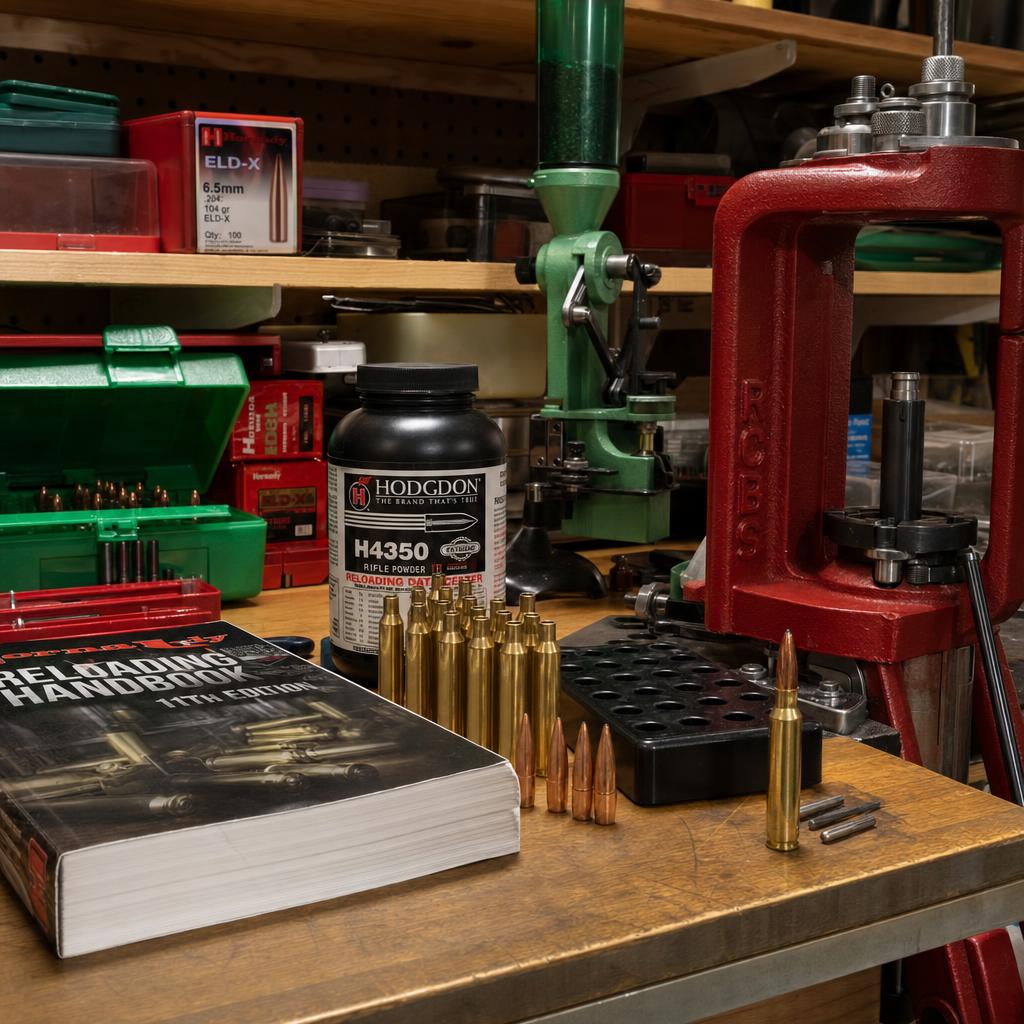
Few cartridges have reshaped the American shooting landscape the way the 6.5 Creedmoor has since Hornady introduced it in 2007. What started as a purpose-built long-range target round has become the most popular new hunting cartridge in a generation — and for good reason. For Oregon hunters chasing deer in the Coast Range, elk in the Cascades, or mule deer in the high desert, the 6.5 Creedmoor combines mild recoil, exceptional ballistic efficiency, and outstanding factory support into a package that's hard to argue with. For reloaders, it gets even better.
Why the 6.5 Creedmoor Works
The 6.5mm bullet diameter has a long international history of accuracy and high ballistic coefficients (BC). The 6.5 Creedmoor's short, efficient case is designed to work in standard short-action receivers and feed reliably from AICS-pattern magazines. It operates at moderate pressure (62,000 PSI SAAMI max), which means less case stretching, longer brass life, and a gentler bore-wear curve than magnums.
The cartridge excels with high-BC 6.5mm projectiles — the 130-grain and 140-grain class of bullets that carry velocity and energy exceptionally well at extended range. A 140-grain Hornady ELD-X loaded to 2,700 fps retains more energy at 400 yards than a 150-grain .30-06 load shot at the same distance. For Oregon's open-country hunting — particularly eastern Oregon mule deer and high-country elk — that matters.
Brass Selection and Prep
6.5 Creedmoor brass is available from virtually every major manufacturer. Here's how the common options compare for reloaders:
- Hornady: The original brass, widely available, consistent primer pockets, reasonable case weight variation. Good starting point for most reloaders.
- Lapua: Premium option with exceptional uniformity, thicker walls, and long case life. Worth the price for serious precision shooters. Slightly smaller internal volume than Hornady — reduce starting loads slightly.
- Federal Gold Medal: Excellent for match-grade loading. Annealed, consistent, and well-regarded in competitive circles.
- Starline: Budget-friendly American-made option with good consistency. Popular for high-volume target practice loads.
Regardless of brand, follow standard case prep: decap and clean first, then size, trim to 1.910" (SAAMI spec), deburr/chamfer, and uniform primer pockets before your first reload. The 6.5 Creedmoor doesn't demand extreme prep work to shoot accurately — it's an inherently forgiving case — but consistent prep translates directly to consistent groups.
Powder Selection
The 6.5 Creedmoor's case capacity and pressure ceiling work best with medium-burn-rate powders. The following are proven performers:
Top Powders for 120–130 Grain Bullets
- Hodgdon H4350: The gold standard for 6.5 Creedmoor. Temperature-stable, consistent, and well-documented across every load manual. Start here.
- IMR 4451: Enduron series (temperature-insensitive). Excellent accuracy and slightly higher velocity than H4350 in some rifles.
- Varget: Burns a bit fast for the heaviest 6.5mm bullets but shines with 120–130 grain projectiles at higher velocity.
Top Powders for 140–147 Grain Bullets
- H4350: Still the leader for most 140-grain loads. Consistently delivers top velocity with good ES/SD numbers.
- Hodgdon Hybrid 100V: Excellent with heavy-for-caliber 6.5mm bullets. Temperature sensitivity is moderate — consider IMR options for extreme cold/heat swings.
- IMR 4955 (Enduron): A newer option that many 6.5 Creedmoor reloaders have adopted for 140+ grain bullets. Temperature stability is excellent.
- Reloder 16: Alliant's temperature-stable option. Excellent ES/SD performance and fine velocity numbers with 140-grain loads.
Proven Load Data for Oregon Hunters
All loads listed are from published manual data. Always begin at starting charge weights and work up in 0.3-grain increments, watching for pressure signs. Maximum charges listed; do not exceed without pressure testing in your specific rifle.
Hunting Load — 143-grain Hornady ELD-X (Hornady brass, CCI 200 primer)
- H4350: Start 38.5 gr / Max 41.0 gr — ~2,640–2,710 fps (24" barrel)
- Reloder 16: Start 38.0 gr / Max 41.5 gr — ~2,660–2,730 fps
Hunting Load — 140-grain Nosler AccuBond (Lapua brass, Federal 210M primer)
- H4350: Start 38.0 gr / Max 40.8 gr — ~2,600–2,680 fps (24" barrel)
- IMR 4955: Start 38.5 gr / Max 41.2 gr — ~2,620–2,710 fps
Target/Practice Load — 140-grain Hornady BTHP Match (Starline brass, CCI 200 primer)
- H4350: Start 38.5 gr / Max 41.0 gr — ~2,630–2,700 fps
- Varget: Start 36.5 gr / Max 38.5 gr — ~2,560–2,640 fps
Long-Range Load — 147-grain Hornady ELD-M (Lapua brass, Federal 210M primer)
- H4350: Start 37.5 gr / Max 40.0 gr — ~2,540–2,610 fps
- Hybrid 100V: Start 37.0 gr / Max 39.5 gr — ~2,550–2,620 fps
Seating Depth and OAL
The 6.5 Creedmoor rewards attention to seating depth. Most factory chambers have relatively short freebore, meaning bullets can be seated closer to the lands for improved accuracy without excessive pressure spikes. Start at the cartridge overall length (COL) specified in your manual, then experiment with seating 0.010"–0.020" off the lands if your rifle permits it (AICS magazines typically limit COL to around 2.800").
For hunting loads that must feed from a magazine under field conditions, prioritize reliable feeding over chasing lands. A hunting round that jams in a cold canyon is worth nothing. Set COL for reliable function first.
Bullets for Oregon Big Game
- Deer: 120-grain Nosler Ballistic Tip, 129-grain Hornady InterBond, 130-grain Berger Hybrid Hunter — flat-shooting, excellent expansion at typical 200–350 yard shot distances.
- Elk and black bear: 143-grain Hornady ELD-X, 140-grain Nosler AccuBond, 140-grain Swift Scirocco II — bonded or lead-free designs that retain mass and penetrate deeply on heavier animals.
- Long range (deer and antelope): 140-grain Berger Hunting VLD, 147-grain Hornady ELD-M — highest BC options for reaching out past 400 yards with minimal wind drift in eastern Oregon's open country.
Brass Life and Case Maintenance
The 6.5 Creedmoor's moderate operating pressure translates directly to longer brass life than magnum cartridges. With quality brass and careful loading, expect 8–12 reloads from Hornady cases and 15+ from Lapua before primer pockets loosen or case heads show fatigue. Anneal cases every 4–5 firings to restore neck tension uniformity and extend case life. Trim to length at 1.910" whenever cases measure 1.920" or longer.
Temperature Sensitivity in the Oregon Backcountry
Oregon's hunting environments range from sea-level coastal forests to 8,000-foot Cascade peaks. Temperature swings of 40–50°F between your loading bench in the valley and an alpine elk camp at dawn are common. If you're hunting cold-weather country, prioritize Enduron-series powders (IMR 4451, IMR 4955, IMR 4166) or Reloder 16 — all are engineered to minimize velocity variation across temperature extremes.
A load that shoots 2,700 fps in your garage at 70°F may drop 80–100 fps on a 20°F November morning with a temperature-sensitive powder. That's enough to shift point of impact at 300 yards. Know your powder's temperature coefficient and plan accordingly.
Final Thoughts
The 6.5 Creedmoor earns its reputation. For Oregon hunters who want a single rifle that handles deer, elk, mule deer, and long-range target work, it's among the most complete packages available. As a reloading proposition, it's equally attractive — consistent, forgiving, and supported by more published data than almost any cartridge introduced in the last 20 years. Load it thoughtfully, verify your velocity with a chronograph, and the 6.5 Creedmoor will serve you from the Coast Range to the high desert for years to come.