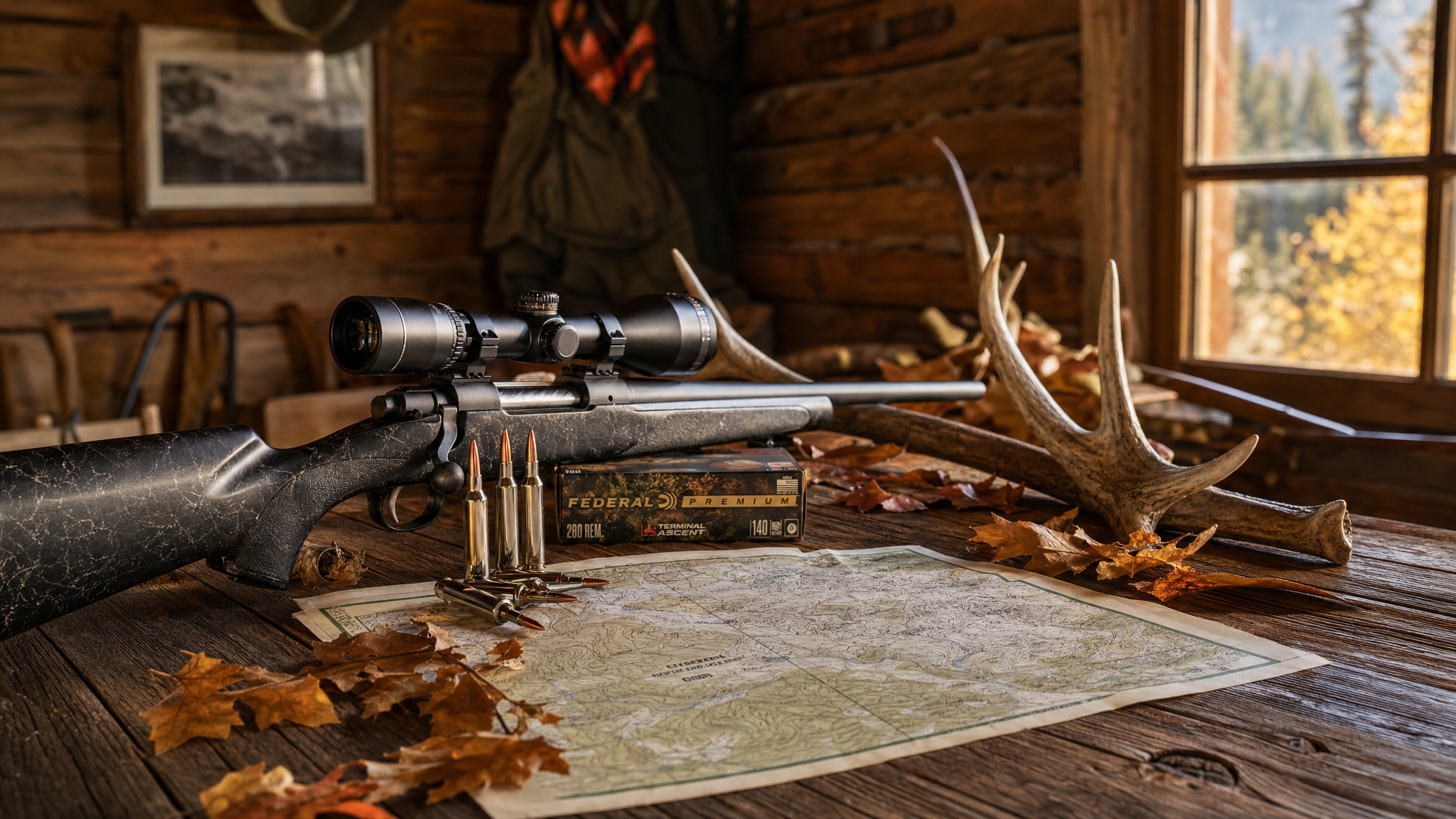
The .45-70 Government is one of America's oldest cartridges still in active hunting use — and in the brush-choked Coast Range and dense Cascade timber of Oregon, it may be the most practical rifle round you can carry. Originally adopted by the U.S. Army in 1873, the .45-70 has outlasted dozens of "modern" replacements and today enjoys a full-blown renaissance among Oregon hunters who need hard-hitting, short-range power for black bear, Roosevelt elk, and blacktail deer in tight cover.
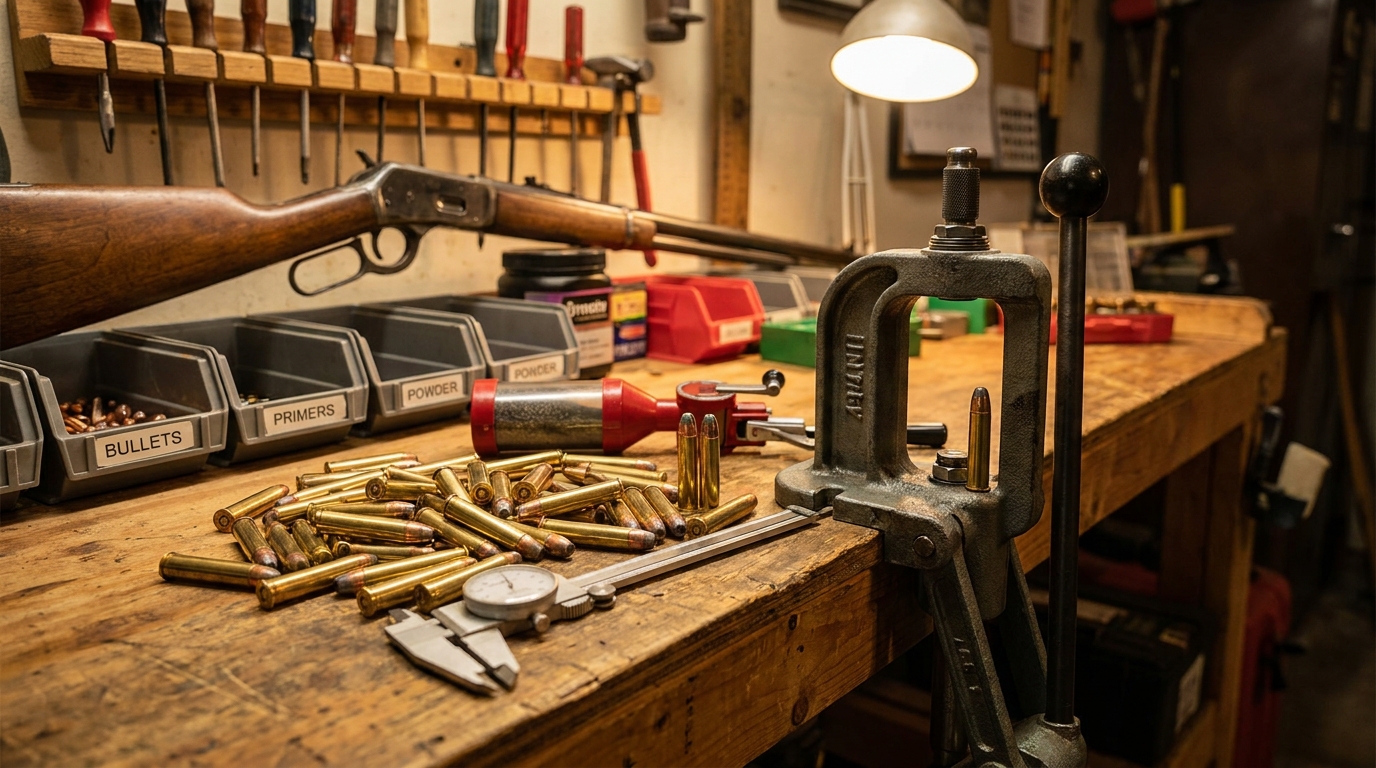
If you've picked up a Marlin 1895 or Henry Original in .45-70, reloading for it is both rewarding and surprisingly accessible. This guide covers the fundamentals of building accurate, effective .45-70 loads for Oregon's close-range hunting conditions.
Why the .45-70 Makes Sense in Oregon
Much of western Oregon hunting happens inside 150 yards — sometimes inside 50. The Coast Range blacktail woods, the tangled second growth of the Tillamook State Forest, and the steep canyon walls of the Rogue and Umpqua drainages don't offer long shooting lanes. What they demand is a cartridge that hits hard, expands reliably at modest velocity, and cycles fast in a lever gun when a bear steps out at 30 feet.
The .45-70 excels at exactly this. A 300-grain bullet at 1,900 fps hits with over 2,400 ft-lbs of energy at the muzzle — more than enough for any animal in Oregon — while generating modest recoil in a heavy lever-action rifle. For black bear hunters working hound packs in the Coast Range, or elk hunters pushing timber in the Cascades, the round is simply hard to beat.
Brass Selection and Preparation
Starline and Hornady both produce excellent .45-70 brass. Starline is the preferred choice among Oregon reloaders for its consistent case weight and long annealing life — expect 8–10 reloads without issue if you keep neck tension consistent.
Case preparation is straightforward:
- Full-length resize after each firing for semi-rimmed case consistency
- Trim to 2.095" (SAAMI spec) — cases grow quickly at higher pressure levels
- Deburr and chamfer mouth before seating cast or jacketed bullets
- Use large rifle primers; CCI 200 or Federal 210 are both excellent
Bullet Selection for Oregon Game
The .45-70's bore diameter (.458") gives reloaders a wide range of bullet options, from lightweight cast lead to heavy bonded cores.
Black Bear and Blacktail Deer
For black bear and blacktail at close range, a 300-grain jacketed flat-nose (JFN) or a cast lead bullet at 1,800–2,000 fps is ideal. Hornady's 325-grain FTX (Flex Tip) is purpose-built for lever guns and shoots flat enough to reach 200 yards in modern rifles. For pure brush hunting inside 100 yards, hard-cast 405-grain bullets at 1,500 fps deliver bone-crushing energy and near-100% weight retention.
Roosevelt Elk
Oregon elk in the Cascades and Coast Range don't require exotic bullets — they require penetration. The 400-grain cast lead load with a gas check, pushed to 1,600–1,700 fps, will punch through shoulder blades and anchor bulls cleanly. Bonded options like the Swift A-Frame at 325 grains are excellent if you need a bullet that handles angled shots in terrain like the Siuslaw National Forest.
Powder Selection
The .45-70 operates at relatively low pressure (28,000 CUP for standard loads, up to 40,000 CUP in Marlin 1895 "Guide Gun" loads — never use the hotter loads in trap-door Springfield rifles). The best performing powders for hunting loads include:
- IMR 3031: Classic .45-70 powder, excellent with 300–400 grain bullets; consistent metering
- Hodgdon H322: Slightly faster, produces outstanding accuracy with 300-grain JFN bullets in Marlin actions
- Alliant Reloder 7: Excellent mid-range powder for 350–405 grain cast bullets; clean burning in cold weather — important for Oregon November and December hunts
- IMR 4198: Top choice for maximum-pressure modern lever-action loads; produces the flat trajectory the round is capable of when pushed to Marlin-safe pressures
A Proven Oregon Hunting Load
For a versatile load suitable for Oregon black bear, blacktail, and Roosevelt elk inside 150 yards:
- Bullet: Hornady 325-grain FTX
- Powder: 50.0 grains IMR 3031
- Primer: CCI 200 Large Rifle
- Brass: Starline, full-length resized
- OAL: 2.550"
- Velocity: ~1,850 fps from 18" barrel (Marlin 1895 Guide Gun)
- Notes: Always verify against current Hornady or Lyman reloading manual data before loading
This load produces sub-2" groups at 100 yards from most lever actions and hits with over 2,400 ft-lbs of muzzle energy — more than adequate for any Oregon big game at hunting ranges.
Cast Lead for the .45-70
The .45-70 is one of the best cartridges for cast lead bullets. Oregon hunters who run hounds for bear or stalk close-cover blacktail will find that a 405-grain hard-cast flat-nose at 1,500 fps costs pennies per round and kills cleanly. Lyman's #457193 mould (405 grain, flat nose) is a proven Oregon favorite. Add a gas check and size to .459" for consistent accuracy and minimal leading in Marlin bores.
Range Tips and Final Notes
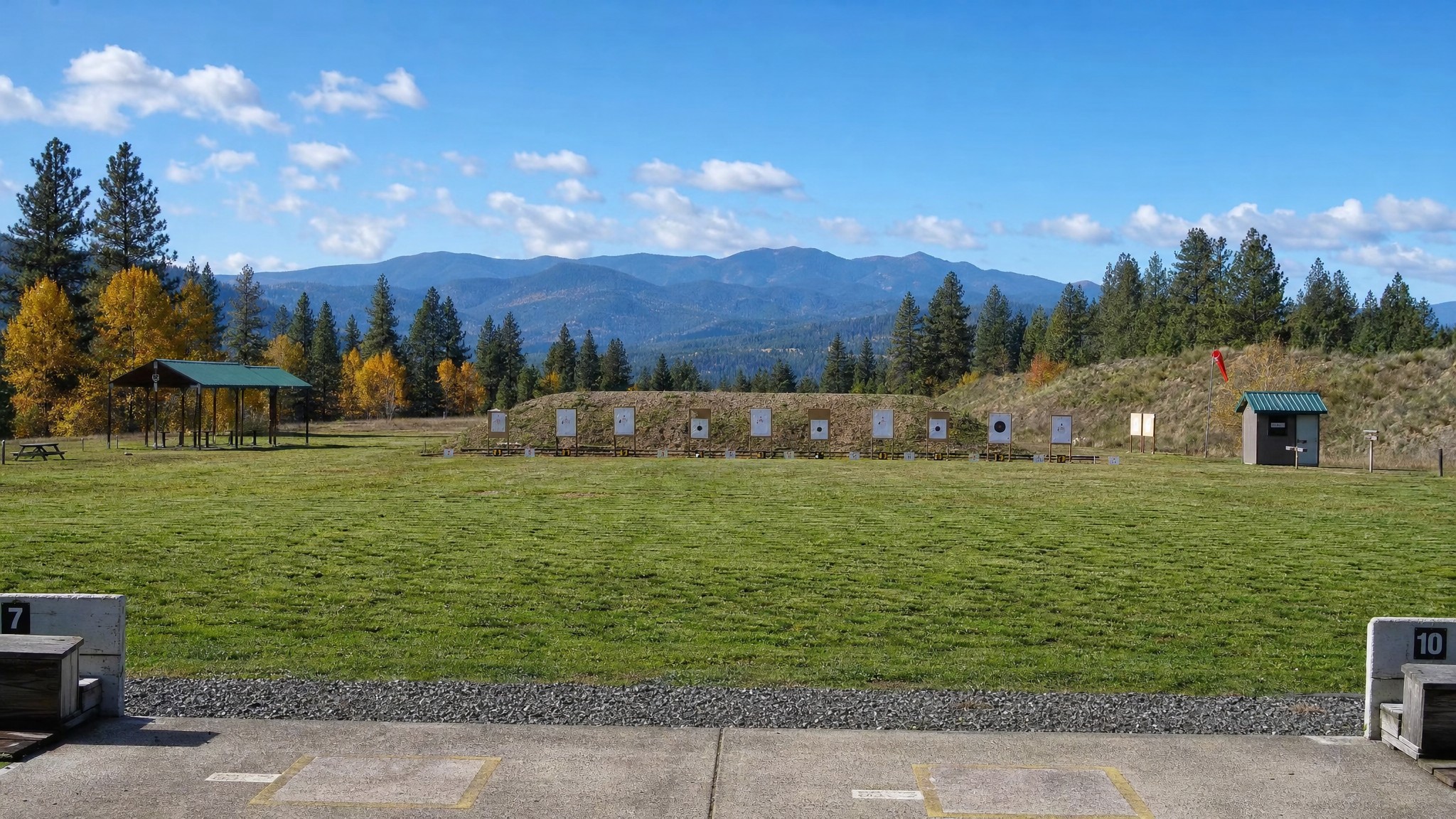
The .45-70 recoils firmly — expect 25–35 ft-lbs of recoil energy in a typical 7-lb lever gun. Use a slip-on recoil pad during load development and work up slowly. Shoot from bags at 50 yards first, then confirm zero at 100 yards. Most Oregon hunters sight their .45-70s 2" high at 100 yards, putting the bullet on target out to 175 yards for a clean woods zero.
Store loaded .45-70 ammo separately from your .30-06 and .308 boxes — the big straight-walled cases are easy to mix up in a dark truck cab. Label your boxes clearly, especially when running multiple calibers during elk camp.
The .45-70 Government is 150 years old and still one of the best choices an Oregon timber hunter can make. Load it right, know your range, and it will handle anything this state has to offer.