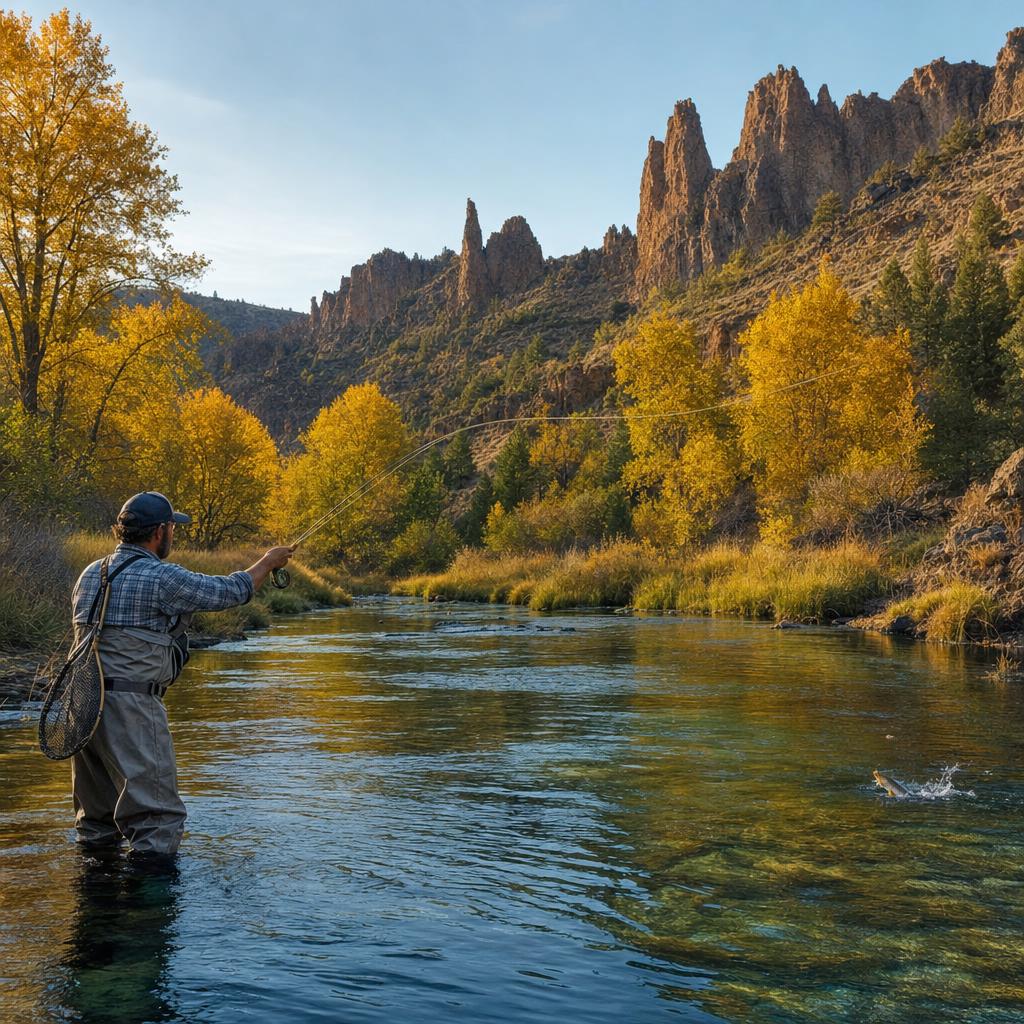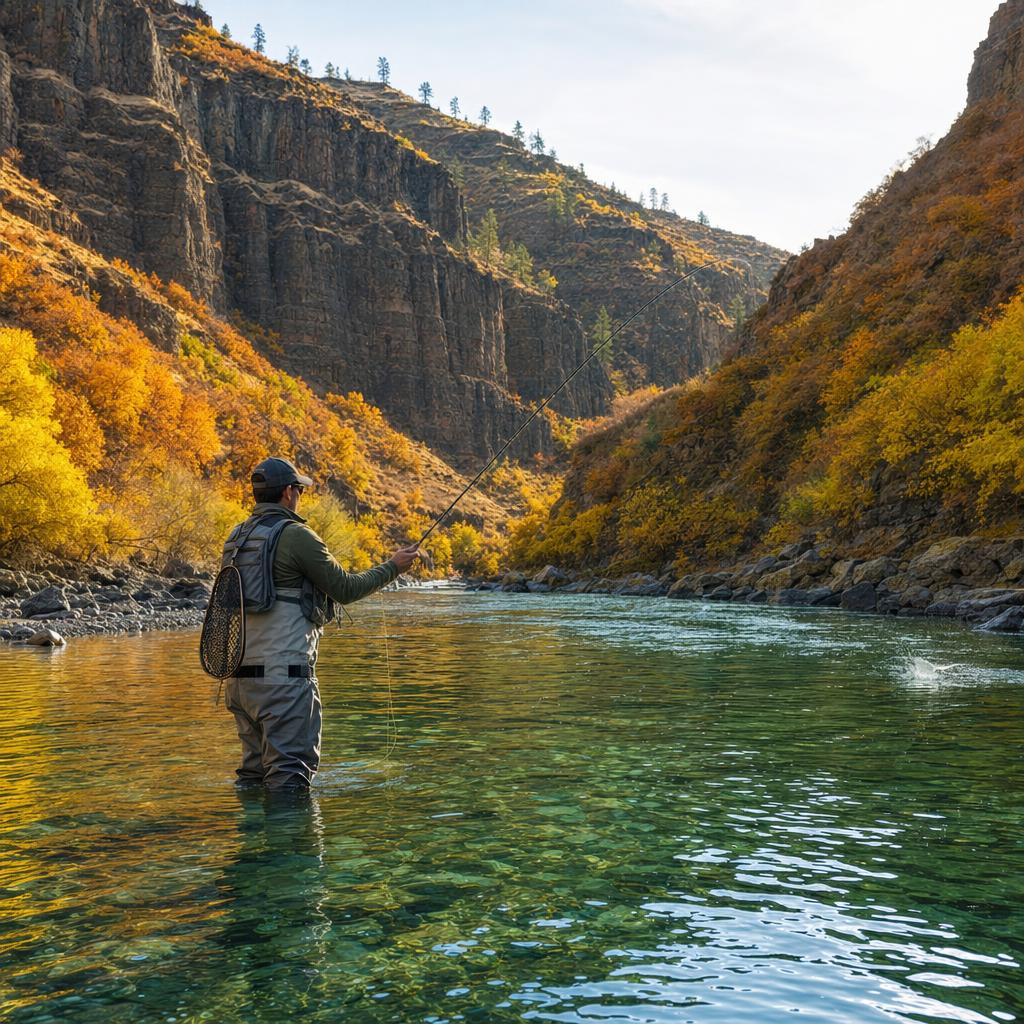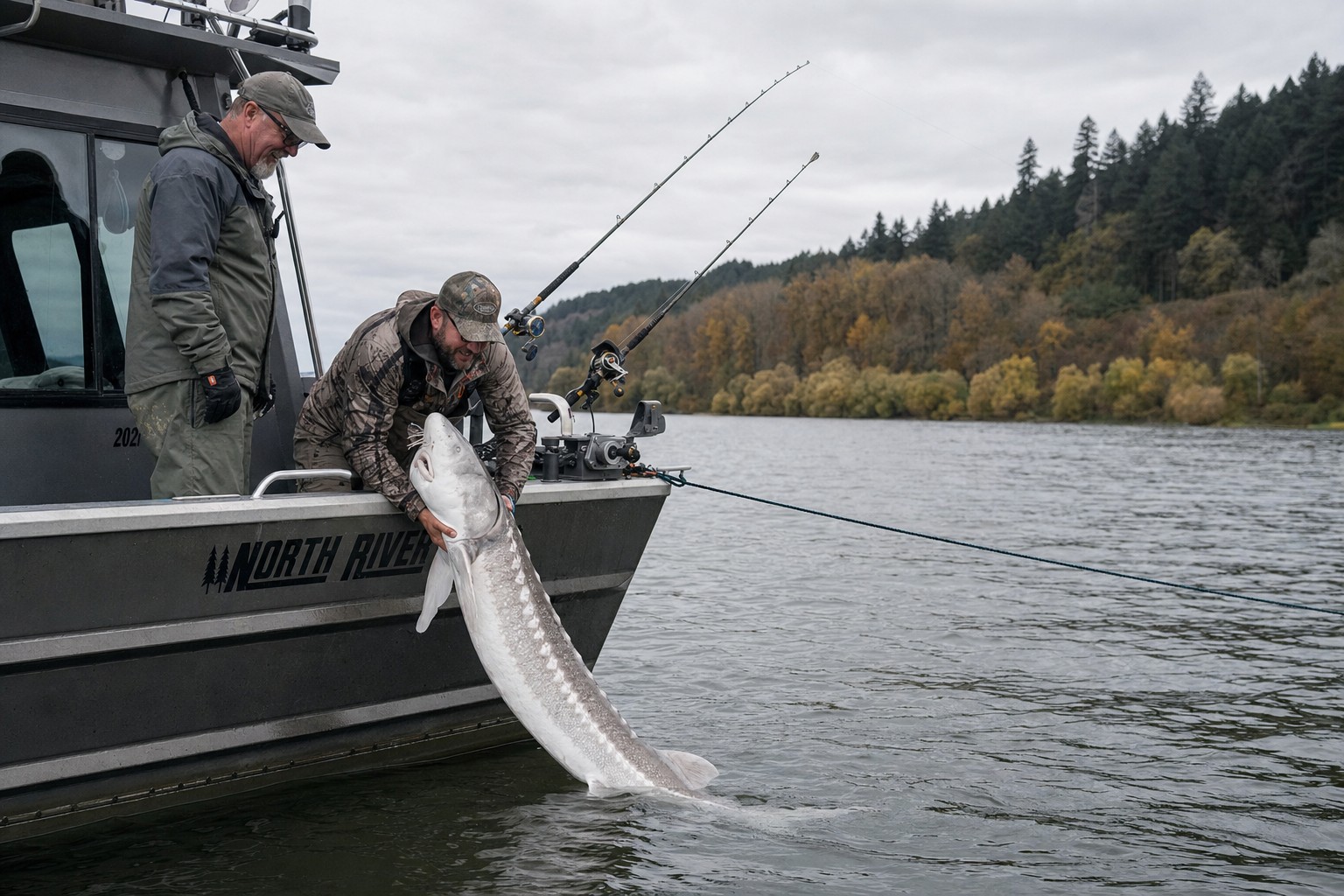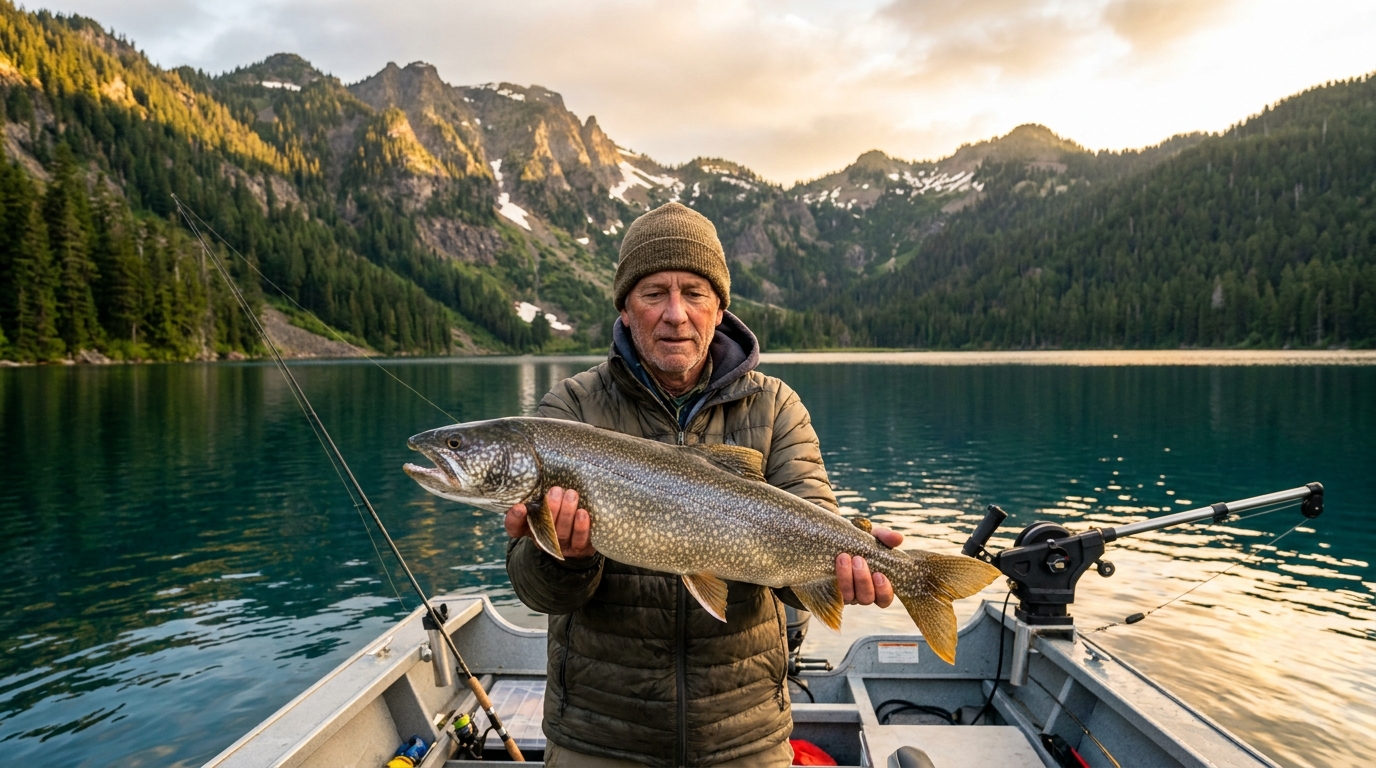
Mention Oregon trout fishing to most anglers and they conjure images of redband rainbows sipping PMDs on the Metolius or kokanee swarming toward a hoochie on a Cascade reservoir. Few think of mackinaw—lake trout—yet Odell Lake quietly holds the best laker fishery in the state, and the fish grow to sizes that would shock anyone who has never targeted them here.
Odell sits at 4,800 feet in the Willamette National Forest along the Cascade Lakes Scenic Byway, roughly 35 miles southwest of Bend. The lake is deep, cold, and exceptionally clear—conditions lake trout evolved to exploit. Fish in the 10- to 15-pound range are genuinely common; mackinaw exceeding 20 pounds surface in the catch reports every season, and ODFW has documented fish pushing 30 pounds in the deep sections. If you want a true trophy from Oregon public water, Odell deserves a serious look.
Understanding Odell Mackinaw Biology
Lake trout are not true trout—they are the largest member of the char family, closely related to brook trout. In Odell, they spend most of the year in water between 80 and 150 feet deep, hugging the thermocline where temperature and oxygen meet in a zone they find comfortable. In summer, that zone sits well below the warm surface layer, which is why casual anglers almost never encounter them.
Mackinaw feed heavily on kokanee salmon, which are abundant in Odell, and will also eat rainbow trout, chubs, and any other forage they can run down. A big laker is an apex predator in this system, and it hunts with the efficiency of a fish that has had decades to learn its lake.
Timing Your Trip
Mackinaw are available year-round at Odell under Oregon regulations. The bite is most consistent from late May through early July and again in September through October. Midsummer finds fish pushed deepest and most lethargic during the hottest weeks. Winter is excellent for those willing to brave cold mornings—fish move shallower as the thermocline collapses and water temperatures equalize.
If your schedule allows only one trip, target mid-October. Kokanee are spawning in the shallows, mackinaw are actively feeding to build winter reserves, and the crowds that fill the Cascade Lakes corridor in July and August are long gone.
Deep Jigging: The Most Productive Method
Vertical jigging is the deadliest technique for Odell mackinaw, particularly once you locate a school on your sonar. Use a quality fish finder—Garmin or Humminbird units with ClearVü side imaging are ideal—and work the structure along the lake's eastern shoreline where the bottom transitions from the gradual shelves to the deep basin.
Standard mackinaw jigs run 2 to 6 ounces, which you need to get down to 100 or 130 feet quickly. White, chartreuse, and silver with a dash of pink have all produced well here. The jigging motion is rhythmic: drop to bottom, wind up 10 feet, then work the jig in 2- to 3-foot lifts with a pause at the top of each stroke. Most strikes come on the fall, so keep your line slightly taut and watch it closely. When it jumps or goes slack unexpectedly, you've got one.
Tip: Add a small sucker or chub minnow on the jig hook for days when fish are tight-lipped. The scent and action of live bait can trigger strikes that bare hardware won't.
Trolling for Coverage
If you're prospecting unfamiliar water or fishing with a party that prefers passive tactics, trolling covers more ground. Downriggers are essentially mandatory—you need to get your presentation to 80–140 feet, and lead core or heavy inline weights get uncomfortable at those depths.
Set your downriggers at 90 and 120 feet and pull large spoons (think Apex or Coyote in 4- to 5-inch sizes), deep-running crankbaits like the Rapala Husky Jerk 14 set to dive with the help of the downrigger, or flasher-and-hoochie rigs similar to what you'd use for kokanee but scaled up. White and chrome spoons with a red or orange stripe have a long track record on Odell mackinaw.
Troll at 2.0–2.5 mph along the contour lines on your chartplotter. If you're getting follows but no hookups, slow down or switch to a smaller profile lure.
Gear and Tackle
- Rod: A medium-heavy 7-foot jigging rod with a fast tip for sensitivity, or a medium-action 8.5-foot downrigger trolling rod
- Reel: Low-profile baitcaster or a line-counter trolling reel; braided 30-lb main line on your jigging setup
- Leader: 20- to 25-lb fluorocarbon, 4 to 6 feet, between the swivel and jig
- Terminal tackle: Heavy swivels, 4/0 to 6/0 single hooks for jigging, #5 ball-bearing snap swivels for trolling spoons
Regulations and Access
Odell Lake falls under standard ODFW trout regulations. There is no special mackinaw-specific rule—lakers count in the daily trout bag limit, which is currently five trout per day with a combined limit that varies by season. Check the current Oregon Sport Fishing Regulations before each trip, as Cascade Lakes rules are updated annually.
Odell Lake Resort offers boat rentals, a launch ramp, and limited moorage. The USFS campgrounds at Princess Creek, Sunset Cove, and Trapper Creek provide good staging for multi-day trips. The launch at Trapper Creek on the west end is well-maintained and handles trailer boats comfortably.
This is a fishery that rewards anglers willing to work deep and think like a predator. Find the kokanee on your sonar, and the mackinaw won't be far behind. On Odell Lake, the trophy of a lifetime could be 130 feet straight below your hull right now.