Most Oregon hikers know the name Crater Lake. Far fewer have heard of the Mountain Lakes Wilderness — a compact, 23,000-acre chunk of the Winema National Forest about 30 miles west of Klamath Falls that holds its own ancient volcanic caldera, a handful of high alpine lakes, and a solitude level that most Oregon wilderness areas can only dream about. If you want to earn a camp spot without sharing a trailhead with forty strangers, the Mountain Lakes Wilderness should be on your radar.
What You're Walking Into
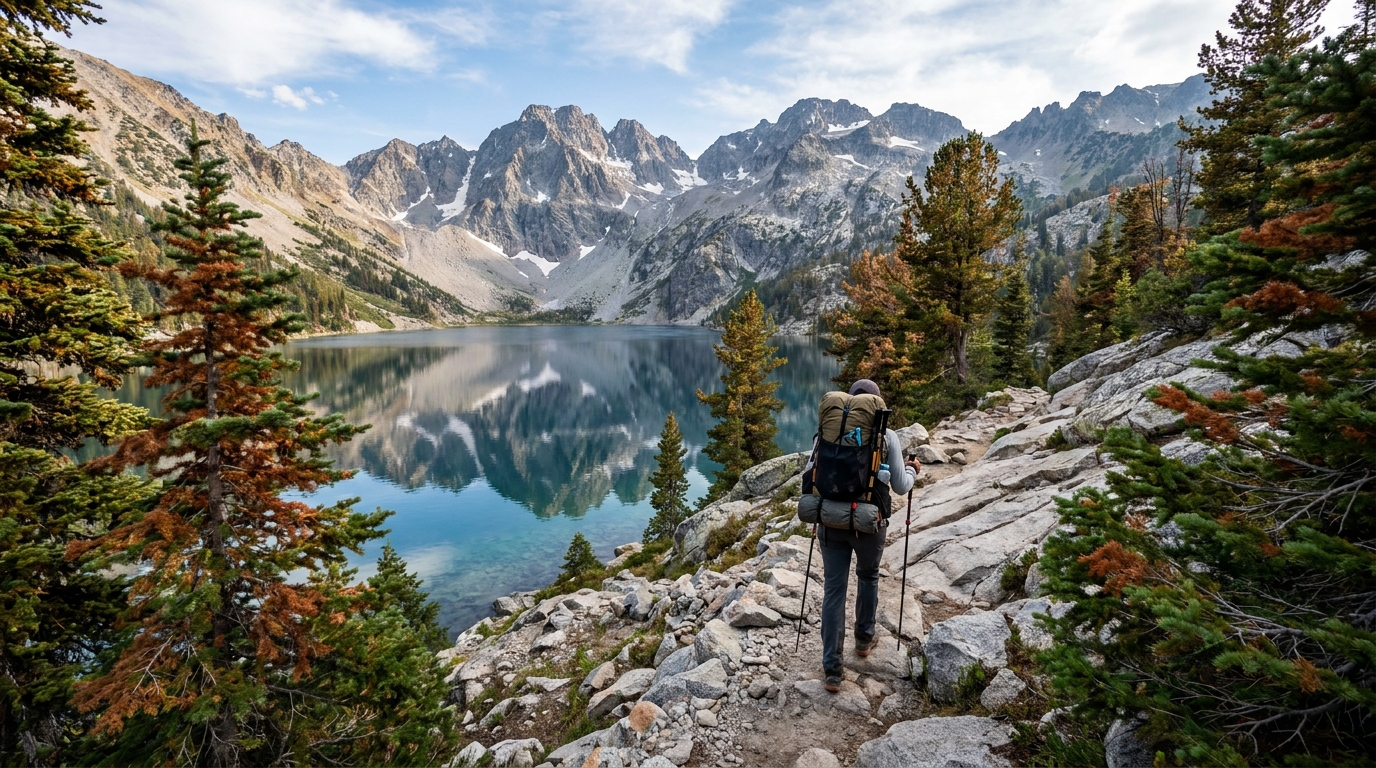
The Mountain Lakes Wilderness surrounds a collapsed volcanic caldera — geologically related to the same Cascade arc activity that formed Crater Lake, though on a much smaller and less dramatic scale. The caldera floor sits at roughly 7,000 feet elevation and contains Harriette Lake, the largest water body in the wilderness. Surrounding peaks rise to nearly 8,000 feet, and the terrain varies from dense stands of mountain hemlock and Shasta red fir to open pumice flats and rocky ridge crests that offer sweeping views of Mount McLoughlin to the north and the Klamath Lake basin to the east.
This wilderness gets light traffic for one main reason: it's not spectacular in the way that Eagle Cap or Crater Lake are spectacular. It's subtle, quiet, and rewards patience. The fishing is decent, the wildflowers are good through August, and the deer population is healthy. If those things appeal to you, it's a weekend well spent.
The Loop Route: Varney Creek to Harriette Lake
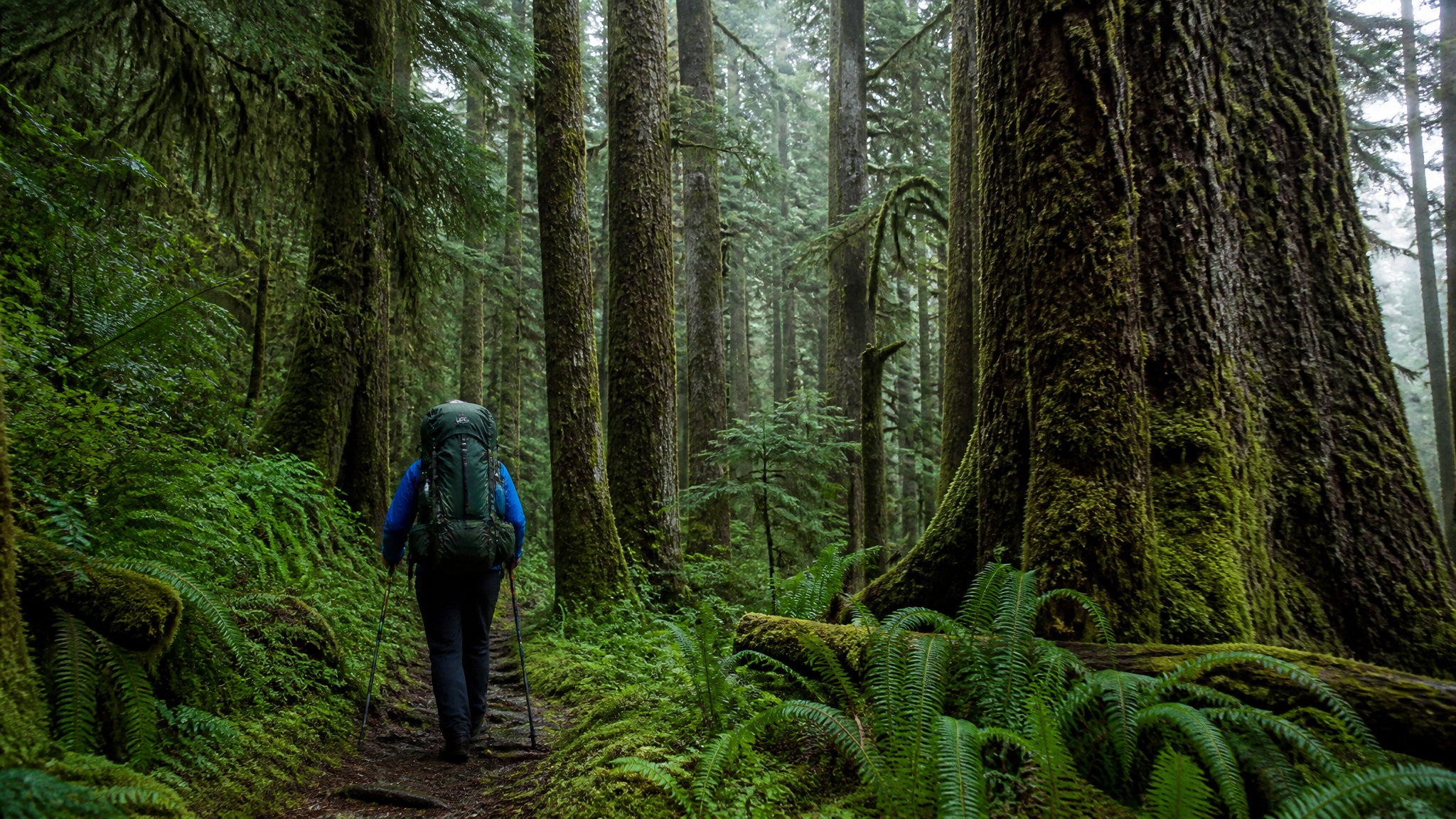
The most common entry point is the Varney Creek Trailhead on the north side of the wilderness, accessed via Forest Road 3664 off Highway 140 (the Klamath Falls-Medford corridor). The trailhead sits at roughly 5,600 feet, and the trail climbs steadily through old-growth fir and hemlock before cresting into the caldera basin.
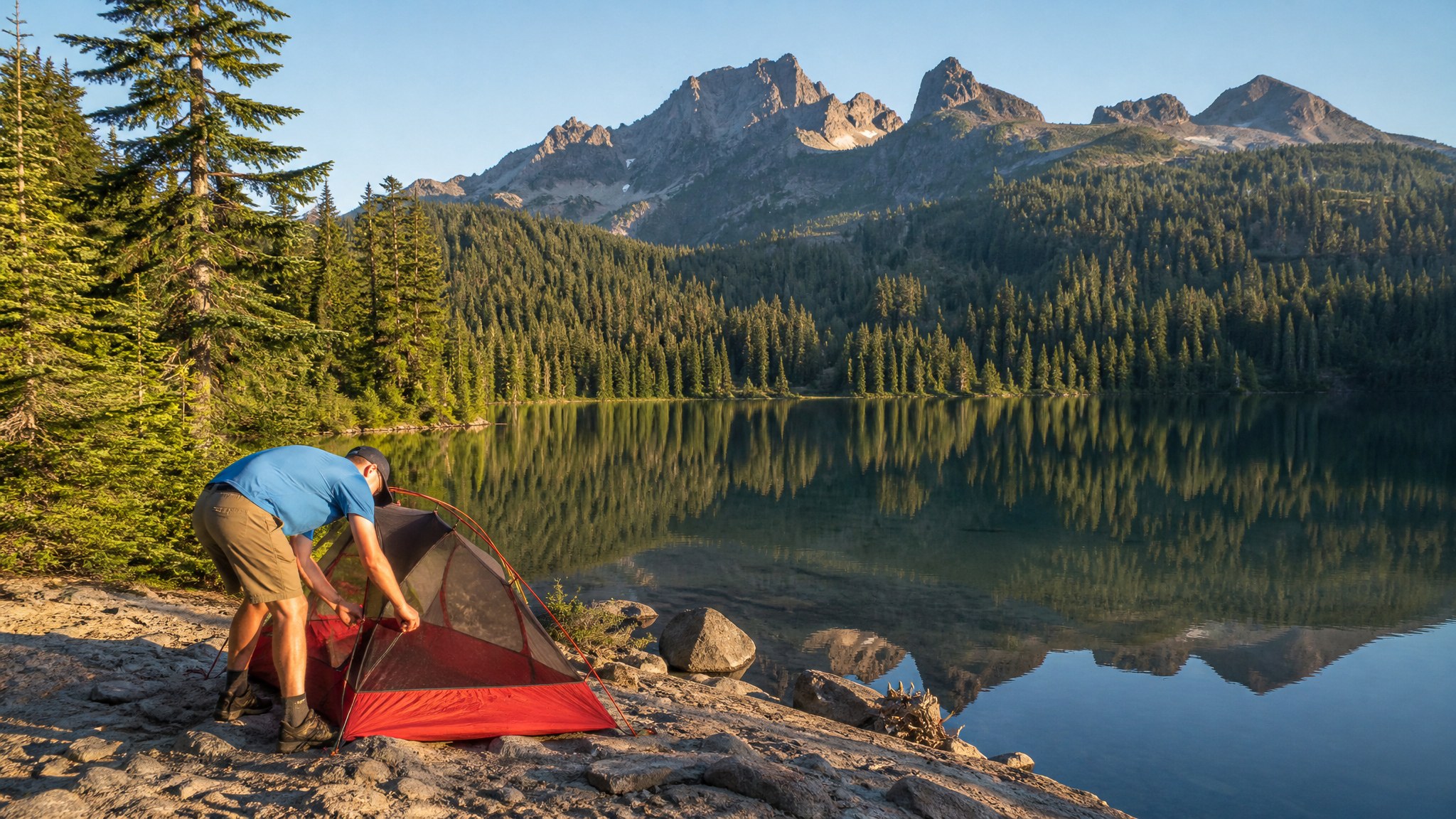
Day 1 (8–10 miles): Varney Creek Trailhead to Harriette Lake. The trail gains about 1,500 feet through dense forest before opening into the caldera. Harriette Lake is the obvious first camp — flat ground, established sites away from the shoreline, and filtered water available. Pitch camp and fish the lake in the evening. Brook trout and rainbow trout inhabit Harriette and several of the smaller nearby lakes.
Day 2 (6–8 miles): Explore the caldera. From Harriette, side trips to Mountain Lake, Echo Lake, and the unnamed tarns to the south are all worthwhile. The caldera rim offers the best views in the wilderness — a clear day gives you a sightline from Mount Shasta to the south to Diamond Peak in the north. Plan for afternoon thunderstorms, which build fast over the Cascades in August. Get back below treeline by 2:00 PM on unstable days.
Day 3 (8–10 miles): Return via the Lake of the Woods Trail or loop back through the caldera and descend the Clover Creek Trail to a different trailhead. Shuttle logistics for the loop require leaving a vehicle at the Clover Creek Trailhead on the south end; if you're running one car, out-and-back on the Varney Creek Trail is the straightforward choice.
Fishing the Caldera Lakes
Harriette Lake holds the most fish and is the most consistently productive. A small spinning rod with #2 Panther Martins, Kastmasters, or small Rooster Tails covers the water well. Fly anglers should bring a 4-weight with a sink-tip line for getting streamers down — the rainbow trout here run 10–15 inches and aren't particularly selective, but they're not easy to spook in the clear water. Early morning and evening are the productive windows.
Mountain Lake, accessed via a short cross-country scramble to the east of Harriette, also holds brook trout and sees almost no fishing pressure. Pack a lightweight ultralight spinning rod in your pack for the side trip.
Permits, Regulations, and Leave No Trace
No wilderness permit is currently required for overnight trips in the Mountain Lakes Wilderness, but this can change — check with the Klamath Ranger District (541-883-6714) before your trip for current regulations. Campfires are subject to seasonal restrictions; in August, fire danger in southern Oregon is typically high, and the Forest Service may have a fire closure in effect. A camp stove is both safer and more practical at this elevation.
Camp at least 200 feet from all water sources and established trails. Hang your food or use a bear canister — black bears are present in the Winema NF, and a surprise at camp is nobody's idea of a good time. Pack out all waste, including fish guts (don't clean fish at the water's edge in a wilderness lake).
Getting There
From Klamath Falls, take Highway 140 west toward Medford for about 30 miles, then turn north on Forest Road 3664. The Varney Creek Trailhead is approximately 4 miles from the highway on a graded gravel road passable by passenger vehicles with moderate clearance. There is no cell service at the trailhead or in the wilderness — download your maps offline and file a trip plan with someone before you go.
Why It's Worth It
The Mountain Lakes Wilderness isn't trying to be Crater Lake or the Eagle Cap. What it offers is something harder to find in Oregon every year: genuine solitude in a wilderness environment, at elevation, in a geologically interesting landscape, with fish in the lakes and deer in the draws. That combination is worth more than a parking lot crowded with Instagram hikers. August is an ideal time to visit — the road is clear, the lakes are warm enough to swim, and the wildflower show along the caldera rim is at its peak. Add it to the list.