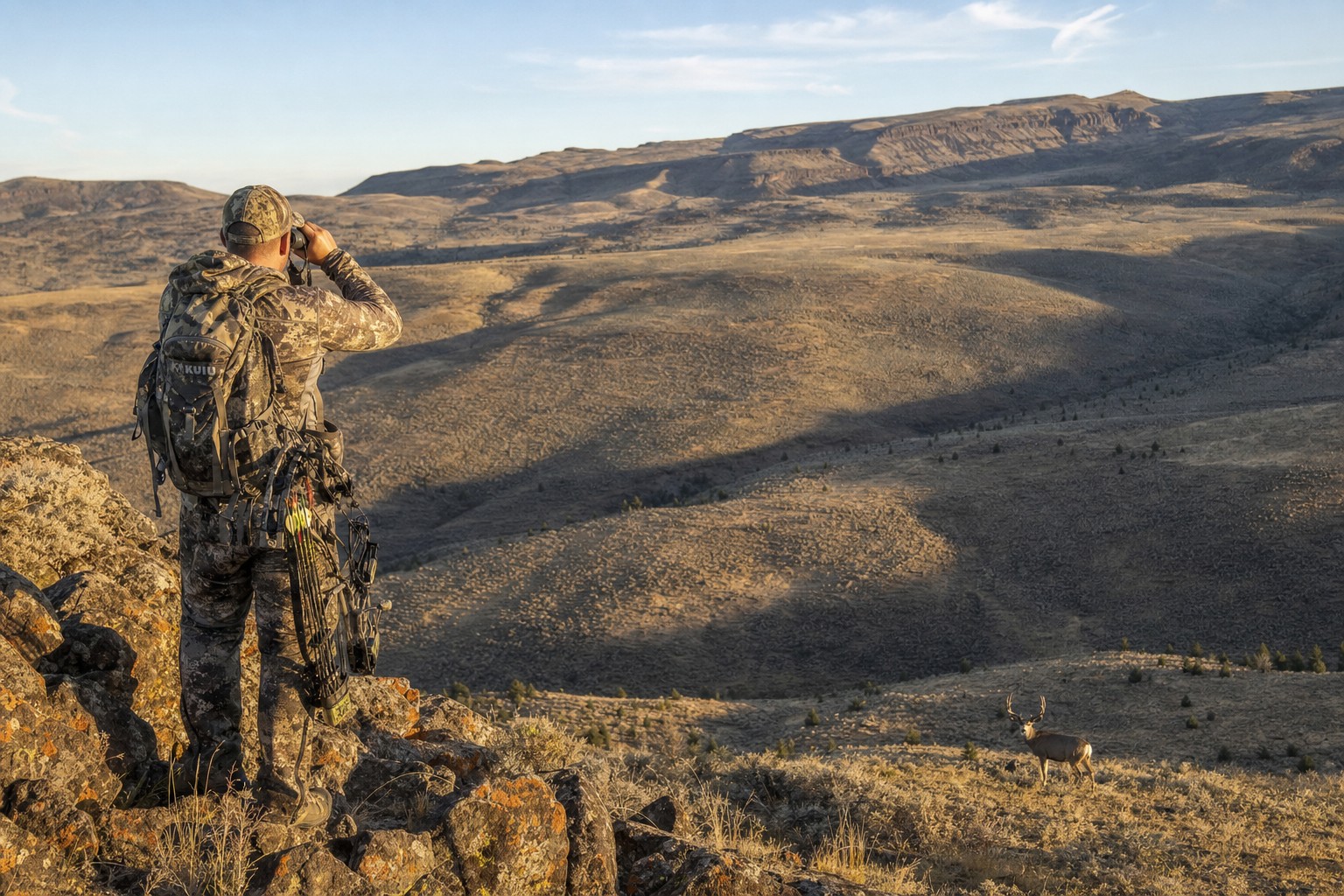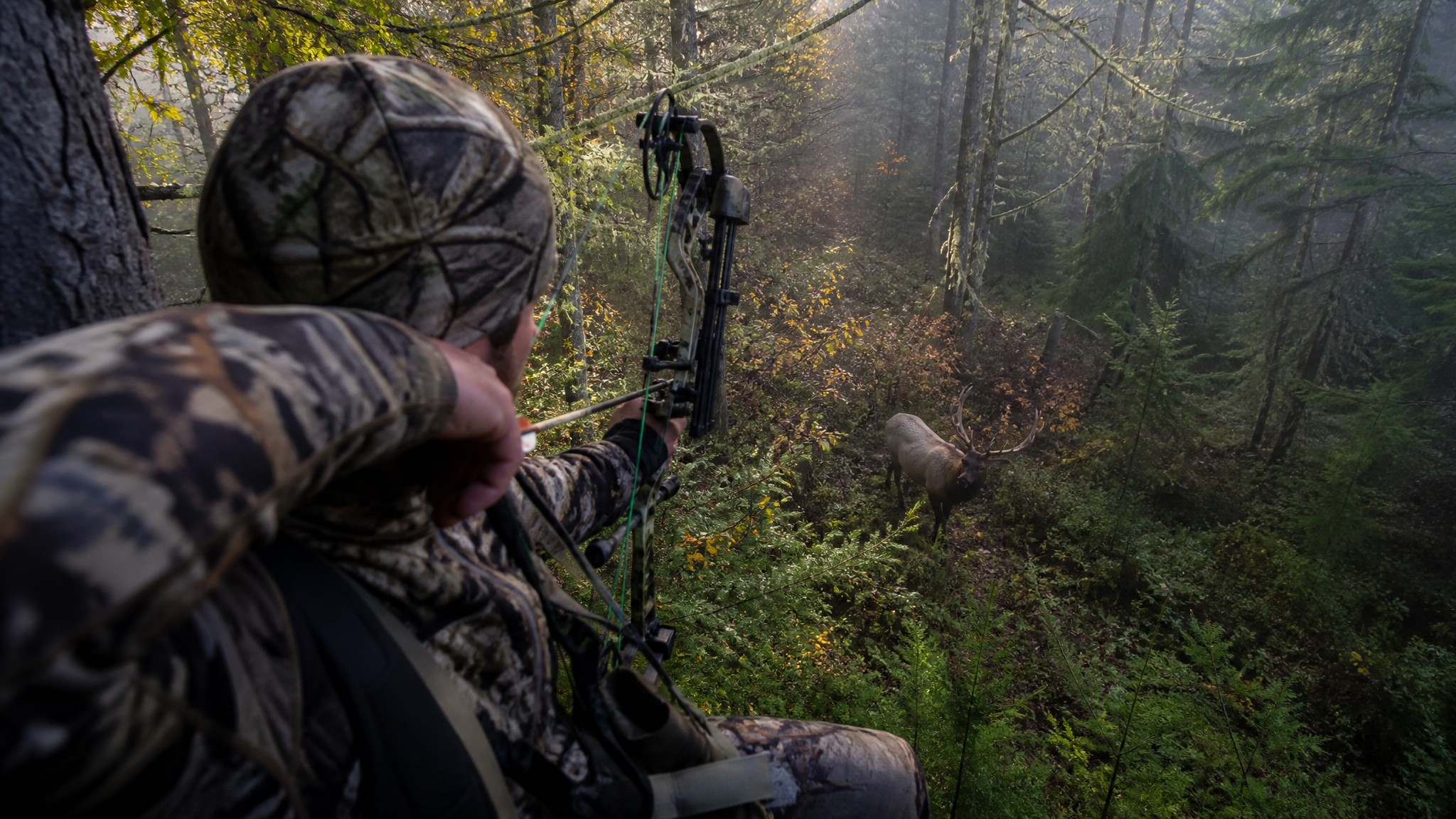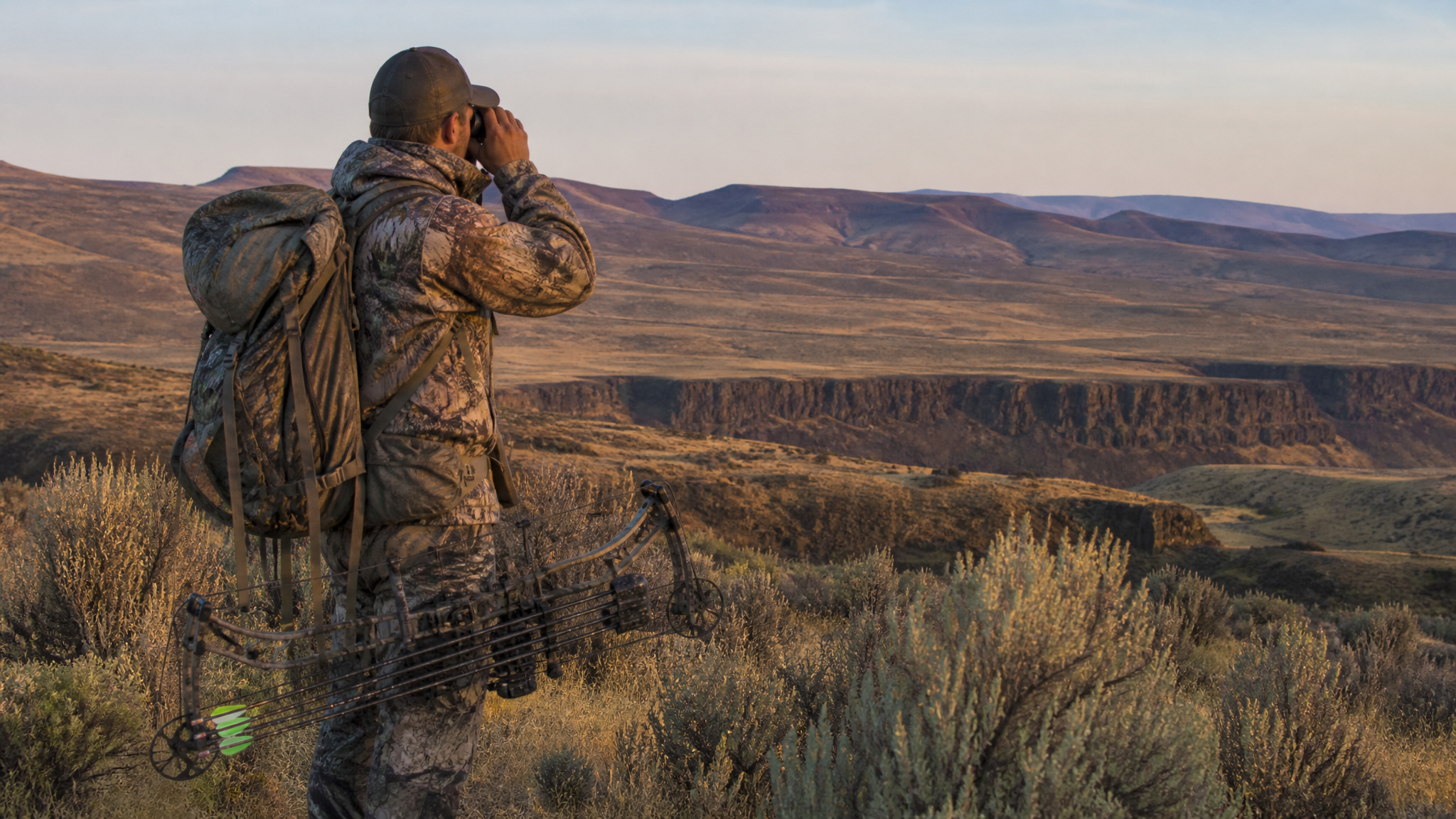
Walk through any archery shop in Oregon during July and August and you’ll see a familiar sight: hunters bringing in new bows for setup, many of whom will accept whatever short rubber stabilizer the tech installs and never think about it again. It’s understandable — there’s a lot to think about when you’re setting up a hunting bow. But stabilization is one of the most impactful and consistently overlooked adjustments a bowhunter can make. Get it right and your groups tighten, your pins settle faster, and your bow feels planted at full draw instead of squirrely.
What a Stabilizer Actually Does
The term “stabilizer” gets used loosely, but a bow stabilizer performs three distinct functions:
- Inertial dampening: Added weight slows the acceleration of the bow during the shot, reducing torque and limb oscillation. More mass = more stability, all else equal.
- Vibration absorption: Modern stabilizers use rubber dampeners, carbon tubes, or internal fill material to absorb high-frequency vibration from the shot cycle. This reduces noise and the harsh feel of an undampened bow.
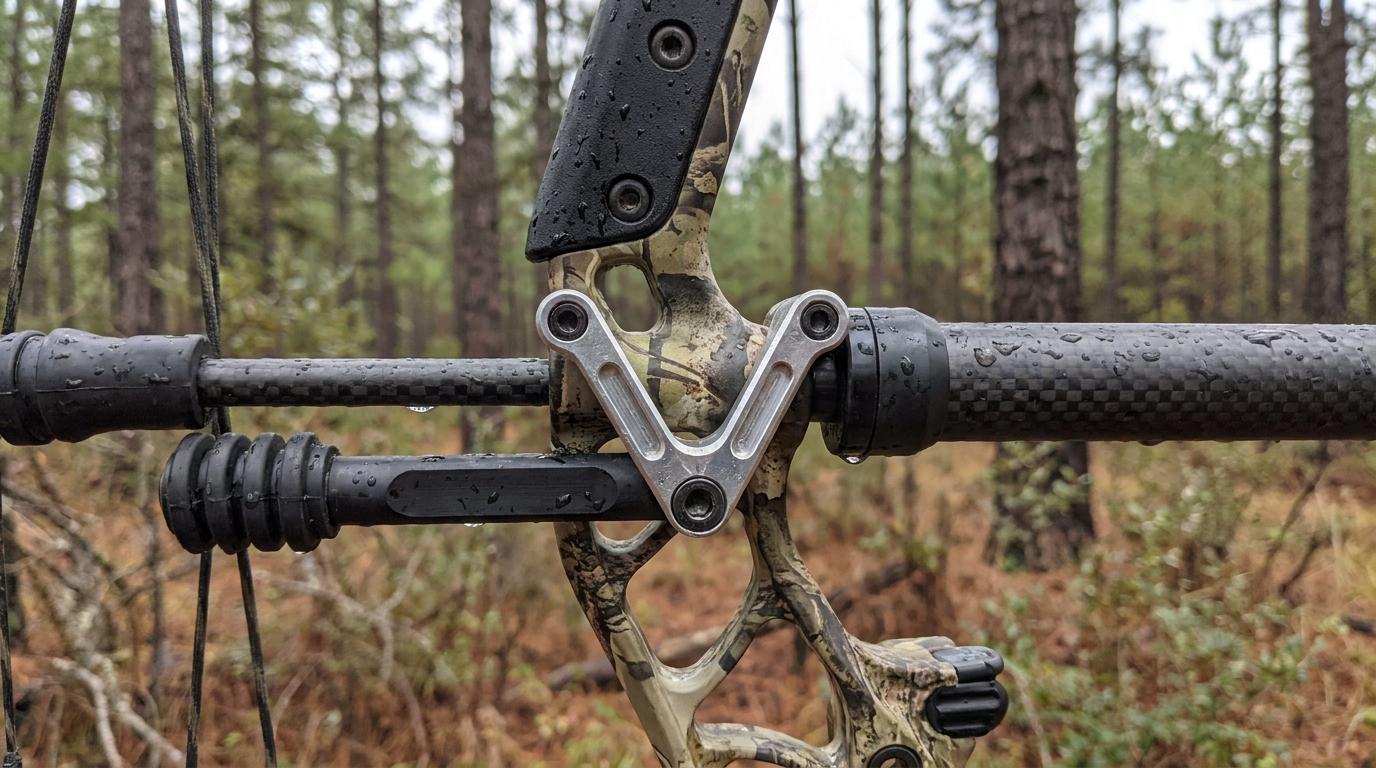
- Balance adjustment: A stabilizer — especially a side bar or V-bar setup — lets you shift the bow’s center of balance forward and laterally, compensating for heavy accessories mounted on the opposite side and creating a more neutral feel at full draw.
Understanding that these are three separate functions helps you make smarter decisions about what setup actually fits your hunting situation.
Front Bar Length and Weight: The Core Trade-Off
The standard bowhunting stabilizer is a single front bar, typically 6–12 inches, with a rubber dampener and possibly some adjustable end weight. Here’s the practical reality:
- Longer bars are more stable. A 10-inch bar creates more rotational inertia than a 6-inch bar with the same end weight. Physics favors length. If you’re primarily hunting from a treestand or ground blind where you have room to maneuver, there’s no reason to run a stub stabilizer.
- Heavier end weights improve settle time. Heavier weight at the end of the bar reduces how much the sight picture moves during your draw and aim. The bow feels planted. Lighter is not better for accuracy — lighter is better for pack weight.
- The hunting trade-off: If you’re backpack elk hunting in brushy Oregon Cascade country, a 10” stabilizer loaded with 3 oz of end weight is going to catch branches, add pack weight, and potentially bang against a tree at a critical moment. A 6” bar with 1–2 oz is a reasonable compromise. Know your hunting style and prioritize accordingly.
Side Bars and V-Bar Systems: Do Hunters Need Them?
Target archers and 3D competitors run V-bar systems with offset side bars to precisely tune bow balance for different shooting positions. Most bowhunters don’t need this level of complexity, but there’s a legitimate case for a simple side bar in specific situations:
- If you run a heavy quiver loaded with 6 arrows on the right side of the bow, the bow is significantly right-heavy at full draw. A short left-offset side bar (3–5 inches with 2–3 oz) counteracts that weight without requiring you to shoot quiver-off (which creates its own tuning issues).
- If your front bar is already at maximum practical length and you still feel lateral torque, a V-bar system lets you fine-tune left/right balance independently from forward/back balance.
For most hunting situations with a front bar only, removing your quiver for the shot (common in Western hunting) eliminates the need for a side bar entirely.
Dampening Material Matters More Than You Think
The internal construction and dampener material of a stabilizer has a huge effect on how a bow feels and sounds, independent of weight. A few observations from actual use:
- Rubber-core stabilizers (Dead Center, Bee Stinger, Trophy Ridge) excel at absorbing mid-to-low frequency vibration — the thump and shock you feel in the grip after a shot. Budget rubber stabilizers often have less effective dampening and return vibration back into the riser.
- Carbon tube stabilizers with rubber isolators (like the Doinker series or high-end Bee Stingers) provide the best combination of weight efficiency, high-frequency dampening, and durability. Carbon is also stiffer, which keeps the bar from flexing and wasting damping energy.
- Hydraulic dampeners (found on some Doinker products) are exceptionally effective at eliminating the high-pitched ring that plagues undampened aluminum risers, particularly in cold weather when rubber stiffens.
Setting Up for Your Shot Distance
A consideration that doesn’t get discussed enough: stabilizer setup should match your primary shooting distance.
- Inside 30 yards (treestand, ground blind): Prioritize vibration control and compact size. A 6”–8” bar with good dampening material is sufficient. You don’t need heavy end weights for shots this close.
- 30–60 yard shots (Western open-country archery): Invest in more length (8–12 inches) and meaningful end weight (2–3 oz). The pin settle improvement from a well-balanced 10-inch bar at 40 yards is measurable and real. Many Western bowhunters under-stabilize because they’re mimicking treestand setups.
- 60+ yard shots: At this range you’re moving into extended-range archery territory where every bit of stabilization helps. Consider a V-bar or at minimum a 12-inch bar with 3+ oz of end weight.
How to Test Your Setup
A simple but effective field test: Hold your bow at full draw and close your eyes. Let your natural point of aim settle. Open your eyes. Where is your sight? If the pin drifts consistently left or right, your bow is laterally out of balance — adjust your side bar or move weight on the front bar. If it drops or rises, the front-to-back balance is off. A well-balanced bow will have your sight sitting naturally in the target when you open your eyes.
You don’t need expensive gear to build an effective hunting stabilizer system. But you do need to actually think about it. Match your setup to your terrain, your shot distances, and your physical style, and your groups in the field will reflect the effort.