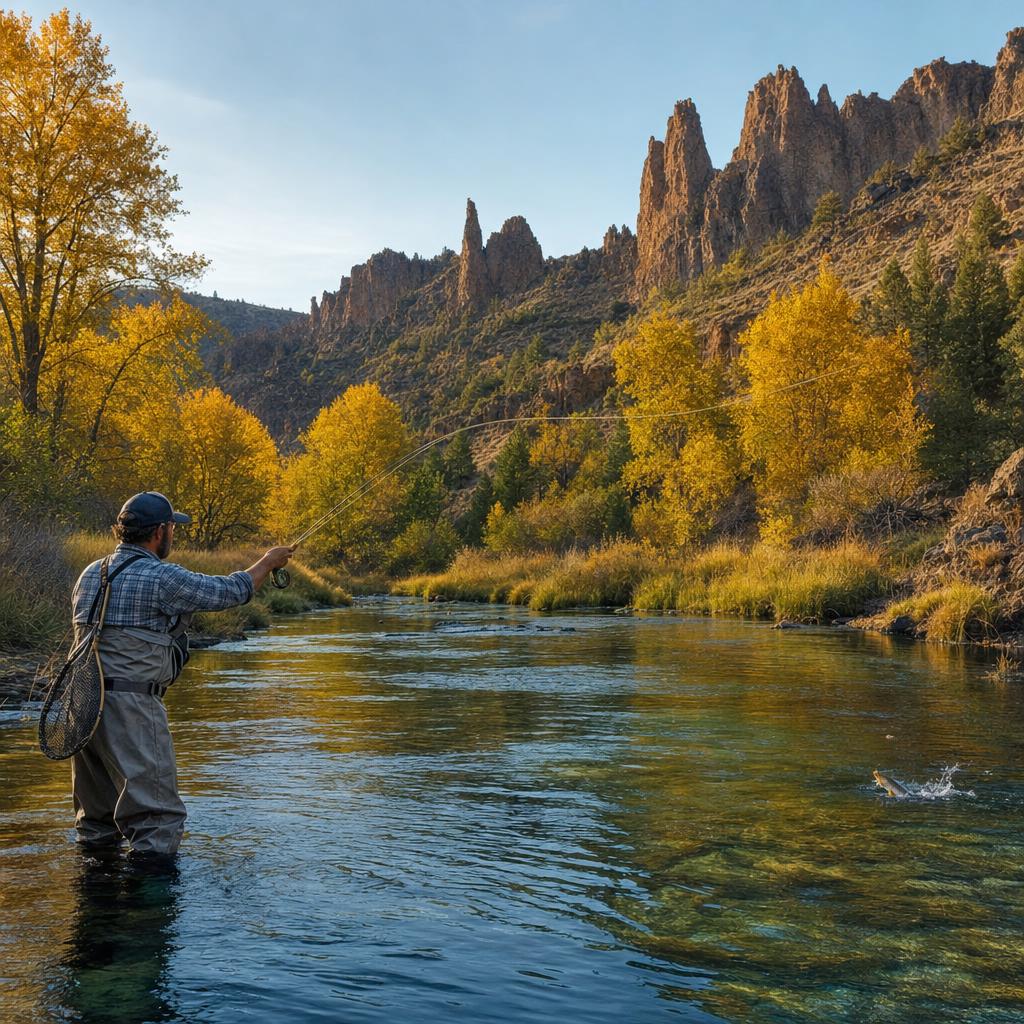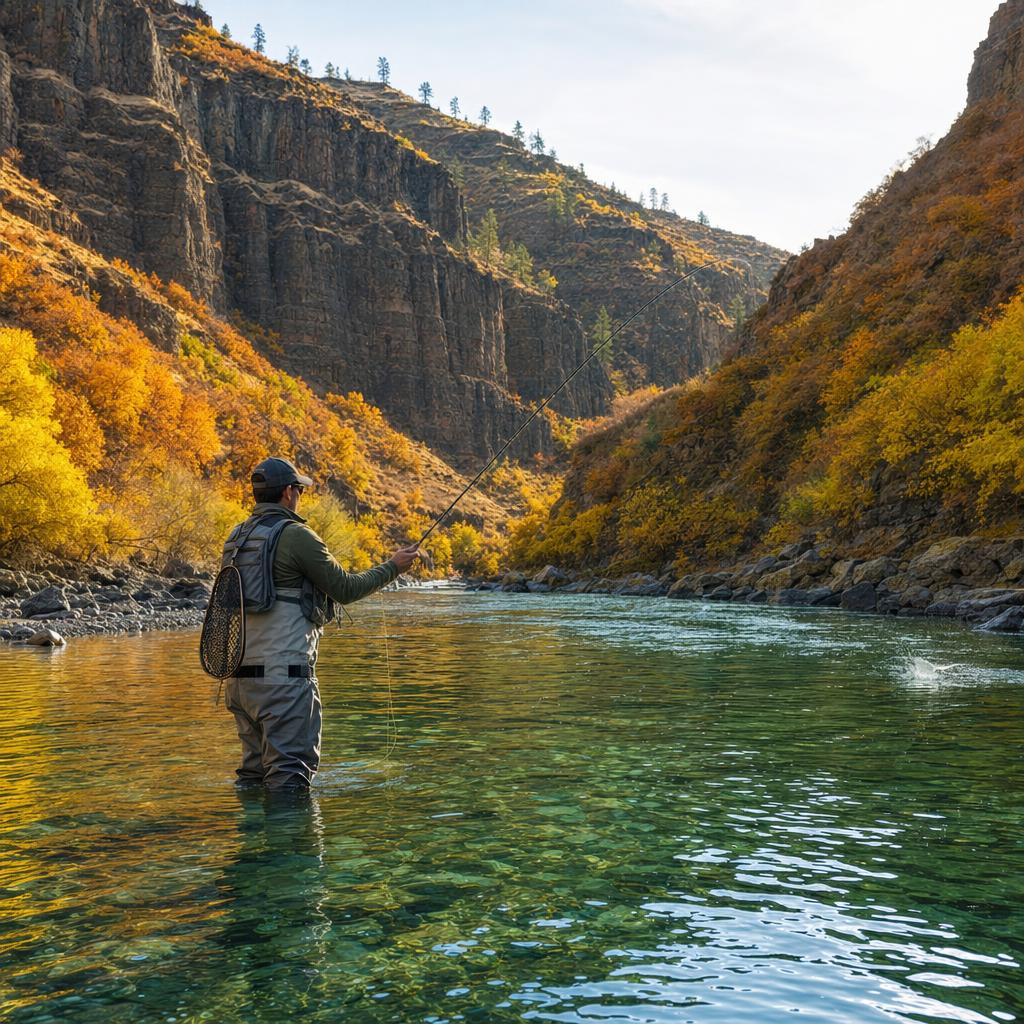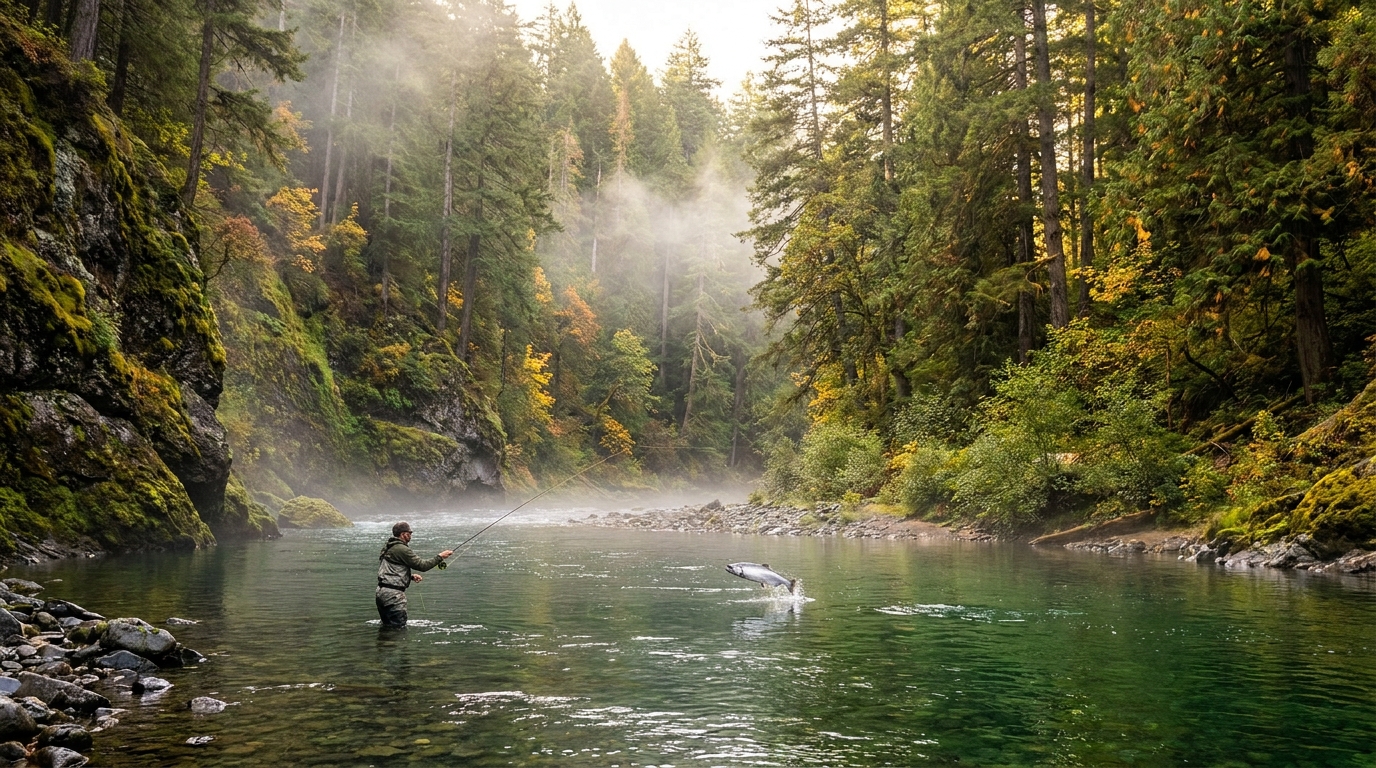
If you mention the Elk River to most Oregon salmon anglers, you might get a blank stare. That's fine — the fewer people who know about this compact Curry County gem, the better the fishing stays. Tucked between Port Orford and Gold Beach, the Elk drains the Siskiyou high country and dumps into tidewater near Langlois, delivering one of the most consistent fall Chinook runs on the entire south coast. Fish start staging in the estuary as early as late August, and the peak push of bright, chrome adults typically arrives between late September and mid-October. For a river you can practically jump across in places, the Elk produces big fish — wild kings averaging 20 to 35 pounds, with occasional tidewater giants pushing 50.
Understanding the Elk River System
The Elk is a short river — barely 37 miles from headwaters to tidewater — but it packs in an enormous amount of fishable water relative to its size. ODFW manages it as a wild Chinook river, meaning harvest regulations are conservative and frequently adjusted in-season. Always check the current ODFW regulation synopsis and the weekly fishing report before you go. In lean brood years, the Elk may be catch-and-release only. In strong return years, limited retention of hatchery fish is typically allowed in the tidewater section.
The river divides into three main zones for salmon anglers:
- Tidewater (mouth to Elk River Road bridge): Accessible from the bank and by drift boat, this is where fish stage and hold before moving upriver. Expect the largest concentrations of fish here.
- Lower river (bridge to Anvil Creek confluence): Gravel bars, deep runs, and log jams make this the most productive fly and drift fishing water. Wading access is excellent in low water.
- Upper river: Smaller, shallower, and more technical. Worth exploring if the lower sections are crowded, but fish thin out quickly above the first major canyon.
Timing the Elk River Chinook Run
Like all south coast rivers, the Elk is highly rain-dependent. The run doesn't fully push upriver until the first significant fall freshet — typically arriving with October or November rains. Here's a general timing breakdown:
- Late August – September: Early fish begin stacking in tidewater. Estuary fishing with cured eggs and spinners can be outstanding. River levels are typically low and clear.
- October: Peak month. The combination of cool water, shorter days, and the first rain events pulls the bulk of the adult run into the lower river. Highest fish density, best catch rates.
- November: Late-arriving fish, especially in high-water years. Dark, spawning-colored fish become more common. Catch rates drop but trophy opportunities remain.
Water temperature is your most important variable. Chinook bite best between 48°F and 58°F. When the river spikes above 60°F in late summer, fish sulk in deep holes and refuse most presentations. Once temperatures drop with the first cold fronts, the bite turns on fast.
Best Techniques for Elk River Chinook
Drift Fishing with Cured Eggs
This is the go-to technique for most anglers on the Elk. Rig a 3/0 to 5/0 Owner or Gamakatsu hook with a small cluster of cured roe — salmon-red or natural orange — under a pencil sinker or slinky. Drift the natural current seams at a speed just slower than the water. Use 15- to 20-pound fluorocarbon leader and add a small orange corkie or yarn bobber above the hook if the fish are finicky. The key is staying in contact with the bottom without dragging. Let the bait swing naturally through the bucket.
Spinner Fishing
In stained or off-color water, large bladed spinners are deadly. Blue Fox Vibrax in size 5 and 6, or homemade willow-blade rigs in chartreuse or orange, work best. Cast upstream and reel just fast enough to keep the blade turning as it swings through the holding water. Tidewater and the lower river's deep pools are the prime spots for this technique.
Fly Fishing
The Elk's small size and clear low-water conditions in early fall make it exceptional fly water. Fish October Spey patterns, pink Intruders, and large sculpin-style streamers on a skagit head with a T-14 tip. Classic wet-fly swing technique across and downstream covers the tailouts and runs most effectively. A 12- to 13-foot switch rod handles the tight quarters well.
Access and Logistics
Elk River Road (County Road 208) parallels the river from tidewater into the upper canyon, providing numerous pull-off points and trail access to the lower river. The BLM-managed Elk River Campground at the end of the improved road offers primitive camping — show up on a weekday to secure a spot during the peak October run. The town of Port Orford, 12 miles north, has fuel, groceries, and basic tackle supplies. Gold Beach, 25 miles south, has the nearest full fly shop and a ODFW district office where you can check the weekly fishing report in person.
No boat ramp exists on the Elk — it's a walk-in or wade fishery for the most part, though kayaks and small prams can be launched at tidewater from the beach access near the mouth.
What to Bring
- Waders and wading boots with felt or studded soles — the cobble is slick
- Oregon fishing license with combined angling tag
- Cured roe or shrimp for bait (Pautzke Balls O' Fire or Pro-Cure cures work great)
- A good selection of spinners in orange, pink, and chartreuse
- Thermometer to monitor water temperature
- Rain gear — this is the south coast, and October means wet weather
The Elk River won't win any size contests, but for quality wild Chinook fishing in a spectacular setting, it's hard to beat anywhere on the Oregon coast. Go early in the season for the best chance at a fresh, chrome fish. Go in October if you want the most fish in the river. Either way, you're in for a treat.