When Portland-area anglers talk about summer steelhead, most conversations eventually land on the Wilson River. Flowing out of the Tillamook State Forest and into Tillamook Bay, the Wilson is one of the most productive — and most accessible — wild summer steelhead rivers in the entire Pacific Northwest. If you're not fishing it in June, July, and August, you're missing one of Oregon's best seasonal fisheries.
The Wilson's Summer Run: Timing and Fish Numbers
Wilson River summer steelhead are a hatchery-supplemented run, but the river also carries a significant population of native wild fish that are catch-and-release only. The summer run typically enters the river in late May and builds through June, peaking between late June and early August depending on snowpack and water temperature. By September, fish that pushed to the upper river start to show sea lice and freshen up after resting in the cooler headwater pools.
ODFW reports historically show adult summer steelhead counts on the Wilson in the 3,000–6,000 fish range annually, making it one of the stronger north coast summer runs. Check the ODFW weekly fishing report at myodfw.com for current counts before you make the drive.
Key Access Points and Stretches
Highway 6 parallels the Wilson from Tillamook to about milepost 33, making river access genuinely exceptional for a coastal steelhead stream. Here are the sections worth knowing:
- Lower Wilson (Tillamook to Sollie Smith Bridge): This tidal-influenced stretch produces early-season fish right out of saltwater. Bank anglers do well here. The water is wide and slower-moving, making it more suitable for float fishing and drift rigs.
- Middle Wilson (Sollie Smith to Mills Bridge): The money stretch for most guides. Numerous named pools — Slab Camp, Fan Creek, the Pump Hole — hold fish throughout summer. Most bank access is from pull-outs along Highway 6.
- Upper Wilson (Mills Bridge to Loren's Camp area): Tighter, clearer water. This stretch fishes best for fly anglers during low summer flows. Wild fish dominate here, so know the regulations before you keep anything.
Tackle and Techniques That Produce
Drift Fishing
For most bank anglers, drift fishing with a float or pencil lead is the go-to technique. Rig up a 9–10 foot medium-heavy rod with 15-pound mainline and a leader tapering to 12-pound fluorocarbon. Corkies, Spin-N-Glos in pink and chartreuse, and yarn flies drifted under a float are consistent producers. In summer’s low, clear water, downsize to 8-pound leaders and smaller presentations. The fish can see everything.
Spinners and Spoons
Summer steelhead are aggressive. A Blue Fox Vibrax #4 in chartreuse/silver or a Little Cleo spoon in half-and-half colors worked across and downstream through holding lies will get bit when fish are fresh. Cast slightly upstream, let the lure sink, and retrieve just fast enough to feel the blade thumping. When a steelhead hits a spinner in clear summer water, you’ll know it immediately.
Fly Fishing
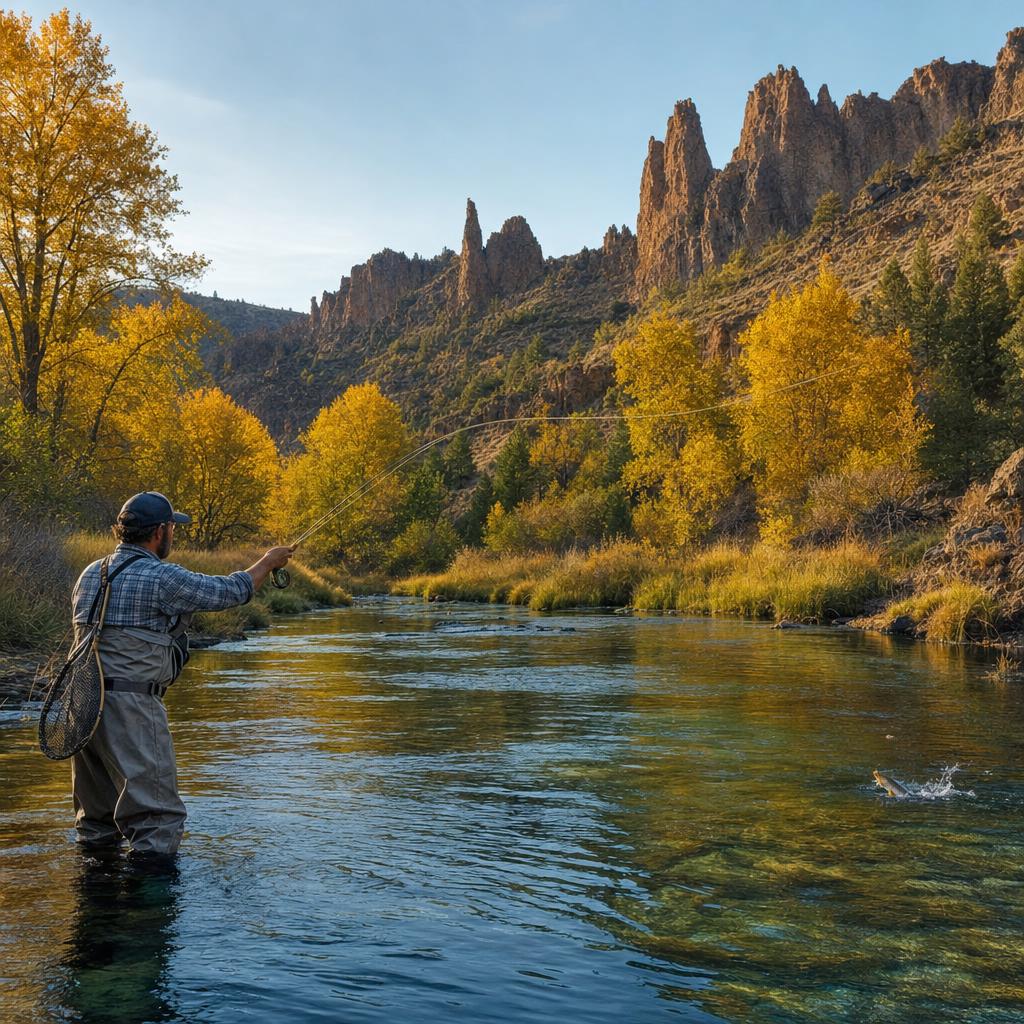
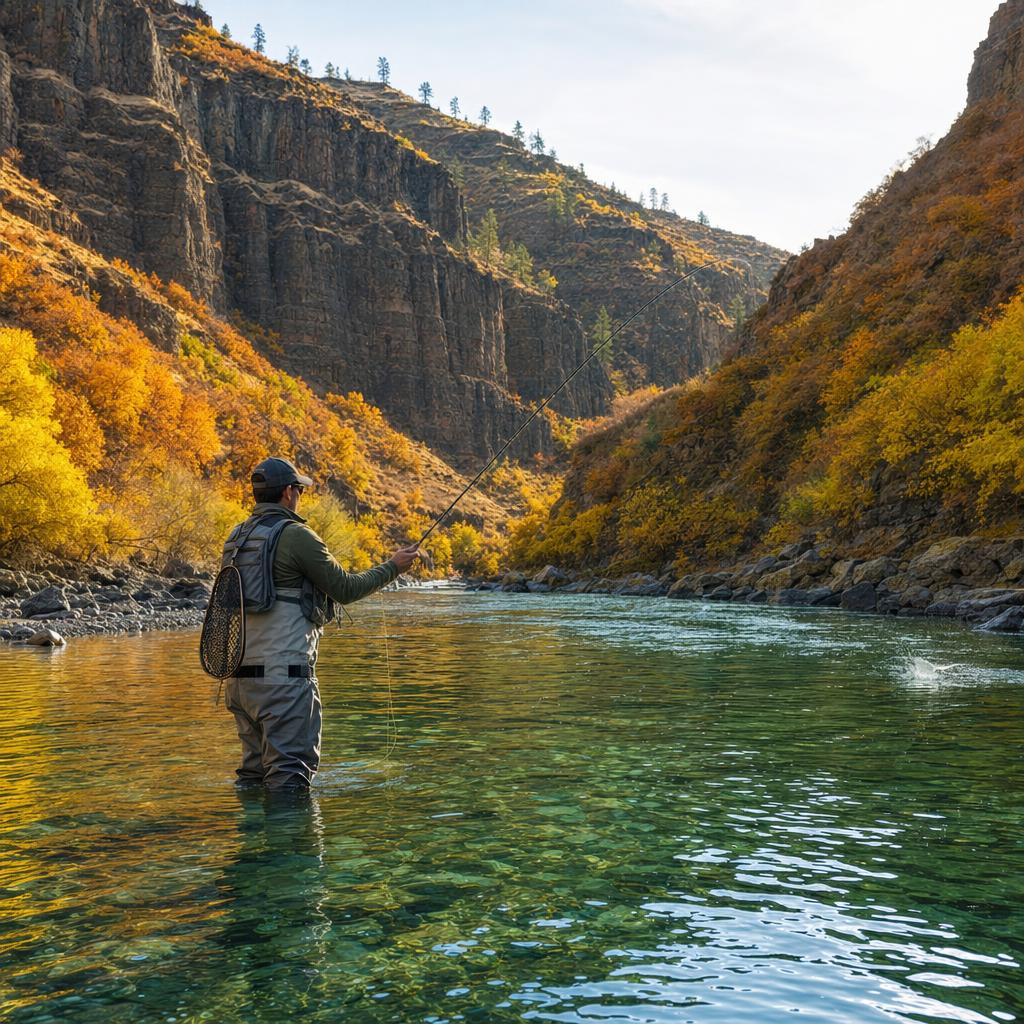
The upper Wilson in late summer—particularly July through September when flows drop to gin-clear levels—is a legitimate fly-fishing destination. Summer steelhead will take a swung fly in the right conditions. Dead-drifted nymphs (rubber legs, stonefly patterns) work during the day, but the magic hour is dusk when fish become more active. A 7-weight single-hand or 12-foot switch rod covers the Wilson beautifully.
Reading the Water
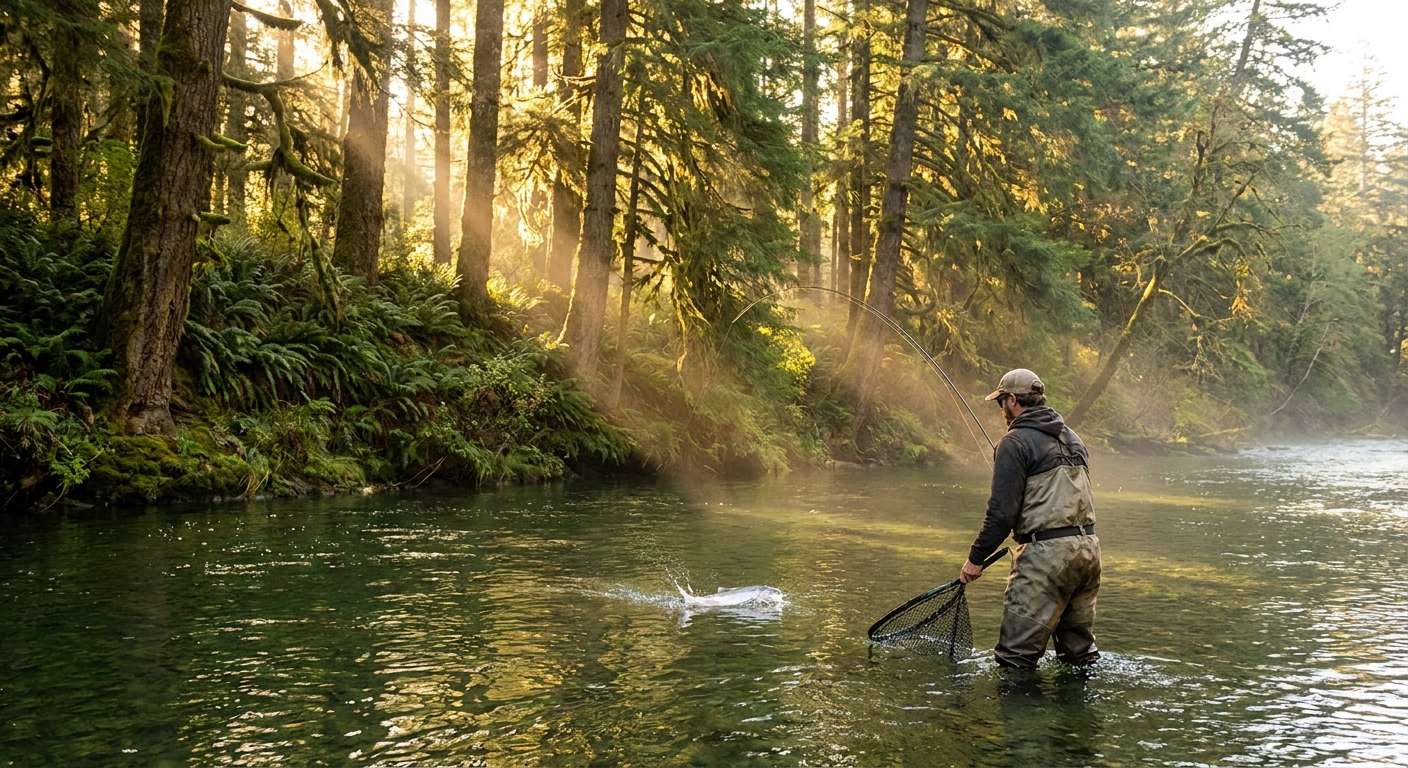
Summer steelhead in the Wilson hold differently than winter fish. In warm water, they seek oxygenated riffles, the heads of runs, and shaded pools near structure. Don’t overlook pocket water behind mid-river boulders — a single fish will often hold in the same spot for days. Fish the shaded banks early and late; bright midday sun pushes fish deep and makes them lockjaw.
Water temperature matters enormously. Once surface temps exceed 68°F, fish become stressed and should not be targeted. Always carry a stream thermometer. At 60–65°F, the bite is typically excellent.
Regulations Snapshot
The Wilson River has area-specific regulations that change from year to year. Key points for summer:
- Wild steelhead are catch-and-release on most of the Wilson during summer season
- Daily bag limit for hatchery steelhead is typically 2 fish (adipose clip check required)
- Some sections have gear restrictions — always check the current ODFW Sport Fishing Regulations for Northwest Zone specifics
- A valid Oregon angling license and Combined Angling Tag are required
The Drive and When to Go
The Wilson is about 70 miles from Portland via Highway 26 to Highway 6 — roughly 90 minutes with no traffic. Make the drive on a weekday if possible; summer weekends get crowded, particularly the easily accessible middle river stretches. First light midweek access to a named pool you’ve scouted is worth more than a prime weekend spot with six other anglers fishing shoulder-to-shoulder.
Bring rain gear regardless of the forecast. The Tillamook rain shadow is real, and even July afternoons can turn on you. The fish don’t care — and neither should you.