Ask most hunters about shotgun reloading and you'll get a blank stare. Ask the serious slug hunters in Oregon's Cascade Zone — where dense timber and short shots are the rule — and they'll tell you handloaded slugs are the reason they regularly punch tight groups at 75 yards with a smoothbore. If you're deer hunting in slug-country and running factory shells exclusively, you're leaving performance on the table.
Why Reload Shotgun Slugs?
Factory 12-gauge slug loads are adequate, but they're built for the mass market — a middle-of-the-road compromise between velocity, recoil, and cost. When you roll your own:
- Velocity control: Tune your load to your barrel length and choke (or lack thereof). Full-bore smoothbore and rifled barrels respond differently to powder charges.
- Accuracy: A consistent, well-crimped handload often outperforms factory ammo in a particular gun — every shotgun has a preference.
- Cost savings: Component slugs, hulls, primers, and powder cost significantly less per round than premium sabot factory loads once your setup is dialed in.
- Component quality: Premium projectiles like the Lyman Sabot Slug, Brenneke-style cast slugs, or BPI's Forster slugs are available as components and are often superior to what's inside a budget factory shell.
Understanding Your Barrel: The Critical First Step
Before you load a single shell, know your barrel type:
- Smoothbore with Improved Cylinder or Cylinder choke: Use traditional Foster-style slugs or Brenneke slugs. These are designed to squeeze through standard chokes and stabilize via their wad fins.
- Rifled barrel: Use saboted slugs — plastic sabots that engage the rifling and spin-stabilize a sub-caliber projectile. Do not shoot traditional Foster slugs through a rifled barrel for accuracy — you'll get poor results and leading.
- Fully-rifled slug barrel with open sights or scope: This is where handloaded sabots really shine. Tight 2-inch groups at 100 yards are achievable with the right load-barrel combination.
Essential Equipment
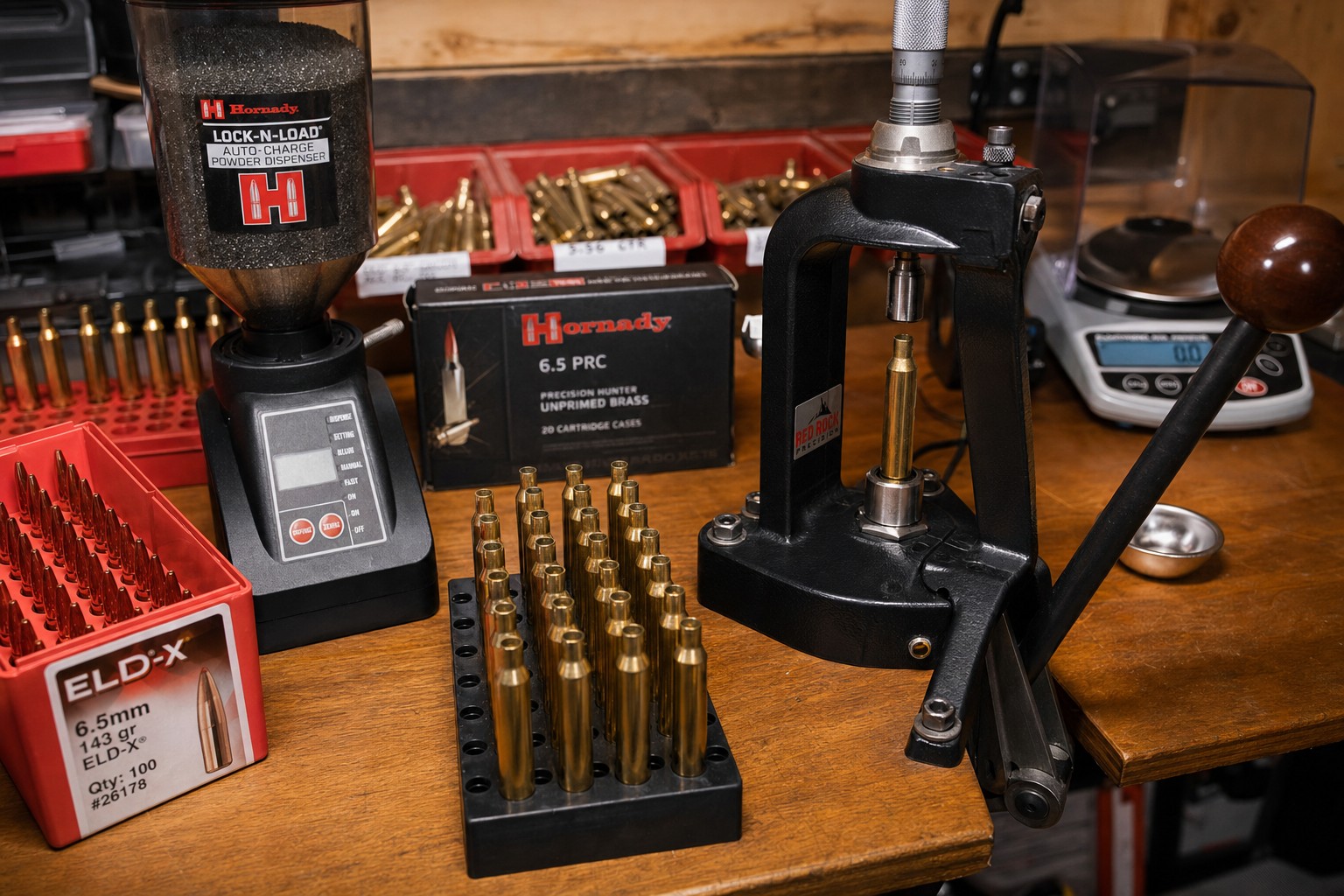
Shotgun shell reloading requires a dedicated shotshell press — rifle/pistol presses won't work. The most popular options:
- MEC 600 Jr. Mark 5: The classic single-stage option. Affordable, reliable, and plenty capable for moderate volume slug loading.
- MEC 9000G or Grabber: Progressive press for higher volume. If you're loading 500+ shells per season, the time savings matter.
- Ponsness-Warren Size-O-Matic: Another reliable option with a strong following among slug loaders.
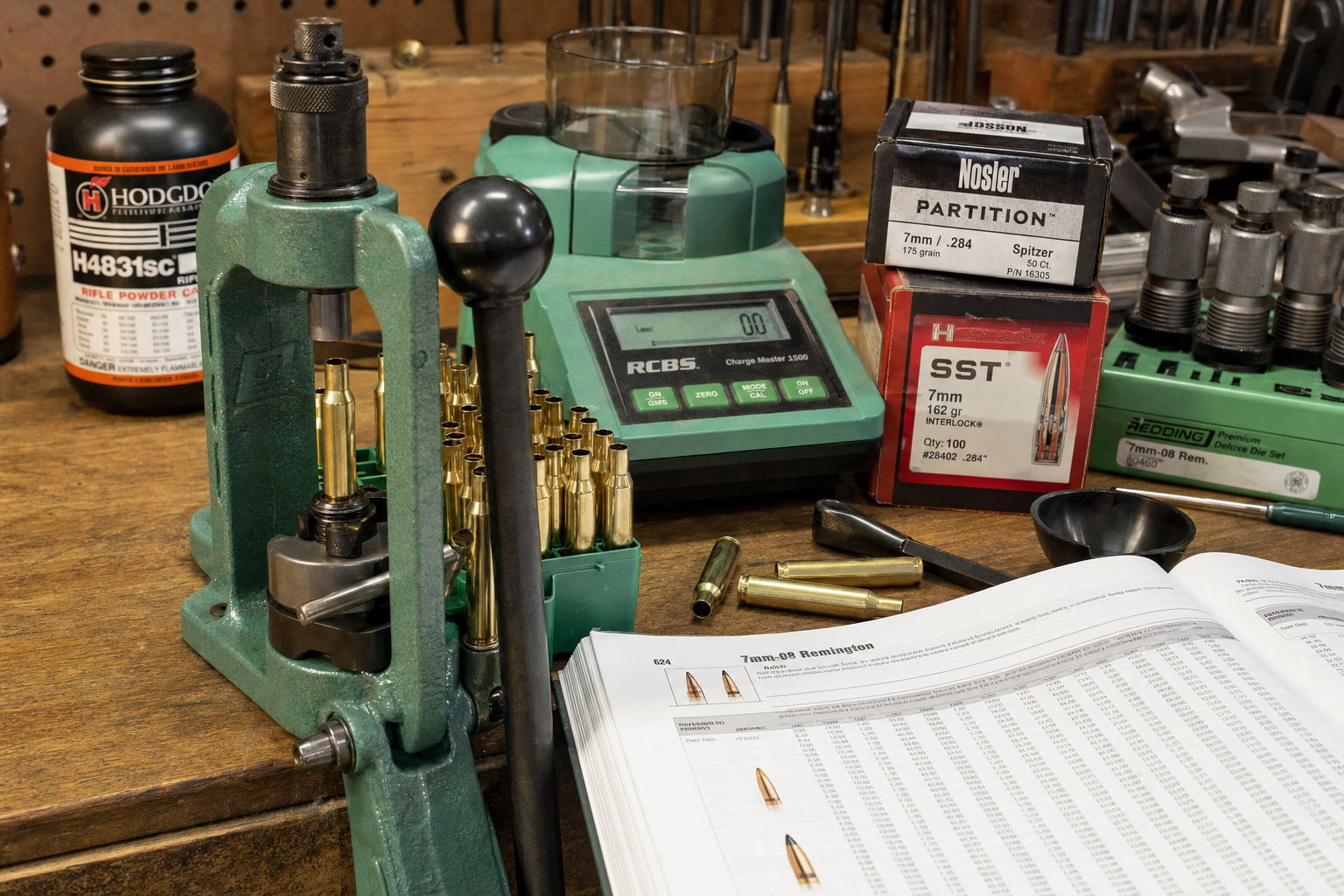
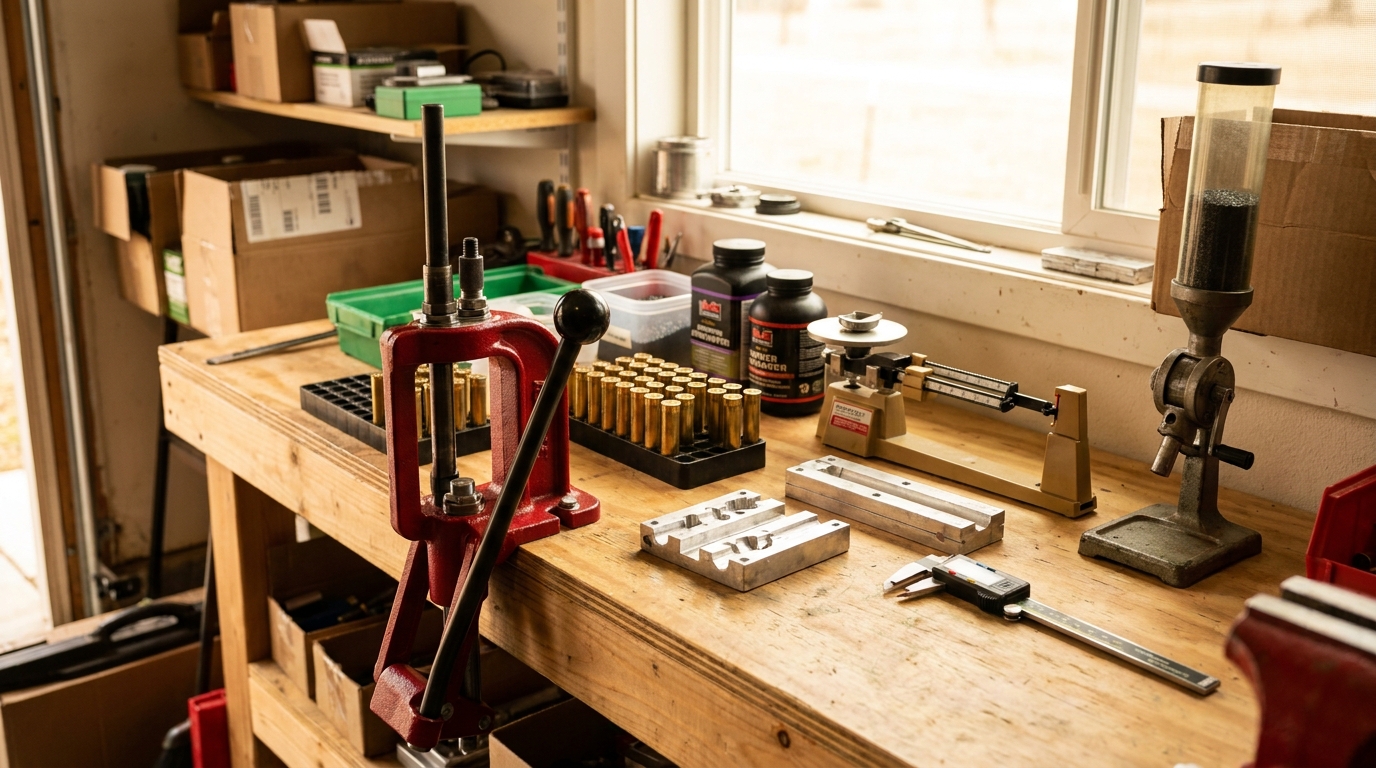
You'll also need a reliable powder measure (slug loads use precise powder charges), a quality scale, hull deprimer/reprimer, and a solid workbench with good lighting.
Components: The Building Blocks of a Good Slug Load
Hulls
Use once-fired high-brass hulls from the same manufacturer for consistency. Winchester AA, Remington STS/Gun Club, and Federal Gold Medal hulls are all excellent starting points. Avoid low-brass bird shot hulls — the internal volume is different and load data won't transfer.
Primers
209 shotshell primers are universal for 12-gauge. Winchester 209, Cheddite 209, and Federal 209A are all common. Always match the primer specified in your load data — shotshell pressures are sensitive to primer substitution in ways that rifle reloading often isn't.
Powder
Fast-burning powders are the norm for shotshell slug loads. Alliant Blue Dot, Hodgdon Longshot, and IMR PB are all used in published slug data. For low-recoil, reduced-velocity deer loads at close-range Cascade timber hunting, Alliant Red Dot and Green Dot have their adherents. Never substitute powders without verified published data for your hull/primer/wad/slug combination — this is not the place to improvise.
Slugs and Wads
For smoothbores, Lyman's 1-oz Foster-style slug cast from a mold in pure lead or a 20:1 lead/tin alloy is a time-tested option. BPI's Forster slug kits include appropriate wads. Brenneke-style slugs with attached wad columns are also available as components.
For rifled barrels, BPI's sabot cup system with a 50-cal pistol bullet (like a 300-grain Hornady XTP) is popular and extremely accurate in many guns. The Lyman Sabot Slug Kit provides everything you need to start.
Sample Load Data (Always Verify with a Current Reloading Manual)
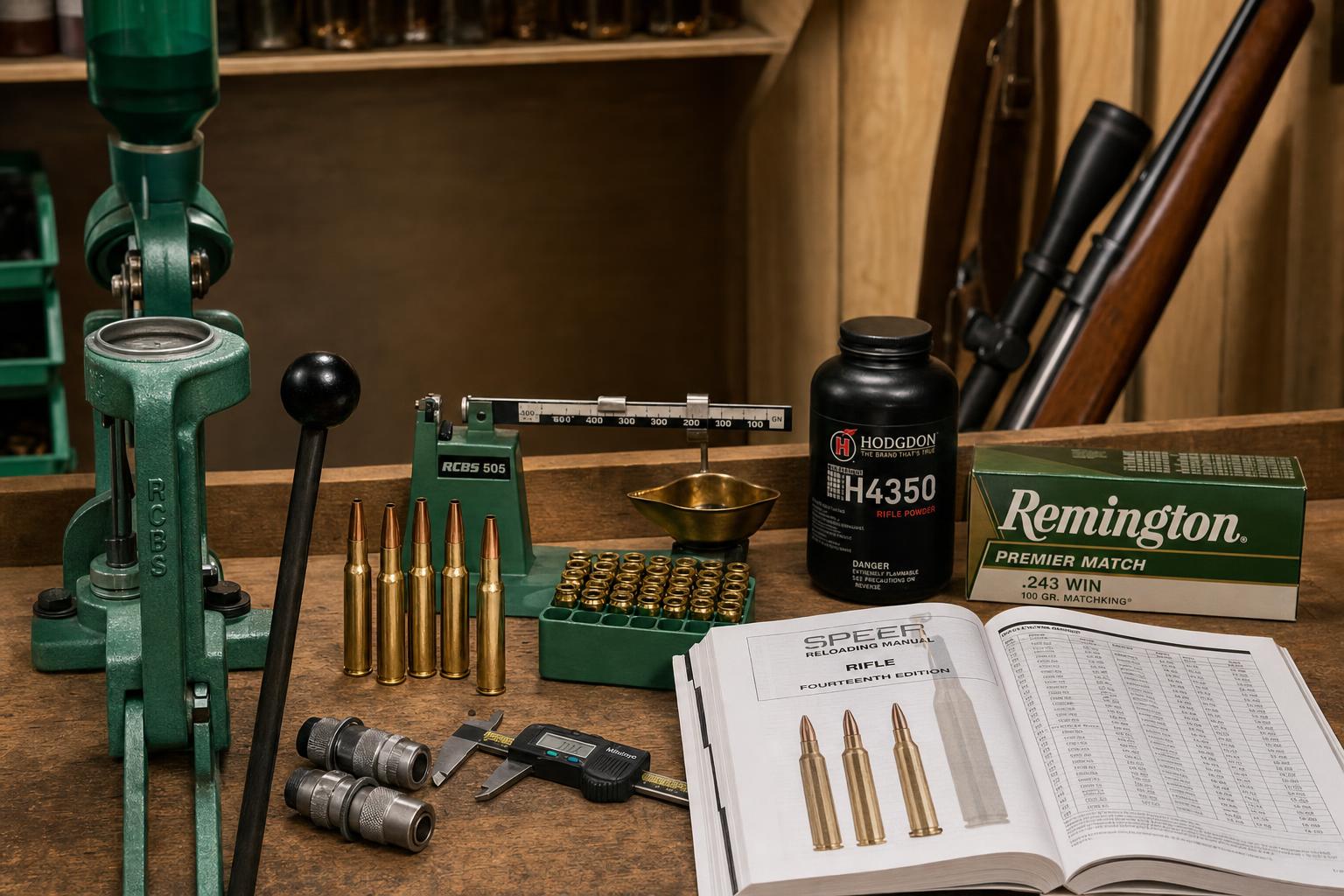
Note: The following data is for reference only. Always consult a current edition of the Lyman Shotshell Reloading Handbook, BPI's loading guide, or the Hodgdon/Alliant data center before loading. Never exceed maximum charges.
- Smoothbore Foster Slug Load: Winchester AA hull, Winchester 209 primer, 31 gr Alliant Blue Dot, BPI Magnum Foster Slug Wad, 1 oz Foster slug — approx. 1,400 fps, moderate recoil
- Rifled Barrel Sabot Load: Federal hull, Federal 209A primer, 34 gr Hodgdon Longshot, BPI Sabot Cup, 300 gr Hornady XTP — approx. 1,600 fps, excellent accuracy potential
Work up from minimum charges and test for accuracy, not just velocity. The most accurate load in your gun may not be the hottest one.
Crimping and Quality Control
A proper roll crimp or fold crimp is essential for consistent ballistics. Slug loads almost always use a roll crimp with an overshot card wad to hold the slug in place. Inspect every shell: consistent crimp depth, no primer seating issues, and uniform hull condition. Discard any cracked, split, or deformed hulls.
Range Time: Find Your Load
Load 5-round test batches with varying powder charges (within published safe ranges) and shoot from a bench at 50 and 75 yards. Note group size, point of impact, and felt recoil. In a rifled-barrel setup, expect to find a charge weight that groups noticeably tighter than the others — that's your deer load. Record everything: hull lot, primer lot, powder lot, charge weight, date, and results.
Slug Hunting in the Oregon Cascades
The west-slope Cascade Zone — where old-growth Doug fir and alder-choked creek bottoms limit shots to 50 yards or less — is perfect slug country. A well-developed handload in a reliable pump or semi-auto slug gun with a low-power scope is a deadly combination for blacktail deer in close timber. You don't need 300-yard capability; you need a load that's accurate, reliable, and expands cleanly at 75 yards. Handloading gets you there on your terms.