There are wilderness areas in Oregon that everyone knows — Three Sisters, Eagle Cap, Crater Lake rim, the Wallowas. And then there's the Red Buttes Wilderness. Straddling the Oregon-California border in the Klamath Mountains southwest of Medford, this 20,323-acre wilderness sees a fraction of the traffic that comparable areas receive, offers genuinely spectacular alpine scenery, and sits atop one of the most botanically diverse landscapes in North America. If you want solitude paired with dramatic terrain in midsummer, this is worth the drive.
Why the Red Buttes Are Unique
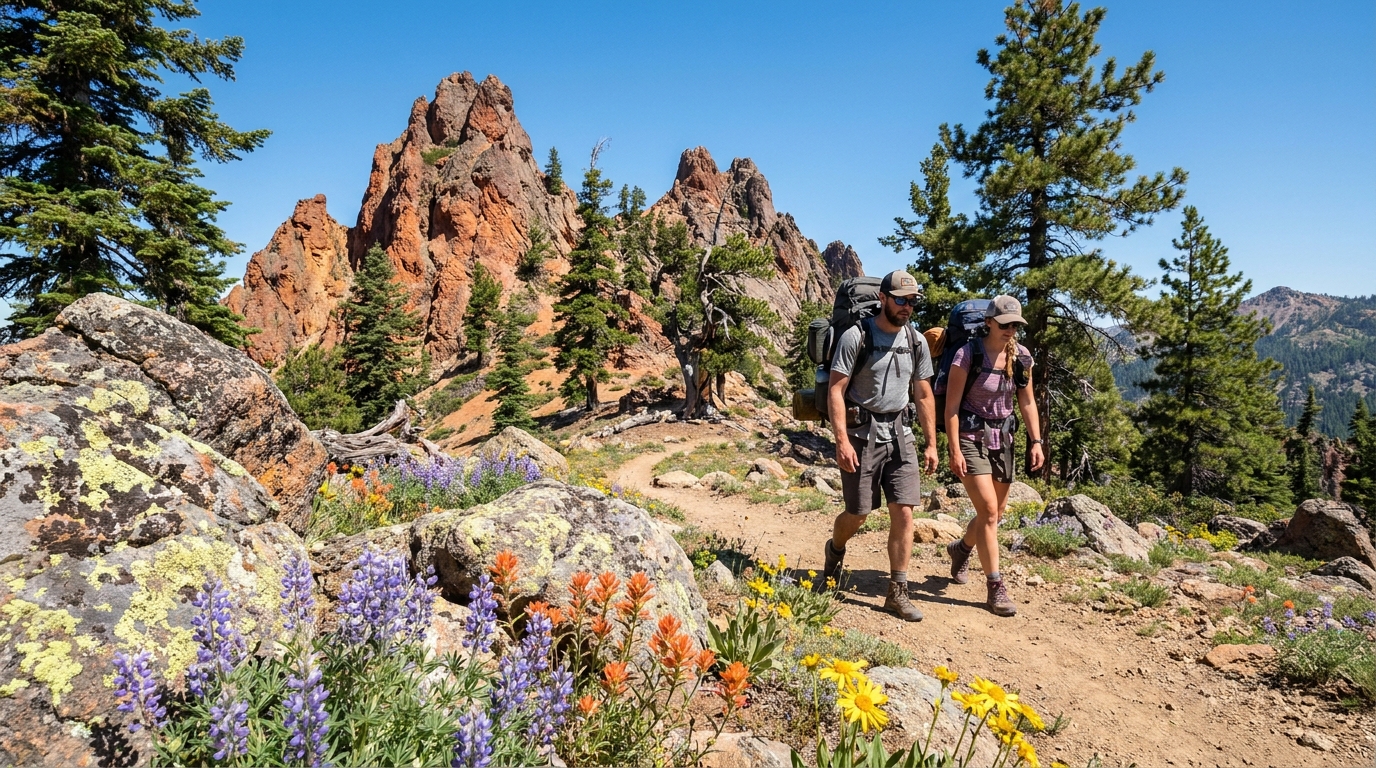
The Klamath Mountains are geologically ancient and ecologically distinct from the Cascades or the Coast Range. The Red Buttes themselves — rugged, reddish peaks topping out near 6,700 feet — are underlain by ultramafic rock, primarily peridotite and serpentinite. These soils are high in magnesium and heavy metals but low in calcium, creating harsh growing conditions that most plants can't tolerate. The result is a suite of rare, highly adapted plant species found almost nowhere else: serpentine-tolerant wildflowers, contorted conifers growing out of bare rocky ground, and botanical communities that look unlike anything in the rest of Oregon.
Botanists make pilgrimages here. Hunters and backpackers mostly don't know it exists. That's the opportunity.
Getting There
The primary Oregon access is via the Azalea Lake Trailhead, reached by driving south from Jacksonville or Medford on Highway 238 through Applegate, then south on Applegate Road (Forest Road 1050) into the Rogue River-Siskiyou National Forest. The last several miles are on dirt forest roads — high clearance is recommended, and the road condition varies significantly with winter snowpack and spring runoff. Call the Siskiyou Mountains Ranger District in Medford (541-618-2200) or check Forest Service road conditions before your trip.
California-side access is via the Elk Creek Trailhead off Forest Road 48N20 near the community of Seiad Valley. This gives you a southern approach to the buttes with different terrain and trail conditions.
A 3-Day Loop Route from the Oregon Side
The following loop uses the Azalea Lake Trail, the Pacific Crest Trail, and the Cook and Green Pass connector to form a roughly 18-mile circuit with about 3,500 feet of cumulative elevation gain. It's moderate in difficulty for fit backpackers and covers the wilderness highlights.
Day 1: Azalea Lake Trailhead to Azalea Lake (4 miles, 1,200 ft gain)
The trail climbs steadily through old-growth Douglas-fir and Port Orford cedar, passing through increasingly open terrain as you gain elevation. Azalea Lake sits in a glacially carved cirque just below the main ridge at 5,400 feet. It's a beautiful camp with good water, decent fishing for brook trout, and views of the surrounding serpentine ridges. Reach it in early afternoon and spend the evening exploring the lake basin.
Day 2: Azalea Lake to Red Buttes Summit Area via PCT, then west to Cook and Green Pass (8 miles, 1,800 ft gain, 1,400 ft loss)
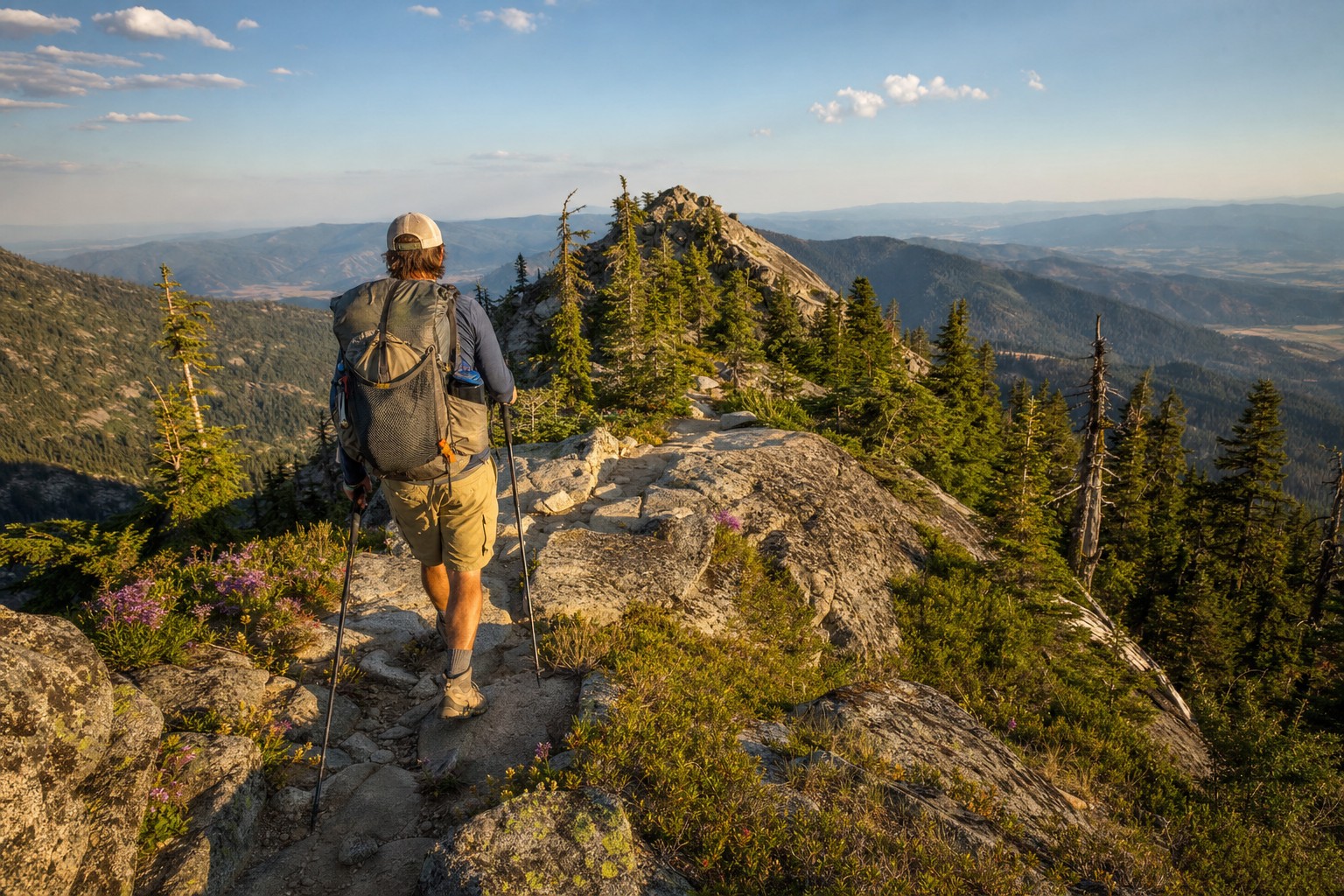
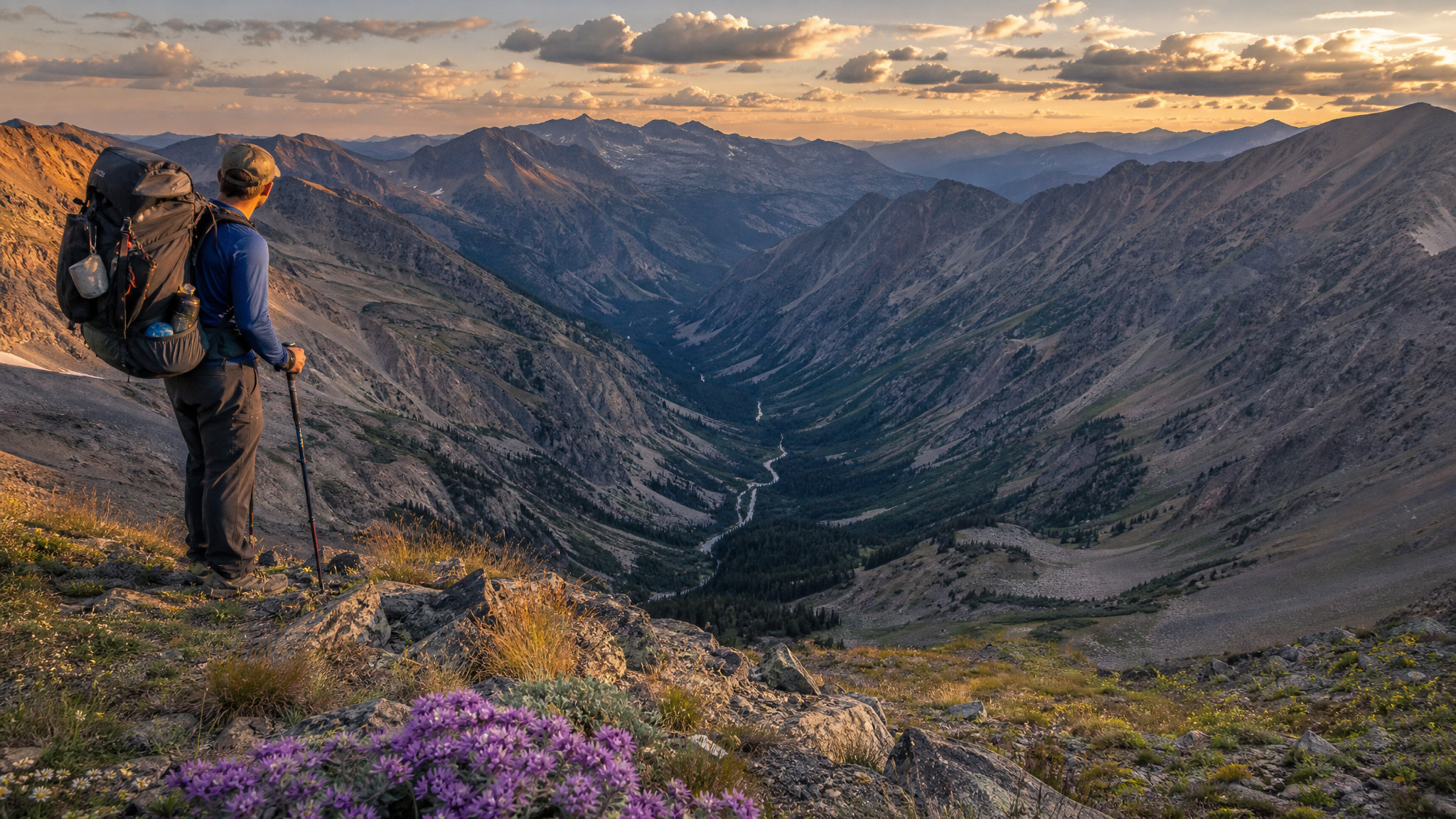
This is the highlight day. From Azalea Lake, a short connector trail climbs to the Pacific Crest Trail at the Oregon-California border ridge. Turn east on the PCT and follow it through spectacular open terrain with views north into the Applegate Valley and south into the Klamath River drainage of California. The serpentine barrens near the Red Buttes themselves are alien-looking — bare reddish rocky soil, windswept conifers, and wildflower communities that include rare Siskiyou species. From the high point near the buttes, the view on a clear summer day extends from Mount Shasta in the south to the Cascade volcanoes in the north. Drop down the western slope via the Cook and Green Pass Trail to camp near water at lower elevation.
Day 3: Cook and Green Pass Area to Trailhead (6 miles, 1,100 ft gain)
The return leg travels through mixed conifer forest and meadow terrain, crossing several small streams before rejoining the main trail back to the Azalea Lake Trailhead. This section is typically less traveled than the approach trail and has a genuine sense of remoteness — you may not see another party.
Wildlife and Fishing
The Red Buttes Wilderness supports black bear, mule deer, and coyote in reasonable numbers. The higher elevations have marten, pika, and in recent years, confirmed wolf activity in the broader Klamath Mountains region — worth knowing if you're camping with food that needs to be properly stored. The lakes in the wilderness — Azalea, Donomore, and several smaller ponds — hold brook trout that respond well to small spinners and dry flies. No fish plants here; these are self-sustaining populations in cold, clear water. A 3-weight rod and a box of elk hair caddis and parachute adams will serve you well.
Permits and Regulations
As of 2026, the Red Buttes Wilderness does not require a permit for overnight camping, but self-registration at the trailhead is standard. Campfires are prohibited within 200 feet of lakes and streams, and fire restrictions typically go into effect in mid-July in this part of Oregon — check with the Siskiyou Mountains Ranger District before your trip. Bear canisters are not required but strongly recommended given the active bear population. Leave No Trace principles apply; pack out all waste and use established campsites where they exist.
Best Time to Visit
Snow typically clears from the upper terrain by late June or early July. The peak wildflower display on the serpentine barrens runs mid-July through August. Afternoons can bring thunderstorms in July and August — plan to be at camp or below ridgelines by 2 PM. By mid-September the nights get cold and the first frosts arrive, but the fall color — particularly the vine maple and mountain ash — is extraordinary and crowds drop to nearly zero. For a July trip, the access road should be clear and the high country is at its greenest.
Why It's Worth the Drive
The Red Buttes Wilderness is not convenient. It's a 4-to-5-hour drive from Portland, 2.5 hours from Eugene, and roughly 45 minutes from Medford over mostly dirt road at the end. That friction is exactly why it's special. In a region where the most popular wilderness areas now require lottery permits and see hundreds of visitors on summer weekends, the Red Buttes offers something increasingly rare: genuine solitude, wild country, and a landscape that looks unlike anything else in the Pacific Northwest. Put it on the list.