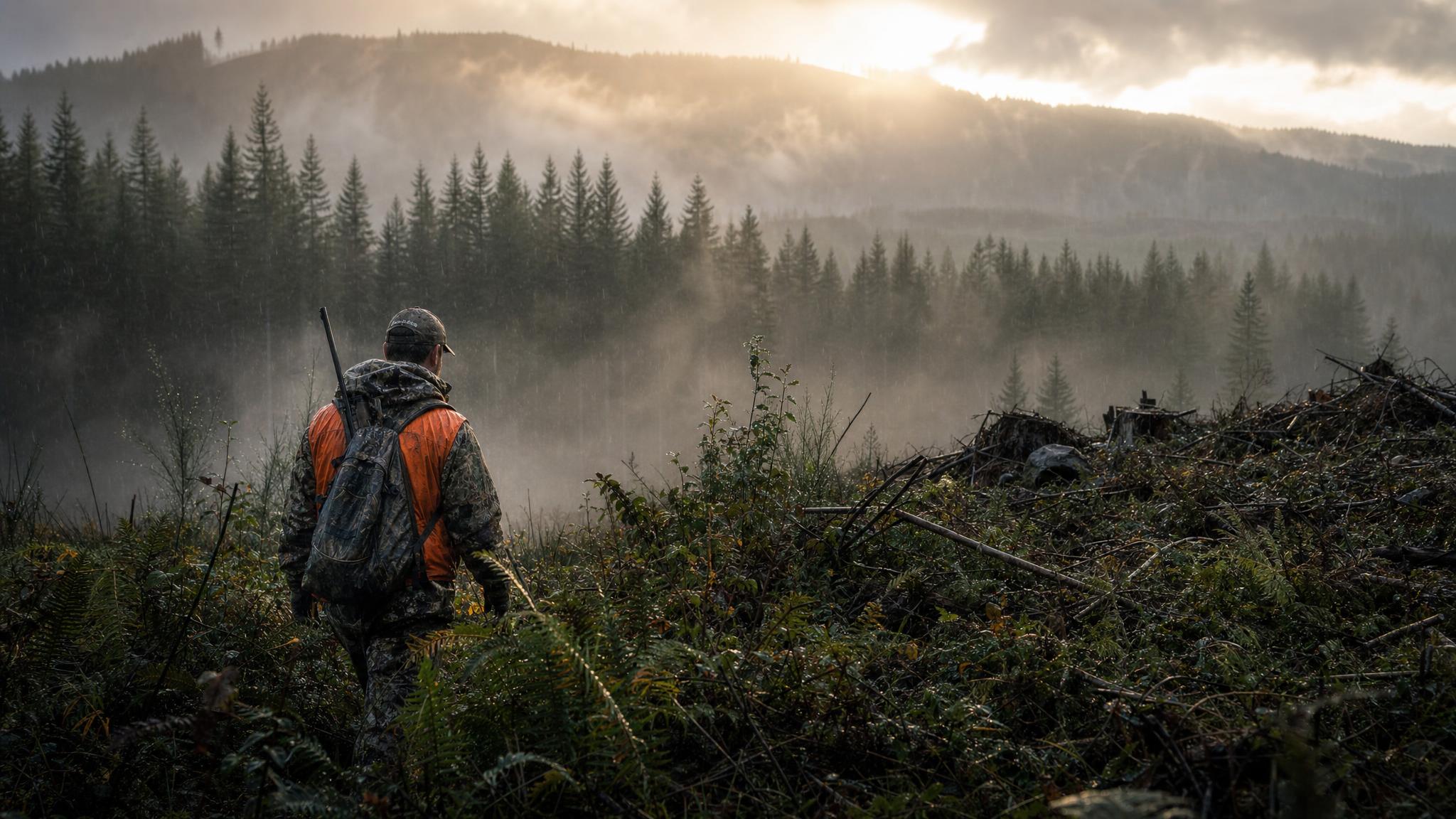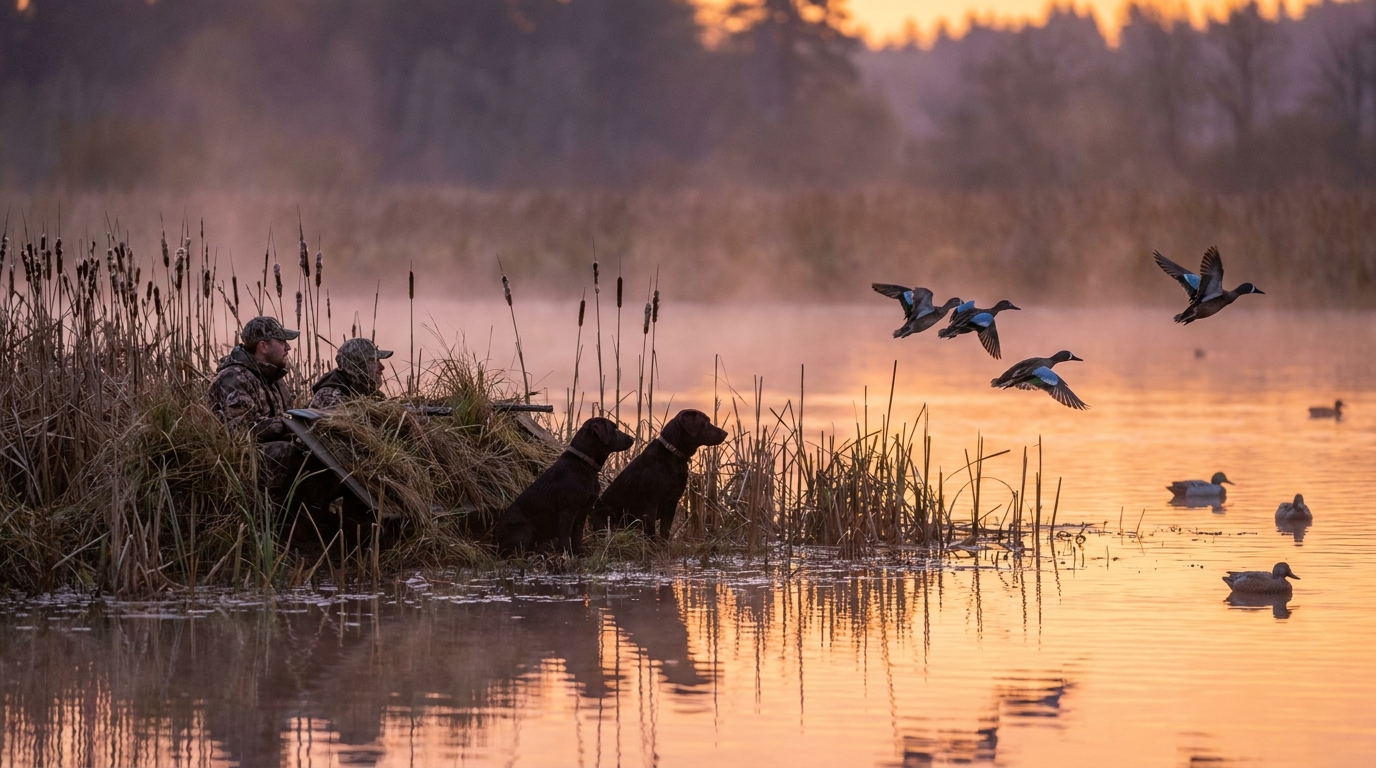
Most Oregon waterfowl hunters are still scouting for deer when the first real shooting opportunity of the year arrives. The early teal season typically opens in early September — often a full six weeks before the general duck opener — and it is one of the most underutilized tags in the state. Blue-winged teal are moving, decoys are cheap, shooting is fast, and the weather is warm enough that you do not need to own a heated blind to enjoy it. If you have never hunted early teal, this year is the year.
Understanding Oregon's Early Teal Regulations
Oregon Fish and Wildlife sets the early teal season each year with a framework approved by the Pacific Flyway Council and US Fish and Wildlife Service. The season typically runs for 16 days in September, targeting blue-winged and cinnamon teal primarily. The daily bag limit is usually six birds, with no hens-only restrictions during the early season. Green-winged teal are legal too but are less numerous early in September — most have not pushed south yet.
Check current ODFW regulations each year before hunting. Season dates, bag limits, and zone boundaries can shift based on annual waterfowl population surveys. A valid Oregon hunting license and Federal Duck Stamp are required, as is a Harvest Information Program (HIP) registration.
Where to Find Early Teal in Oregon
Teal concentrate where shallow water, aquatic vegetation, and open-water feeding areas intersect. Unlike mallards and pintails, teal are not big-water birds. They work marshes, flooded ag fields, sloughs, and backwater ponds — places that may be too shallow to attract larger ducks later in the season.
Klamath Basin
The Klamath Basin is arguably Oregon's top early-season teal destination. The national wildlife refuges — Lower Klamath, Tule Lake, Upper Klamath, and Bear Valley — hold massive concentrations of early-migrating blue-wings. Access to refuge units varies by season and zone. Study the Klamath Basin Refuge hunting maps carefully and get your blind lottery entries in early if required.
Warner Valley and Summer Lake
Both Summer Lake Wildlife Area and the Warner Wetlands east of Lakeview can hold good numbers of teal in September when water conditions are right. These are remote, high-desert wetlands that receive little pressure. Summer Lake WA has designated hunting areas with managed water levels — call ahead to check conditions.
Willamette Valley
The valley's countless sloughs, farm ponds, and backwater areas produce teal during early September, though hunting access is predominantly private. If you have landowner permission, flooded grass fields and pond edges near Sauvie Island, the Tualatin River drainage, and the upper valley near Eugene and Corvallis can all deliver birds.
Columbia River Backwaters
The Columbia River system — particularly the backwater sloughs and wildlife management areas between Portland and Longview — holds teal during the early season. Julia Butler Hansen Refuge (Washington side) and Sauvie Island Wildlife Area are within reach of Portland-area hunters.
Gear and Setup for Teal
Early teal hunting does not require an arsenal of expensive gear. A dozen foam or plastic teal decoys is plenty — blue-wings decoy well and will commit to a small spread when it is set correctly in a prime location. Mix teal-sized decoys with a half-dozen mallard decoys if you are hunting a mixed-use pond, but a dedicated teal spread is ideal for shallow marsh work.
- Shotgun: Any 12 or 20 gauge works. Teal hunting is typically close-range — 15 to 35 yards — and the birds are fast. Open chokes (Improved Cylinder or Modified) are appropriate.
- Shot: Steel shot is mandatory on all waterfowl in the Pacific Flyway. No. 3 or No. 4 steel is the standard for teal. Bismuth and tungsten alternatives work but are unnecessary at teal ranges.
- Blind: In September, you do not need much. Natural vegetation, layout blinds in grass, or a mud bank are all you need. Teal are not as decoy-shy as late-season birds.
- Waders: Neoprene waders are overkill in September heat. Lightweight breathable waders or even wet-wading in boots works in most Oregon teal habitat.
Calling Teal
Teal are not call-dependent birds, but a teal call can help turn a passing flock. Blue-wings respond to a high-pitched, rapid peeping call — think fast, soft notes rather than the loud hail calls you might use for mallards. Less is more. If birds are swinging toward your decoys, stop calling and let the spread do the work.
Identifying Teal in the Field
Early season teal identification is critical. Blue-winged teal are the target species. Males in September are in eclipse plumage — not the distinctive blue face with white crescent they sport by October. Look for the pale blue wing patch visible in flight on both sexes. Cinnamon teal males show a rusty-red body. Green-wings are smaller and lack the prominent wing patch of blue-wings. When in doubt, the small size of all three species distinguishes teal from other ducks at close range.
Shooting a green-winged teal early is legal but consider the context — green-wings are just beginning their migration in September, and population numbers are more limited than blue-wings.
The Early Season Mindset
Early teal season is not a numbers game — it is a warm-up. It is about shaking the rust off your shooting, getting back in the marsh, and remembering why you spend so much money on decoys and waders every winter. A limit of six teal on a September morning is a legitimate accomplishment. The birds are fast, the opportunities fleeting, and the whole experience is over by mid-morning when the flights shut down for the day.
The general duck season will come. For now, dust off the shotgun, toss a dozen decoys in a pack, and find your nearest shallow marsh. The teal do not wait.