Central Oregon's Ochoco National Forest is ponderosa pine country — big, open timber broken by meadows, rimrock, and creek drainages that hold elk from opening day through the snow. The Ochocos Unit doesn't carry the legendary status of Chesnimnus or Silvies, but that's a feature, not a bug. Tags are easier to come by, the roads are manageable, and the elk are there if you're willing to put in the work. For a DIY public-land archery hunter, it's one of the most approachable bull elk opportunities in the state.
Unit Overview
The Ochocos Unit encompasses roughly 800,000 acres centered on Prineville and the Ochoco National Forest east of Bend. Elevation ranges from about 3,000 feet in the lower creek drainages to over 6,000 feet on the higher ridges. The unit supports a mix of Roosevelt-Rocky Mountain hybrid elk — you'll find animals that lean toward the heavier Roosevelt frame but carry the bugling tendencies of Rocky Mountain bulls, especially during the September rut.
ODFW issues both general and controlled archery elk tags for the Ochocos. General archery tags are available over the counter and run concurrent with the statewide archery season — late August through September. This is when you want to be here. The rut fires up through mid-September and bulls that were locked in bachelor groups all summer suddenly become vocal and responsive to calls.
Pre-Season Scouting
The Ochocos reward homework. Start on OnX Hunt or GAIA GPS and identify three types of terrain: thermal feeding meadows on south-facing slopes, cool north-facing timbered drainages, and the creek bottoms connecting them. Elk in this unit follow a predictable pattern — morning feeding on the open south slopes and meadow edges, midday in the dense north-facing timber, evening feeding again before dark.
- Mill Creek Watershed: The Mill Creek drainage on the east side of the forest holds consistent elk numbers and has multiple access points off FR 27. This is a good starting point for a first-season scout.
- Crooked River drainages: Upper Crooked River tributaries on the south end of the unit offer remote glassing country with less hunting pressure than the highway-accessible areas.
- Lookout Mountain area: The Lookout Mountain trailhead off FR 42 gives access to high-country meadows where elk summer into early September before dropping with the first cold nights.
Run trail cameras on wallows and water sources in late July and early August. Wallows are particularly productive locators in the Ochocos — find a wallow with fresh mud and torn brush and you've found where bulls are spending their mornings in the last weeks of August.
Hunting the Rut in the Ochocos
The rut in the Ochocos typically peaks between September 10 and September 22, though individual bulls start bugling as early as the first week of September when nights cool. This is the moment you've been waiting for.
Locating Bulls
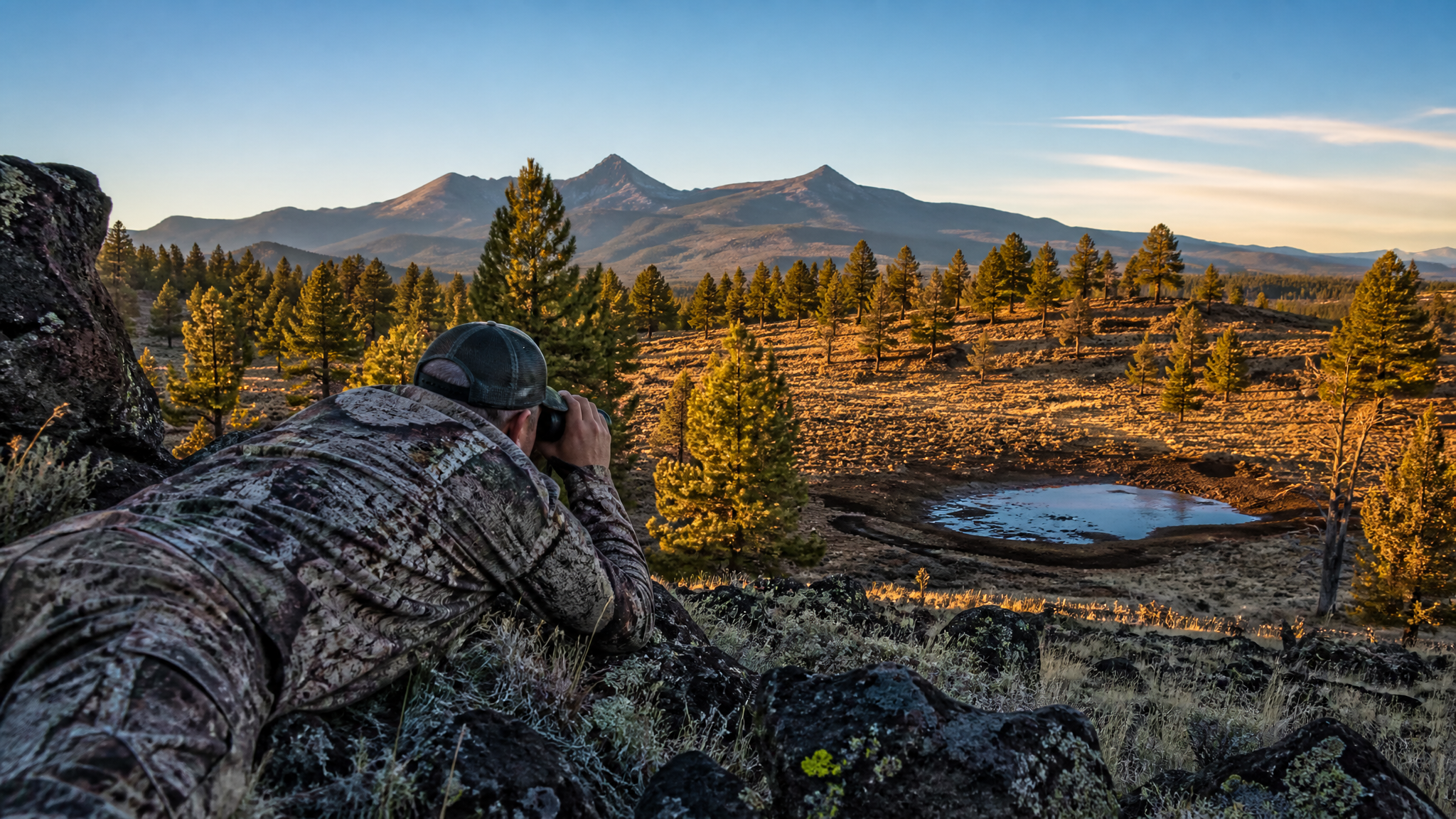
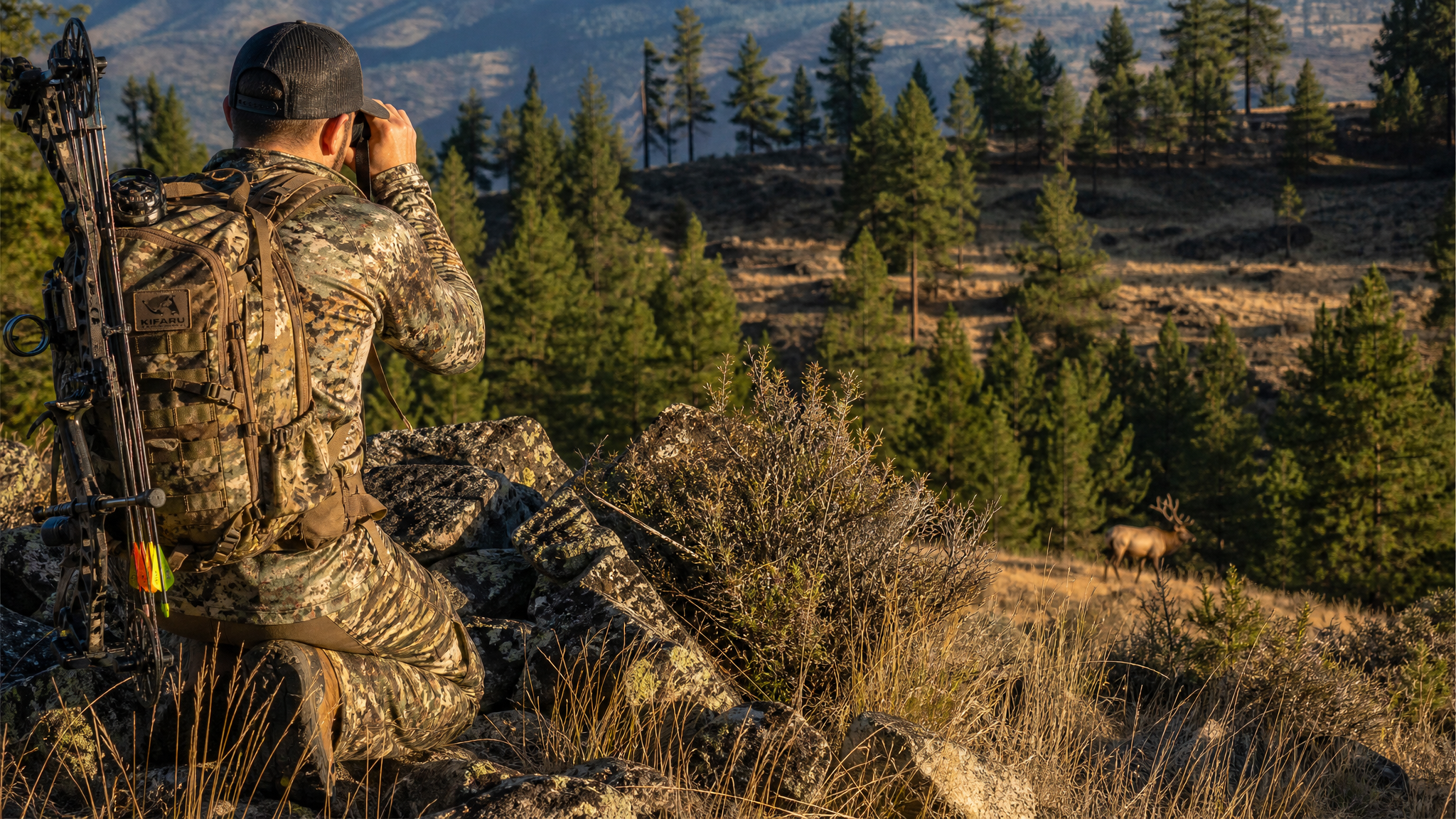
Glass open meadow edges at first light from high vantage points. Bulls feeding before the rut are easy to pattern — the same animals use the same meadows morning after morning. Once you've located a bachelor group, pay attention to when they start bugling. The first bugle of the season usually happens at twilight on the meadow edge, and it means game on.
Calling Strategy
Ochocos bulls respond well to calling, but they can be call-shy in the early season before the rut locks in. In late August and early September, cow calls and soft chirps are more effective than aggressive challenge bugles. As September progresses and bulls start competing for cows, a location bugle followed by aggressive raking on a tree can pull a satellite bull out of the timber like a fish on a hook.
Work as a two-person team when possible: a caller hangs back 80 to 100 yards while the shooter gets into position downwind. When a bull hangs up — which they often do in the ponderosa timber — the caller moves laterally to simulate a cow walking away. That moving sound breaks the stalemate more often than any amount of calling from a stationary position.
Wind and Thermals
Elk in the Ochocos live and die by their nose. Thermals here are predictable: they pull uphill as the sun heats the slopes in the morning and fall back downhill as temperatures drop in the evening. Hunt uphill in the morning approach, across the slope midday, and downhill setups in the evening. One wrong shift and bulls will pop the cork and disappear into the timber for the rest of the day.
Access and Camping
The Ochoco National Forest has an extensive network of Forest Service roads — most two-wheel-drive accessible to a clearance rig, some requiring high clearance 4WD on the rougher two-tracks. Dispersed camping is allowed throughout the National Forest outside designated no-camping zones. Setting up a spike camp within a mile or two of your scouted area is far more effective than running in from a highway camp each morning.
Prineville is the closest supply town and has everything you need — gas, groceries, a hardware store, and a meat locker that handles game processing if you punch your tag. Cell service is limited in much of the unit; download your OnX maps offline before leaving town.
Realistic Expectations
The Ochocos aren't a trophy unit. The average bull here is a 5x5 or 6x6 in the 280 to 320 class — solid meat bulls with the occasional bigger animal. If you're hunting with a tag and a cooler, this unit delivers. If you're waiting for a 350-class monster, you'll have a long season. For most DIY hunters, that's the right trade-off: accessible tags, public land, challenging hunting, and real odds at a bull in the freezer.