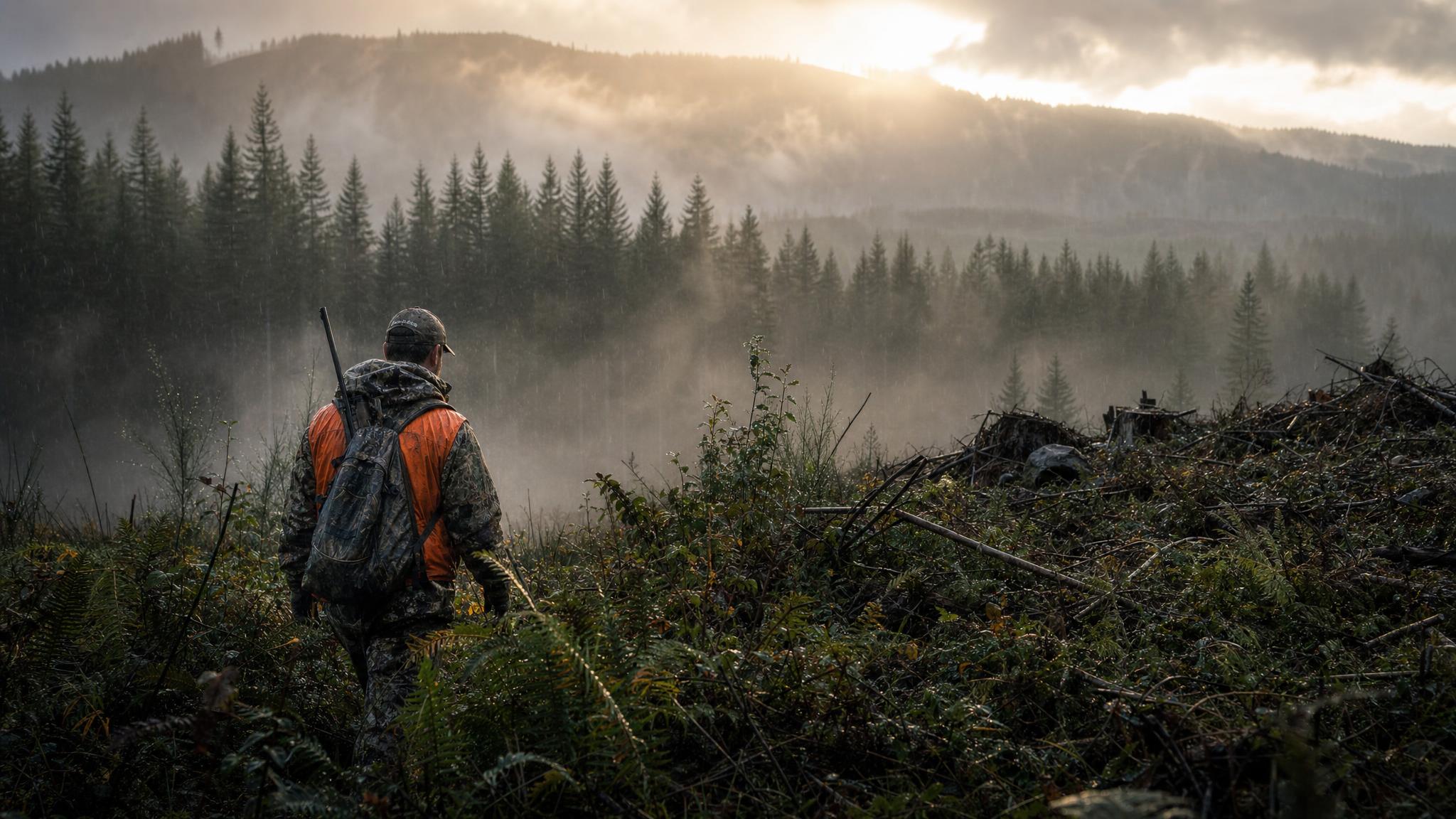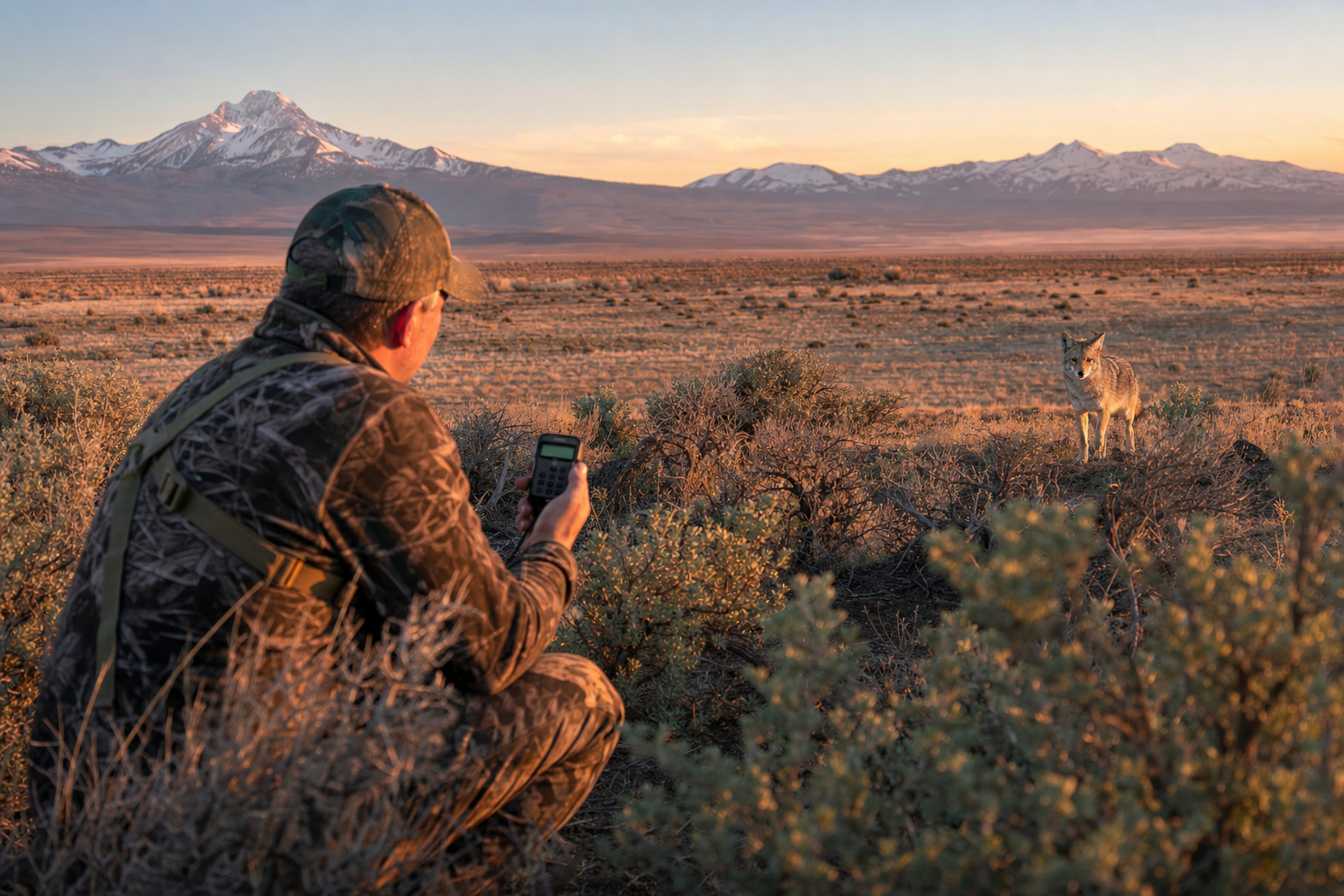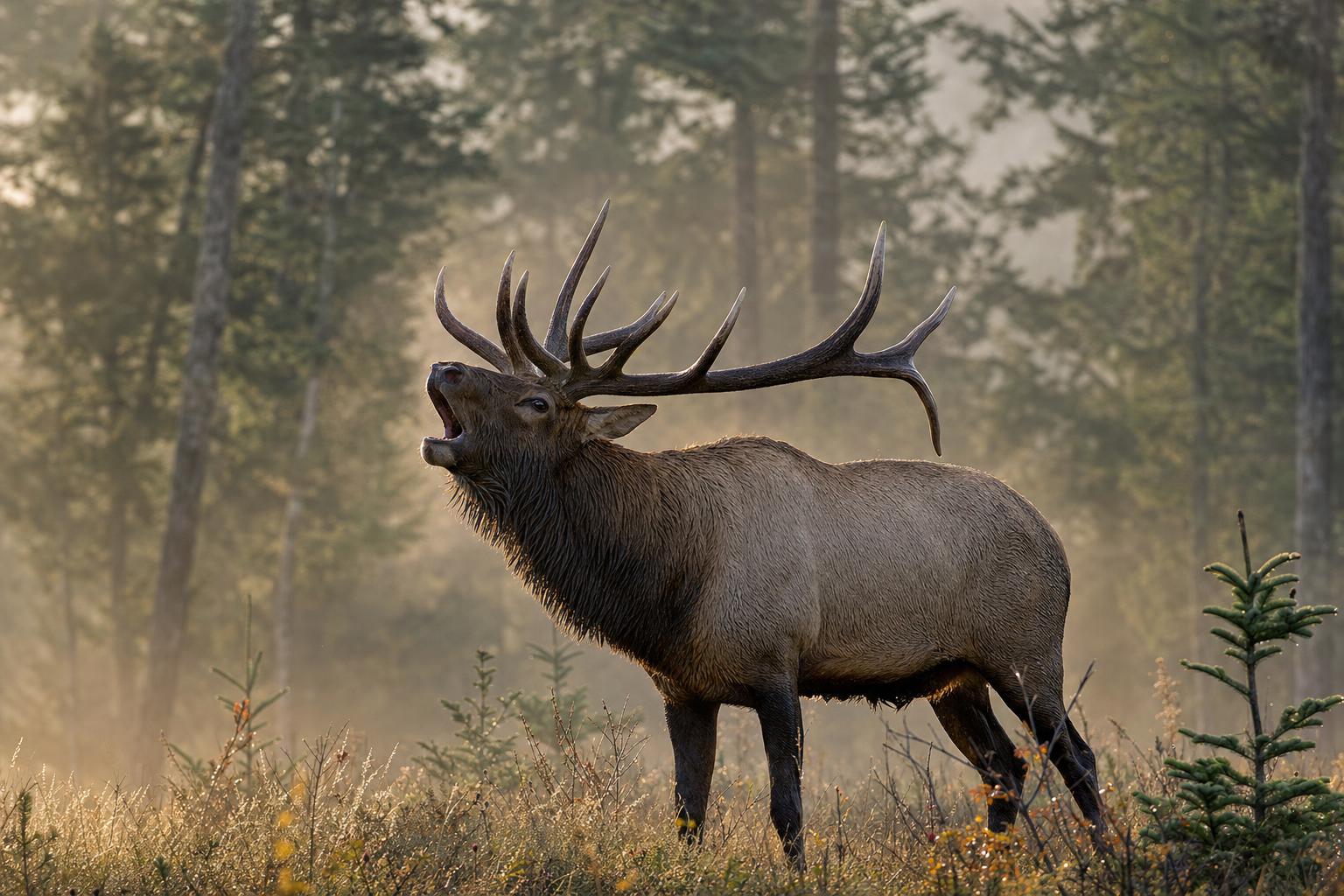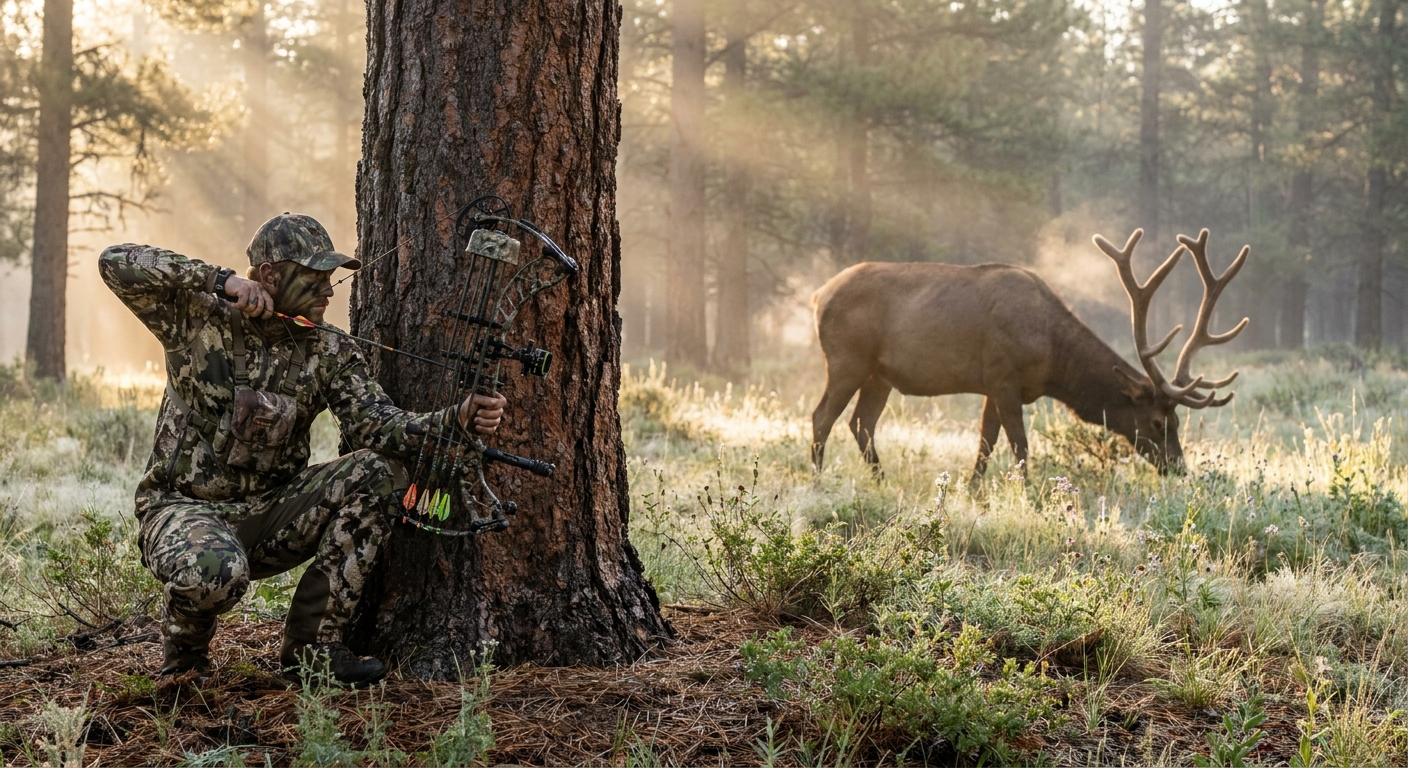
Grant County doesn't get the same shine as the Chesnimnus or Wenaha units, but serious public land elk hunters have been quietly filling tags in the Long Creek Unit for decades. Located in the Blue Mountains of northeastern Oregon, this unit covers a mix of Malheur National Forest timber, open ridge country, and agricultural bench land — a combination that creates the kind of elk habitat where a DIY bowhunter can consistently find bulls if they put in the work before September.
Unit Overview
The Long Creek Unit encompasses a broad swath of Grant County north and east of the town of Long Creek. The unit is bounded roughly by the North Fork John Day River drainage to the south and the Middle Fork John Day country to the west. Elevations range from around 3,000 feet in the valley bottoms to over 6,000 feet on the major ridgelines.
Public land access is the biggest asset here. Malheur National Forest covers a substantial portion of the unit's higher elevations, and BLM parcels fill in much of the lower country. Private land is present — particularly around the Long Creek and Kimberly areas — but a hunter willing to study a Hunting Atlas or OnX map can build a hunt plan entirely on public ground.
Habitat and Elk Distribution
Long Creek Unit elk are Blue Mountains animals — they behave like ponderosa pine and mixed-conifer forest elk, which means a different approach than the alpine timberline hunting common in the Eagle Cap or Wallowas. Key habitat types to focus on:
- Ponderosa Pine Ridges: Elk use open ponderosa for bedding during the heat of the day. Thermals here are classic — up the drainage in the morning, down in the evening — and a hunter who understands this can consistently intercept bedded bulls on their feet.
- North-Facing Timbered Drainages: These hold moisture, feed, and shade. Find the drainages with springs or seeps and you'll find elk throughout summer and into early season.
- Logged Units and Clearcuts: Early successional vegetation in 10–20 year old cuts provides summer and early fall feed. Elk pile into these areas at first light before moving into the timber.
- Agricultural Edges: Where national forest meets private hay ground, elk are active at dawn and dusk. You may not have access to the private land, but you can hunt the adjacent public fringe.
Summer Scouting: What to Do Right Now
Late July is an ideal time to be boots-on-ground in the Long Creek Unit. Bulls are in velvet, herded up in bachelor groups, and predictable. Here's how to make the most of a pre-season scouting trip:
- Water is Everything in Late Summer: Springs, seeps, and stock tanks concentrate elk in August. Find the water sources on Forest Service maps and then spend mornings glassing the surrounding timber for movement. Any wallow within a half-mile of a reliable water source is worth a trail camera.
- Glassing Strategy: Set up high with a spotting scope on north-facing ridgelines one to two hours before sunset. Look for bulls feeding into the clearcuts and logged openings. Mark every sighting on OnX and look for patterns over multiple evenings.
- Access Scouting: Drive the Forest Service roads now to understand the gate situations, road conditions, and trailhead parking. Some two-track roads won't support a loaded truck after a hard September rain — know your bailout before opening day.
Tags and Draw Odds
The Long Creek Unit issues both limited-entry and controlled tags for archery elk. General archery elk tags are available over the counter in most years, which is the primary reason this unit attracts serious bowhunters — it doesn't require a draw, and you can hunt it every year while accumulating preference points for premium limited units. Check ODFW's current tag structure before your season, as regulations can change.
Rut Timing and Calling Tactics
Oregon's archery elk season in the Blue Mountains typically opens in late August, but the rut in the Long Creek area generally peaks between September 10–25. Plan your primary rut hunt around those dates.
In early September, before bulls are fired up, cow calls are your best option. Soft mews and estrus sounds pulled a bull in close are the bread and butter of early-season archery. As the month progresses and bulls begin chasing, you can get more aggressive:
- Bugles: Location calls to find responding bulls, then switch to cow talk to close the distance
- Cow-in-heat sequences: The most effective in-rut call when a bull is already fired up
- Raking: Antler raking on a tree combined with aggressive bugles can pull a dominant bull that won't respond to standard calls
The timber country in this unit means most encounters happen inside 40 yards. Set your pin stack accordingly and practice shots from kneeling and awkward angles — the shot opportunity in the pines rarely comes standing upright with a clear lane.
Meat Care and Pack-Out
A mature bull elk quarters to 180–220 pounds of boneless meat. In Grant County's early September heat, this is not a situation where you have time to admire your trophy before getting to work. Bone out the quarters immediately, hang them in game bags in the shade of a north-facing drainage, and get back to camp for ice or a cooler. If you're more than two miles in, plan your pack-out for two trips or have a partner staged and ready.
The Long Creek country is accessible enough that a motivated solo hunter can pack a bull out in a long day or overnight, but don't underestimate the miles. Use a pack frame rated for 100+ pounds and bring good boots — the September weather can turn wet without warning in the Blue Mountains.
Why This Unit Belongs on Your Radar
The Long Creek Unit isn't a secret, but it's also not the one everyone talks about. If you're tired of crowd pressure on the marquee units and want a legitimate opportunity at a public land bull on a general tag, this is the kind of Blue Mountains country worth investing in. Scout hard, hunt smart, and the John Day country will take care of you.