Oregon's muzzleloader deer season is one of the state's best-kept secrets. Running in late September and early October — after the archery opener but before the chaos of general rifle season — primitive weapons season puts you in the field during some of the finest fall weather Oregon produces, with significantly lower hunter pressure than the general season crowds. If you've never tried it, you're leaving opportunity on the table.
But make no mistake: hunting with a muzzleloader changes the game. Your effective range shrinks, you get one shot before a lengthy reload, and weather matters more than it does with a centerfire rifle. That's exactly what makes it worth doing.
Understanding Oregon's Muzzleloader Regulations
ODFW defines muzzleloader season separately from both archery and general rifle. The season typically runs in late September, varying by zone, and requires tags specific to the primitive weapons season — not general deer tags. Check the current Oregon Big Game Regulations for exact dates by zone; the east and west sides of the Cascades operate on different schedules.
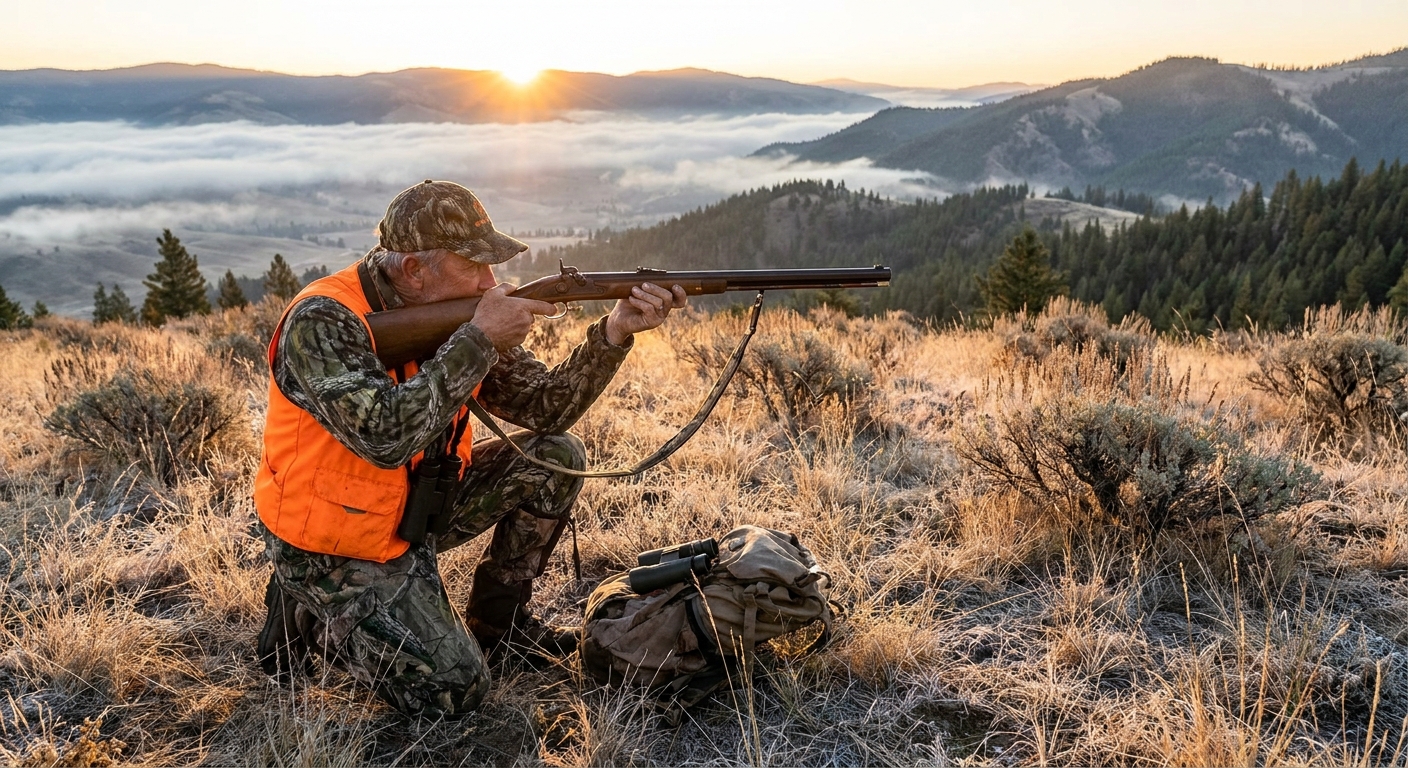
Oregon allows the use of modern inline muzzleloaders during this season, so you're not limited to flintlock or percussion cap guns. Scopes are permitted, which is a meaningful advantage at the ranges most hunters actually shoot. Saboted bullets are legal, as is the use of pelletized powder. This puts you in a surprisingly capable position compared to the traditional gear image people associate with muzzleloading.
Top Units to Consider
Eastern Oregon units generally offer the best muzzleloader deer hunting opportunities, combining good deer numbers with manageable hunter density during the primitive weapons window:
- Northside Unit (Unit 70): Open country mule deer with excellent glassing terrain. The rut is still weeks away but bucks are visible in bachelor groups on the sage flats and juniper ridges. Good draw odds for nonresident tags.
- Desolation Unit (Unit 54): Consistently produces quality muleys. The transition between high desert and the Blue Mountains foothills makes for varied terrain and easier deer location.
- Beatys Butte Unit (Unit 68): Remote high desert in Lake County. Minimal pressure and solid mule deer numbers for hunters willing to glass hard and cover ground.
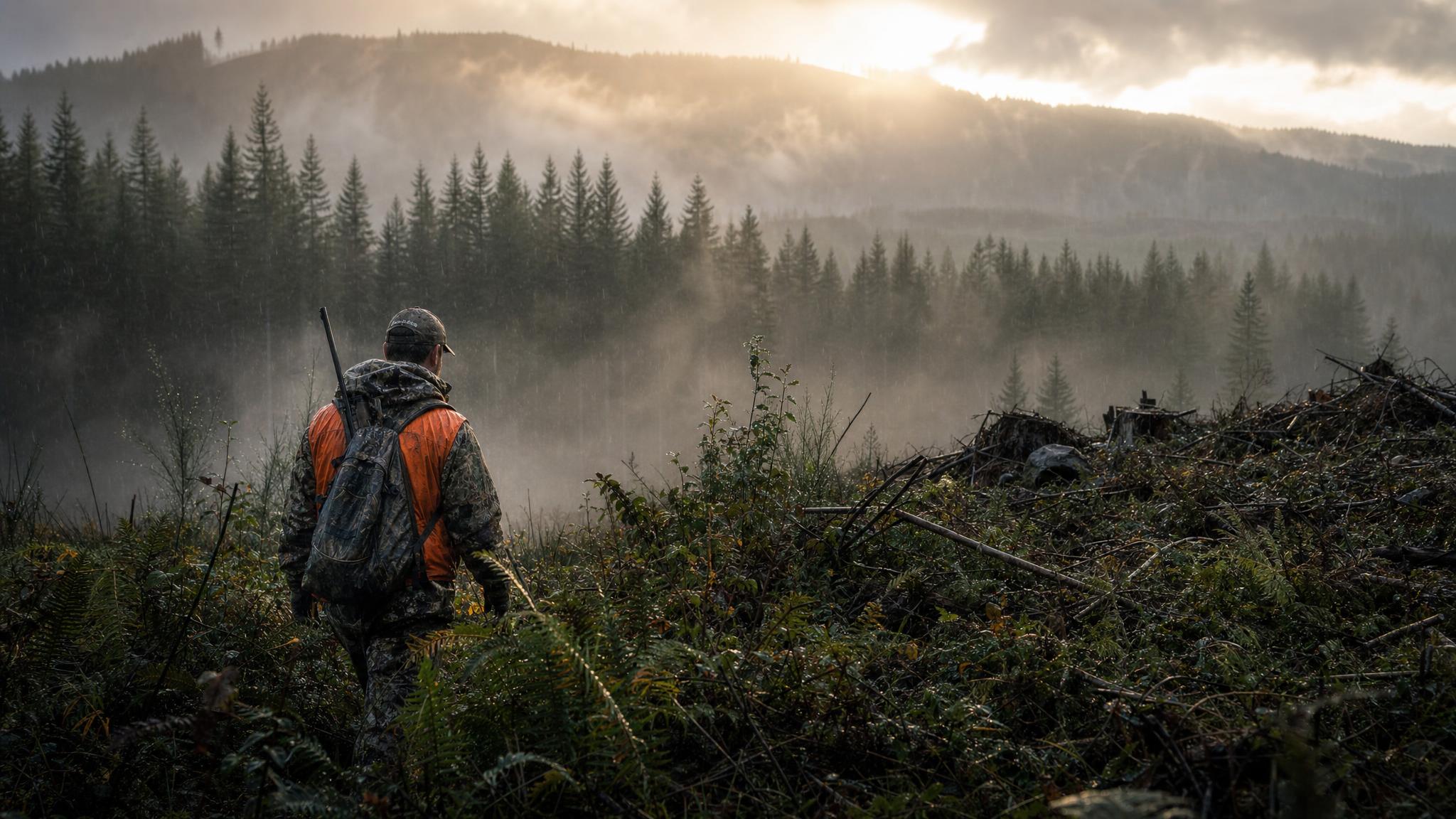
- Columbian Whitetail (west side): Units along the lower Columbia and Umpqua drainages hold whitetail. Muzzleloader season here is a different experience entirely — thick timber, shorter shots, and a more stalking-focused hunt.
Gear That Actually Matters
If you're new to muzzleloading, the equipment learning curve is real but manageable. Here's what to focus on:
- Rifle: Modern inline muzzleloaders from CVA, Thompson/Center, or Traditions in .45 or .50 caliber are the workhorses. The CVA Cascade ML and T/C Impact are proven performers at accessible price points. If you're investing serious money, the T/C Triumph or Bergara BMR will not disappoint.
- Powder: Hodgdon 777 in pellet form (two 50-grain pellets = 100 grains equivalent) simplifies field loads dramatically. For loose powder shooters, Black Mag3 and Pyrodex RS are consistent performers. Practice with your exact field load — pressure sensitivity varies between charges.
- Bullets: Hornady SST and PowerBelt AeroTip saboted bullets are the most commonly used and proven at muzzleloader ranges. For hunting elk-sized animals or extending range, the Hornady 250-grain SST in .45 cal sabot is a top pick. For deer, a 240–300 grain .45 cal bullet out of a .50 bore gives excellent terminal performance.
- Scope: A low-magnification variable (2–7x or 3–9x) with 1-inch or 30mm tube is plenty. Muzzleloader ethics suggest keeping shots inside 150 yards; most kills happen under 100. You don't need a long-range optic.
Tactics for the Primitive Weapons Window
Late September in eastern Oregon means the rut is still weeks out, which makes patterning bucks on their pre-rut feeding and bedding routines the primary strategy. Deer are still largely in summer pattern — feeding in the evening into open areas and returning to cover by mid-morning.
Glass early and glass hard. Get to a high point before first light and cover country with good optics before you ever move. Pick a buck, plot an approach using terrain to break your silhouette, and get within your confident shooting range before you set up for a shot.
Unlike rifle season, you won't be burning cartridges at 300+ yards. Close the distance, pick a rest (a daypack over a rock, shooting sticks, or a bipod if your rifle is threaded for one), and take your time. The muzzleloader hunt rewards patience and woodsmanship in ways general rifle season doesn't always demand.
One more tip: carry a pre-measured reload kit. A speed loader with a pre-set charge and bullet gets you back in action in 60–90 seconds instead of fumbling at the worst possible moment. You probably won't need it — but you'll be glad it's there when a buck steps out of timber 40 seconds after your first shot.
Final Thoughts
Oregon's muzzleloader deer season is an experience worth chasing. Fewer hunters, exceptional fall weather, and a method of harvest that demands a different and deeper level of engagement with the hunt. If you've been looking for a reason to step away from the rifle for a season, this is it. Apply for your tags, pattern your loads through the summer, and get out there.