The muzzle brake has become nearly standard equipment on precision rifles, custom hunting builds, and factory magnums sold in the Pacific Northwest. Walk through any western Oregon sporting goods store and half the bolt-action magnums on the rack now come with porting or threading from the factory. There's a reason — they work. But working at the range and working in the field on a deer hunt are two different things, and the decision to run a brake on a hunting rifle deserves more consideration than it usually gets.
Brake vs. Compensator vs. Flash Hider: What's the Difference
The terms get used interchangeably and they should not. Each device has a distinct primary function:
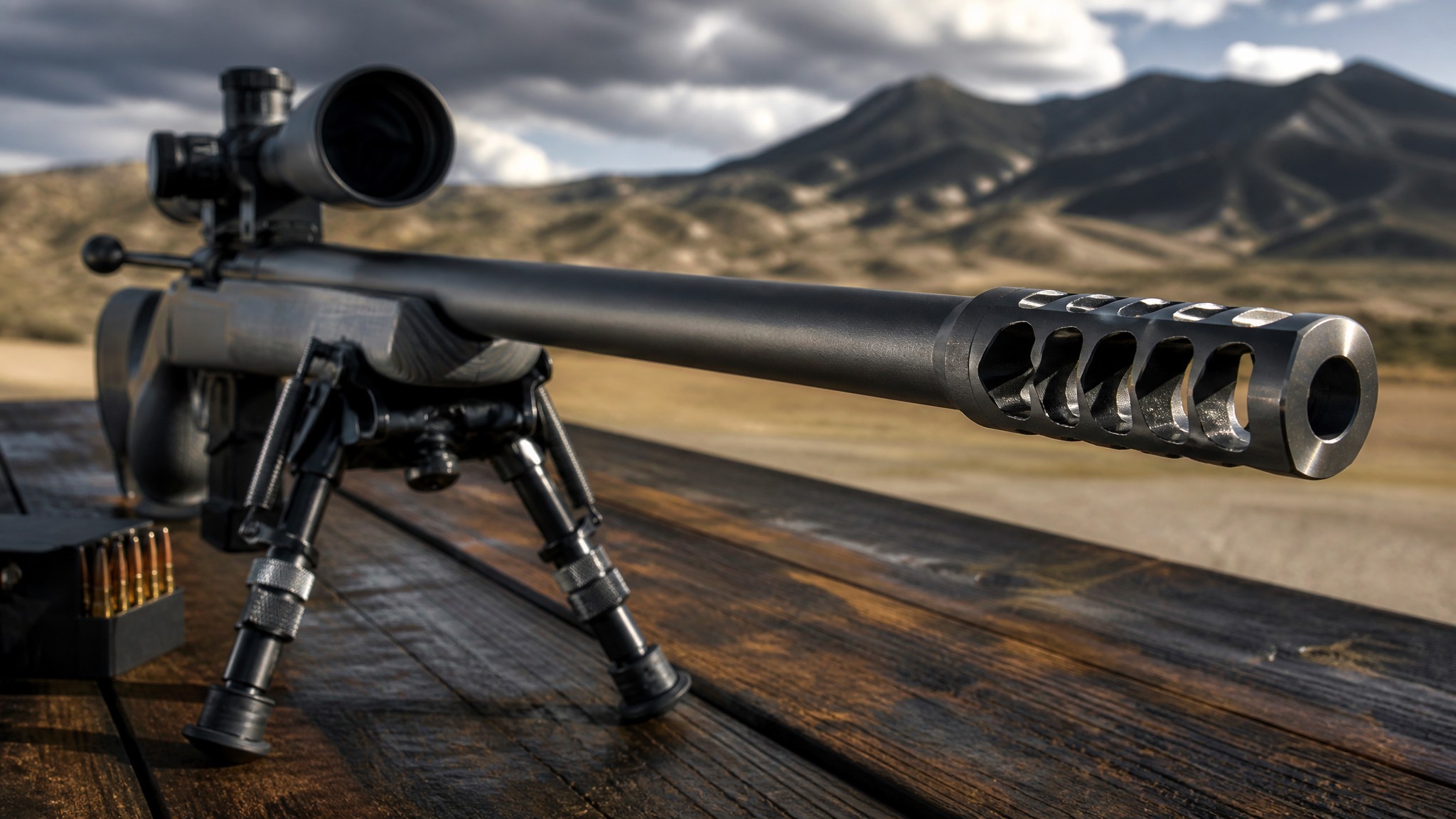
- Muzzle brake: Designed specifically to redirect propellant gas rearward and laterally, pushing against the brake baffles and counteracting rearward recoil force. The primary goal is felt recoil reduction. Most hunting-oriented muzzle devices fall into this category.
- Compensator: Redirects gas upward to counteract muzzle rise during recoil. More common in competitive pistol and AR-platform shooting where rapid follow-up shots matter. Some hunting brakes incorporate compensator features in a hybrid design.
- Flash hider (flash suppressor): Disperses the burning gas cone at the muzzle to reduce visible signature — the bright flash of unburned powder igniting. Minimal recoil benefit; primarily a tactical and low-light shooting tool. Common on AR-15 pattern rifles.
- Combination devices: Hybrid muzzle devices that attempt to perform multiple functions. The Surefire SOCOM line, for example, also serves as a suppressor mount. These are expensive but genuinely versatile.
How Much Recoil Reduction Can You Actually Expect?
High-quality muzzle brakes on calibers like the .300 Winchester Magnum, 6.5 PRC, or .338 Lapua Magnum typically deliver 40-55% reduction in felt recoil, depending on the specific design, caliber, and rifle weight. That's not a marketing claim — independent ballistic testing consistently validates this range for well-designed two-chamber or multi-port brakes.
To put numbers on it: a 9-lb rifle in .300 Win Mag produces roughly 30 foot-pounds of free recoil. A quality brake reduces that to approximately 15 foot-pounds — comparable to a .243 Winchester. For hunters who are recoil-sensitive, shoot off a bipod where rifle movement is constrained, or who need to spot their own shots at distance, that reduction is meaningful and practical.
Smaller calibers see proportionally less benefit. A 6.5 Creedmoor in a 9-lb rifle already generates only about 14 foot-pounds of recoil — a brake reduces it to around 7-8 foot-pounds. The improvement exists but matters less in practical field conditions.
The Real Trade-offs for Hunters
The shooting community underemphasizes what brakes actually do to the hunting experience. Before installing one, understand what you're accepting:
Muzzle Blast and Concussion
A muzzle brake dramatically increases perceived noise and muzzle blast — not just for the shooter but for anyone within 10-15 feet. The redirected gas pressure that makes a brake effective is the same pressure that creates a concussive wave at the shooter's position. This matters in two hunting scenarios:
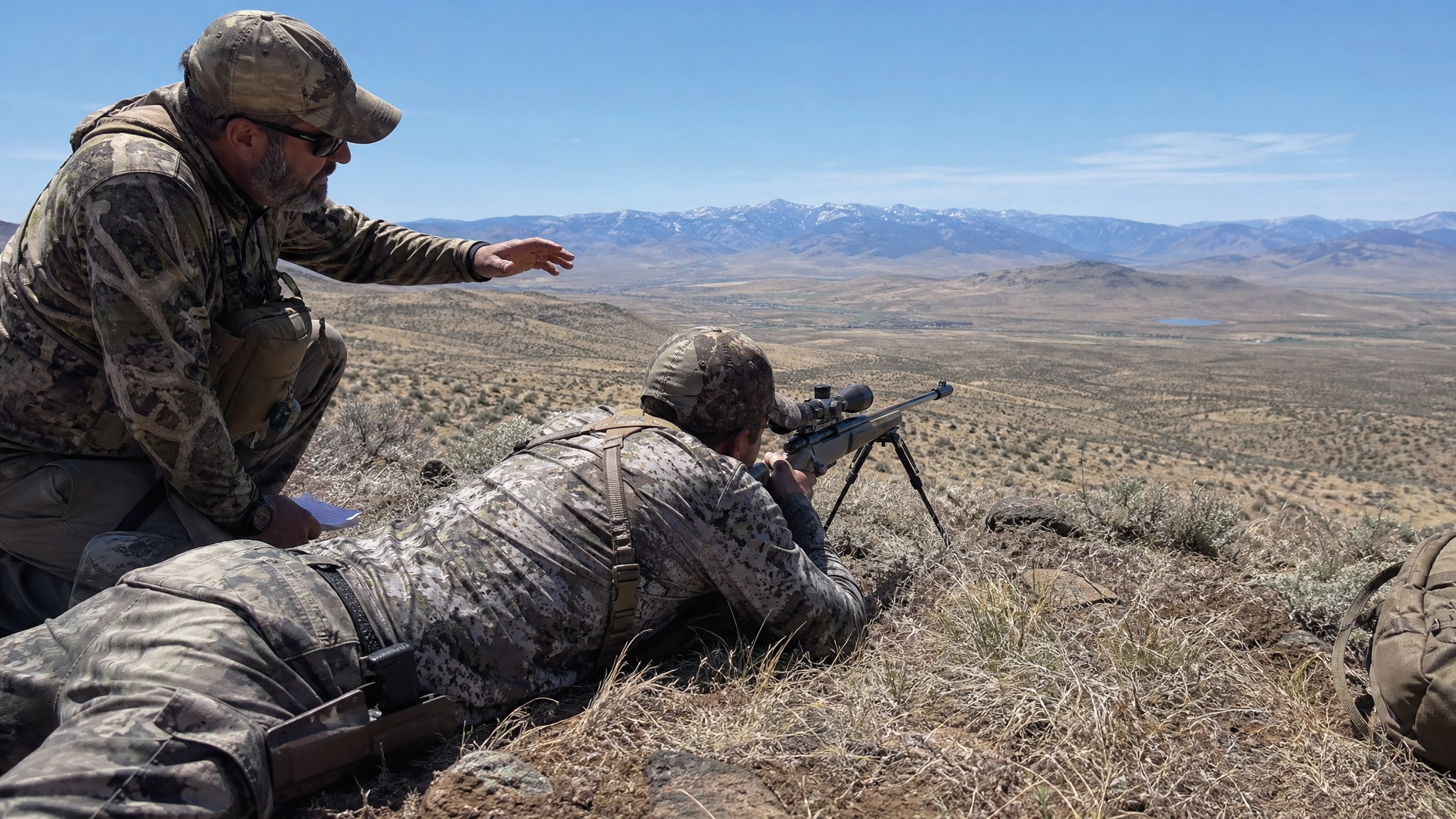
First, hunting with a partner or guide. A muzzle-braked .300 Win Mag fired from a shooting stick with a guide sitting 6 feet away is a genuine hearing hazard — and an unpleasant experience for the guide who's trying to spot your shot. Many outfitters and guides in Alaska and eastern Oregon have started requiring clients to remove or thread-protect brakes when shooting from guided positions.
Second, the hunters themselves. In-the-field shots rarely happen with ear protection in place. A brake can increase peak sound pressure at the shooter's ear by 8-12 dB — the difference between a painful shot and genuine hearing damage at close range. Suppressors solve this problem; brakes make it significantly worse.
Ground Disturbance and Dust Signature
In eastern Oregon's dry high desert, a muzzle brake on a prone or bipod-rested shot creates a visible dust cloud from the laterally-redirected gas. In certain conditions this can obscure your follow-up shot view and spook deer and elk that were not disturbed by the shot itself.
Cold Weather Performance
Muzzle brakes in freezing temperatures can accumulate ice and moisture in the ports, which affects their function. In Pacific Northwest conditions, hunting in rain and snow, brake ports should be cleaned and inspected before hunting season.
Best Hunting Muzzle Brakes
For hunters who decide a brake makes sense for their application, these designs represent the current best-in-class options:
- Area 419 Hellfire: Self-timing brake with excellent recoil reduction numbers (typically 50% or better on magnums) and a sleek profile. The timing mechanism allows precise port alignment without crush washers or timing rods — a practical advantage for hunters who might swap brakes between rifles or remove for storage.
- Precision Armament M4-72 Severe Duty: One of the highest-rated brakes for recoil reduction in independent testing, often exceeding 65% on heavy magnums. Aggressive multi-port design; very effective but correspondingly loud. Best for bench and long-range precision work rather than general field hunting.
- JP Enterprises JP Recoil Eliminator: A favorite on custom Western hunting rifles for years, particularly in the .30 caliber magnum range. Durable, effective, and available in thread pitches that match common barrel threading standards in the Pacific Northwest custom rifle market.
- Browning BOSS-CR: The Browning Ballistic Optimizing Shooting System adds adjustable harmonic damping to its brake function — by threading the BOSS in or out, you change the barrel's vibration node at the muzzle, which can measurably improve accuracy with specific factory loads. A legitimate dual-purpose tool for hunters who do not handload.
- Surefire SOCOM Muzzle Brake: Higher price point but also serves as a suppressor mount for Surefire's SOCOM series cans. For hunters who plan to eventually run a suppressor, this is the smart starting point — you get brake benefits now and suppressor compatibility later without re-threading.
Suppressor as the Better Alternative
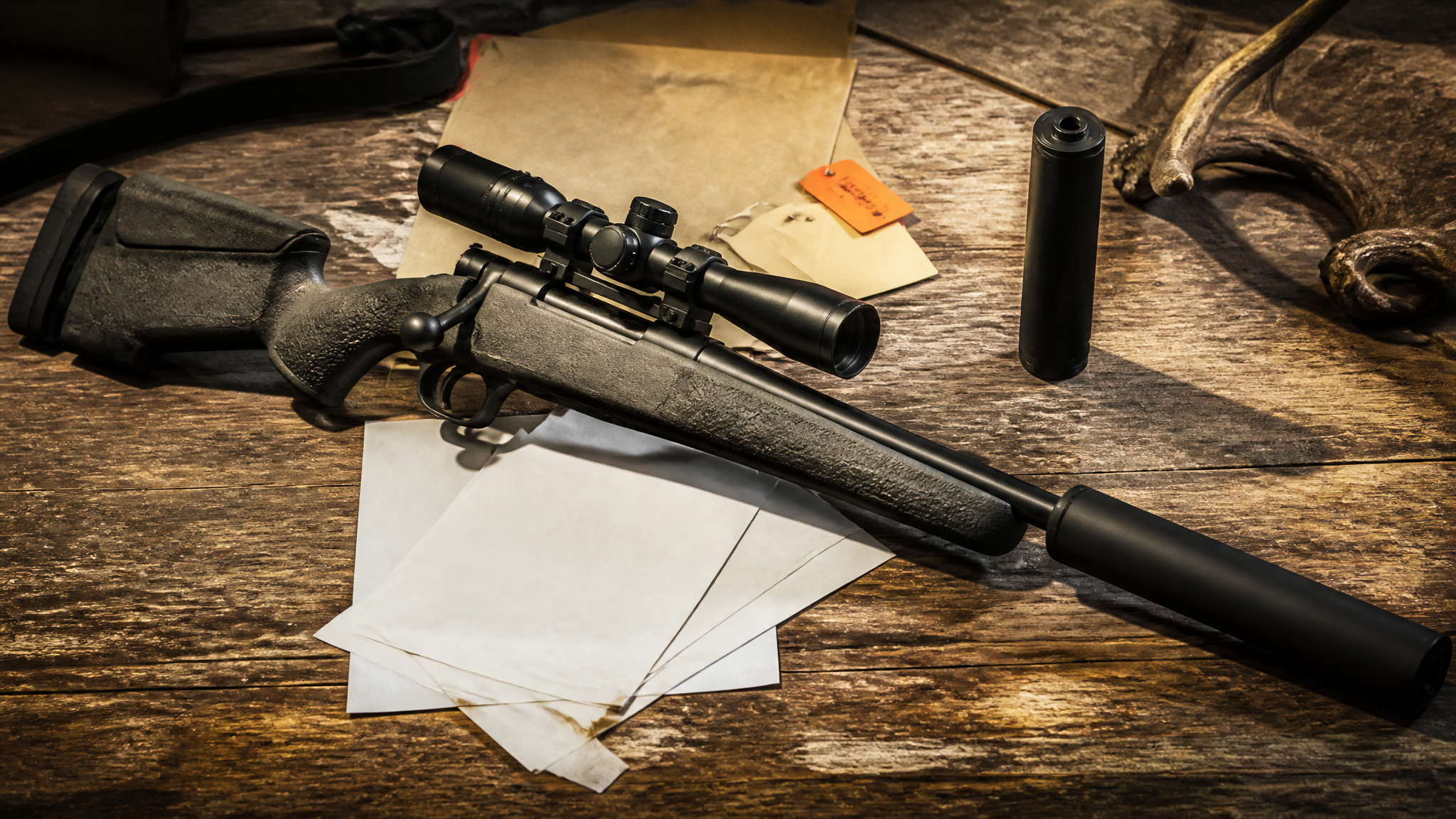
The suppressor (NFA item requiring a Form 4 and $200 tax stamp) solves most of the problems that a muzzle brake creates while providing genuine recoil reduction of 20-30% and dramatic noise reduction. In Oregon, suppressors are legal for hunting. Wait times have stabilized in recent years as eForms processing has improved.
For a hunter who shoots multiple times a year, hunts with partners or guides, and wants to protect their hearing over a career of field shots, the suppressor investment makes more economic and practical sense than a brake. The one limitation: weight and length added to the muzzle, which matters in heavy timber or tight shooting situations.
Installation Notes
Muzzle brake installation requires that the barrel be threaded to the appropriate pitch for the brake selected. Common pitches in the Pacific Northwest market include 5/8x24 (most .30 caliber and larger) and 1/2x28 (.223/5.56). Have a qualified gunsmith verify thread pitch, crown condition, and proper brake timing — an improperly timed brake or one that contacts the crown can affect accuracy. Torque to manufacturer specifications with appropriate thread locker.
If your hunting rifle is not currently threaded, the threading cost typically runs $80-150 at a qualified shop — a one-time expense that also opens the door to suppressor use down the road.
Muzzle brakes are not the right tool for every hunter or every hunting scenario. But chosen deliberately, installed properly, and understood for what they trade in noise for recoil comfort, they're a legitimate part of the modern hunting rifle toolkit.