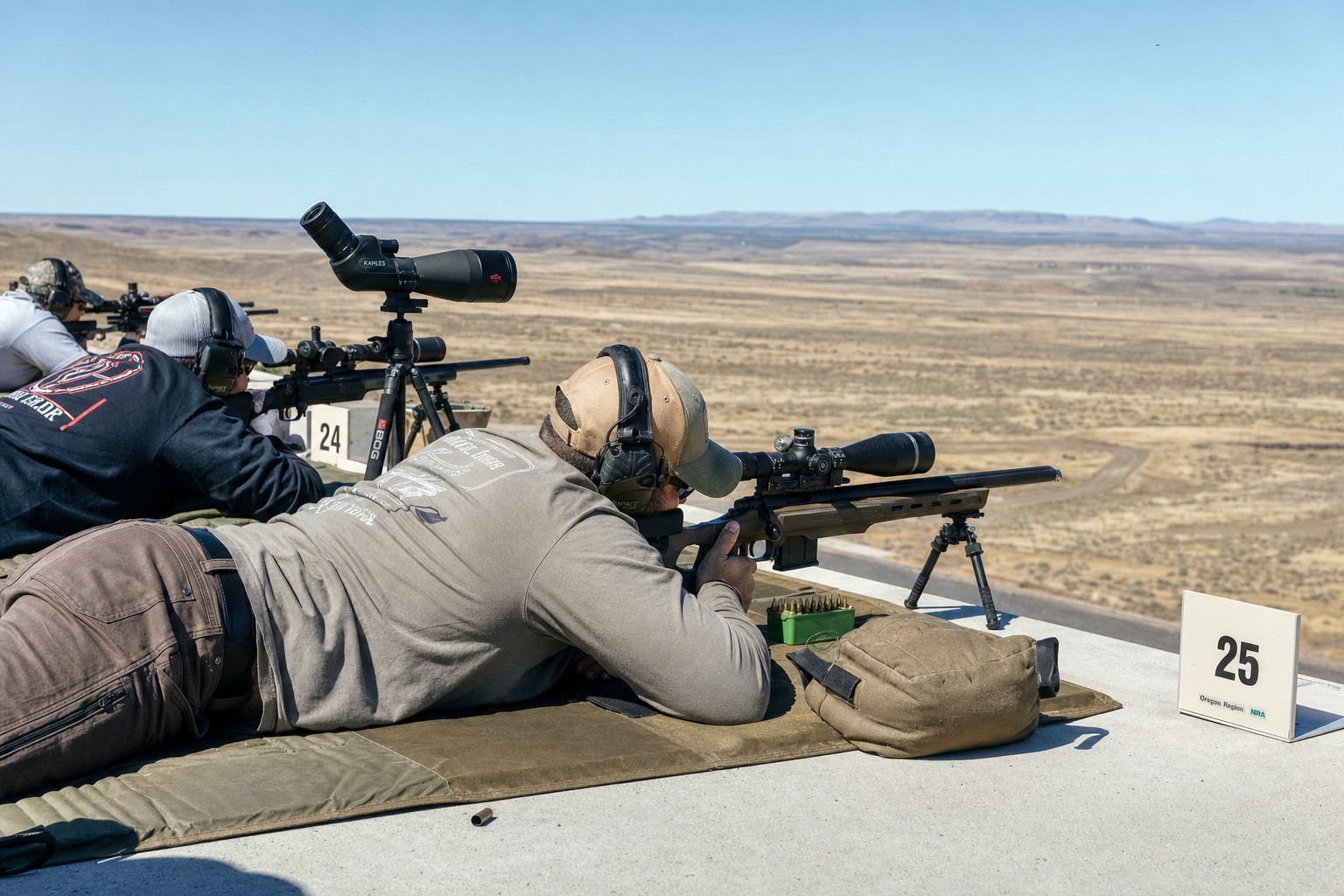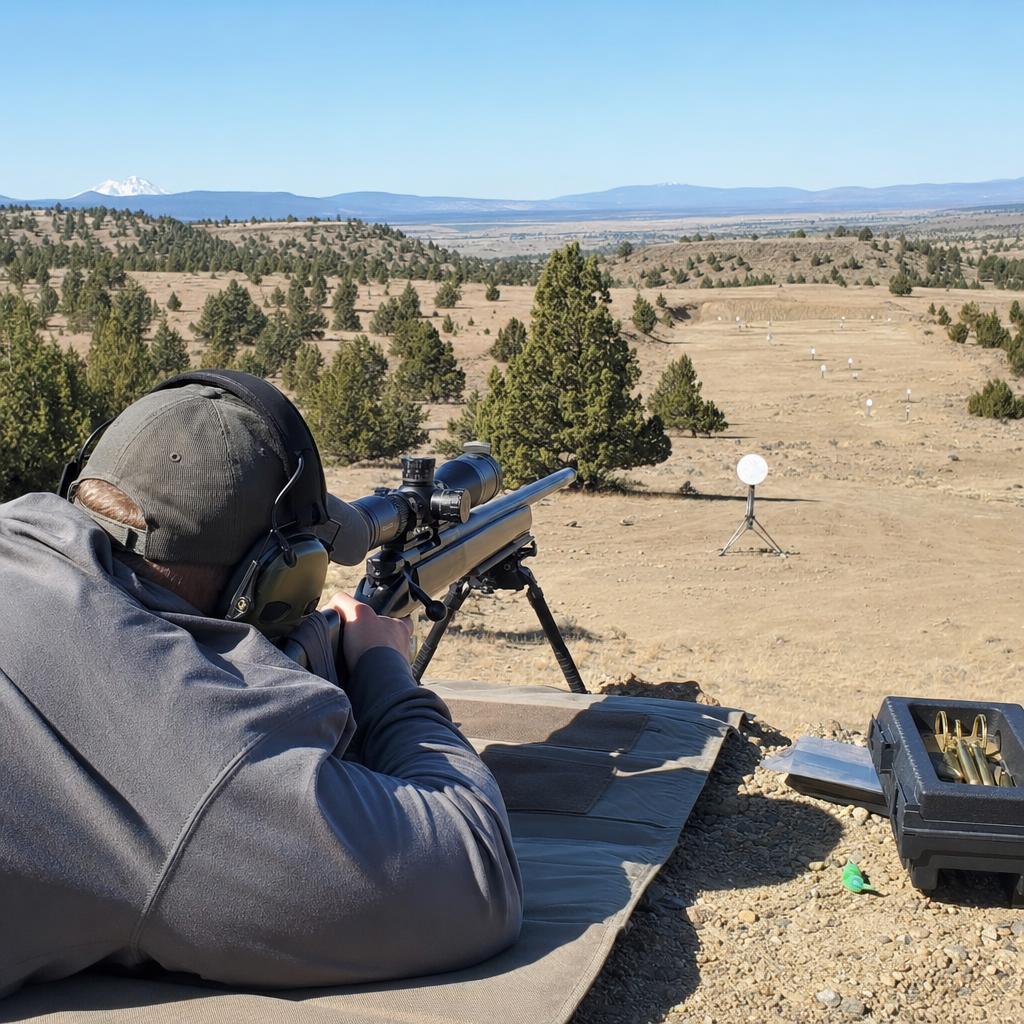
The shot you've been waiting for all year doesn't come across a bench with sandbags and a rear bag. It comes at 340 yards, standing in a field, with a bull elk quartering away and 60 seconds to make it happen. How stable you are in that moment has less to do with your rifle and more to do with the shooting system in your hand. Tripods and shooting sticks are the most underappreciated gear category in western hunting — and most hunters are still doing it wrong.
Why Field Support Matters More Than Ever
The trend toward longer shots in western hunting — driven partly by better optics, better cartridges, and better ballistic data — has made field stability a critical skill. At 200 yards, a moderate wobble matters less. At 300 to 400 yards, a consistent rest can be the difference between a clean kill and a gut shot. Even at traditional ranges, a supported shot is simply more ethical and more reliable than a freehand one.
There are three primary field support systems worth understanding: traditional shooting sticks (bipods and trekking-pole-style sticks), tripod-based systems, and integrated rifle-mounted solutions. Each has its place, and the best western hunters carry more than one option.
Shooting Sticks: Fast, Light, and Field-Proven
Shooting sticks in various forms have been used for centuries — African PH-style V-sticks, crossed shooting sticks, and modern trekking-pole doubles. For fast shots at moderate range, a pair of crossed sticks or a quality commercial product like the BOG DeathGrip or Primos Trigger Stix remains one of the most effective options available. They set up in seconds, work from standing, kneeling, and sitting, and weigh almost nothing.
For elk, mule deer, and pronghorn hunting across Oregon's open terrain — the Steens, the Hart Mountain Refuge, the high plateau east of the Cascades — shooting sticks are the go-to. A pair of trekking poles doubled with an elastic band forms a functional V-rest for shots under 300 yards. The adjustment is intuitive, and most experienced hunters can hold a 2 to 3 MOA group from shooting sticks at moderate distances.
Key Shooting Stick Tips
- Practice at the range from sticks — a lot. Most hunters only bench zero their rifles and never build stick technique.
- Height matters: your rifle should rest naturally at the V without forcing you to hunch or stretch. Adjust before the shot, not during.
- Use your non-trigger hand to grip the sticks and apply forward pressure into the V for added stability.
- A rubber V-tip reduces noise and vibration on the rifle forestock.
Hunting Tripods: The Game-Changer for Long Range
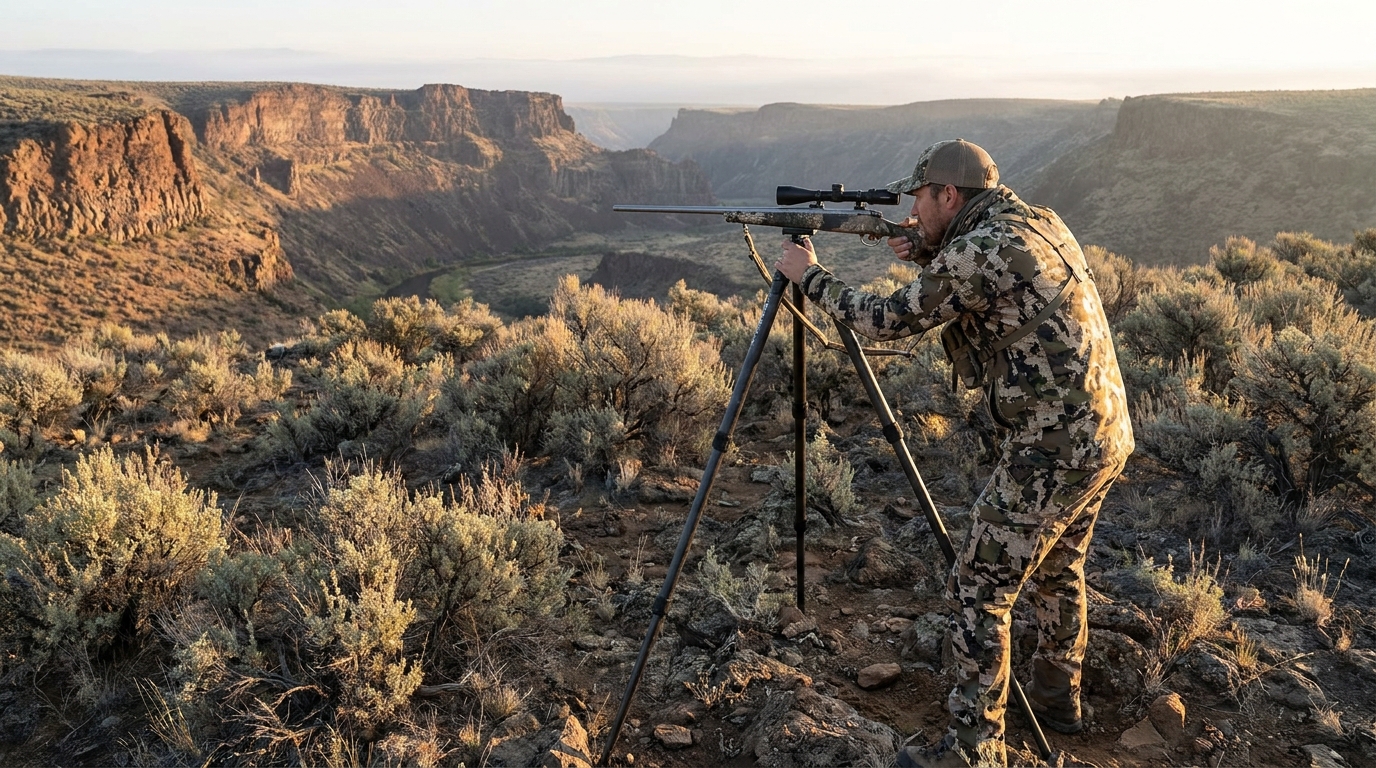
If you're consistently shooting beyond 300 yards — or if you hunt glassing-intensive country where you'll also be spotting from a tripod — a dedicated hunting tripod is worth every penny. The market has matured significantly in recent years, and purpose-built hunting tripods from companies like Outdoorsmans, Bog, Really Right Stuff, and Spartan Precision now offer lightweight, fast-deploying systems specifically designed for field shooting.
The critical feature to look for is a ballhead or fluid head that allows quick leveling without wobble. A cheap tripod with a loose head is worse than no tripod at all — the rifle will drift off target as you squeeze the trigger. Look for a head with a dedicated rifle notch or V-yoke that cradles the forestock naturally.
Carbon fiber tripods (like the Outdoorsmans Carbon Fiber Tripod or the Gitzo Systematic) offer the best weight-to-rigidity ratio, but aluminum models from Outdoorsmans and Bog are viable for hunters who don't need to count every ounce. A quality hunting tripod will run $200 to $600 for the legs alone; a quality head adds another $100 to $300.
Tripod Heights and Body Positions
One of the biggest mistakes hunters make is buying a tripod optimized for sitting behind a bench. In the field, you'll shoot from seated, kneeling, and standing — often in quick succession. Look for a tripod that extends to at least 56 inches fully deployed for a standing shot, yet collapses to under 24 inches for pack carry. The Outdoorsmans Tall Tripod (extends to 66") is a cult favorite among western hunters for exactly this reason.
For seated shots — which are the most stable field position available — a shorter tripod between 30 and 44 inches at full extension works well. Many hunters carry a tall tripod for glass and a compact bipod for when they need to go to prone. The combination covers nearly every field scenario.
The Spartan Precision Hamr: A Different Approach
A newer category worth mentioning is the spike-foot hunting bipod system, best exemplified by the Spartan Precision Hamr. These systems use a single carbon spike driven into the ground and a quick-detach head that mounts directly to your rifle's QD stud. They're ultralight (under 12 oz.), extremely fast to deploy, and impressively rigid for shots up to 500 yards. The tradeoff is terrain dependency — they work best on soft ground where the spike can anchor.
Putting It Together: What to Carry
For most western hunting in Oregon — archery elk in the Blues, mule deer on the high desert, pronghorn at Hart Mountain — a practical system looks like this:
- Day pack: A compact carbon tripod (doubles as a glassing platform) + rifle-mounted Harris bipod for prone shots in alpine terrain
- On the stalk: Trekking poles with a V-connector for opportunistic shooting sticks
- Open country rifle hunting: Full-height Outdoorsmans-style tripod for primary use, shooting sticks for backup
Practice is Non-Negotiable
Buy whatever system you can afford — then practice with it. Shooting from a tripod requires a different technique than bench shooting. Your cheekweld, trigger press, and breathing control all change slightly when the rifle is supported by an unfamiliar system. Spend time at the range in July and August, before Oregon's archery openers begin, running your shooting system through realistic field scenarios. The gear is only as good as your ability to use it under pressure.