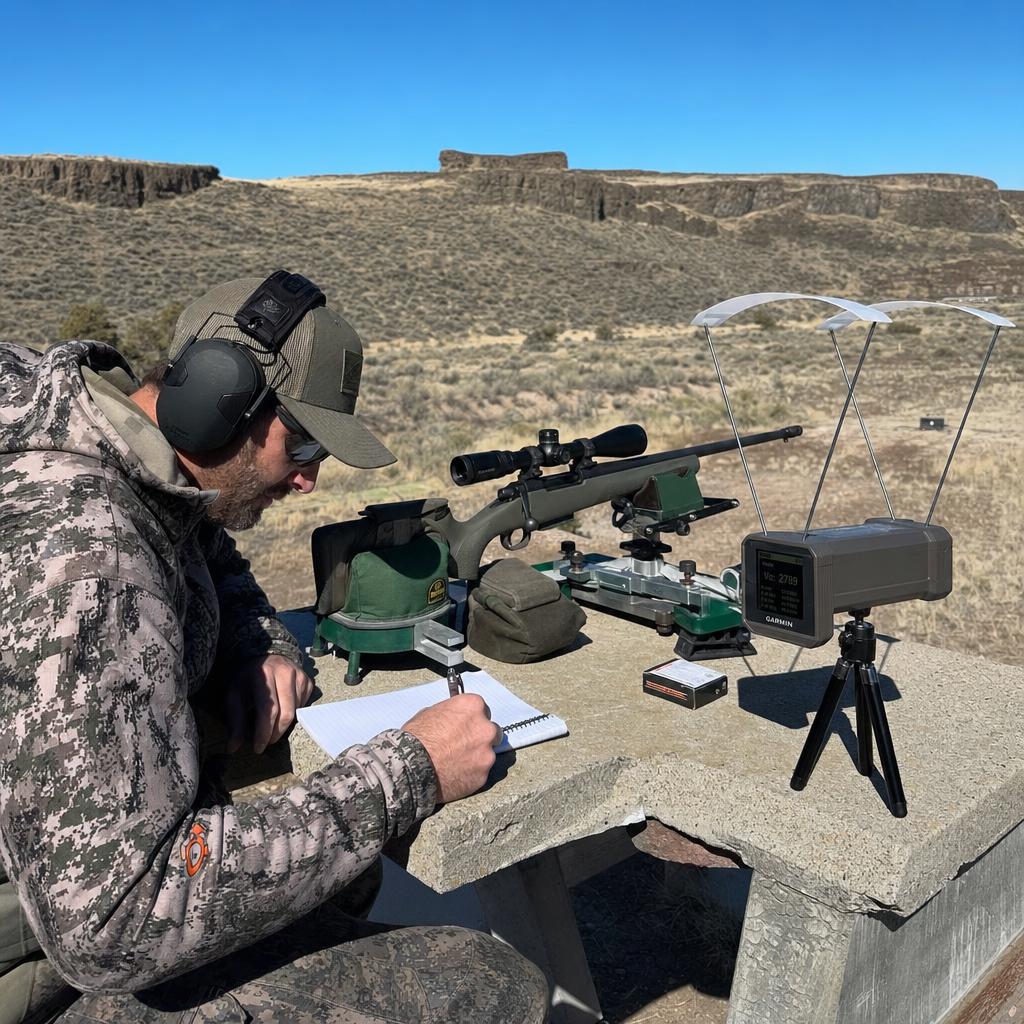
Your hunting rifle is the single most important piece of gear in your pack. You've spent money on glass, tagged out on once-in-a-decade animals, and hiked thousands of miles with it on your shoulder. Yet most hunters give their rifle a cursory wipe-down after the season, stuff it in the safe, and wonder why groups open up the following August. Proper maintenance isn't complicated — but it is systematic. Here's how to do it right.
When to Clean: A Practical Schedule
- Pre-season: Full cleaning and inspection before your first range session. Check for corrosion, proper torque on action screws, scope ring tightness, and stock condition.
- After range sessions: Clean the bore after fouling build-up (typically every 20–50 rounds depending on caliber and powder), or any time you shoot corrosive or steel-jacketed ammo (clean that day).
- After field use: Any exposure to rain, mud, saltwater, or extreme humidity warrants a full cleaning and light oil of all metal surfaces.
- Post-season: Full cleaning, oil, and long-term storage prep before going into the safe for the summer.
- Annual inspection: Even if the rifle hasn't been shot, inspect it once a year for bore condition, rust, bedding integrity, and scope function.
The Right Cleaning Kit
Don't use patches and a ramrod from 1987. Modern cleaning tools make the job faster and safer for your bore:
- One-piece coated cleaning rod (Dewey or Tipton) — protects rifling from steel-rod damage
- Caliber-matched jag and patch loops
- Quality bore brushes — bronze for general cleaning; nylon for polishing after solvent work
- Bore snake — for field-expedient cleaning on a pack hunt
- Solvent: Hoppe's No. 9 is the classic; Bore Tech Eliminator or Wipe-Out (foaming) for heavy copper fouling
- Copper remover: Montana X-Treme or Barnes CR-10 for rifles with significant copper fouling
- Lubricant/protectant: Rem Oil, FP-10, or Sentry Solutions TUF-GLIDE for metal surfaces
- Cotton patches, cleaning cloth
- Toothbrush and cotton swabs for action detail work
- Torque screwdriver (Brownells Magna-Tip with inch-pound measurements) — not optional if you care about accuracy
Step-by-Step Bore Cleaning
1. Clear the Action
Verify the rifle is unloaded. Remove the bolt. Check the chamber. Check again. Place the rifle in a stable rest or cradle with the muzzle slightly downward to prevent solvent from running into the action.
2. Apply Solvent to the Bore
Run a solvent-soaked patch from the breech end to the muzzle. Never push a rod back through the bore — always push patches through and out the muzzle, then replace. Let the solvent dwell for 5–10 minutes (longer for heavily fouled bores).
3. Scrub with a Bronze Brush
Run the caliber-matched bronze brush through the bore 8–10 times. The brush should exit the muzzle completely on each pass before reversing direction. Bronze brushes lift powder fouling and begin loosening copper jacket material.
4. Patch Out the Fouling
Run dry patches through the bore until they come out clean. You'll likely go through several. Then run a final patch with a light coat of protectant oil.
5. Address Copper Fouling
If your patches are coming out blue-green after the dry patching stage, you have copper fouling. Apply a dedicated copper solvent (Montana X-Treme, Bore Tech Eliminator), let it dwell 15–20 minutes, and re-patch. Repeat until patches are clean white or light gray. Copper fouling, left untreated season after season, degrades accuracy and can be very difficult to remove.
Cleaning the Action
The bolt and action deserve as much attention as the bore. Use a toothbrush and solvent to scrub the bolt body, extractor groove, and locking lugs. Cotton swabs work well for the lug recesses in the receiver. Remove all old oil and fouling, then re-lubricate sparingly. Most bolt actions need only a small dab of grease on the cocking cam surface and a thin film of oil on the bolt body. Over-oiling an action in cold weather can cause malfunctions when the oil thickens.
Field-strip your trigger group annually if the manufacturer allows access without special tools. Blow out debris with compressed air and apply a minimal amount of recommended lubricant. Never soak a trigger group in solvent — you'll remove factory lubrication from areas you can't easily re-access.
Stock and Bedding Inspection
Synthetic stocks require minimal care — wipe them down and inspect for cracks around the action screws. Wood stocks deserve more attention:
- Check for swelling or checking separation after wet conditions
- Apply a thin coat of linseed oil or stock wax to unfinished wood annually
- Inspect the barrel channel for contact with the barrel (free-floated actions should have a full-length gap you can pass a dollar bill through)
Action screws should be checked for proper torque at least annually and before any serious range session. Most hunting rifles torque the front and rear action screws to 45–65 inch-pounds; check your manufacturer's specifications. Loose action screws are one of the most common causes of unexplained accuracy degradation — and it's a five-second fix.
Scope and Mount Check
Grab your scope and try to wiggle it. Any movement is unacceptable. Check that all ring screws are properly torqued (typically 15–20 inch-pounds for steel rings, 12–15 for aluminum). Wipe the objective and ocular lenses with a microfiber cloth. Check the zero — if it's drifted from last season without explanation, investigate your rings and base screws before blaming anything else.
Long-Term Storage
For rifles going into storage over the summer, clean thoroughly, run a lightly oiled patch through the bore, and apply a thin film of rust-preventive oil to all external metal. Store in a temperature-stable environment with low humidity — a safe with a dehumidifier rod is ideal. Avoid storing in a leather-lined case long-term; leather retains moisture and will rust your rifle. Hard-sided plastic cases with moisture-absorbing foam are fine for transport but not for permanent storage.
A Maintained Rifle is a Reliable Rifle
The hour you spend cleaning your rifle after a wet October hunt or a dusty high-desert scouting trip is insurance against a misfire, a stuck bolt, or a cold-bore group that's four inches off from where you zeroed. Hunters who shoot consistently and maintain their equipment deliberately — not casually — are the ones who don't miss. Make rifle maintenance a habit, not an afterthought.