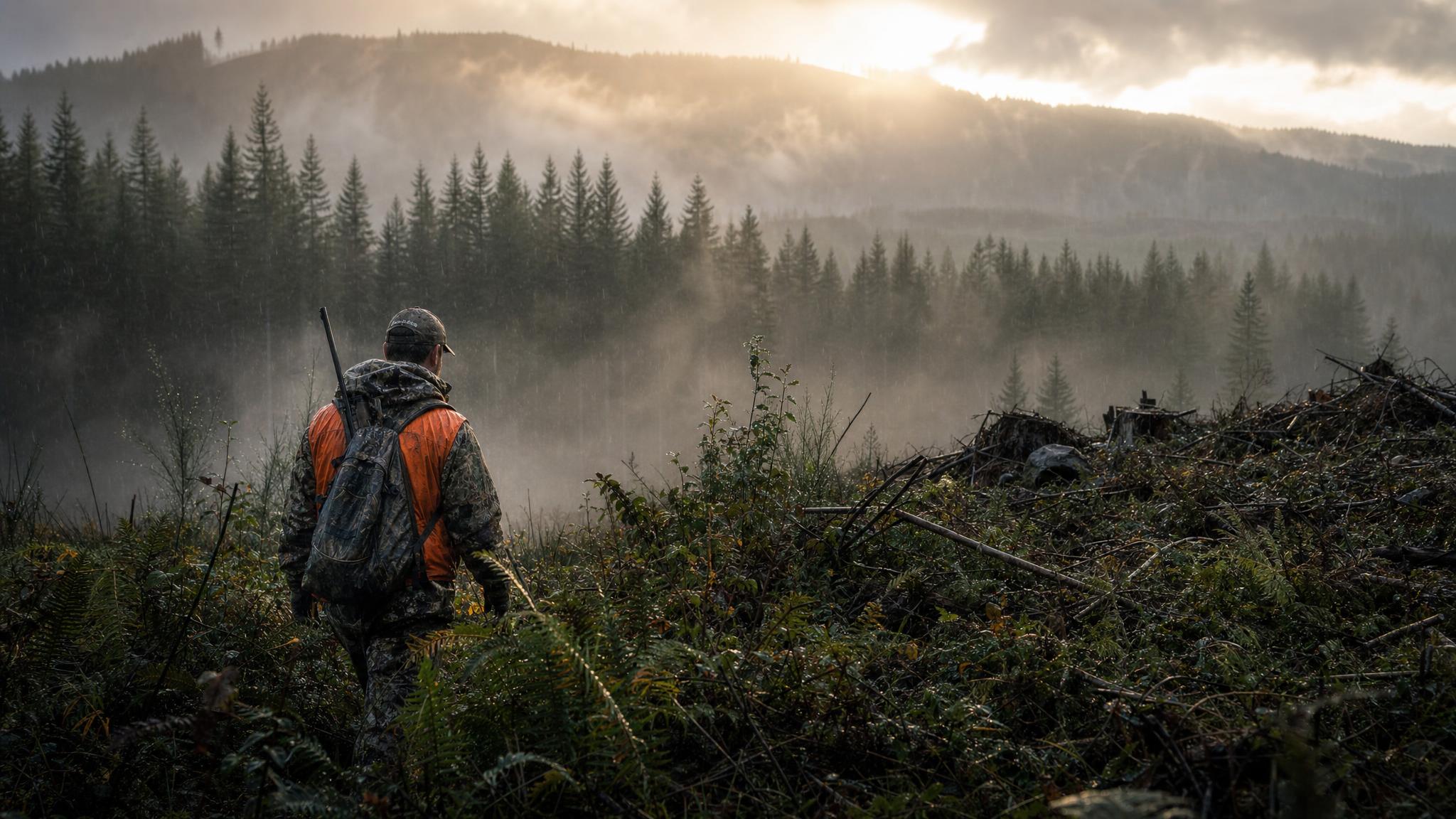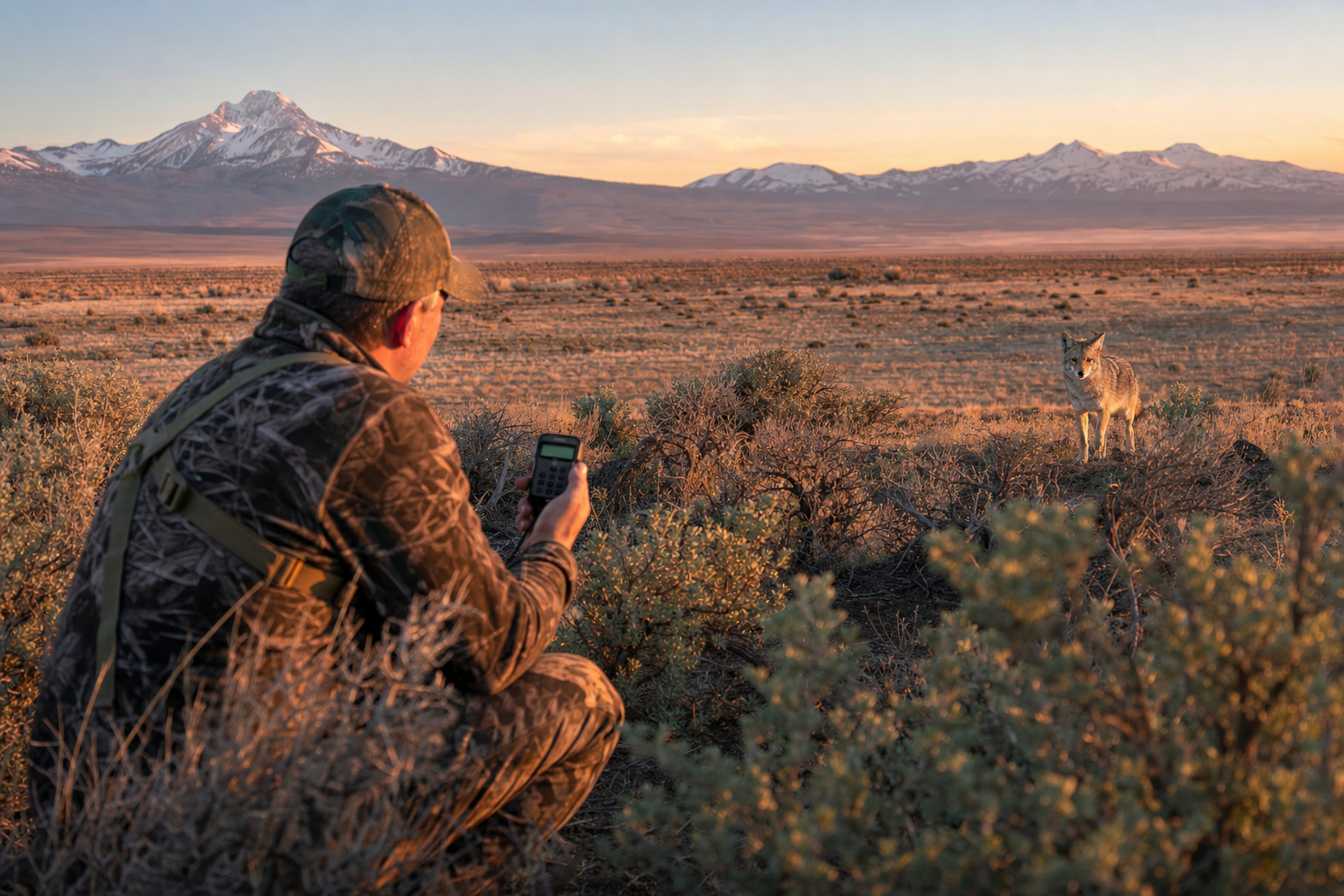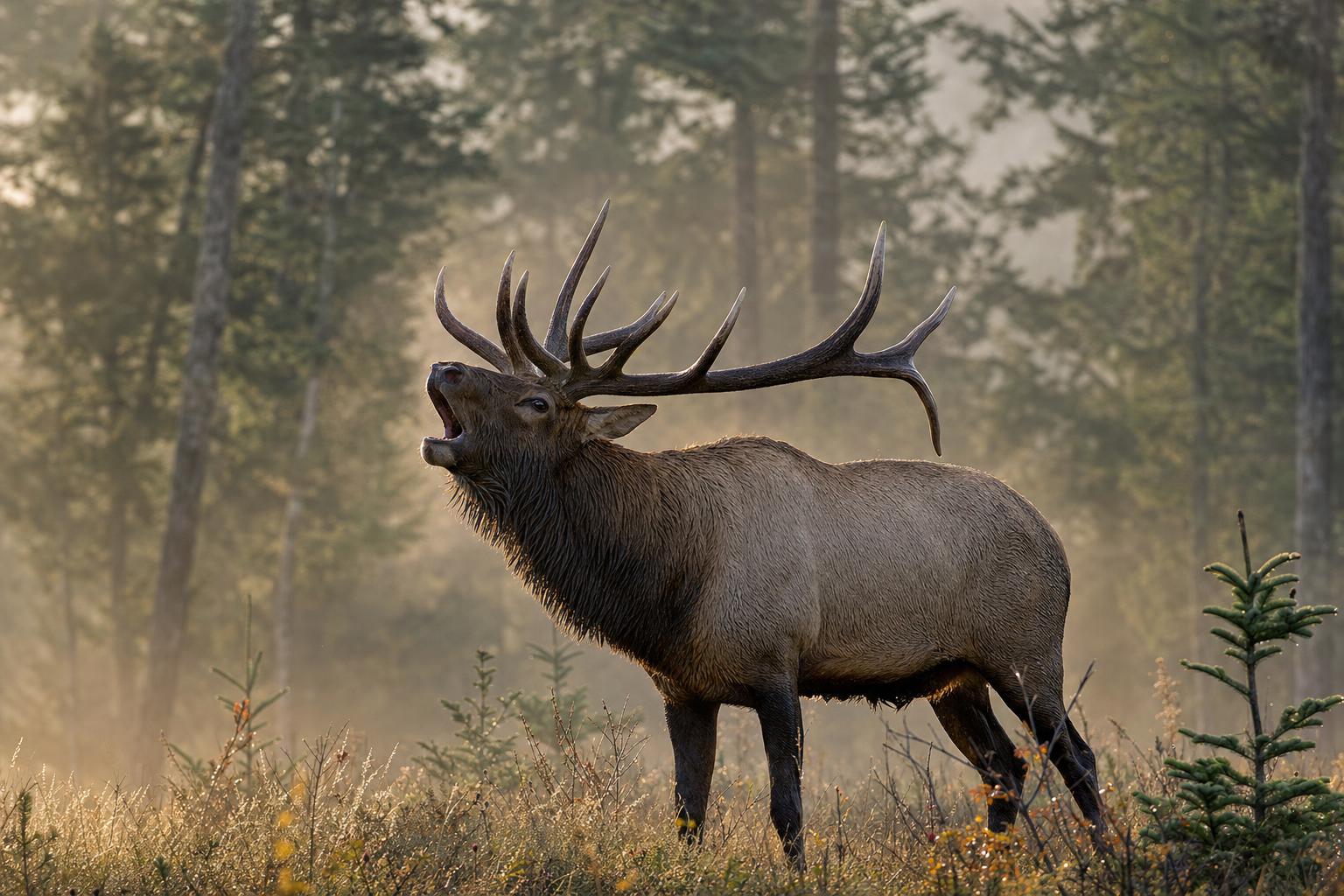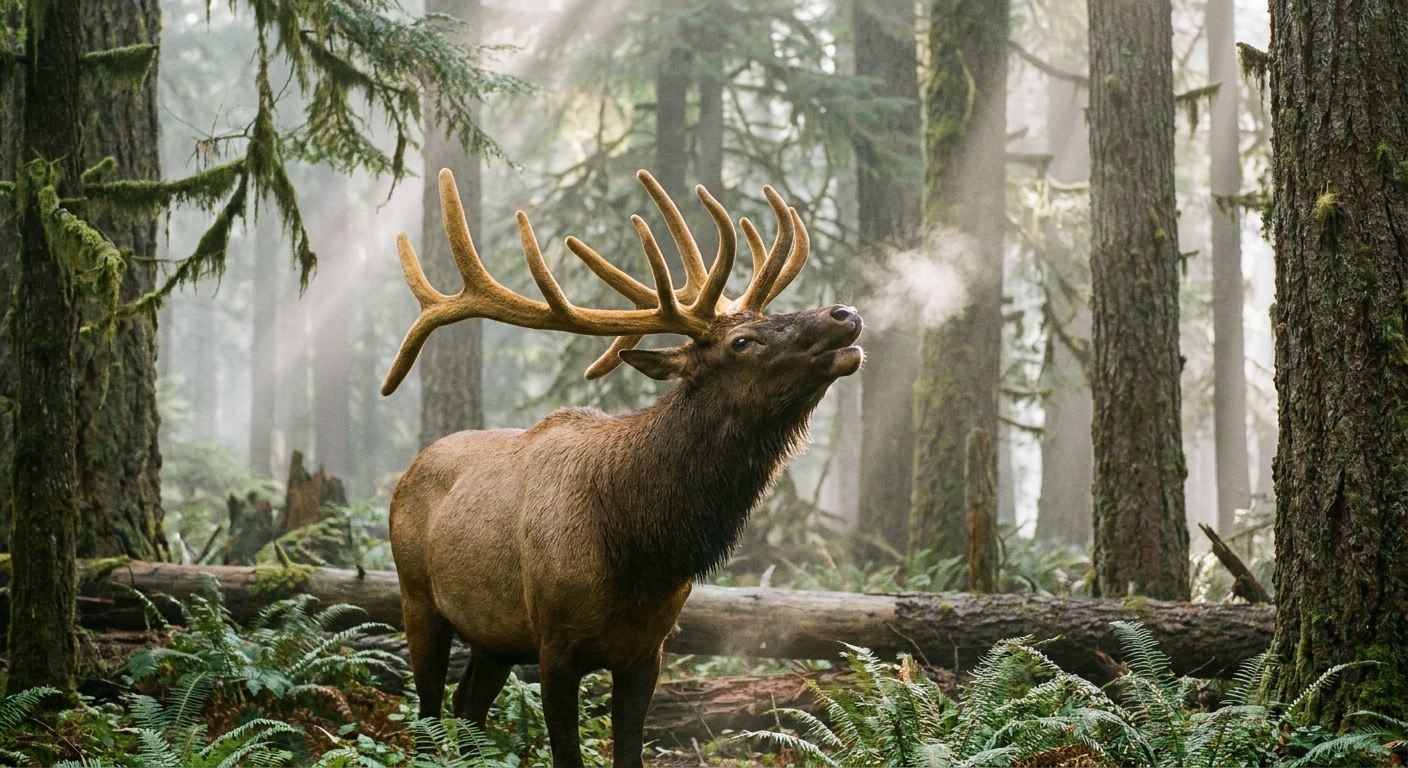
If you've drawn a tag for the Wenaha, Sled Springs, Chesnimnus, or Imnaha units in Northeast Oregon in recent years, you've hunted elk country that also hosts active wolf packs. Oregon's wolf population has expanded steadily from its reintroduction roots, and the northeast corner of the state now holds multiple established packs. For elk hunters, this isn't a political question — it's a tactical one. Wolves change elk behavior in ways that are well-documented and, once you understand them, predictable enough to hunt around. Here's what we've learned hunting these units when the dogs are present.
How Wolves Change Elk Behavior
The most immediate and consistent change is movement pattern disruption. In wolf-free country, mature elk bulls in the rut are relatively predictable — they bugle, tend harems in meadows and parks, and move through established corridors. When wolf packs are active in the same drainages, that open-country behavior compresses. The elk are still there, but they're spending more time in timber, moving less during daylight, and shifting from large open parks into brushy transition zones and steep north-facing slopes.
Research from the Northern Rockies consistently shows the "ecology of fear" effect — elk in wolf country use terrain differently. They spend less time in valley bottoms and meadows, more time in escape terrain. On a practical level, that means:
- Less bugling activity in open parks, even during peak rut
- More nocturnal or crepuscular movement
- Smaller, more scattered herds rather than large concentrated groups
- Increased use of steep, timbered north aspects
- More sensitivity to pressure — elk that have been pushed by wolves are already on high alert
Scouting Adjustments in Wolf Units
Pre-season glassing strategy needs to shift. Instead of targeting the large open south-facing basins and meadow complexes you'd focus on in traditional elk country, put your glass on transition zones — the edges where open parks meet heavy timber, brushy creek bottoms, and the first 200 yards of north-facing timbered slopes above open areas.
Trail cameras are particularly valuable in wolf country because they document actual movement times without your presence. Set cameras on rubs, wallows, and saddles in September. If your cameras are running mostly at 2 a.m. and 4 a.m., you have nocturnal elk — common in heavily wolfed drainages. That tells you to focus on first and last light at the very edges of openings, not mid-morning calling sessions in open parks.
Also look for wolf sign. Fresh tracks and scat tell you where the pack's been working. Elk pushed by wolves will often move fast across open country and pile into the first heavy timber they reach — if you know the terrain well enough to position yourself at those timber edges before the elk get there, you're in a good spot.
Calling in Wolf Country: Tone It Down
This is where elk hunters from outside the region sometimes make a critical mistake. The aggressive locator bugling and loud challenge-bugling that works well in low-pressure elk country can actually be counterproductive in wolf-pressured units. Here's why: wolves communicate with howls. An elk that has been chased by a pack is not going to respond positively to loud, aggressive vocalizations from an unknown direction. They've been conditioned to associate strange sounds with danger.
Shift your calling approach:
- Reduce volume — use a mouth reed or tight-bore tube to produce softer, mid-range bugles rather than full-throated challenge bugles with an open-ended tube
- Cow call more, challenge less — soft mews, chirps, and estrus calls suggest safety and normalcy rather than competition
- Increase silence time — call, then wait 10 to 15 minutes rather than repeatedly working the call. In wolf country, a bull that's interested will often approach silently without answering
- Rake at treelines, not openings — if you're raking antler simulators, do it at the edge of timber where a bull can approach covered. An elk that's been pressured by wolves is not going to walk 400 yards across an open park to investigate noise
Unit-Specific Notes: Where the Packs Run
The Imnaha Pack has been documented in and around the Imnaha River drainage and portions of the Chesnimnus Unit for years — this is mature pack territory and elk behavior here is well-adapted. Hunters in these units should expect to work for every bull and plan for timber hunting rather than open-meadow hunting.
The Wenaha Unit, particularly the wilderness core, has seen periodic pack activity. The Wallowa Mountains units (Minam, Upper Grande Ronde) have had wolves moving through but pack establishment has been less consistent — behavior here is more variable and traditional tactics still work in portions of these units that haven't been heavily used by packs in recent seasons.
Check ODFW's wolf management reports pre-season. They publish general pack location data that can tell you which drainages are seeing regular activity and which are more peripheral. This matters — a bull that's been harassed by wolves all summer is a different animal than one that only occasionally crosses pack territory.
The Silver Lining
There's one genuine advantage to hunting in confirmed wolf country: competition from other elk hunters drops off significantly. Units with a reputation for wolf activity see fewer applications and lower hunter density — which means less pressure, less pressure-displaced elk, and better odds of finding undisturbed animals once you identify where they've settled. The hunters who figure out wolf-country elk consistently are the ones who adapt rather than complain, and they often have some of the finest timbered elk country in Oregon largely to themselves.
This fall, go in with realistic expectations, lighter calling, and a willingness to work steep timber country on your hands and knees. The bulls are still there. They're just operating by a different set of rules now.