If you've ever watched a shooter ring a 12-inch steel plate at 1,000 yards and thought "I want to do that," welcome to Precision Rifle Series (PRS) competition. Long-range precision rifle shooting has exploded in the Pacific Northwest over the last decade, and Oregon has the ranges, the terrain, and the shooting culture to support some of the most challenging and rewarding rifle matches in the country. Here's what you need to know to get started.
What Is PRS Competition?
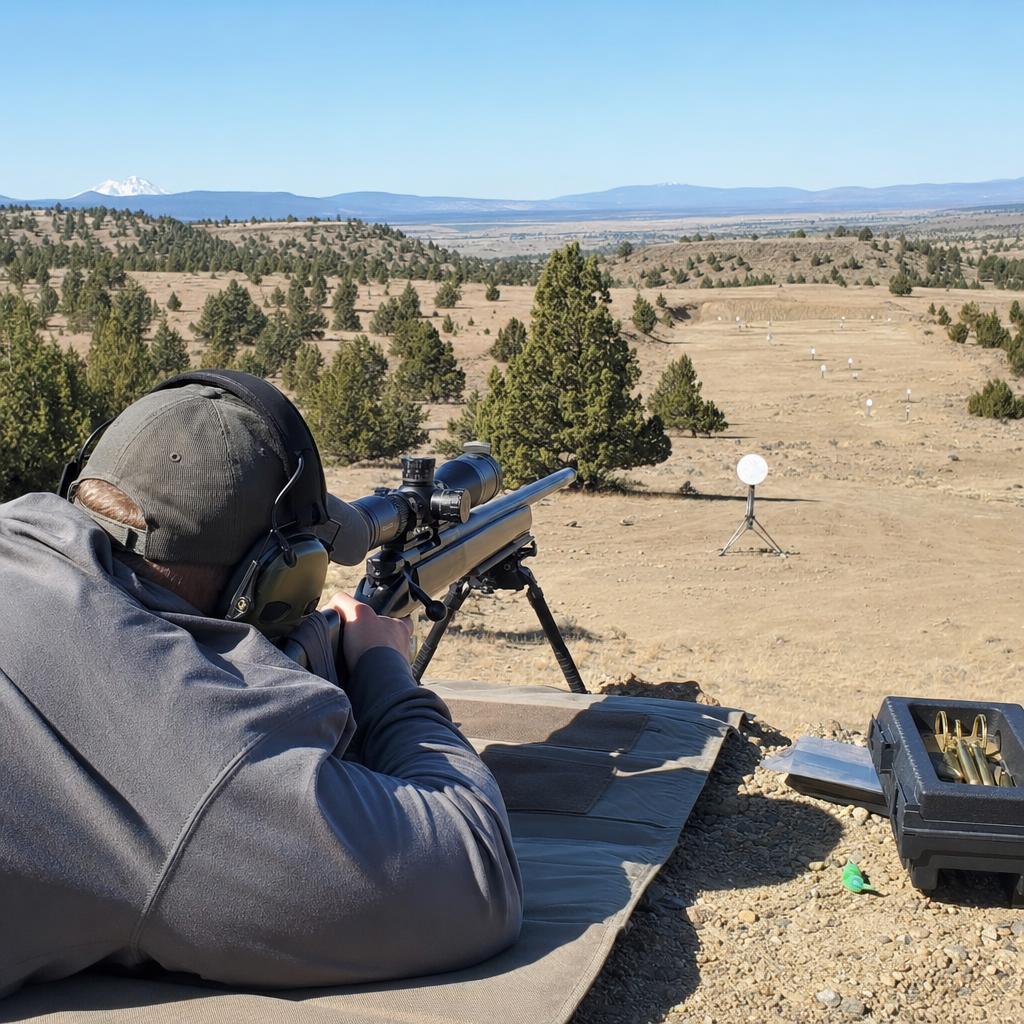
PRS stands for Precision Rifle Series — a national competitive shooting organization that runs matches designed to test practical long-range marksmanship under time pressure and from challenging field positions. Unlike benchrest or F-Class competition (where you shoot from a fixed, stabilized position), PRS stages simulate real-world shooting: you're given a time limit of 90–120 seconds, a position you've never shot from before (barricades, cars, ladders, rooftops), and a set of steel targets ranging from 200 to 1,000+ yards.
There are no do-overs. Make hits under pressure or the clock runs out. It's the most honest test of a rifle shooter's actual field skills that exists, and it's addictive.
Oregon PRS Venues and Clubs
Oregon has excellent infrastructure for long-range shooting:
- Siskiyou Sportsmen's Association (Medford area): Hosts PRS and precision rifle matches, long-range steel capability out to 1,000 yards in the Rogue Valley
- Izaak Walton League – Portland Chapter: Long-range facility north of the metro, regular precision rifle practice days
- Central Oregon Shooting Sports Association (Bend): One of the fastest-growing precision rifle communities in the state, with access to high-desert terrain and excellent wind-reading conditions
- Josephine County Sportsmen's Association (Grants Pass): Long-range ranges with steel available for practice and club matches
- Prineville area private ranges: Several central Oregon properties host informal 600–1,200 yard steel matches — check local social groups for access
The Rocky Mountain Precision Rifle Series (RMPRS) and local affiliated matches draw Oregon shooters to Idaho, Washington, and Montana matches as well — the PNW precision rifle community is tightly connected and welcoming to newcomers.
Gear to Get Started
You don't need a $5,000 custom rifle to compete at your first PRS match. Entry-level precision rifle can be done for well under $2,000 all-in. Here's the minimum kit:
The Rifle
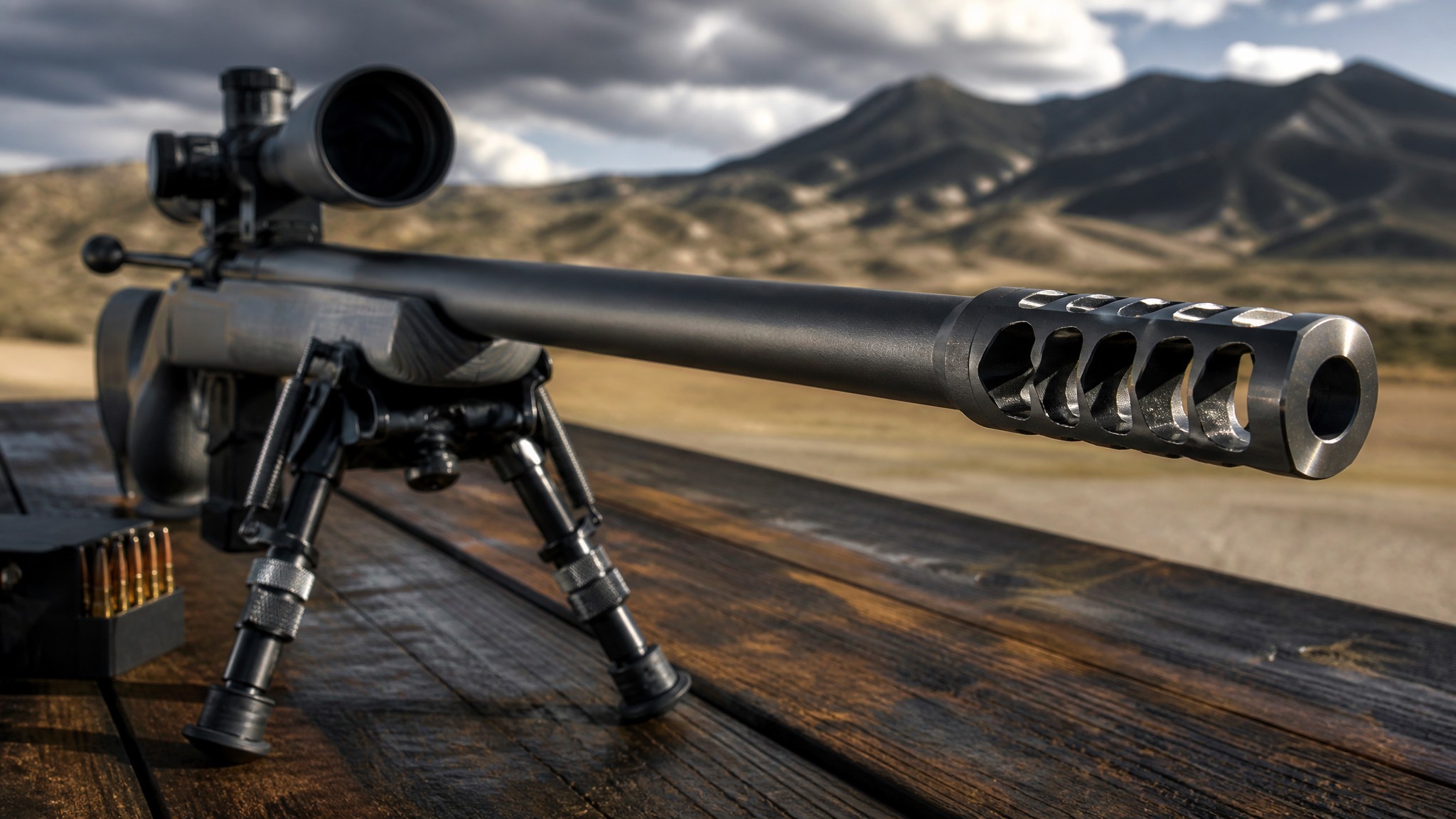
Start with a factory precision rifle in 6.5 Creedmoor, .308 Winchester, or 6mm Creedmoor. Top entry-level options:
- Ruger Precision Rifle (RPR): The benchmark entry-level PRS rifle, sub-MOA out of the box, chassis system, AICS magazine compatibility — ~$1,100–1,300
- Tikka T3x TAC A1: Excellent trigger, outstanding accuracy, chassis option, 6.5 CM or .308 — ~$1,500–1,700
- Bergara B-14 HMR: Outstanding value, factory sub-MOA guarantee, works well in PRS out of the box — ~$900–1,100
- Savage 110 Precision: Budget king, often sub-MOA, AccuTrigger, chassis-style stock — ~$700–900
The Optic
Your scope is where you should spend money. A poor scope on a great rifle loses; a great scope on a decent rifle wins. Minimum for PRS: first focal plane (FFP), 5–25x or 4–20x range, mil-based turrets and reticle, zero stop, quality tracking. Options:
- Vortex Viper PST Gen II 5-25x50 FFP: ~$800, excellent value, lifetime warranty
- Nightforce ATACR 4-16x42: ~$2,300, industry standard at PRS, exceptional clarity
- Kahles K525i: ~$2,800, Austrian-made, outstanding field of view and tracking
- Leupold Mark 5HD 5-25x56: ~$1,800, American made, excellent for budget-minded serious shooters
Support Equipment
- Bipod: Atlas BT10 or BT46 ($230–280) — the gold standard. Avoid cheap bipods; they cost matches.
- Rear bag: Wiebad Fortune Cookie or similar — you'll use it every stage
- Andromeda or similar barricade bag: Soft bags help you shoot off barricades without marring your rifle
- Dope book or ballistic app: Kestrel 5700 Elite with Applied Ballistics, or Hornady 4DOF — know your drops cold before the match
- Ear pro and eye pro: Electronic ear protection (Howard Leight Impact Sport or MSA Sordin) so you can hear the Range Officer
Cartridge Choice for Oregon PRS
The 6.5 Creedmoor dominates PRS nationally and in Oregon for good reasons: moderate recoil (you can see your trace and call shots), excellent BC bullets that resist wind drift, and factory ammo (Hornady Match 140 gr ELD-M) that genuinely competes at the club level. The 6mm Creedmoor has become the preferred choice at the top of the sport — flatter, faster, less wind drift — but it's harder on barrels (~2,000–2,500 rounds per barrel vs. 4,000–5,000 for 6.5 CM).
For your first year, shoot 6.5 Creedmoor. Don't overthink the cartridge question. Your position shooting skills will matter 10x more than the last 0.1 inch of wind drift.
Your First Match: What to Expect
Show up early. Every PRS match starts with a shooter's meeting that covers stage descriptions, target distances, and rules. Ask to shoot with an experienced squad — most clubs actively pair new shooters with veterans who are happy to coach.
Stages typically involve:
- A fixed time limit (usually 90–120 seconds for 5–10 rounds)
- Mandatory shooting positions (prone, kneeling, seated, off a barricade)
- Targets from 200–1,000+ yards, typically 6–20 inch diameter steel
- A mandatory "cold bore" first shot from a position you didn't get to zero from
Your first match, you will likely miss a lot. That's fine — everyone does. The goal is to learn, not to podium. Watch how experienced shooters manage their time, set up their support, and call the wind. You'll learn more in one match day than in months of bench shooting.
Training for PRS Between Matches
Dry fire is your most valuable training tool. Practice getting into position quickly, establishing a natural point of aim, and breaking a clean trigger press. Apps like MantisX can help with trigger technique. At the range, shoot positional drills — not benchrest groups. Set a timer. Shoot from your bipod. Shoot off bags. Shoot off barricades made of 2x4s in your backyard.
Wind reading is the other critical skill. Oregon's high desert — the Bend and Prineville areas — offers exceptional wind-reading practice because the wind is variable and consistent enough to punish mistakes. Spend time shooting at steel in the wind and learning to read mirage in your scope. It's the difference between podium finishes and "almost."
PRS competition is one of the fastest-growing shooting sports in the country, and Oregon's community is open, knowledgeable, and passionate. Get in touch with your local club, get a Ruger Precision Rifle and a decent FFP scope, and go ring some steel. You'll be hooked before the first match ends.