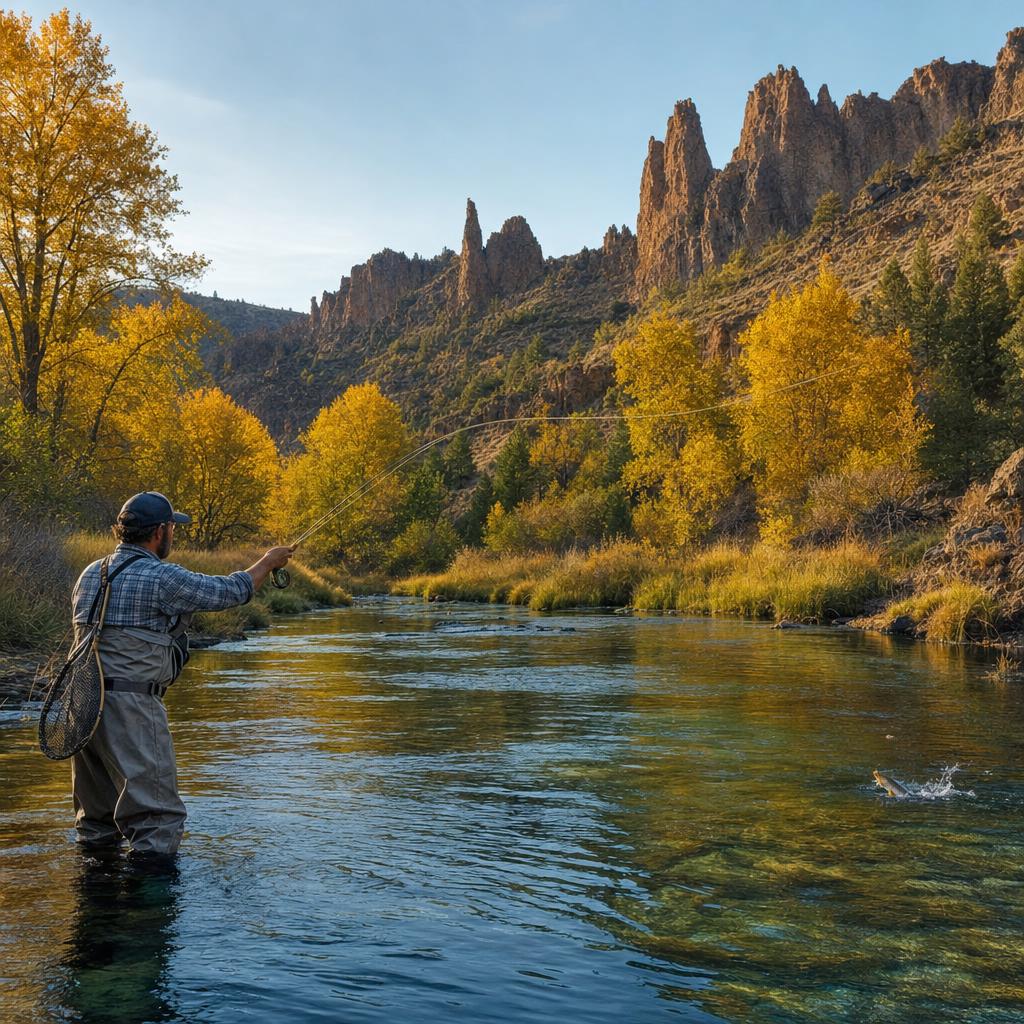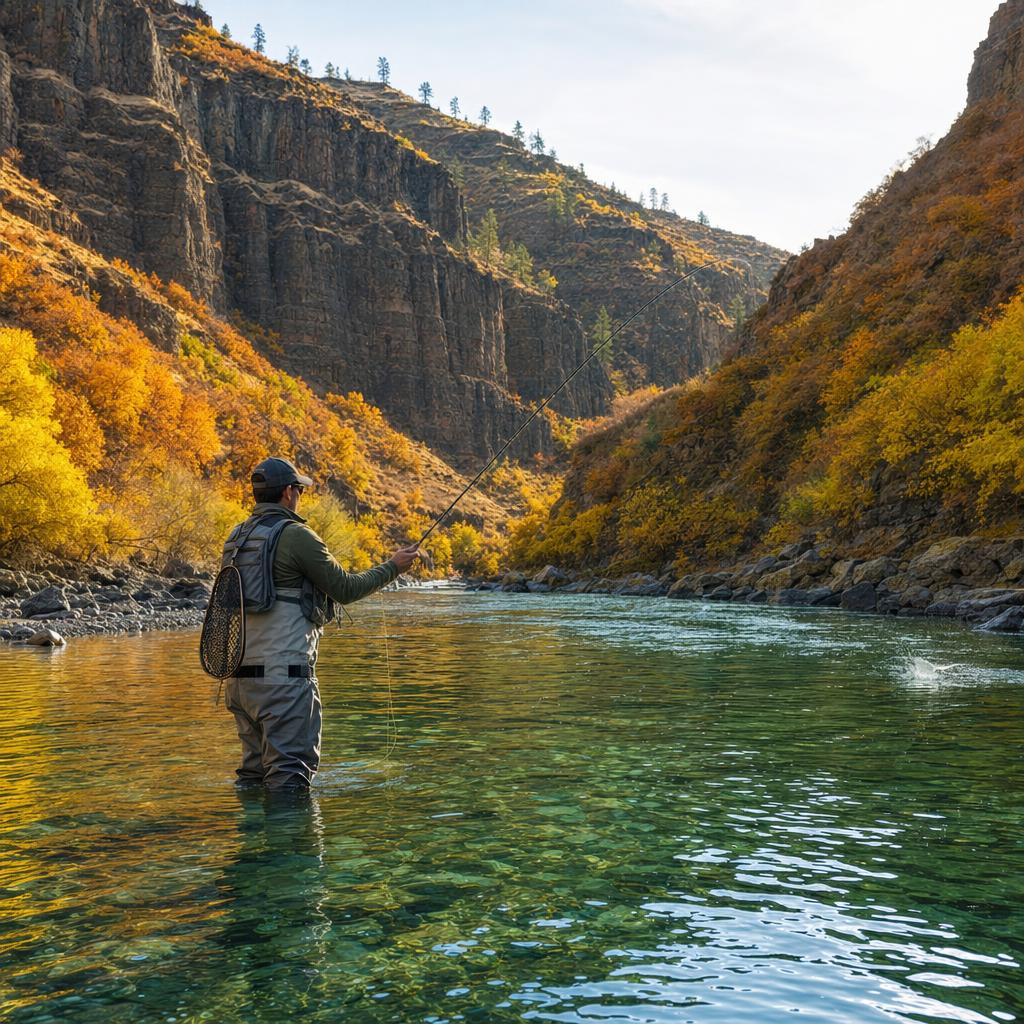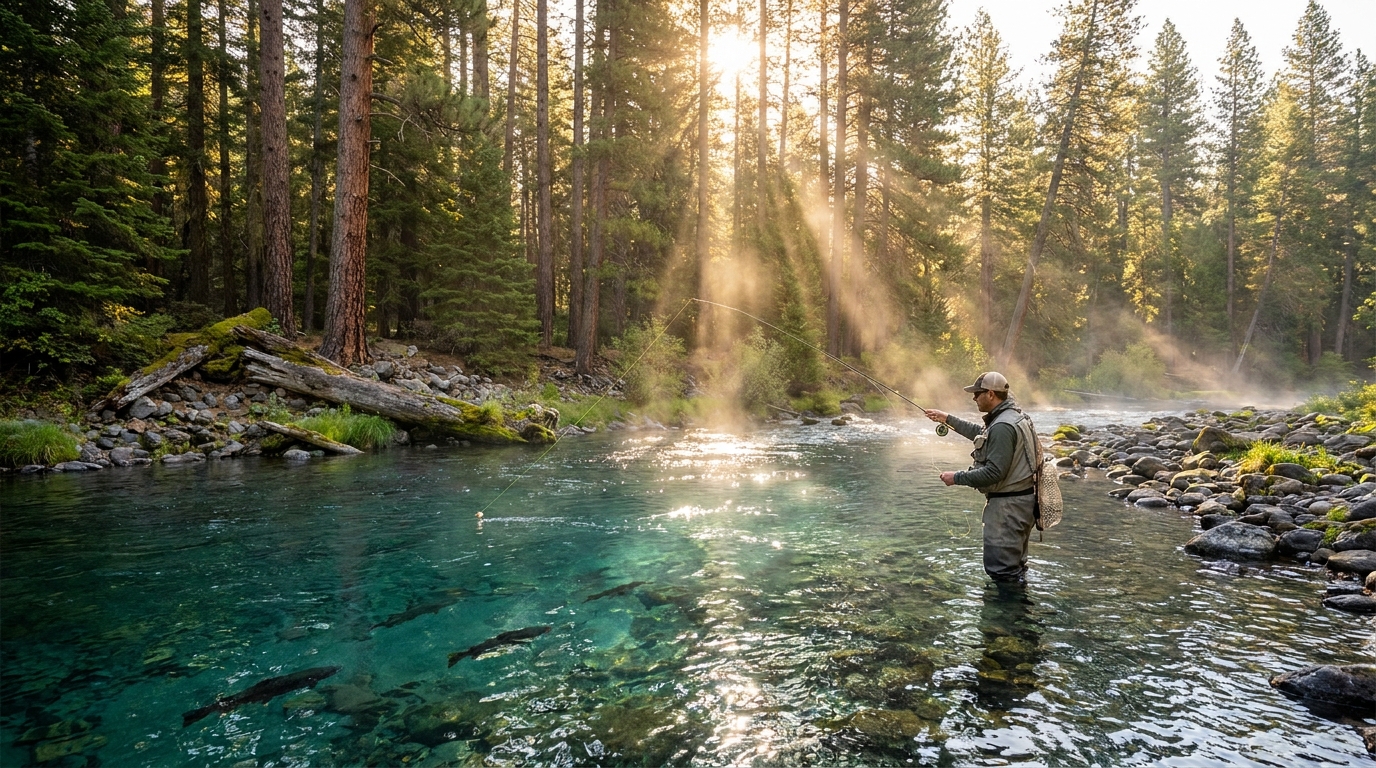
The Metolius River rises fully formed from a spring at the base of Black Butte in the Deschutes National Forest, runs cold and clear through a corridor of old-growth ponderosa pine, and empties into Lake Billy Chinook roughly 28 miles downstream. It does not warm up. It does not slow down. And the trout in it — almost exclusively wild redbands and bull trout — are some of the most educated, frustrating, and rewarding fish in the Pacific Northwest.
What Makes the Metolius Different
Most Oregon trout rivers have some variability — snowmelt runoff in spring, lower clear flows by August, a brief window of muddy water after a storm. The Metolius has none of that. Because it's spring-fed, the water temperature holds between 48°F and 52°F year-round, visibility is measured in feet of bottom structure, and the river runs at consistent flows regardless of season. That consistency is both the Metolius's great gift and its great challenge.
Fish can be in the same lies day after day, week after week. But they can also see your leader, detect drag instantly, and have been sipping BWOs since before you bought your current rod. Presentation here matters more than almost anywhere else in Oregon.
Regulations You Must Know
Before you wade in, review the current ODFW regulations carefully. The Metolius has some of the most specific rules on the river — sections that are catch-and-release only, artificial lures and flies only throughout, and a total closure above the spring head to protect spawning bull trout. Bull trout are a federally threatened species and must be released immediately if caught. Do not handle them out of the water. Know what a bull trout looks like before you fish here.
The river is open year-round in most sections, which makes it a valuable destination when other Central Oregon waters are off-limits or blown out.
The Hatches: What's Coming Off and When
The Metolius fishes best when there's surface activity, and fortunately the cold, nutrient-rich spring water produces strong hatches throughout the season.
- Blue-Winged Olives (BWO): The backbone of Metolius dry fly fishing. Baetis hatches occur throughout the year but peak in overcast, cooler conditions — fall and early winter are often exceptional. Match with Parachute Adams or CDC BWO in sizes 18–22.
- Pale Morning Duns (PMD): Mid-summer mornings bring PMD hatches that can trigger aggressive surface feeding. Sparkle Duns and CDC Comparaduns in size 16–18 work well.
- Trico Spinners: August mornings can produce spinner falls that require tiny patterns — size 20–22 Trico Spinners with white poly wings. Patience and long leaders are essential.
- Caddis: Evening caddis activity in May and June can produce the most aggressive takes of the season. Elk Hair Caddis and soft hackles swung through tailouts are classic approaches.
- Midges: Year-round. When nothing else is working, a size 20–24 midge cluster or Zebra Midge in the film will often find a willing fish.
Tackle and Leader Setup
This is not the river for a 9-foot, 5-weight and a standard 9-foot leader. You'll want a 10- or 11-foot rod for added line control and reach over currents, and leaders of 12–15 feet tapered to 6X or 7X tippet. Fluorocarbon tippet helps in the gin-clear water.
Keep your casting stroke tight and controlled. The Metolius has intricate braided currents even in sections that look calm — drag sets in fast, and the fish know it immediately. Use reach casts, pile casts, and strategic positioning to buy yourself the longest drag-free drift you can manage.
Where to Access the River
The Camp Sherman area, roughly 12 miles northwest of Sisters off Highway 20, is the hub of Metolius access. From there, the Forest Service maintains pullouts and trails throughout the lower canyon. The canyon sections below Lower Bridge are less pressured and worth the hike. Bring a good pair of wading boots with felt or rubber studded soles — the bottom is slick bedrock and cobble in many sections.
Keep in mind that parts of the river run through private property near Camp Sherman, and some posted sections are not accessible. Stick to clearly marked public access points.
Mindset for Metolius Fishing
Plan for a humbling day your first time. Fish will rise within 10 feet of you and refuse every fly you show them. Change flies, change tippet, change your position, and slow down. The Metolius rewards patience and observation over coverage and distance. Spend more time watching the water than you spend casting, and when a fish shows, study it before you cast.
When you do land a wild Metolius redband — chunky, bright-flanked, vivid red stripe — you'll understand why anglers drive past a dozen perfectly good trout rivers to get here. Handle them quickly, keep them in the water, and send them back fast. This fishery is worth protecting.