Oregon black bear are everywhere — from the coastal rainforests of the Coast Range to the ponderosa pine country of the eastern Cascades. The state holds an estimated 25,000–30,000 bears, and tags are relatively accessible compared to other big game. But having a tag and being able to consistently make the right field call are two different things. Too many hunters pull the trigger on small bears, sows with cubs out of frame, or young animals they'd have passed on if they'd known better.
Field judging black bears is a learned skill, and it starts with understanding that size is relative without reference points. Here's how to read a bear on the ground and make a confident go or walk-away decision before you draw.
The Body Size Framework
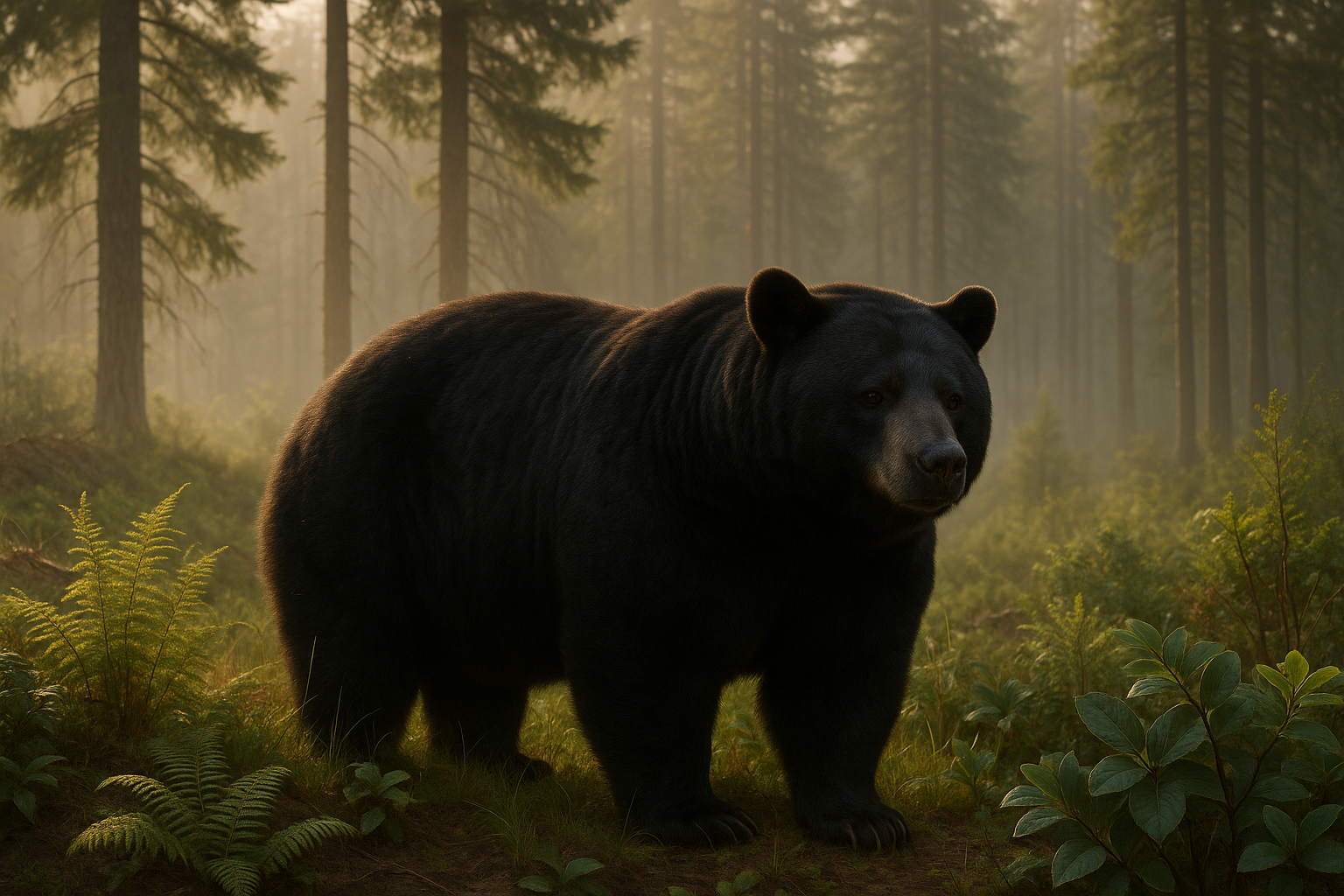
The first and most important tool in judging bears is the overall body proportions — specifically the relationship between the head, legs, and body. A mature bear looks like a different animal than a young one, even from 200 yards.
Head Size and Shape
On a mature bear — particularly a mature boar — the head looks small relative to the body. This sounds counterintuitive, but it's because the body is massive. The ears appear small and rounded, set wide apart, and the forehead looks flat and wide. The muzzle is long and blocky. On a young bear or a sow, the ears look large and upright, the forehead appears domed, and the face has an almost cute, button-nosed quality. If the ears look big relative to the head, you're likely looking at a young animal.
Leg Length
Young bears have long-looking legs relative to their body depth. A mature boar has legs that look short and stubby — swallowed by the mass of body above them. When a big bear walks, it looks low-slung and powerful, almost like a furry tank. A young bear or sow moves with its legs more visible and its belly relatively high off the ground. Watch a bear walk across an open slope and this difference becomes obvious.
Belly Sag
A mature, healthy bear in late summer or early fall will have a significant belly that hangs low, swinging slightly as it walks. This is a combination of a true big body and the hyperphagia fat reserves bears accumulate before denning. A young bear or a bear in poor condition will have a straighter underline with less hang. Belly sag isn't a definitive indicator on its own, but combined with other markers, it confirms maturity.
Rump Height vs. Shoulder Height
Look at the bear's profile when it's standing or feeding on all fours. On a mature boar, the rump is typically at or slightly higher than the shoulder — the rear end looks massive and round. On younger bears, the shoulder often appears level with or higher than the rump. The "big butt" profile of a mature Oregon boar is a reliable age indicator.
Color Phases in Oregon
Oregon black bears come in more than just black. While the majority of coastal bears are true jet-black, eastern Oregon and Cascade bears frequently show brown, cinnamon, and blond color phases. All are the same species — Ursus americanus — and all are legal to harvest under a standard bear tag. Color phase has no relationship to age, size, or sex. Don't make the mistake of assuming a cinnamon bear is a grizzly; grizzlies are not established in Oregon's hunting zones.
A practical field note: color phase can affect how a bear looks in various lighting conditions. A cinnamon bear in bright morning sunlight can look almost blond; a wet black bear in shadow can appear dark brown. Always look at body shape, not just color, to make your determination.
Identifying Sows with Cubs
Shooting a sow with cubs is both illegal in Oregon and the kind of mistake that haunts hunters. Cubs typically stay with their mother through their first full year — sometimes into the second. Here's how to identify a family group:
- Watch before you shoot. Give any bear you're considering 5–10 full minutes of observation before drawing your bow or putting your finger anywhere near a trigger. Cubs often trail behind a sow by 30–60 yards, and they may be hidden in brush when you first glass the adult.
- Look for smaller companions. Cubs don't always appear immediately beside the sow. Glass the surrounding terrain — especially adjacent brush piles, downed logs, and tree bases.
- Sow body shape. Adult sows tend to be narrower in the shoulders than mature boars of the same weight. They may also appear more angular in the face. However, a fat late-summer sow can look similar to a young boar, which is why behavioral observation matters more than any single physical cue.
- When in doubt, wait. Oregon law makes the shooter responsible for identifying their target. If you can't confirm no cubs are present, the responsible decision is to give the bear more time.
Estimating Weight and Size
Oregon bears average 150–350 pounds for mature boars, with exceptional animals reaching 400–500 pounds. Use reference points in the environment to calibrate your estimate:
- A mature bear's body, from nose to base of tail, typically spans 4.5–6 feet
- Compare the bear's body height at the shoulder to known vegetation — knee-high grass, fence posts, brush height
- In a bait-hunting setup, the bait barrel itself is your best size reference — you know exactly how big it is
- On a spot-and-stalk, use your rangefinder to estimate the bear's body length from that distance
The Walk-Away Decision
Even if a bear is legal to take, the best hunters pass on animals they're not confident about. Oregon's spring and fall bear seasons give you multiple opportunities. A young boar that's three years old this fall will be a 250-pound animal in two to three years. Making the pass is an investment, especially on public ground you return to annually.
The walk-away cues are clear: big ears relative to the head, long legs, narrow face with a domed forehead, belly off the ground, rump at or below shoulder height, any sign of cubs. If you see two or more of these, you already know what to do.
Build your observation time before the season by reviewing trail camera photos and studying comparative bear images from ODFW. The hunters who consistently take mature Oregon bears aren't the most aggressive — they're the most patient.