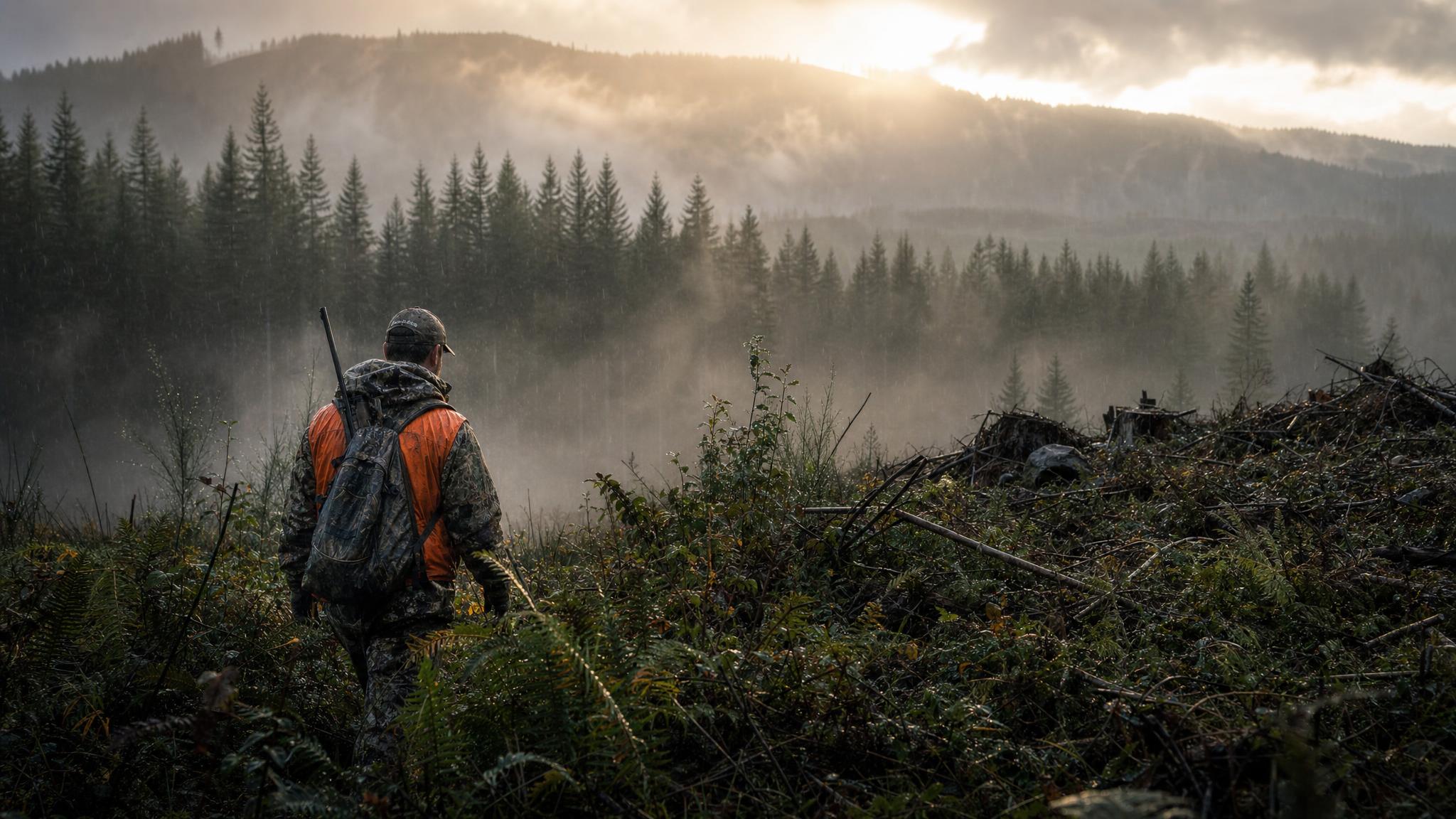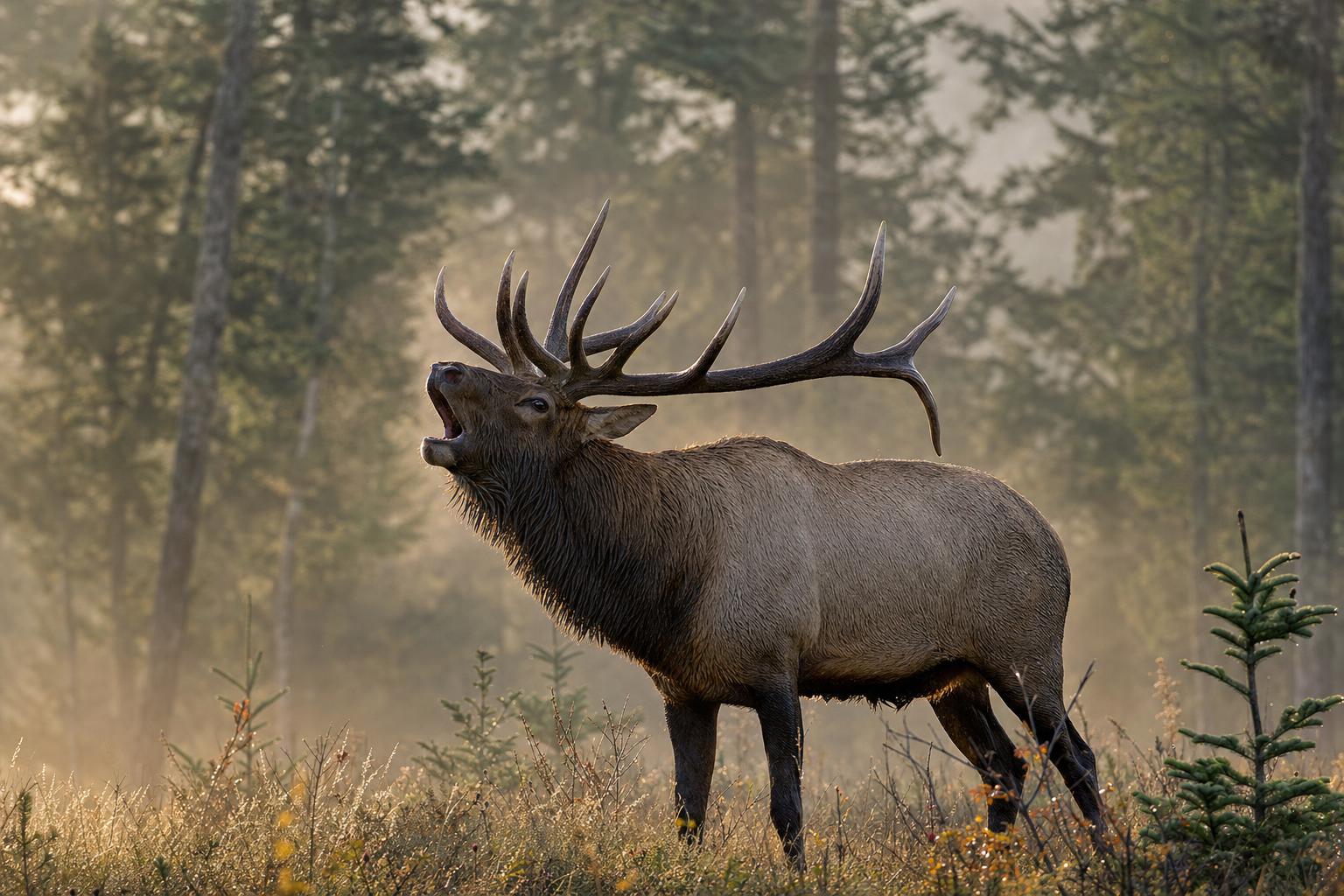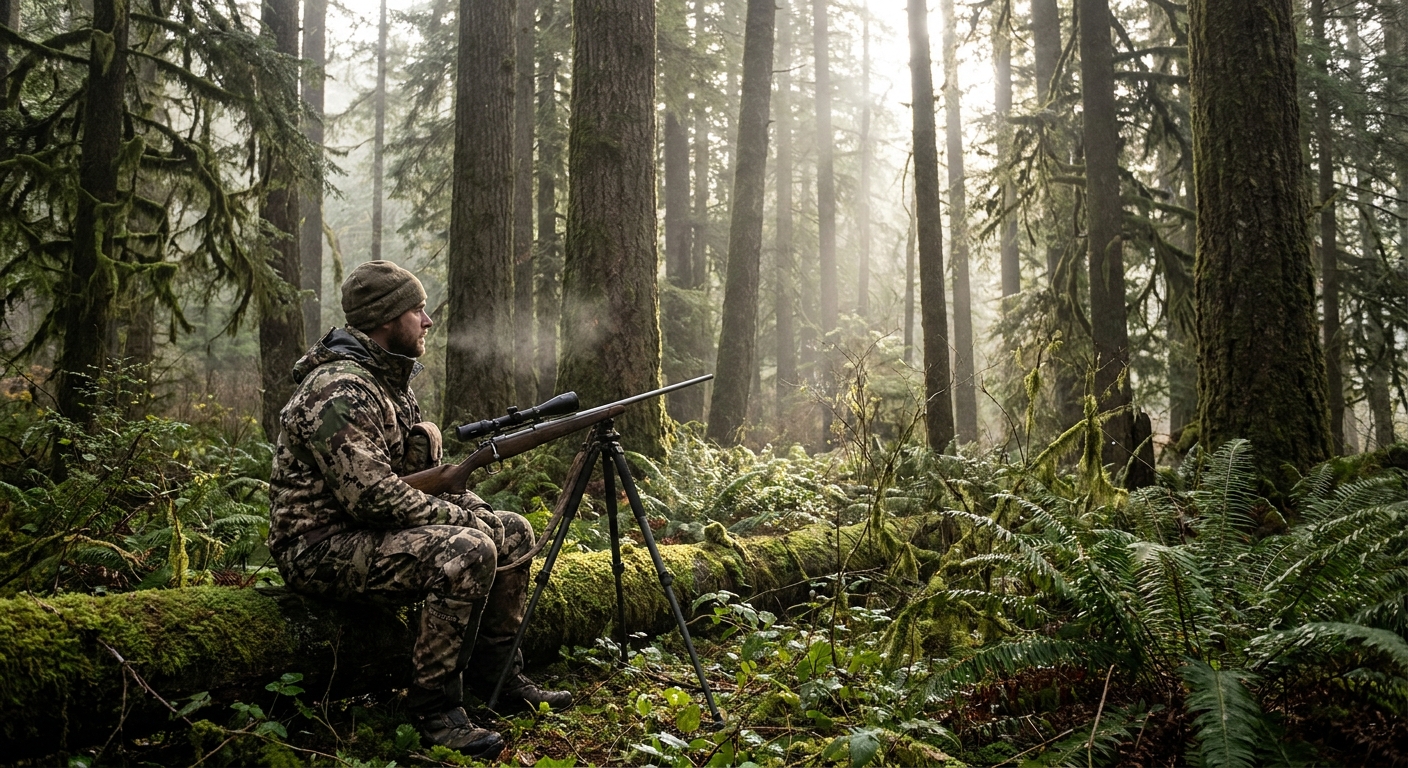
Columbia blacktail deer occupy a unique ecological niche in Oregon hunting. They live in some of the densest, wettest timber in North America, they are notoriously secretive, and they possess a kind of low-key cunning that humbles hunters who underestimate them. Opening day of the general archery or rifle deer season in the Coast Range is not a spectacle. The fog will be thick, the brush will be dripping, and your quarry will be largely invisible until it is standing fifteen yards away or vanishing into a clear-cut wall. That is exactly the appeal.
Units to Target
The Oregon Coast Range is divided into several deer management units relevant to blacktail hunters. The most productive public land units include:
- Alsea Unit: Good mix of BLM and state forest ground in Lincoln and Benton counties. Logging roads provide access and fresh clear-cuts provide early season browse.
- Siuslaw Unit: Heavy timber and fog. High deer density in the private timber matrix, but plenty of public BLM ground. Coastal influence means early velvet drop and good rut timing in November.
- Tioga Unit: Southern Tillamook and northern Lincoln counties. The combination of mature timber, recent harvest units, and creek drainages makes this one of the consistently best blacktail units in the state.
- Applegate and Illinois Valley Units: Southern Cascade transition zones with a mix of blacktail and mule deer genetics. More open than the northern units, which makes spot-and-stalk viable.
Early Season Patterns
The general rifle season for deer in western Oregon typically opens in late September or early October. At that point, bucks are still largely in summer pattern: nocturnal, thermal-sensitive, and predictable in their movements between bedding cover and early morning feed. The rut is still weeks away.
In the Coast Range, that means bucks will be found in transition zones between mature timber stands and younger clear-cut growth. Two to five-year-old timber units provide the brush and forb growth that blacktail need for summer fat. They bed in the mature timber uphill and move down to feed in low light. Hunt the edge between these two habitat types and you will find deer.
Morning Strategy
In Coast Range fog, glassing is limited. The classic western approach of sitting a ridge and glassing until you find a buck simply does not work in wet timber. Instead, focus on slow still-hunting along logging roads and skid trails that border clear-cut edges. Move at a pace that lets you stop and listen every 50 yards. Blacktail often reveal themselves by sound before sight. Learn to distinguish the deliberate crunch of a feeding deer from the quick burst of a spooked one.
Morning thermals in the Coast Range pull uphill as the fog burns off. Set up or still-hunt with the slope above you when possible so your scent rises away from bedding timber rather than into it.
Midday Moves
Blacktail, especially mature bucks, are more willing to move during midday in the early season than during the pre-rut. The dense canopy keeps temperatures cool enough that deer stay somewhat active through the middle of the day. This is a good time to move deeper into a drainage and cut for sign: rubs, fresh beds in fern, and tracks in the soft duff of skid trails.
Calling and Decoying
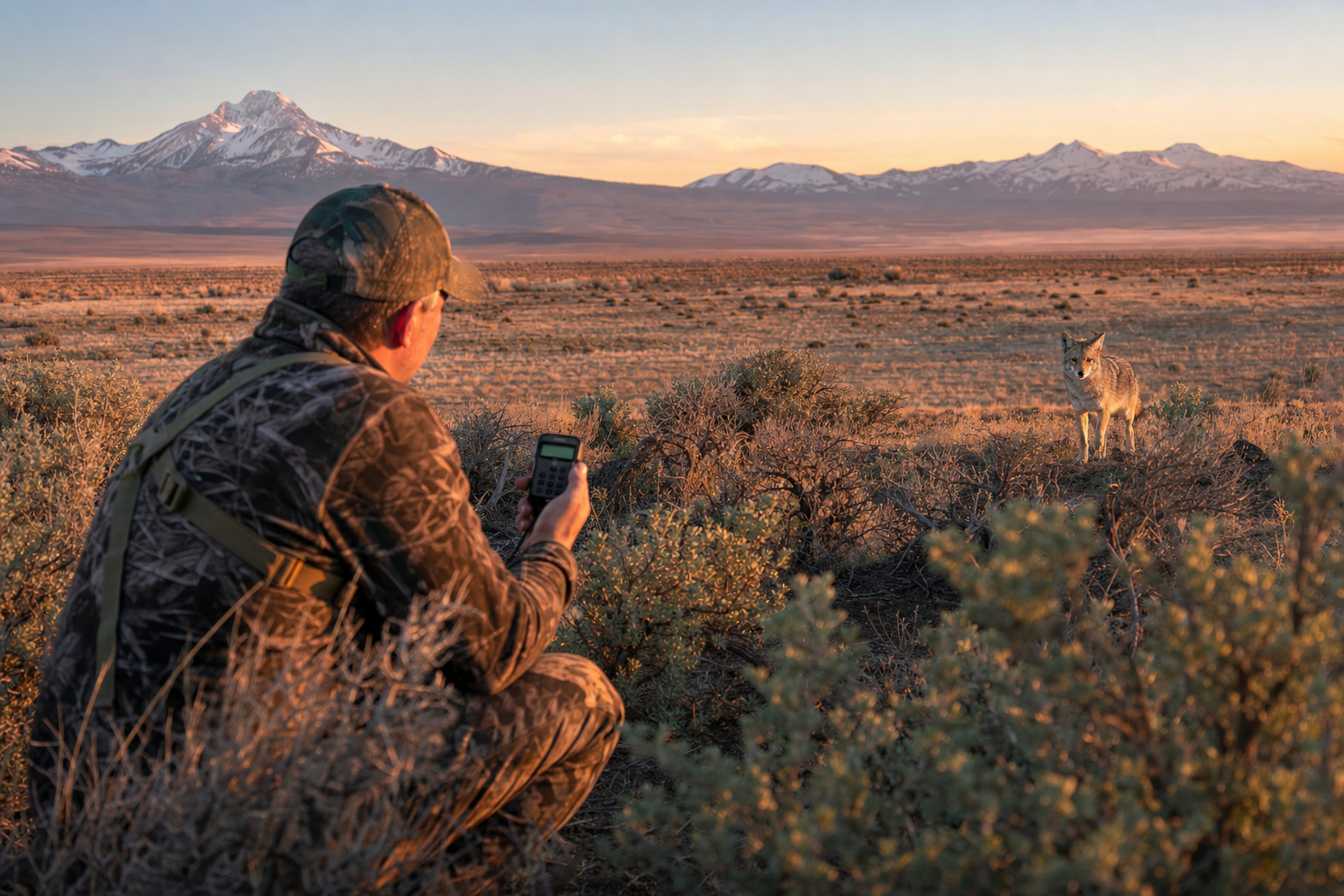
Pre-rut blacktail respond poorly to aggressive calling. Grunt calls and rattling are largely ineffective until the last week of October at the earliest. However, a soft doe bleat or fawn call can pull curious bucks from the timber during the early season. Keep it subtle and intermittent. Decoys can work in open clear-cuts but are logistically difficult in thick timber.
Shot Opportunities and Cartridge Choice
In the Coast Range, most shots at blacktail come inside 100 yards, often inside 50. This is not long-range country. A lever gun in .30-30, a short .308, or even a brush-capable round like the .35 Remington makes plenty of sense here. If you are running a flat-shooting 6.5mm or .270, keep your optic on a lower power setting and be ready for fast, short shots through timber gaps.
Blacktail are tougher than their size suggests. Use premium controlled-expansion bullets regardless of caliber, and be conservative about shot angle in the timber. A poorly hit deer that runs 80 yards into a brushy clear-cut can take hours to recover. Wait for a clear shoulder or broadside presentation.
Gear Checklist for Coast Range Opening Day
- Waterproof camo in a subdued pattern, not blaze orange until required by unit regulations
- Knee-high rubber boots for quiet walking on wet trails and creek crossings
- Compact binoculars for edge-of-timber glassing (8x32 or 8x42)
- GPS unit with downloaded BLM and state forest layers
- Pack frame and meat bags for a solo pack-out in steep terrain
- Rain gear that does not sound like a potato chip bag when you walk
- Blaze orange vest or hat where required by regulation
Final Thoughts
Blacktail hunting in the Coast Range is a test of patience, woodsmanship, and tolerance for discomfort. You will spend more time dripping and listening than shooting. But when a mature Coast Range blacktail materializes out of the fog at close range, it is one of the most satisfying moments in Oregon hunting. These deer are earned in a way that open-country hunting rarely demands. Do the homework, learn the terrain, and put in the mornings. The fog will eventually part for you.