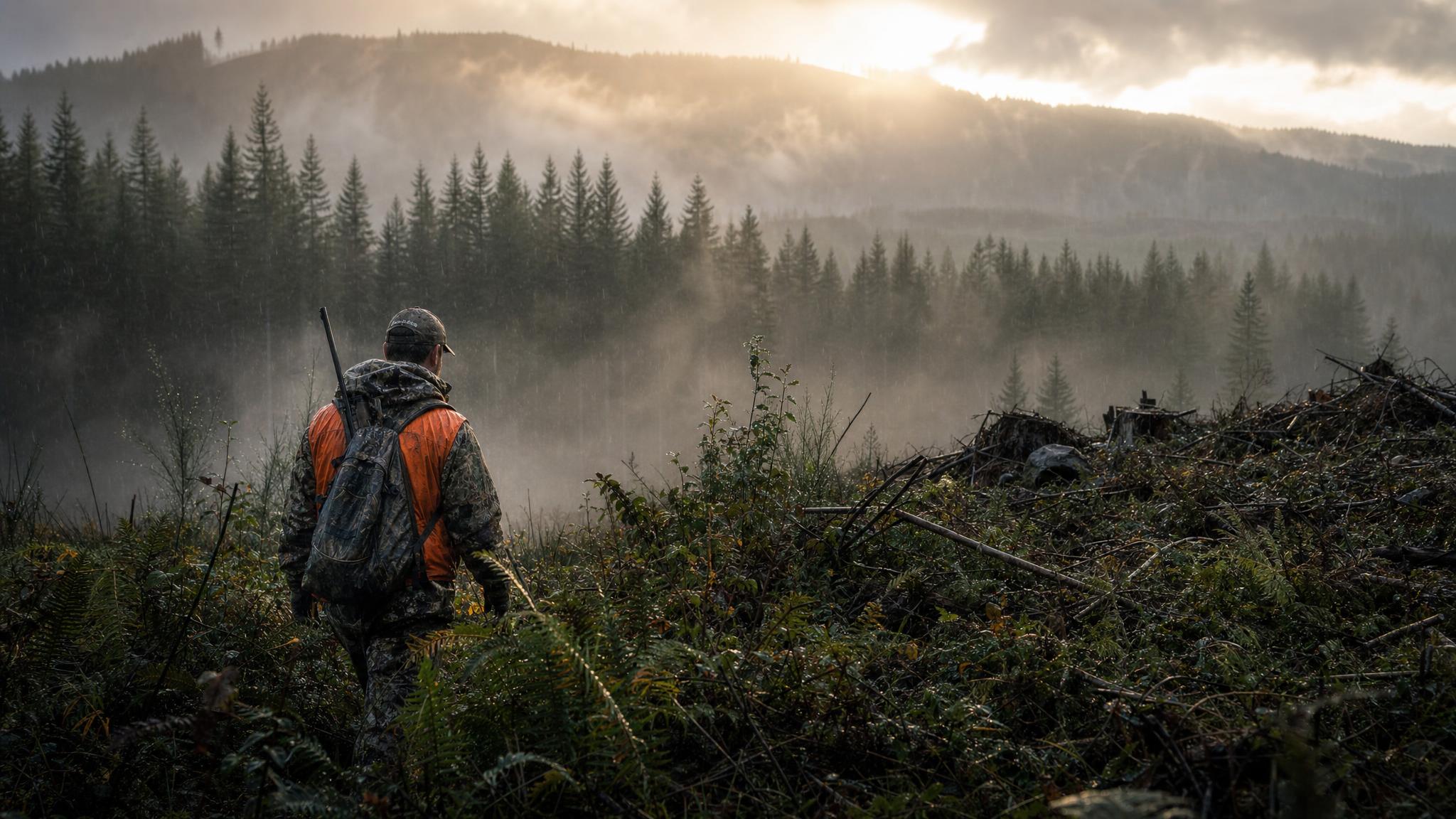
Crow hunting is one of Oregon's most overlooked hunting opportunities, and that's a shame. American crows are legal to hunt year-round in Oregon under a federal depredation order (with a valid Oregon hunting license and federal duck stamp not required), there's no bag limit, and the birds are arguably the most challenging calling target in the state. If you think crow hunting is easy, you've never hunted crows that have seen pressure.
Oregon Regulations Overview
Under the current federal framework, American crows may be taken in Oregon when they are depredating or about to depredate crops, livestock feed, or other agricultural interests, or when concentrated in a manner that threatens public health or safety. In practice, Oregon's year-round crow season operates with generous latitude in agricultural areas — the Willamette Valley, Klamath Basin farmland, and the irrigated fields of Eastern Oregon are all legal and productive areas.
Carry your Oregon hunting license. You do not need a federal duck stamp. Use non-toxic shot over water — if you're hunting near wetlands or drainages, steel or bismuth is required. Check current ODFW and USFWS regulations before each season as rules do evolve.
Why Crow Hunting is Harder Than It Looks
Crows are corvids — they are among the most intelligent birds in North America. They recognize individual human faces, communicate complex information within flocks, remember locations where they've been harassed, and learn from watching other crows die. A murder that gets shot at once will change its flight pattern for weeks. Hunting naive birds is fast and easy; hunting educated birds is one of the most demanding wingshooting challenges you'll find.
The key insight: crows are curious and territorial, which is what makes calling work. They will mob owls, hawks, and anything they perceive as a threat to the flock. Your goal is to trigger that mob response before they figure out you're the threat.
Location and Timing
The best crow hunting in Oregon occurs in agricultural areas with a mix of open feeding fields and nearby timber or hedgerows for roosting. Prime locations:
- Willamette Valley: The grass seed fields, corn stubble, and nut orchards of Linn, Benton, and Polk counties hold enormous crow populations. Post-harvest fields in fall and early winter concentrate birds heavily.
- Klamath Basin: The agricultural bottomlands around Klamath Falls and the grain fields near Tule Lake support large resident crow flocks year-round.
- Columbia River Basin: The Columbia Plateau in Umatilla and Morrow counties — wheat stubble, feedlots, and river timber — is classic crow country.
- Rogue Valley: The orchard country around Medford and the Applegate Valley holds crows year-round and is accessible from population centers.
Time your hunting to early morning as crows move from roost to feeding areas and again in late afternoon as they return. Midday can also be productive in areas with active crow movement, particularly near active roosts in timber.
The Setup: Concealment Is Everything
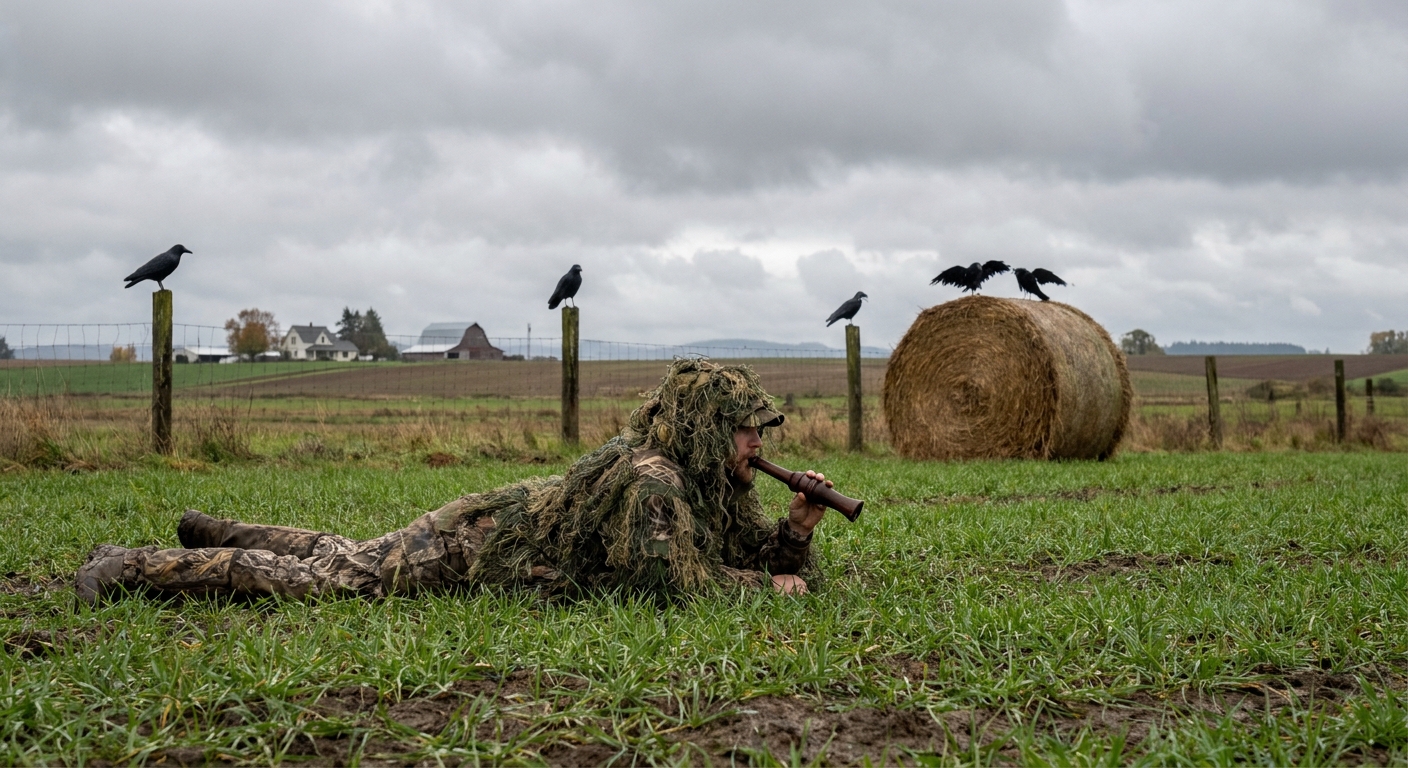
You cannot hide from a crow at close range. Their eyesight is superb, and they will flare hard at the slightest unnatural silhouette. Full concealment is non-negotiable:
- Use a layout blind in open fields or a natural brush pile at the field edge
- Face away from the sun — avoid backlighting your position
- Wear full camo including face mask and gloves — any skin flash will flare birds at 60 yards
- Never move while birds are approaching — wait until they commit
- Stay motionless after shooting — a second wave will often come in over the dead birds if you freeze
Decoy Spreads
Crow decoys are inexpensive and essential. A basic setup of 6 to 12 full-body or foam crow decoys placed 15 to 25 yards from your blind gets birds to commit. Add an owl decoy — a great horned owl or even a large barn owl silhouette — as the focal point. Crows hate owls. Place the owl prominently elevated (on a fence post, hay bale, or stake) and scatter crow decoys around it in an aggressive posture as if they're mobbing it. This is the classic and highly effective setup.
Motion decoys add realism. A spinning-wing crow decoy or a flapping-wing version increases visibility from distance and helps draw birds from farther away. Some hunters add a dead crow decoy or a mounted crow in a submissive posture near the owl for extra realism.
Calling Tactics
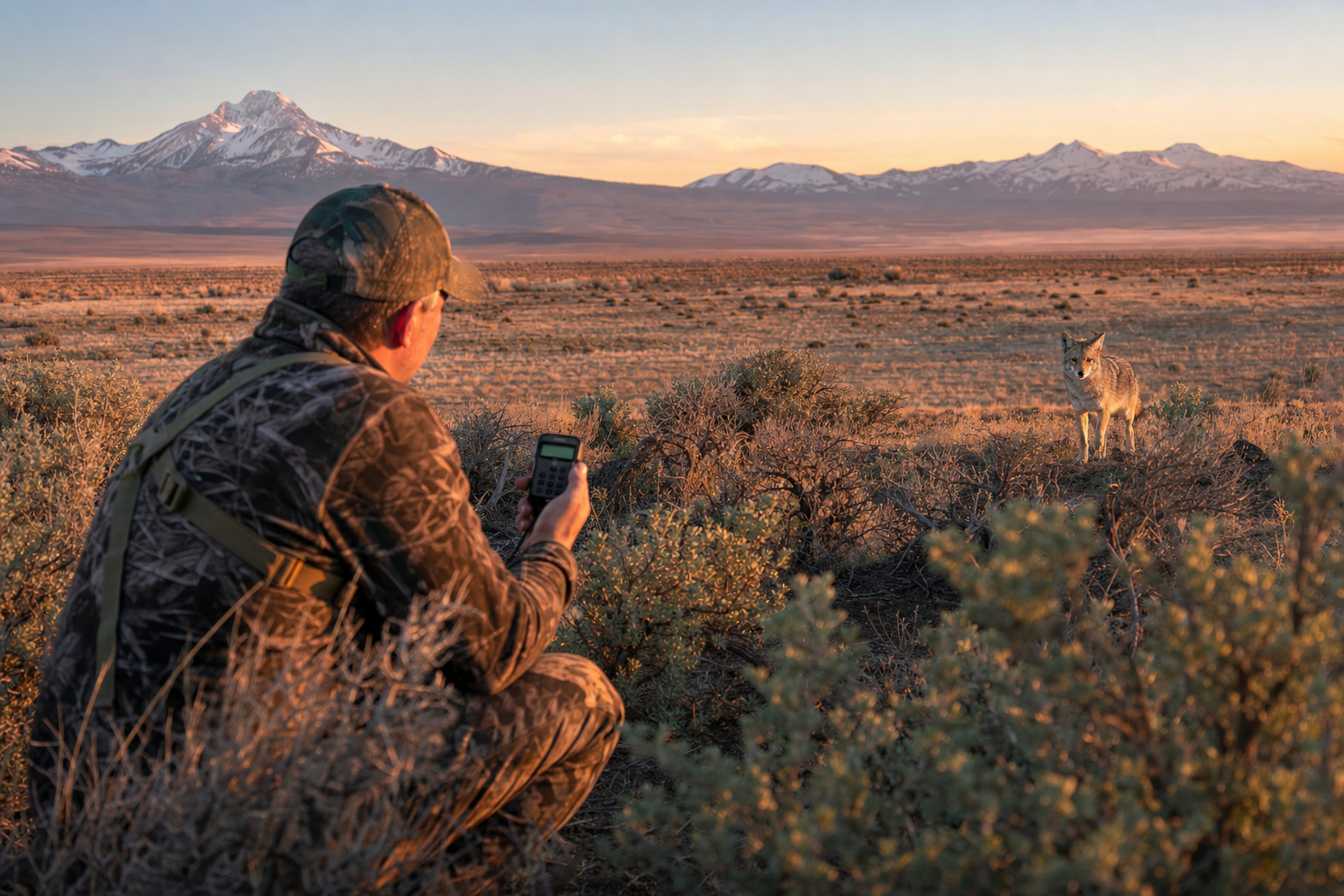
Electronic callers are legal for crow hunting in Oregon and are highly effective. The Montana Decoy or FoxPro units with crow-specific sounds are the most popular. Key sounds:
- Caw call (assembly/feeding): The standard crow call — draws birds from distance. Start here to get birds moving your way.
- Owl distress / crow fight: Once birds are close or showing hesitance, switch to the frantic, agitated crow calls around an owl. This is the trigger that brings birds in hard.
- Fighting crows: Aggressive, fast calls mimicking birds actively battling. Use when birds are circling but not committing.
Manual crow calls (the classic Lohman or Lynch crow call) work well and give you more control over cadence. Work them aggressively — unlike turkey or elk, you can't call too loudly for crows.
Shotgun and Load Selection
A 12-gauge with modified or improved-cylinder choke is the standard crow setup. Crows are tough relative to their size and tend to get shot at distance — use at minimum #4 or #6 shot in 1.25 oz loads. High-brass #6 in a 2.75-inch shell is an excellent all-around crow load. For longer passing shots on educated birds, stepping up to #4 shot pays off. Semi-auto shotguns shine here — repeat shots are common and the faster follow-up matters when multiple birds commit simultaneously.
Managing Educated Flocks
If a flock burns you — circles out of range, doesn't finish, or flares at the last second — rest that area for at least two weeks. Rotating between multiple setups and limiting shooting pressure per area keeps flocks in rotation and prevents learned avoidance. Many serious crow hunters maintain four or five stand locations and cycle through them on a two-week rotation throughout the season.
The Bottom Line
Oregon crow hunting offers year-round action, no bag limit, and an unmatched challenge for those who pursue educated birds seriously. It sharpens your concealment discipline, your calling skills, and your wingshooting — all while knocking back a species that is genuinely doing damage to the agricultural operations many Oregon families depend on. If you've never given crows a serious run, this summer is the time to start.