You spend hours on the bench shooting tight groups. Three-shot clusters that would stack dimes. You're confident in your rifle, your load, and your ability to shoot. Then opening morning comes, you spot a bull elk at 280 yards, rest your bipod on a rock, and squeeze the trigger on the first shot of the season — from a cold, clean, unfired barrel. Where does that round actually go?
For most hunters, the honest answer is: they don't know. And that gap in self-knowledge has cost more game animals than any other technical failure in the field.
What Is a Cold Bore Shot?
A cold bore shot (CBS) is the first round fired from a rifle that has been sitting unfired — ideally for several hours or overnight, with the bore at ambient temperature. This matters because rifle barrels are dynamic systems. The steel expands predictably as it heats through a shooting session, and most shooters unconsciously build their zero and their confidence around a warm or fouled barrel.
The cold bore shot often lands differently — sometimes 0.25 MOA off, sometimes 0.75 MOA or more — depending on the rifle, the load, and whether the bore was cleaned and left dry or left with a trace of oil. Every hunting rifle has its own cold bore behavior. The problem is most hunters have never bothered to characterize it.
Why It Matters More Than Your Group Size
Consider the math. A rifle that shoots half-inch groups but has a cold bore offset of 0.6 MOA produces a 1.7-inch first-shot dispersion at 300 yards versus the 1.5-inch you might expect from your groups. On a bull elk that's trivial. On a pronghorn buck at 350 yards with a tight vital zone, it's the difference between a clean kill and a wounded animal.
More critically, the cold bore shot is the only shot that matters in 90% of hunting situations. You rarely get a warm-up round in the field. The animal's first presentation is your shot, and your rifle's first round of the day is the one you're betting your tag on.
How to Characterize Your Cold Bore
This process takes three to five range sessions over the course of your pre-season prep, and it's worth doing right.
Step 1: Establish a Clean-Bore Baseline
Clean your rifle thoroughly — bore solvent, copper remover, dry patches until clean. Let the rifle sit overnight. The next morning, without firing any fouling shots, shoot a single round at a target at your standard zero distance (typically 100 yards). Mark the impact, then shoot a 3-shot group to establish your warm/fouled zero. Record both points of impact and measure the offset in MOA in both elevation and windage.
Step 2: Repeat with an Oiled Bore
Many hunters store rifles with a light coat of oil in the bore. Run one light patch through a clean bore, let it sit overnight, and repeat the process. A bore with residual oil frequently produces a more pronounced cold bore deviation — sometimes dramatically so on certain loads and barrel profiles. This is why many precision hunters and long-range shooters dry-fire a fouling shot into a safe backstop before glassing up for the morning hunt.
Step 3: Track Multiple Sessions
Do this four or five times. You're looking for repeatability. A cold bore offset that consistently lands 0.3 MOA high and 0.1 MOA right is manageable — you know it, you can compensate, and you can build it into your field shooting confidence. A cold bore that wanders randomly is a problem worth diagnosing before hunting season.
Practical Cold Bore Training Drills
- The One-Shot Range Session: Drive to the range with your rifle cold and clean. Fire exactly one shot — your pre-plotted cold bore shot — then pack up and go home. This builds discipline and gives you pure CBS data
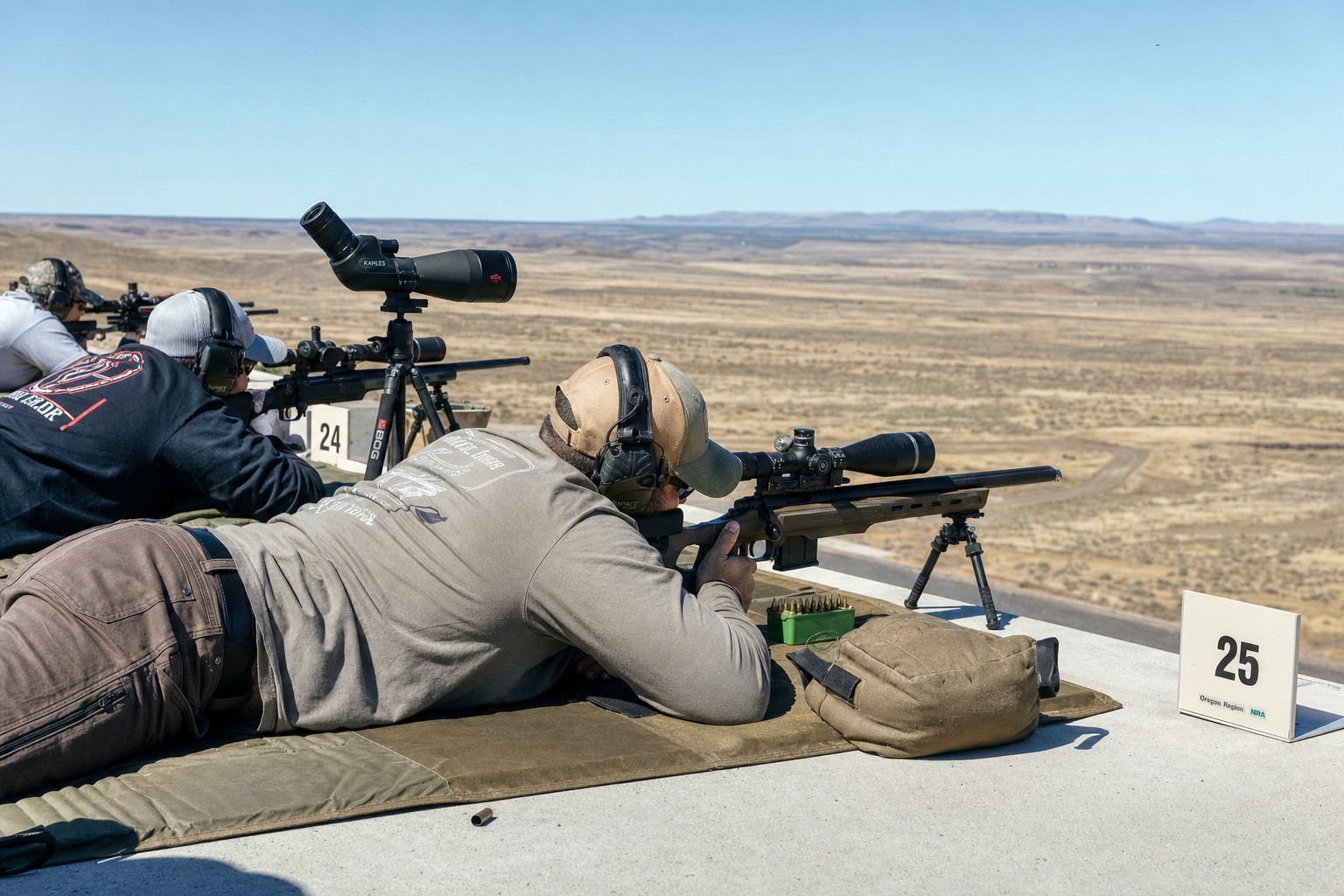
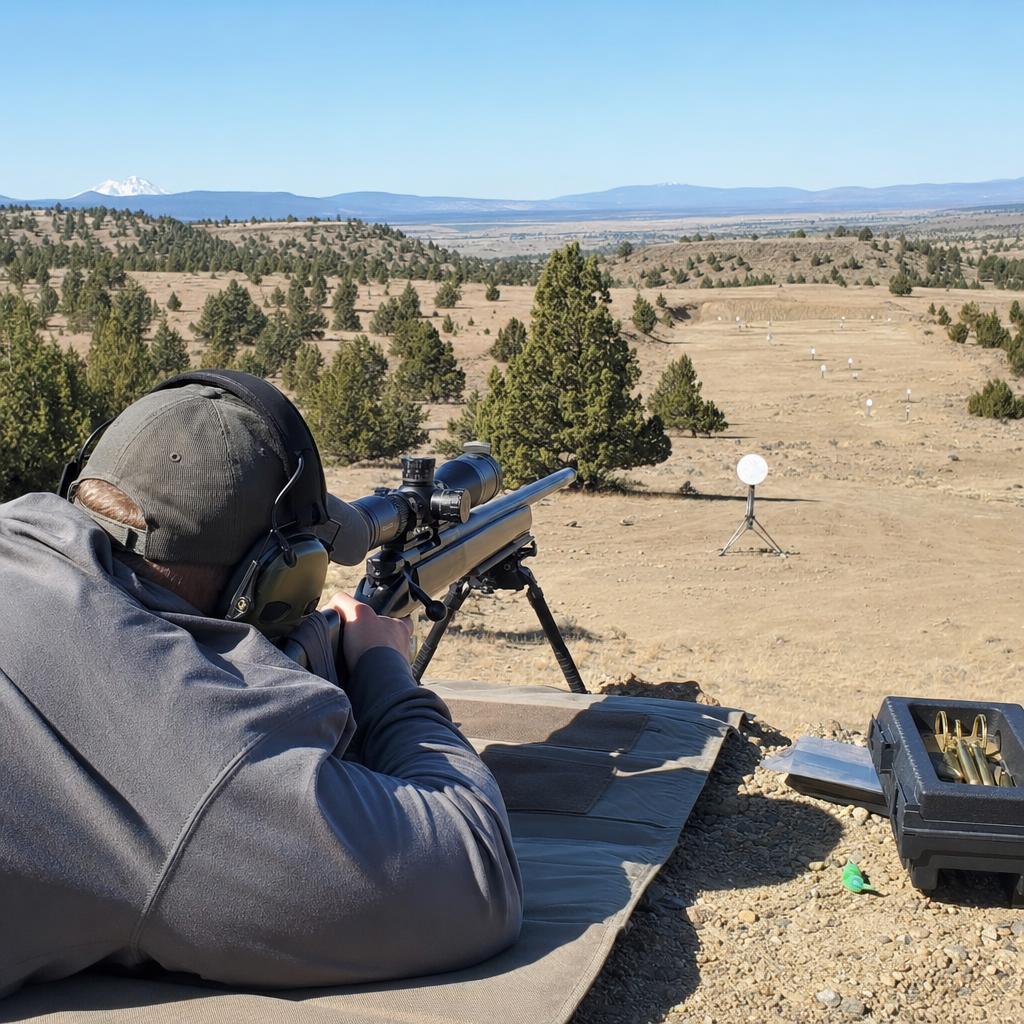
- Position CBS: Fire your cold bore shot from a field position — prone with bipod, or off shooting sticks — rather than from a benchrest. Real-world conditions reveal real-world performance
- Distance Ladder: Once you know your 100-yard CBS offset, confirm it at 200 and 300 yards. Offset often behaves consistently in MOA terms, but verify it for your specific rifle and load
- Pre-Hunt Fouling Round: If your CBS consistently deviates significantly, develop a pre-hunt routine: before first light, fire one fouling round into a safe area and record the impact. Now your first hunting shot is from a fouled barrel with known behavior
The Mental Side
There's a psychological dimension to cold bore prep that matters as much as the technical work. Hunters who have logged 20 or 30 documented cold bore shots from their specific rifle have a kind of quiet confidence in the field that's qualitatively different from hunters who only shoot groups at the bench. They know what their rifle does. They've seen the evidence. When the moment comes, they squeeze without hesitation.
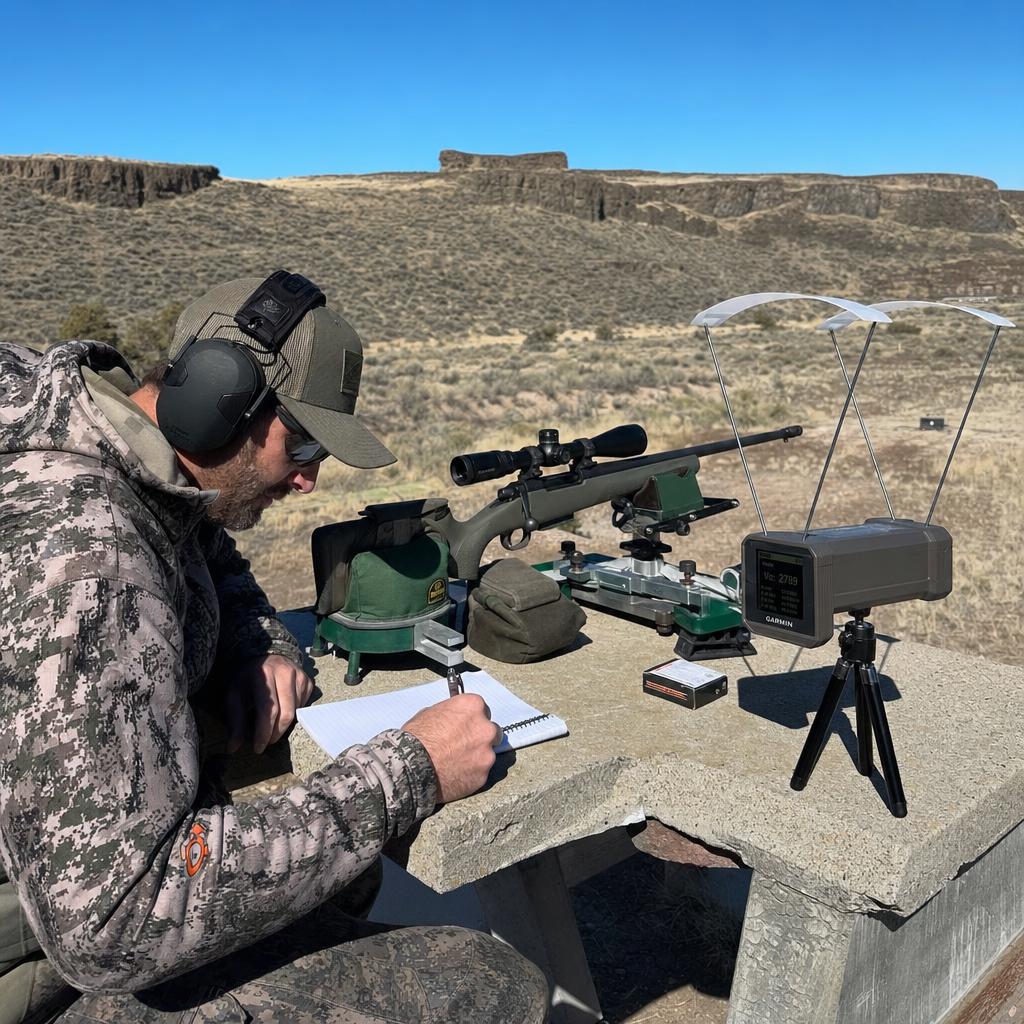
Log your CBS data the same way handloaders log velocity data: date, temperature, bore condition, point of impact offset. Over two seasons you'll have a dataset that tells you everything you need to know about what happens when you pull the trigger on opening morning in Oregon's high country.
That data is worth more than any group you ever shot at the bench.