When the first hard rains of October push off the coast and the rivers begin to color up, Oregon coastal streams transform into some of the most productive coho fisheries in the Pacific Northwest. Forget the crowded boat ramps on the Columbia — the Nestucca, Siletz, Alsea, Coquille, and Chetco are where savvy anglers go to tangle with chrome-bright silvers that haven't yet lost their ocean energy.
Understanding the Oregon Coastal Coho Run
Oregon's coastal coho (Oncorhynchus kisutch) return in waves from late September through December, with peak numbers typically showing in mid-October to mid-November depending on rainfall. Unlike Chinook, coho are aggressive, acrobatic fighters that will hammer a well-presented plug, spinner, or fly even in off-color water. ODFW's weekly fishing report is your bible — coho counts at fish ladders tell you when the push is on.
Key rivers to watch:
- Nestucca River — One of the most consistent coho streams on the coast; fish from the tidewater at Pacific City all the way up to the Cloverdale area.
- Siletz River — The lower Siletz between Kernville and tidewater holds fish early; as rains push them, work up toward Logsden.
- Alsea River — A classic mid-coast option; fish the section between Tidewater and Alsea for bank access.
- Coquille River — The South Fork and main stem offer good bank and drift boat opportunities with less pressure than northern rivers.
- Chetco River — The southernmost coastal coho option; can hold fish into December when other rivers have slowed.
Reading the Water
Coho on coastal streams are not the same fish they were two weeks off the ocean. They're looking for lies that minimize energy expenditure while they stage and wait for conditions to push them upriver. Target the edges of main current seams, inside bends, tailouts of pools, and deeper runs adjacent to log jams or undercut banks. After a fresh push of rain, fish will often stack in the first deep holding water they reach — know where those spots are before you show up.
Water clarity matters enormously. Chocolate-milk runoff after a heavy rain usually means tight lines two to four days later once the water drops and clears to a fishable green tint. Clear, low-water conditions in September mean more pressure and spookier fish — go early in the morning and work the tailouts.
Terminal Tackle and Presentations
Plugs
Brad's Wigglers, Mag Lip 3.5s, and Kwikfish in cerise, chartreuse, or natural herring finishes are deadly on coastal coho when back-bounced or fished on a short drop from a drift boat. Size down from your Chinook gear — a 3.5-inch plug on 20-lb test mono is plenty.
Spinners
Blue Fox Vibrax #4 or #5 in silver-blue or hot pink are top producers for bank anglers. Cast upstream and across, retrieve just fast enough to keep the blade turning. Let the current do the work. A coho hit on a spinner is unmistakable — they'll slam it and go aerial immediately.
Cured Roe
Nothing beats a well-cured egg cluster for coho in off-color water. Use a BorX O Fire or Pautzke's Fire Cure with added scent — anise and krill are both effective. Cluster size should be roughly the size of a large marble. Fish under a float or on a drift rig with 10–15 lb fluorocarbon leader.
Fly Fishing
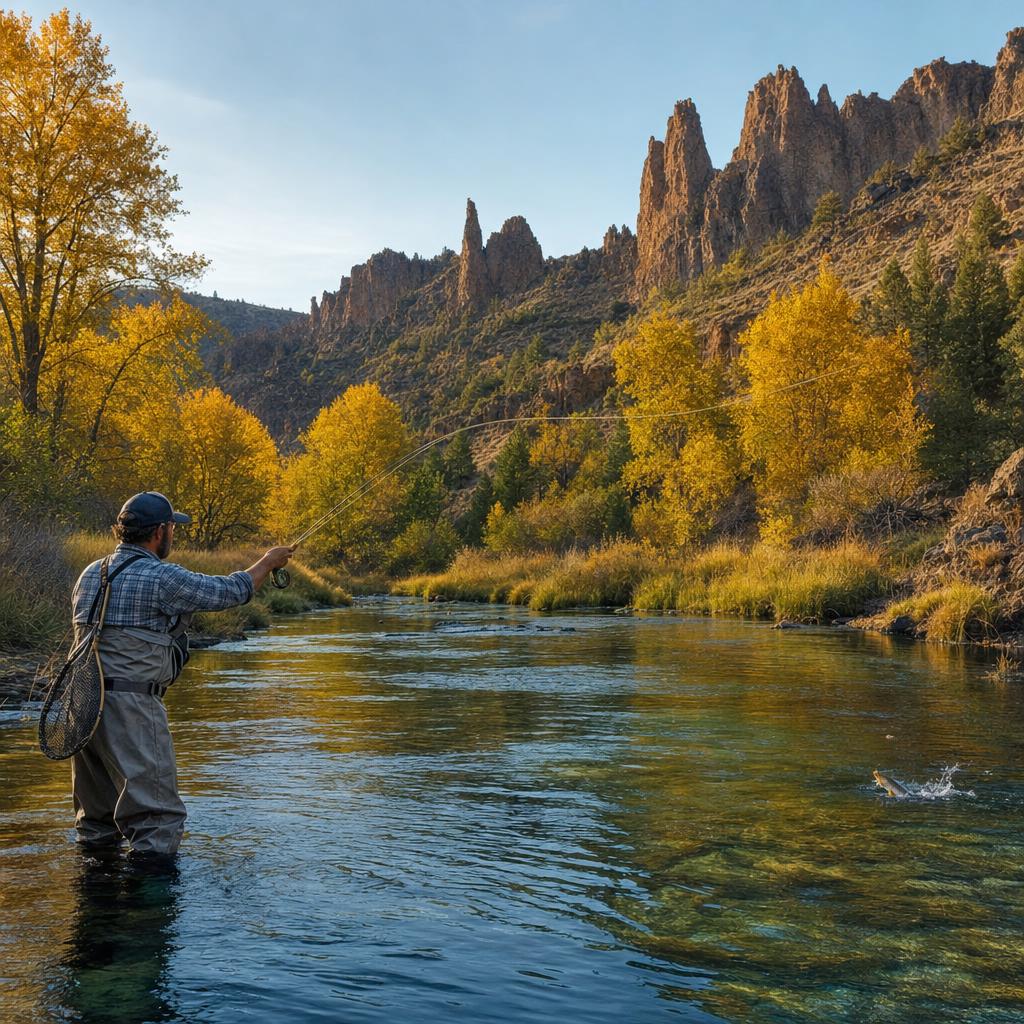
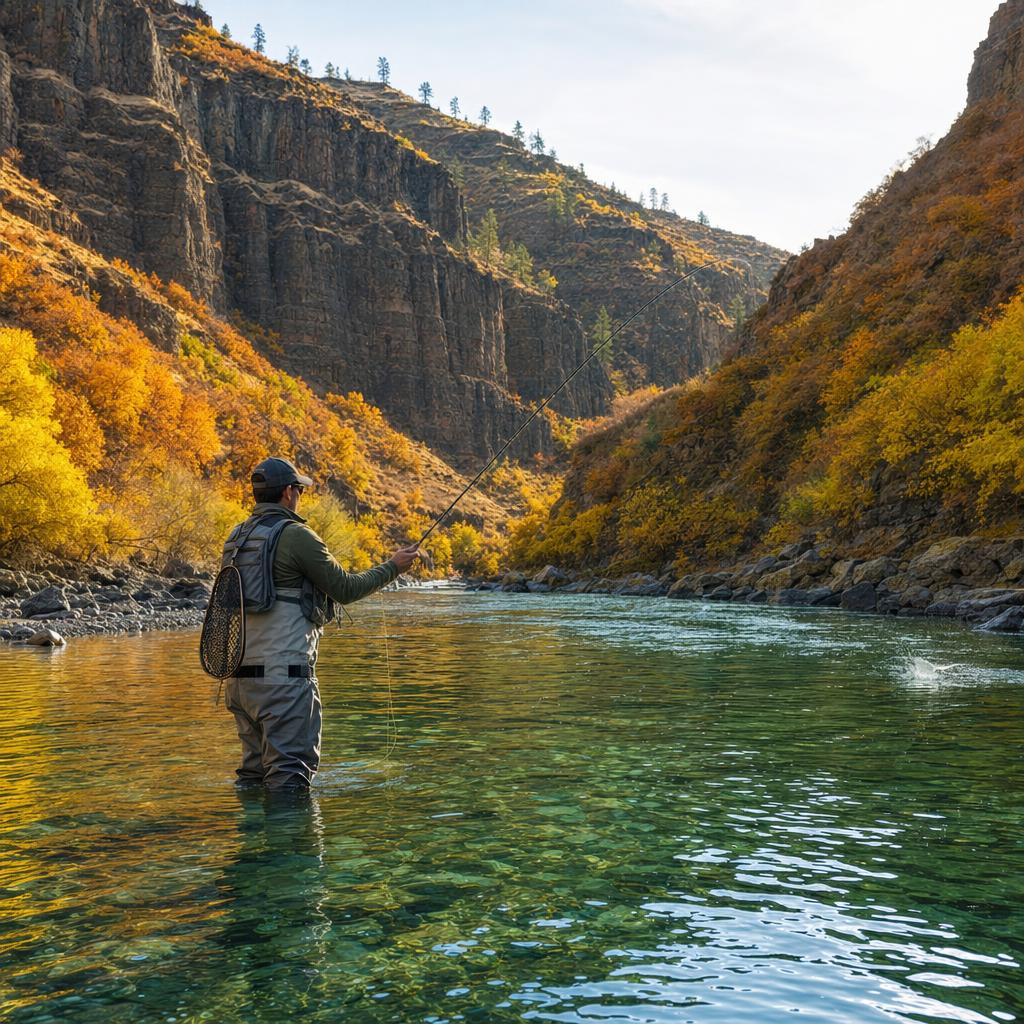
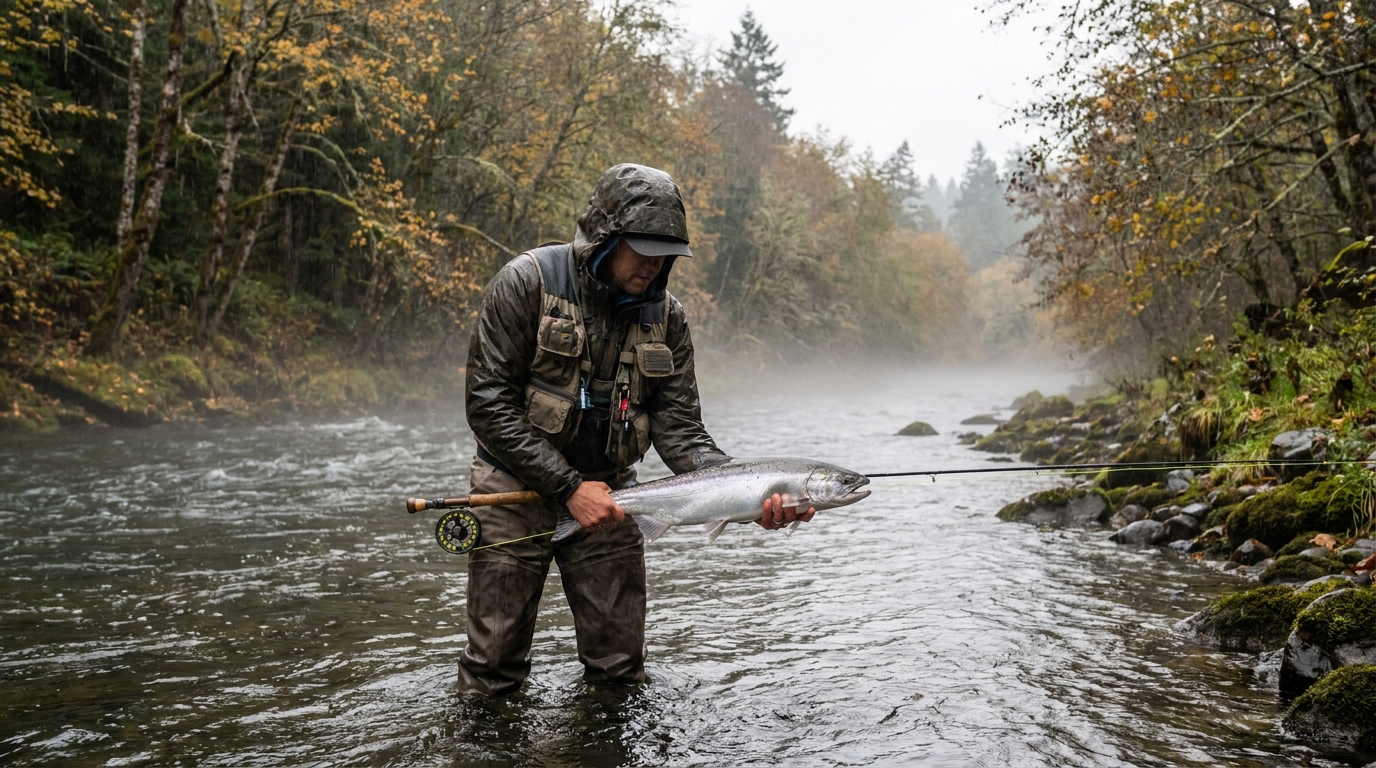
Fall coho are excellent targets for fly anglers in low, clear conditions. Intruder-style patterns in pink/white, egg-sucking leeches, and bright chartreuse buggers fished on a Type 3–5 sink tip will draw aggressive strikes. The Nestucca above Beaver and the upper Alsea offer excellent fly water.
Oregon Regulations: Know Before You Go
Coastal coho regulations vary by river and change annually — always check the current ODFW Sport Fishing Regulations booklet before heading out. Many coastal streams have hatchery-only retention rules for coho; wild coho must be released. Identify the difference: hatchery fish will have their adipose fin clipped; wild fish have an intact adipose. Gear restrictions (bait vs. artificial-only sections) also vary by river and time of year.
A valid Oregon fishing license with combined angling tag is required. Coho count toward your combined salmon/steelhead tag.
Gear Checklist for Coastal Coho
- Medium-heavy 8.5–10.5 ft spinning or casting rod, rated for 1–3 oz
- 2500–4000 series reel with 200 yards of 20–30 lb braid backing + 10–20 lb mono or fluorocarbon main line
- Waders and wading boots with felt or studded soles (coastal cobble is slick)
- Wading staff — non-negotiable on bigger coastal rivers
- Rubber-mesh net for landing and releasing fish quickly
- Headlamp — legal fishing hours start at 7 AM but you'll want to be rigged and in position before legal light
- Rain jacket and layers — October on the Oregon coast is wet, period
The Silver Rush Is Worth It
Coastal coho are among Oregon's most accessible and rewarding salmon fishing experiences. You don't need a boat, an expensive guide, or a special permit. You need rubber boots, a license, and the willingness to stand in a cold rain while the river does its seasonal magic. When a fresh-run silver hits your spinner in a fast coastal run and lights up the morning air, you'll understand why anglers plan their entire October around the coho season.
Watch the rain gauges. Watch the ODFW counts. When both tell you it's time — go.