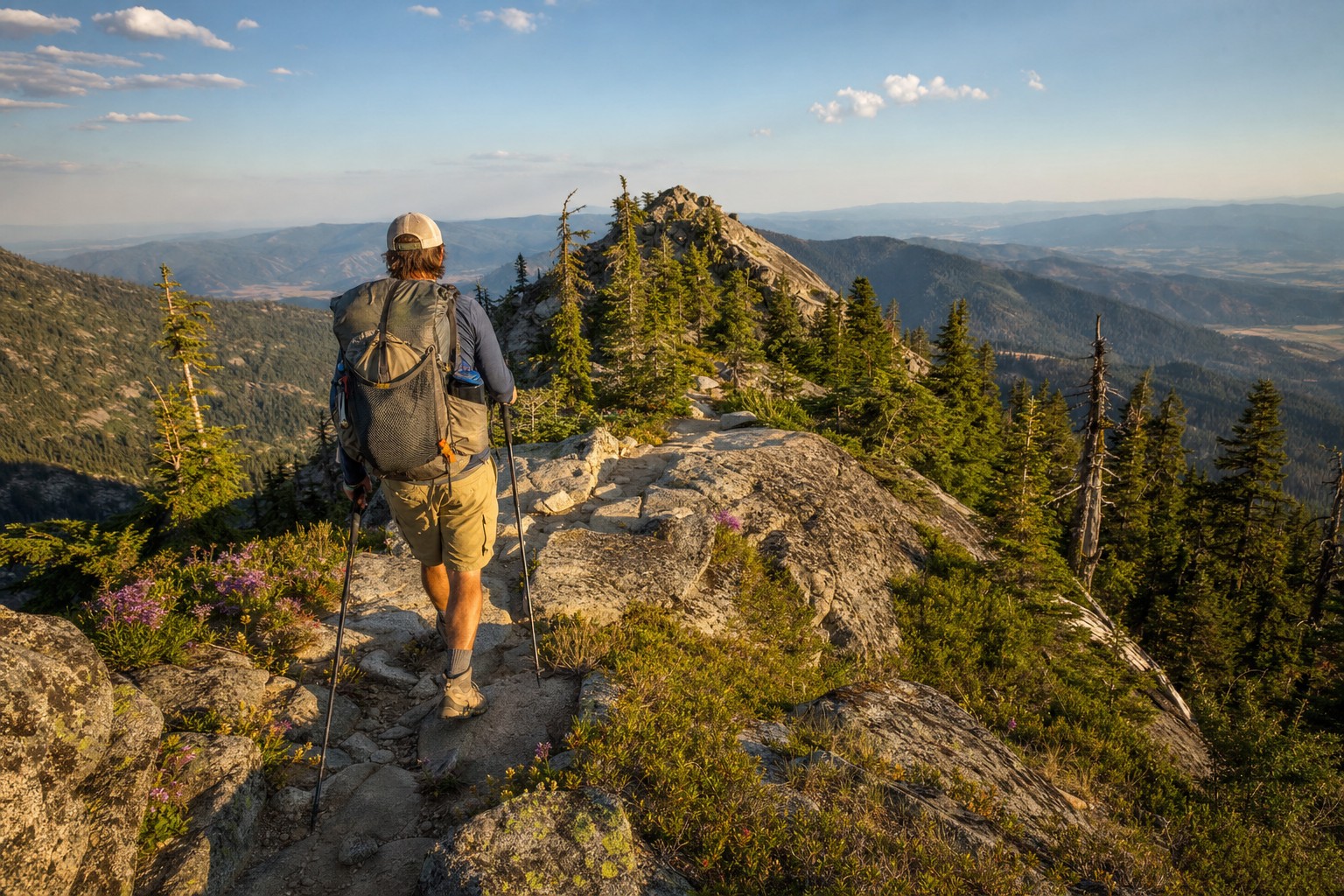
Most Pacific Northwest hikers driving toward a wilderness weekend point their rigs south toward the Three Sisters or east toward the Wallowas. Bull of the Woods Wilderness, tucked into the western slopes of the Oregon Cascades in Marion and Clackamas counties, gets overlooked almost entirely. That’s the point — and that’s exactly why it’s worth your time.
Designated wilderness in 1984 and covering approximately 34,900 acres, Bull of the Woods is one of the last large stands of old-growth Western Cascades forest in Oregon. The trees here — ancient Douglas fir, Western hemlock, Western red cedar, and Pacific silver fir — are enormous by any standard. The trail network is modest by Oregon wilderness standards but well-maintained, and the alpine terrain at the upper elevations offers views that rival anything in the state.
The Best Weekend Loop: Twin Lakes – Bull of the Woods Lookout – Pansy Lake
The best introduction to Bull of the Woods is a 14–18 mile weekend loop that hits the wilderness’ two most iconic destinations — the Twin Lakes basin and the historic Bull of the Woods Fire Lookout — while passing through prime old-growth on every connecting trail segment.
Trailhead Access
Start at the Pansy Lake Trailhead on Forest Road 6340, approximately 31 miles southeast of Estacada via OR-224 and various forest roads. The final approach on FR-6340 is rough gravel — high-clearance vehicles are strongly recommended, though most passenger cars can make it slowly in dry conditions. The road typically opens by mid-June; confirm current conditions with the Clackamas River Ranger District (503-630-6861) before your trip.
A Northwest Forest Pass or America the Beautiful Pass is required for the Pansy Lake Trailhead. There is no fee for overnight camping in the wilderness itself, but a self-issued wilderness permit (available at most trailheads) is required.
Day 1: Pansy Lake Trailhead to Twin Lakes — 7–8 miles, ~2,000’ gain
From the Pansy Lake Trailhead, the trail climbs steadily through old growth to Pansy Lake (1.5 miles) — a quick first look at the kind of country you’re in. Continue past Pansy Lake on Trail #551 and then connect to the Mother Lode Trail (#558) heading northeast toward the Twin Lakes basin.
Twin Lakes sit at approximately 4,600 feet in a broad glacially carved bowl surrounded by silver fir and subalpine meadow. Upper Twin Lake is the more scenic of the two, with clearer water and better camping spots on the southwest shoreline. Sites are dispersed; camp at least 200 feet from the water. Both lakes hold wild cutthroat trout that respond enthusiastically to a small dry fly or spinner cast along the evening rise.
Day 2: Twin Lakes to Bull of the Woods Lookout and Back to Trailhead — 7–10 miles
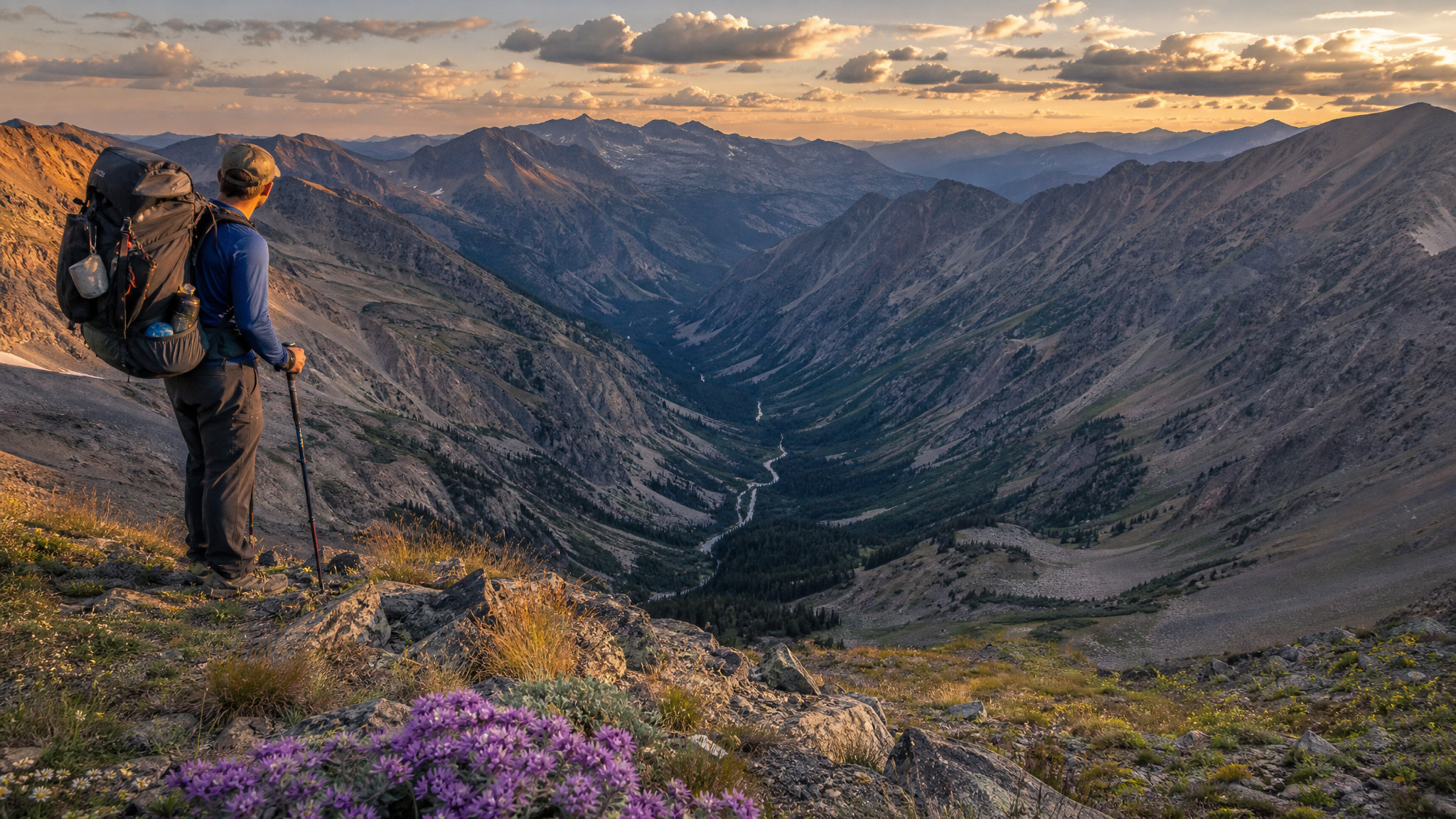
Leave camp early and follow the ridge trail from Twin Lakes to the Bull of the Woods summit at 5,523 feet. The final push to the lookout involves some open subalpine terrain with impressive views east toward Mount Jefferson and south toward the Three Sisters on a clear day. The historic lookout cabin itself has been maintained by volunteers and is occasionally available for overnight rental through the Mt. Hood National Forest — check the Recreation.gov recreation cabin listings if you want to add a night here.
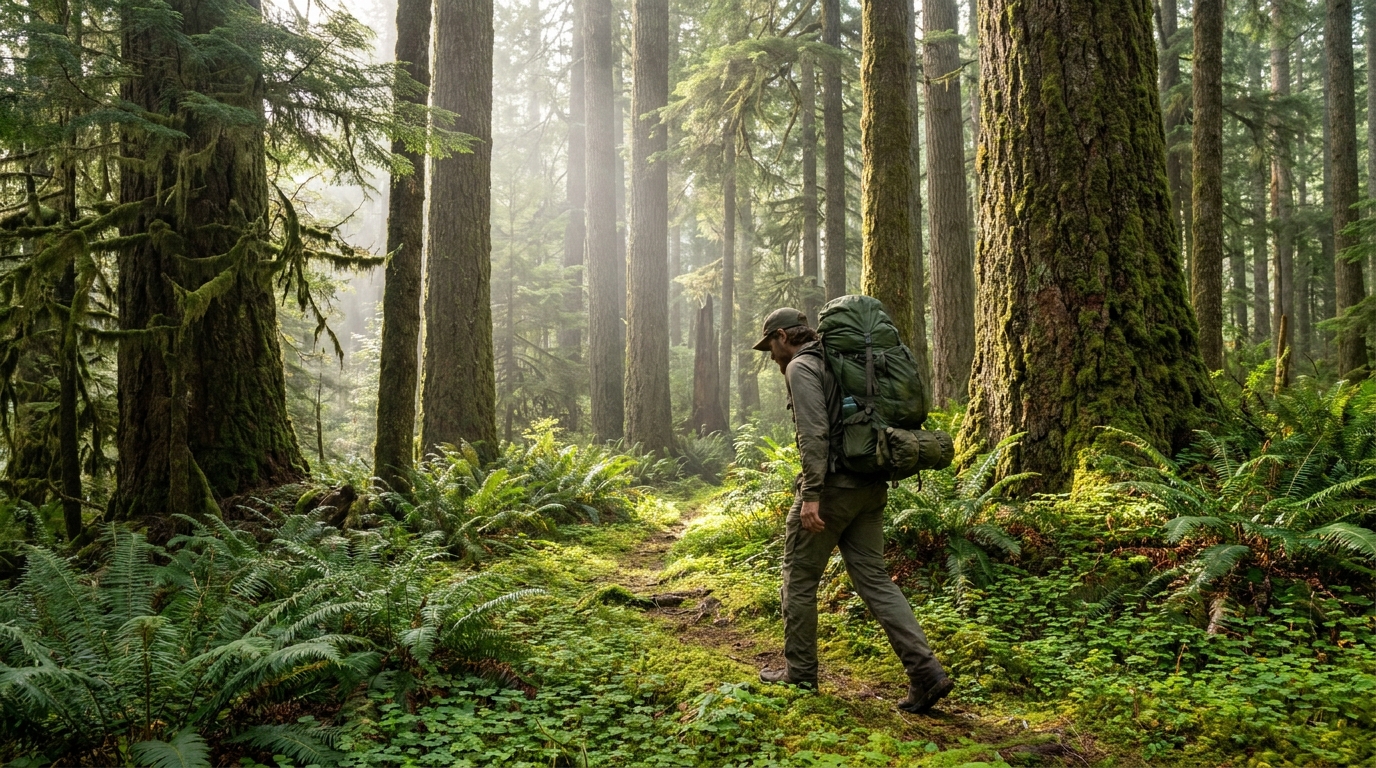
From the lookout, descend the south ridge trail back toward Pansy Lake and the trailhead. This route passes through some of the densest old-growth in the entire wilderness — expect multiple trees in the 6–8 foot diameter range, nurse logs covered in sword fern, and the particular quiet that only comes from standing in a forest that has never been cut.
What to Bring
The Bull of the Woods Wilderness sits in the wet western Cascades, where afternoon thunderstorms are routine from June through August and trail conditions stay damp longer than in the eastern range. Plan your kit accordingly:
- Rain gear: A quality waterproof jacket is non-negotiable. Afternoon showers are common even during the dry season.
- Water filtration: Water is abundant from trail-side springs and lake inlets. A filter or chemical treatment (Sawyer Squeeze or Aquatabs) is sufficient.
- Bear canister or hang system: Black bears are present throughout this wilderness. Use a properly hung bear bag or certified canister — the bear population here is healthy.
- Gaiters: Low gaiters are useful early season when trail edges are overgrown with wet vegetation. Not required but appreciated.
- Navigation: Download offline maps (Gaia GPS or CalTopo) before you go. Cell service in the wilderness is effectively zero.
Wildlife and Flora
Bull of the Woods hosts a notable black bear population along with Roosevelt elk, black-tailed deer, pine marten, and a variety of raptors including northern spotted owls in the deepest old-growth. The wildflower display in late June and July is outstanding — beargrass, avalanche lily, lupine, and paintbrush cover the subalpine meadows in waves through peak season.
Best Season
July through September is the prime window, with late July through mid-August typically offering the best combination of snow-free trails, wildflowers, and stable weather. The wilderness is accessible — and beautiful — even in June if the forest roads are open, but expect lingering snowfields above 4,500 feet until early July.
If you’re looking for a wilderness weekend within a two-hour drive of Portland that feels genuinely remote, Bull of the Woods delivers. The trees alone are worth the drive.