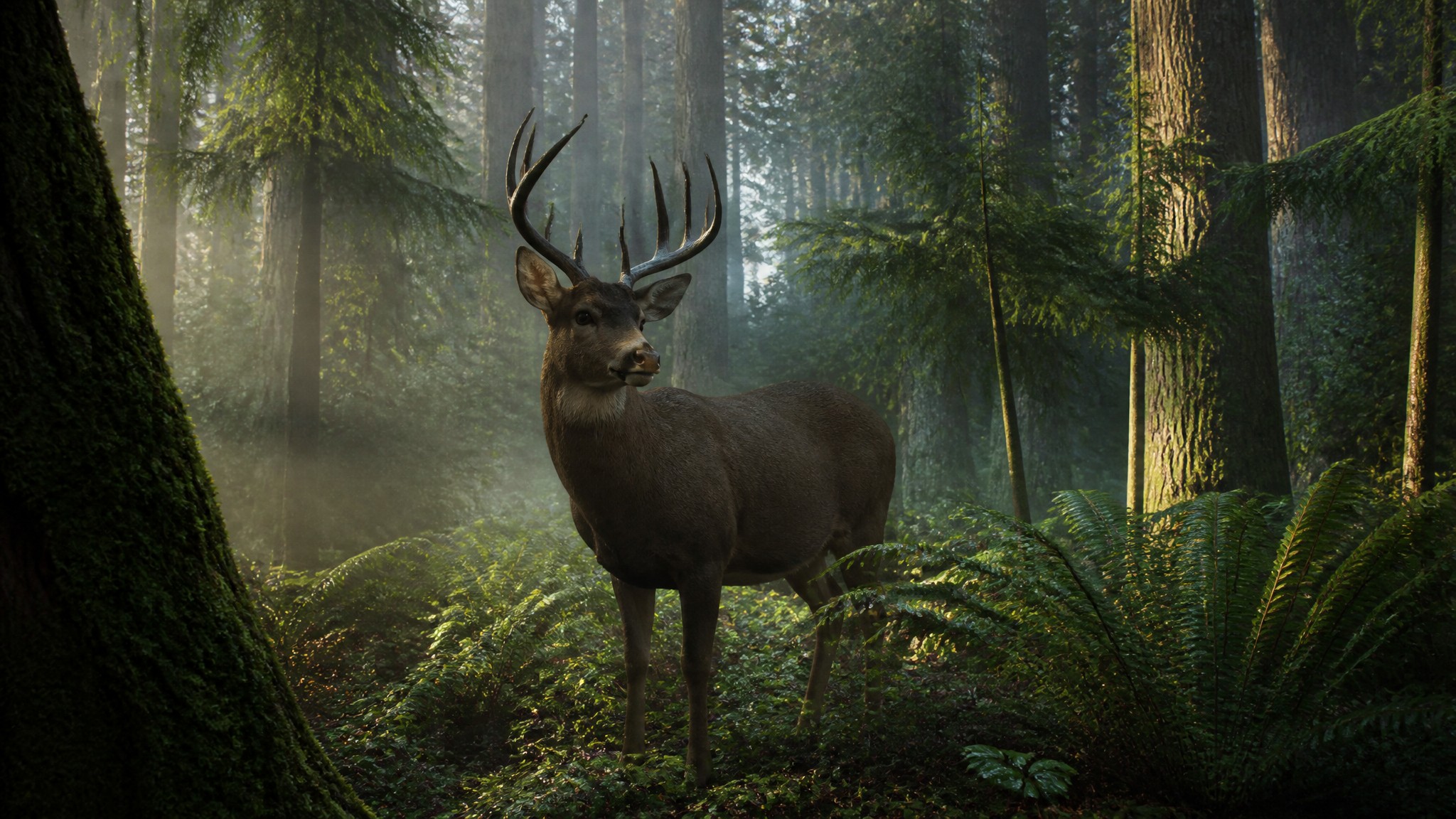
Ask most hunters when they target blacktail deer in the Oregon Coast Range and you'll hear August or early September. The archery opener is fresh, the velvet bucks are visible in clearcuts, and the hunting is as visual and exciting as blacktail hunting gets. But ask the hunters who consistently kill mature bucks, and a different answer emerges: November. The rut. The three weeks that change everything.
Columbia blacktail bucks are cagey, timber-oriented animals that seem to dissolve into the Coast Range for most of the year. The rut is the exception. For roughly two to three weeks in November, those same bucks abandon their survival instincts and move hard, cover ground, and make mistakes that would be unthinkable at any other time of year.
When Does the Blacktail Rut Happen?
The Columbia blacktail rut in western Oregon typically peaks between November 5th and November 20th, though exact timing varies by elevation and latitude. Lower-elevation Coast Range units — Alsea, Siuslaw, Tillamook — tend to rut a few days earlier than higher or more northern units. The rut is triggered by photoperiod, not temperature, so it happens on schedule regardless of whether November brings Indian summer or driving rain.
Pre-rut scrape activity usually starts in late October. By Halloween, the bucks are making scrapes, working rubs on alder and fir, and beginning to check doe groups. Full rut — bucks on the move, chasing does, throwing caution out — peaks in that second week of November. By Thanksgiving, most breeding activity is winding down, though secondary rut cycles continue into early December.
Reading the Sign
Rubs
Blacktail rubs in the Coast Range tend to concentrate on alder, red cedar, and younger Douglas fir with smooth bark. Fresh rubs — white, wet cambium exposed — tell you a buck worked the area within 24 to 48 hours. Big rubs indicate big bucks; a post larger than your thumb in diameter is a good sign. Look for sequences of rubs along a travel corridor rather than single isolated trees — a rubline is a buck's highway.
Scrapes
Blacktail scrapes in the Coast Range are often smaller than whitetail scrapes but serve the same purpose. Look for oval patches of pawed-up ground, 18 to 36 inches across, beneath overhanging branches that show licking and chewing sign. Scrapes on ridgetop saddles, at the edge of clearcuts, and at the junction of two trails are especially productive. A fresh scrape with wet soil and a strong musky odor was visited recently.
Trails
November bucks travel more than at any other time of year. Well-worn deer trails that connect clearcut edges to timber bedding areas become buck highways during the rut. Look for fresh tracks in soft soil — a big bucks leaves impressions noticeably deeper and wider than does and small bucks. Drag marks in the dew-wet grass of a clearcut edge in early morning are a dead giveaway that a buck was cruising there overnight.
Stand and Still-Hunting Strategies
Saddles and Funnels
Blacktail terrain in the Coast Range is vertical and complex. Bucks traveling between drainages funnel through saddles, through the low spots on ridges, and along the edges where clearcuts meet timber. A treestand or ground blind positioned in one of these pinch points, set up downwind of prevailing southwest weather, will see rut-crazed bucks moving through at any hour of the day.
Set up before the rut starts — mid-October is ideal — and don't disturb the area more than necessary. Blacktail olfactory sensitivity is extreme, and a location contaminated with human odor will go cold for days.
Still-Hunting Rain and Fog
The Coast Range rut doesn't happen in California sunshine. Plan on rain, heavy fog, and wind. Use the weather to your advantage: sound masking from rain and wind allows slower, more deliberate movement than you can manage on dry days. Still-hunt into the wind along ridge edges and the upper margins of clearcuts in the first and last hour of shooting light. In rut conditions, bucks move during the day and this technique can produce close encounters that stand-hunting never would.
Rattling and Calling
Blacktail are less responsive to rattling than whitetail, but it works — especially during the peak rut when bucks are actively seeking does and checking competition. Use a short, aggressive rattling sequence of 30 to 60 seconds, followed by several minutes of silence. Grunt calls can bring bucks in that hang up out of sight, curious but reluctant to commit. Keep volumes low — the Coast Range is dense and tight, and a subtle grunt at 40 yards moves more deer than a loud blast.
Gear for Coast Range November Conditions
Rain is a certainty, not a possibility. Full waterproof rain gear — jacket and pants — is mandatory, not optional. GORE-TEX or equivalent membrane materials keep you functional when a sustained November downpour turns the woods to a soaking mess. Insulation layers should include a compressible mid-layer that still insulates when wet — merino wool or synthetic, never cotton.
Boots need to handle mud, steep slopes, and creek crossings. A knee-high rubber boot or a waterproof leather boot with a deep lug sole is appropriate for most Coast Range terrain. Lightweight hiking shoes that work in August clearcuts are completely wrong for November timber.
For rifle hunters, this is your general deer season with most units open through November. Archery tags in many western Oregon units extend into November and overlap the peak rut — one of the best-kept secrets in Oregon bowhunting.
The November Difference
Blacktail hunting has a reputation for being difficult — and it is, most of the time. The Coast Range is thick, the deer are secretive, and the terrain punishes you for every mistake. But the November rut levels the playing field. A mature buck that won't move 50 yards from his bed during daylight in September will walk 3 miles across a clearcut on a Tuesday afternoon in November looking for a doe.
Hunt the rut, hunt the sign, and hunt the funnels. The Coast Range delivers its best blacktail hunting to the hunters patient enough to wait for November.